In the modern era of hyper-convenience, the act of purchasing goods has become increasingly passive. We enter an online marketplace, we scroll through algorithmic recommendations, and we select the "best available" option from a curated list of mass-market goods. However, a growing movement of intentional consumers is challenging this paradigm, shifting from "store-centered shopping"—where the retailer dictates the menu of options—to "self-centered shopping," a philosophy that prioritizes individual needs over convenience.
By defining specific requirements before entering the marketplace, consumers are finding that they not only derive more satisfaction from their purchases but also significantly reduce impulse spending and combat the psychological weight of the "paradox of choice."
The Evolution of the Consumer Mindset
For decades, the standard consumer journey was dictated by geographic and physical limitations. If you needed a tool, a garment, or a household item, you were limited to the inventory of the local merchant. Even as the internet removed geographic barriers, the behavior remained largely unchanged: consumers visit a platform, browse the selection, and settle for the item that is "good enough."
This "store-centered" approach effectively delegates the decision-making process to the retailer. The inventory on the digital or physical shelf becomes the universe of possibilities. If a store does not carry a specific feature or design, the consumer simply compromises, leading to a cycle of frequent, unsatisfying purchases that often end up discarded or replaced within a few years.
Chronology of a Shift: From Compromise to Customization
The transition to self-centered shopping is rarely an overnight epiphany; it is often a gradual realization born from frustration with the "replace-and-repeat" cycle.
Consider the typical lifecycle of a wallet. For many, a wallet is a five-year commitment. The process usually involves heading to a department store when the old one fails, browsing the limited selection of leather goods, and picking the one that is the least offensive. This is a reactive, rather than proactive, approach.
In 2019, the author of this methodology faced the familiar chore of replacing a failing wallet. Rather than succumbing to the traditional browse-and-buy routine, he paused. He identified a clear set of requirements:
- Minimalist footprint: Must fit comfortably in a pocket.
- Capacity: Space for a few essential cards, not a bulky collection.
- Materiality: Lightweight, non-leather construction.
- Functionality: Ease of access without unnecessary bulk.
By defining these parameters, the search shifted from a general inquiry ("Where can I buy a wallet?") to a targeted hunt ("Who manufactures a lightweight, three-pocket, non-leather minimalist wallet?"). After scouring major retailers and niche travel gear brands, the solution was found in a minimalist wallet from the company Tom Bihn—a product that met every criterion, proving that the item existed, but only for those willing to define the search parameters before looking.
Supporting Data: Why Intentionality Matters
The shift toward self-centered shopping is supported by psychological principles regarding consumer satisfaction.
The Paradox of Choice
Psychologist Barry Schwartz famously coined the "paradox of choice," which suggests that while we believe more options equate to more freedom, an abundance of choice often leads to anxiety, decision paralysis, and lower satisfaction. When a shopper is presented with forty different wallets, the cognitive load is high, and the fear that they have made the "wrong" choice increases.
In contrast, the self-centered shopper limits their own universe. By deciding exactly what they need, they essentially narrow the field to a handful of candidates. Once a product meets those pre-defined requirements, the search ends. This eliminates the "what if?" regret that plagues shoppers who are constantly bombarded with alternatives.
The Economics of Quality
While critics might argue that this method is more expensive, proponents note that it is an investment in longevity. Purchasing a mass-market item that doesn’t fully satisfy the user leads to "false economy"—spending $20 every two years on a product one dislikes is objectively less efficient than spending $60 once on a product that serves the user for a decade. This methodology aligns with the "Marie Kondo" principle of keeping items that "spark joy," ensuring that everyday objects are not just functional, but a pleasure to use.
The Implications of Product Loyalty
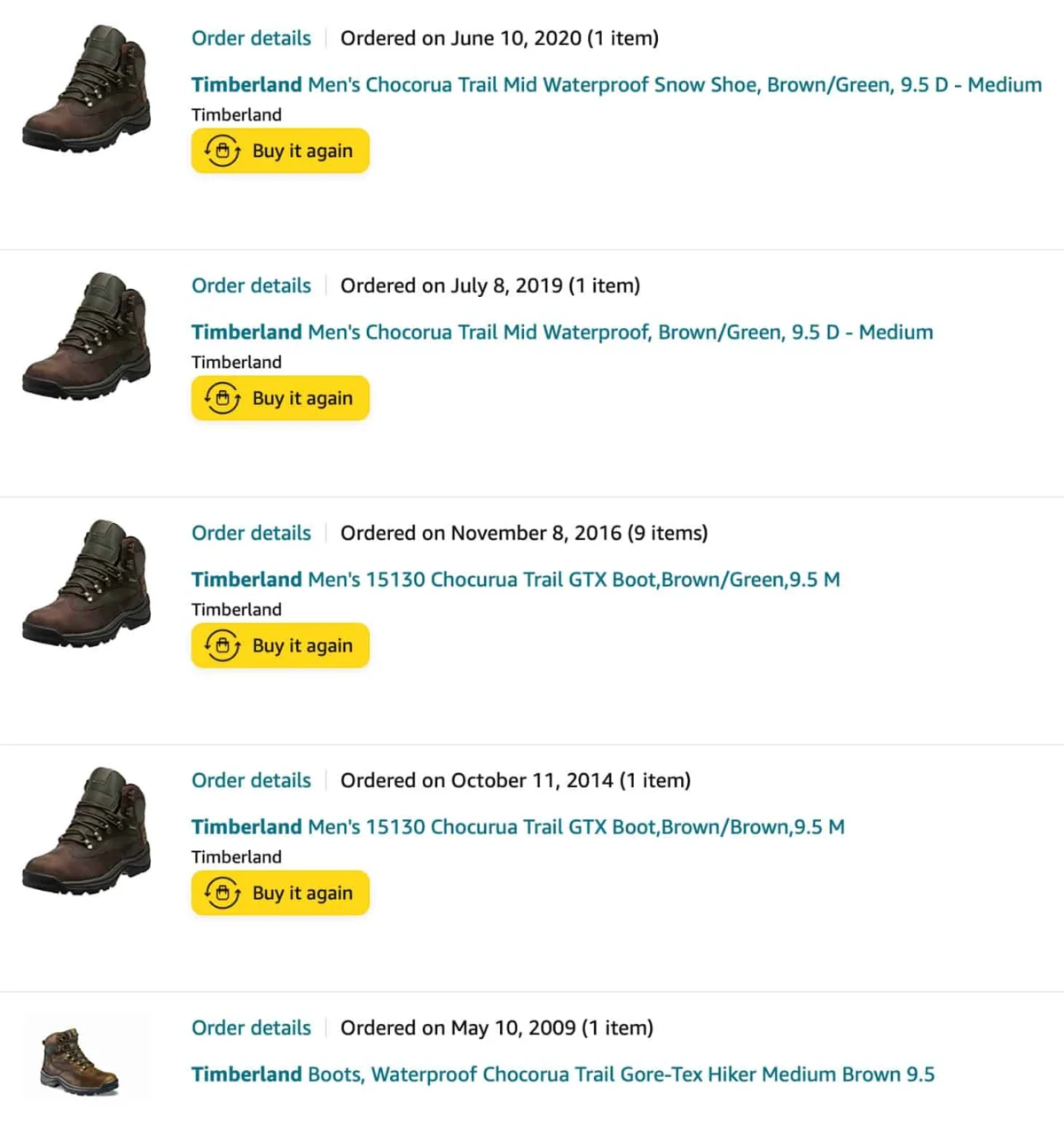
One of the most significant byproducts of self-centered shopping is the emergence of deep-seated product loyalty. Once a consumer has spent the time and effort to find the "perfect" iteration of a tool—whether it be a specific pair of hiking boots, a reliable backpack, or a precise kitchen utensil—the need to search vanishes.
When the product inevitably wears out, the consumer does not return to the store to "browse." They return to the source to reorder. This fosters a relationship between the consumer and the manufacturer that goes beyond transactional. It turns the consumer into an advocate, creating a sustainable ecosystem where high-quality manufacturers are rewarded for their consistency, and consumers are spared the ordeal of shopping.
Implications for Modern Commerce
The rise of self-centered shopping has profound implications for retailers and manufacturers alike:
- Niche Specialization: As consumers become more specific about their needs, brands that focus on solving specific problems for specific demographics (e.g., travel gear for minimalist commuters) are seeing increased success compared to "everything stores."
- Reduced Impulse Spending: The most effective defense against impulse buying is a clear list of requirements. When a consumer knows exactly what they want, they are less likely to be swayed by "flash sales" or marketing tactics that rely on a lack of consumer focus.
- The Death of the "Good Enough" Era: As internet access continues to democratize information, the barrier to finding specialized, high-quality products is lowering. Retailers who rely on "convenient" inventory rather than quality or utility will likely struggle to retain customers who have learned to prioritize their own specifications.
A Practical Guide: Adopting the Method
To transition from store-centered to self-centered shopping, consumers can adopt a simple three-step protocol:
- Define the Need, Not the Product: Before visiting any website or store, write down exactly what the item must do. Do not look at pictures; look at your list of requirements.
- Conduct an Independent Audit: Search for your list of requirements, not for a brand. Use search engines to find manufacturers that prioritize the specific features you have identified.
- Verify and Commit: Once you find the match, verify the quality through user reviews or independent reporting. If it meets your criteria, purchase it and commit to that product for the long term.
Conclusion
Self-centered shopping is not about narcissism; it is about reclaiming agency in an economy designed to prioritize the convenience of the retailer over the satisfaction of the buyer. By moving from a reactive state—where we accept what is given—to a proactive state, we can curate our lives with objects that truly serve us.
As we look toward the future of personal consumption, the most satisfied individuals will not be those with the most "stuff," but those who have mastered the art of choosing the right stuff. When we finally stop letting the marketplace define our needs, we find that the items we possess become tools for living, rather than simply clutter to be managed. Whether it is a wallet, a pair of boots, or a desk, the items that meet our exact specifications are the ones that earn their place in our lives for years to come.