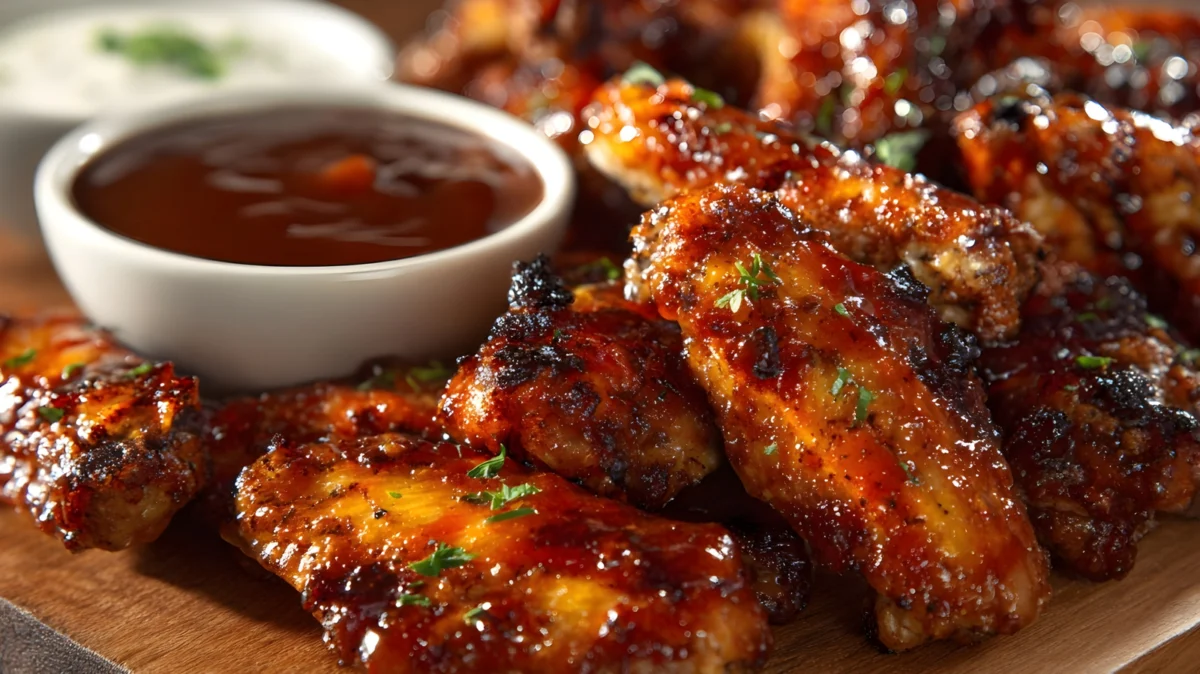
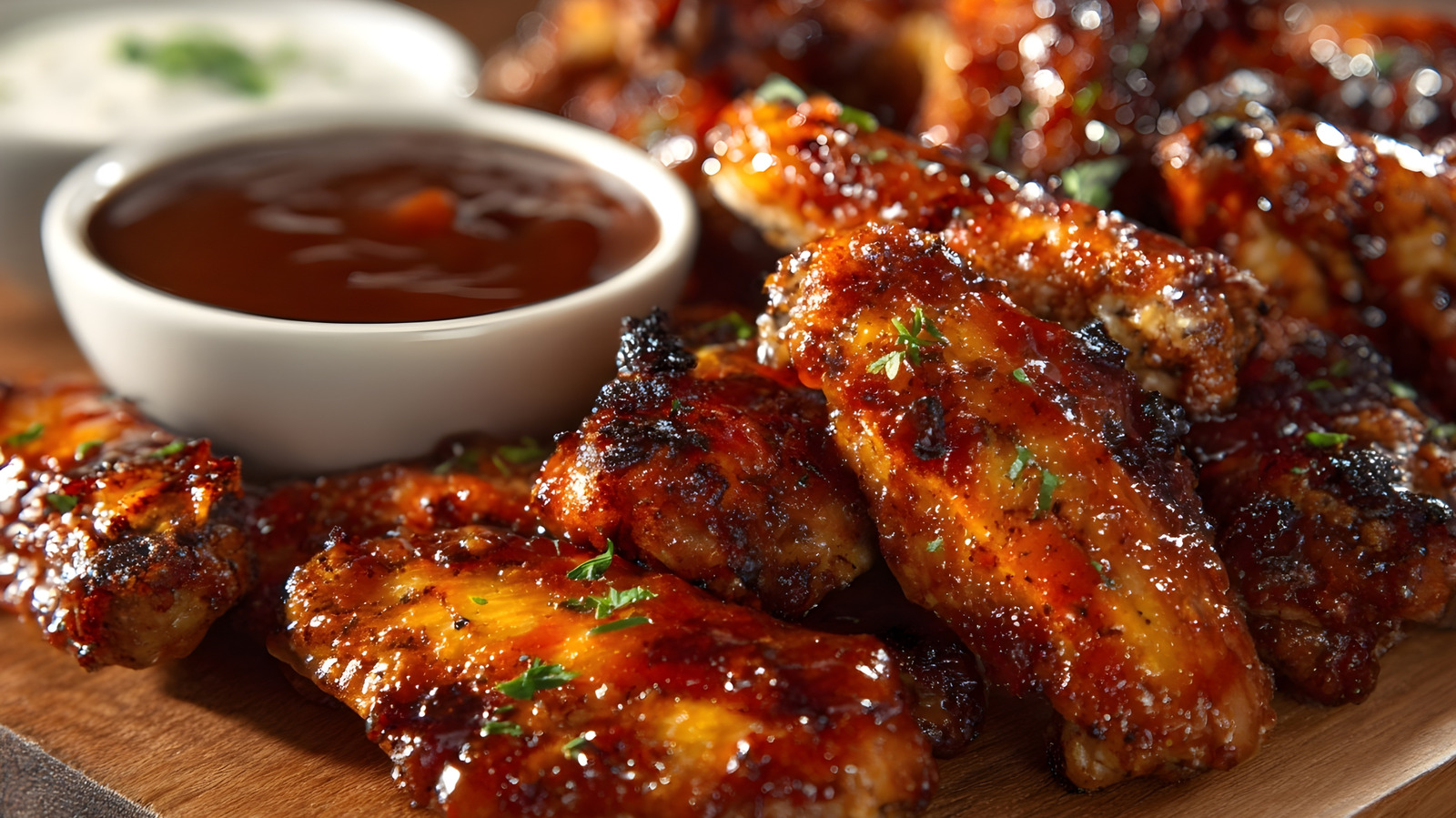
For decades, the chicken wing was the undisputed king of affordable American comfort food. It was a humble, discarded byproduct of poultry processing that transformed into a cultural icon, famously sold for pennies during the late 20th century. However, as of 2026, those days of "ten-cent wing nights" have long since faded into culinary folklore. In the current economic landscape, where bone-in chicken wings frequently command prices exceeding $2.00 per unit, the search for value has become a tactical mission for the budget-conscious consumer.
After an extensive analysis of major fast-food chains, pizza franchises, and national chicken purveyors, one name consistently rises to the top for price-to-quality ratio: Wingstop. But as the market fluctuates and supply chains tighten, is the "cheapest" option always the smartest move for your wallet?
The Current State of the Wing Market: A Chronology of Rising Costs
To understand why we are paying upwards of $20 for a basket of wings, we must look at the trajectory of the poultry industry over the last five years.
- 2021-2022 (The Peak Scarcity): The post-pandemic era saw a "wing frenzy." Demand from delivery-heavy lifestyles and a shortage of labor in processing plants caused wholesale wing prices to skyrocket. Consumers became accustomed to "premium" pricing as the new normal.
- 2023 (The Luxury Shift): High-end establishments began treating wings as a canvas for culinary extravagance. The Ainsworth in New York City famously introduced 24-karat gold-dusted wings for $150 a dozen, signaling a shift in how wings were perceived in the fine-dining sector.
- 2024-2025 (The Stabilization Period): While the extreme volatility of the pandemic years subsided, the "new normal" for fast-casual dining settled into a range of $1.50 to $2.25 per wing at major chains. Inflationary pressures on labor, oil, and packaging meant that even as wholesale chicken prices stabilized, menu prices remained elevated.
- 2026 (The Current Landscape): We are currently in a market where regional variances are extreme. In major metropolitan hubs like San Francisco, a 10-piece order from a premium chain like Buffalo Wild Wings can cost over $21, placing the price per unit at roughly $2.15.
Supporting Data: Breaking Down the Price-Per-Wing
When evaluating where to spend your money, it is essential to look beyond the total bill and calculate the "cost per unit." Our research compared several national players to determine which chains offer the most competitive pricing.
The Wingstop Dominance
Wingstop remains the industry benchmark for consistent pricing. At a representative location in Jackson, Mississippi, the chain offers a 100-wing bulk order for $107.99. This breaks down to approximately $1.08 per bone-in wing. While buying 100 wings is a logistical challenge for the average diner, it highlights the brand’s ability to leverage economies of scale better than its competitors.
The Buffalo Wild Wings Strategy
Buffalo Wild Wings (BWW) is generally more expensive, but they offer specific "anchor" deals that can lower the cost significantly. Their standard 30-piece bone-in order hovers around $52.99 ($1.77 per wing), but this can fluctuate wildly by region. However, the chain’s "20 boneless wings plus fries" bundle for $18.99 is a statistical anomaly in their pricing, bringing the cost down to roughly $0.95 per piece when accounting for the value of the side dish. Outside of this specific bundle, BWW is rarely the most economical choice.
The Pizza Chain Factor
Pizza chains have aggressively moved into the wing market to compete with dedicated chicken restaurants:
- Domino’s: Offers an 8-piece order for as low as $9.99 ($1.25/wing) and a 32-piece bulk order for $36.99 ($1.16/wing).
- Little Caesars: Maintains an aggressive $8.50 price point for 8 wings ($1.06/wing). However, price is only one metric. Consumer sentiment and taste-test rankings from various food critics have consistently placed Little Caesars’ wings at the bottom of the list regarding texture and flavor profile, suggesting that the lower price point may not represent true value.
Comparing the "Hidden" Contenders
While the major national chains dominate the conversation, smaller players and non-traditional competitors offer surprising variance:
- Atomic Wings: A strong contender with a price of $1.25 per wing when purchasing in quantities of 100, though their limited footprint makes them inaccessible for many.
- Popeyes: A major player in the fried chicken space, offering 24 wings for $26.49 ($1.10 per wing), providing a competitive middle ground between fast-food chicken and wing-specialty shops.
- Chili’s: A casual dining outlier, offering 12 boneless wings for $1.19 each.
Implications: The "Small Shop" Exception
It is important to note that the most significant savings are rarely found in national chains, but rather in the "local hero" category. In cities like Rochester, New York, or Pittsburgh, local breweries and pubs often use wings as a "loss leader"—a menu item priced low to get customers in the door to purchase higher-margin items like alcohol. Reports of $0.25 to $0.65 wings at local establishments prove that if you are willing to look outside the major franchises, you can still find the legendary prices of the past.
Balancing Quality and Cost: Why Wingstop Wins
When we look at the landscape holistically, Wingstop maintains the lead not just because of its price-per-wing, but because of its commitment to the category. Unlike pizza chains that treat wings as a secondary side dish, Wingstop’s entire infrastructure is built around the product.
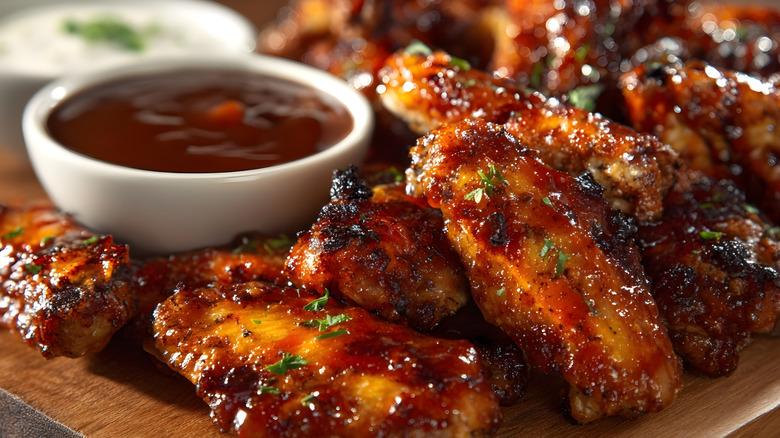
Their variety of flavors—ranging from the fan-favorite Hot Honey Rub to Louisiana Rub and Lemon Pepper—gives the consumer a superior experience. In blind taste tests, Wingstop consistently ranks in the top five among national chains. This creates a "value proposition" where the customer feels they are getting a high-quality product for a competitive price, rather than a subpar product at a low price.
Final Assessment: How to Optimize Your Wing Spend
If you are looking to feed a crowd without breaking the bank, the data suggests a three-tier strategy:
- For Bulk Events: If you are hosting a party, look for the 100-piece options at Wingstop. It remains the most reliable way to keep the cost near the $1.00 per-unit mark.
- For Convenience and Value: Seek out the "bundle" deals at larger chains like Buffalo Wild Wings. Look specifically for orders that include sides, as these often artificially deflate the price-per-wing cost.
- For the Discerning Palate: Avoid the temptation of the cheapest pizza chain wings. The marginal savings (often only a few cents per wing) are rarely worth the sacrifice in quality.
Ultimately, the era of the "cheap" wing is over. In 2026, the consumer’s role has shifted from simply finding the lowest price to identifying the best value within a premium-priced market. By leveraging bulk ordering and avoiding the "convenience trap" of low-quality pizza wings, you can still enjoy this quintessential American snack without the sticker shock.