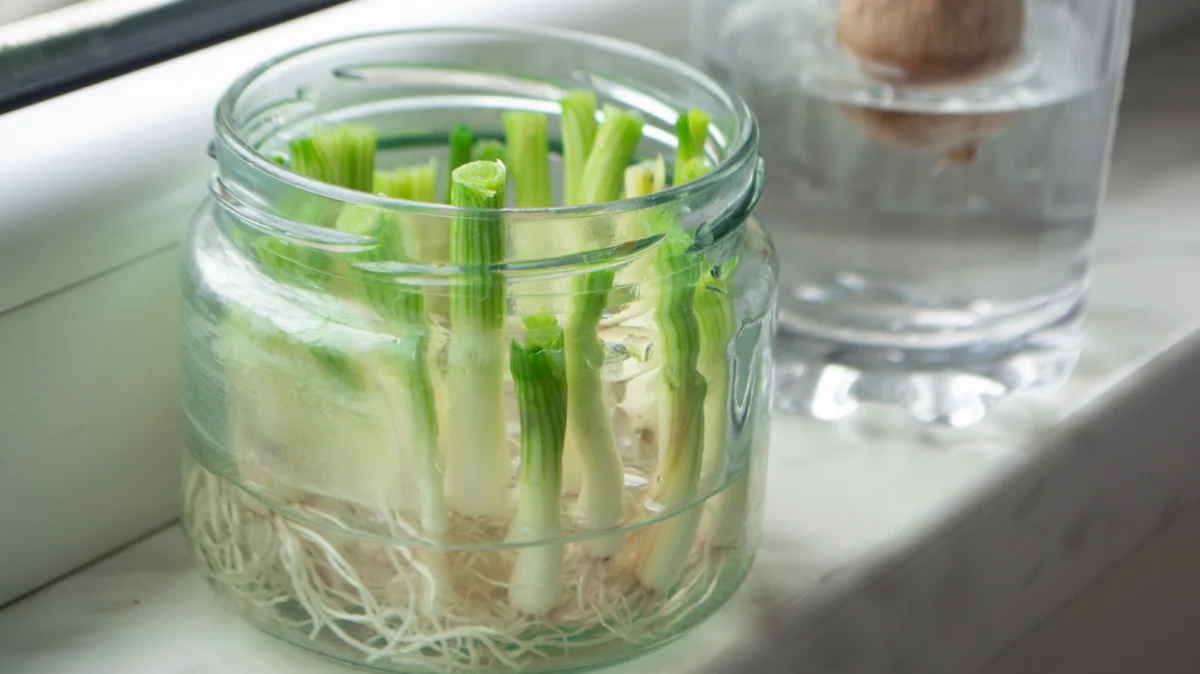
In the modern culinary landscape, the kitchen is often viewed as a place of consumption rather than production. However, a growing movement of home cooks, sustainability advocates, and budget-conscious families is challenging this perspective. By simply repurposing common household items—specifically empty jam jars—consumers are transforming what was once destined for the compost bin into a thriving, regenerative countertop garden. This practice is not merely a whimsical hobby; it is a direct, actionable response to the staggering global crisis of food waste.
The Magnitude of the Food Waste Crisis
The statistics surrounding food waste are sobering. According to data provided by the United States Department of Agriculture (USDA), between 30% and 40% of the total food supply in the United States is discarded annually. This represents a staggering 133 billion pounds of food that never reaches a human stomach, despite being perfectly edible or repurposable.
This waste carries a heavy price tag, not only for the average household’s grocery budget but also for the environment. When food decomposes in landfills, it releases methane, a potent greenhouse gas that contributes significantly to climate change. Furthermore, the energy, water, and labor required to produce, transport, and package that discarded food represent a massive, irreparable loss of resources. While systemic changes in supply chains and retail distribution are necessary to address the bulk of this issue, the individual consumer holds significant power to minimize domestic waste through smarter culinary habits.
The Philosophy of "Waste-Less" Cooking
The transition toward a sustainable kitchen begins with a shift in mindset. Before tossing an item, the conscientious cook now asks, "Can this be reused?"
Common strategies already gaining popularity include:
- Stock Foundations: Saving vegetable peels, carrot tops, and onion skins, alongside bones and cartilage, to create nutrient-dense, flavorful stocks.
- Repurposing Leftovers: Stale bread is no longer a failure but a foundation for artisan croutons, bread pudding, or a savory panzanella salad.
- Herb Preservation: Rather than letting fresh bunches wilt in the refrigerator, excess herbs can be transformed into vibrant pestos, chimichurris, or compound butters.
- Regenerative Gardening: This is perhaps the most rewarding method, as it allows the cook to see the literal cycle of life occurring on their kitchen windowsill.
How to Establish Your Countertop Garden
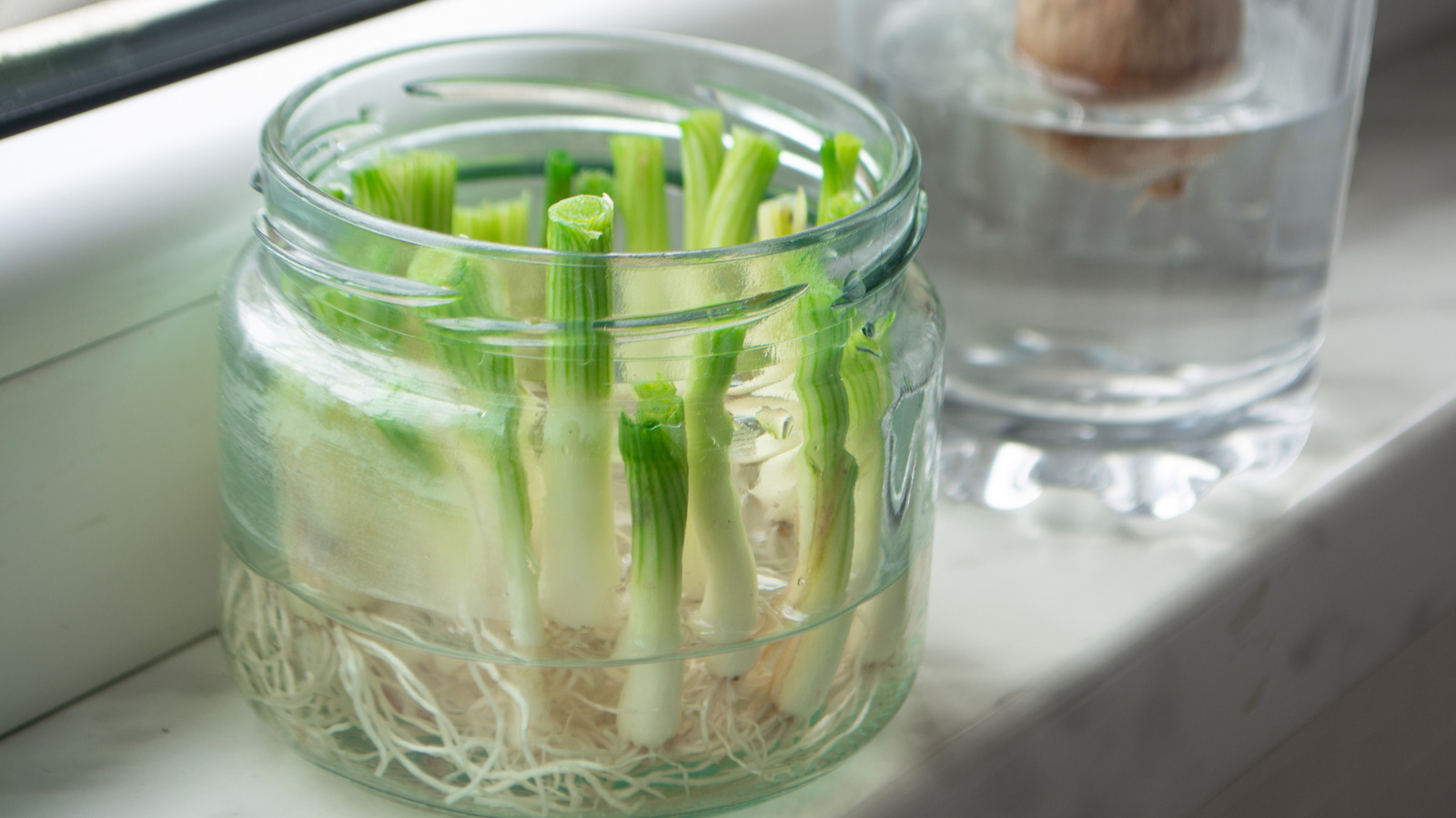
The beauty of the "jam jar" method lies in its simplicity and accessibility. It requires no expensive equipment, no specialized knowledge of horticulture, and no sprawling backyard. The process is a masterclass in the resilience of plant life.
Essential Tools and Preparation
To begin, you will need:
- Clean Glass Jars: Any glass jar—from jam, pickles, or pasta sauce—will suffice. It is imperative to sterilize them with hot, soapy water to prevent bacterial growth.
- The Scraps: Scallions, leeks, fennel, celery, romaine lettuce, and hardy herbs like basil, rosemary, and cilantro are the most successful candidates.
- Water: Filtered water is preferred. While tap water is generally safe, the chlorine levels found in some municipal systems can inhibit delicate root growth.
The Methodology of Regrowth
The science behind this process is surprisingly straightforward. Many vegetables are essentially "programmed" to continue growing if provided with the right conditions.
- The Cut: When preparing your vegetables, save the root end (the bottom inch or two).
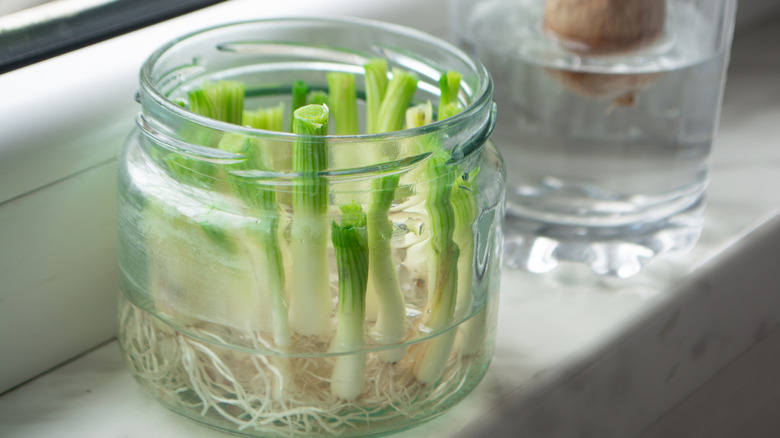
- The Submersion: Place the root end into the jar. Add enough water so that the roots are fully submerged, but ensure the cut surface of the vegetable remains about half an inch above the water line. This prevents the vegetable from rotting.
- The Environment: Place the jars in a location that receives consistent, indirect sunlight. A kitchen windowsill is usually ideal.
- The Maintenance: The water should be changed every two to three days to keep it oxygenated and free of mold-inducing debris. Some enthusiasts experiment with adding a drop or two of diluted liquid fertilizer to provide trace minerals, though this is purely optional.
Supporting Data: Understanding Growth Cycles
It is important for participants to manage their expectations. Regrowing kitchen scraps is a process of observation and gradual yield, not an industrial-scale farm.
- Immediate Gratification (Scallions and Leeks): These are the "power players" of the countertop garden. They often show visible growth within 48 to 72 hours. Once they have sprouted, you can simply trim what you need for a recipe, and the plant will continue to regenerate.
- Long-Term Commitment (Herbs and Leafy Greens): Herbs may take several months to establish a robust root system. Once the roots are two to three inches long, these plants will eventually require a transition to soil to sustain long-term growth. Leafy greens like romaine or cabbage will sprout new growth from the center, providing a supplementary harvest for salads or stir-fries.
Implications of the "Jar-to-Table" Movement
The implications of this movement extend far beyond the small handful of scallions harvested on a Tuesday night.
Economic Implications
For the average household, food inflation has become a significant pressure point. While a bunch of scallions costs only a few dollars, the cumulative effect of regrowing produce throughout the year can result in significant savings. More importantly, it shifts the consumer’s relationship with food from "purchaser" to "producer," fostering a deeper appreciation for the effort required to grow sustenance.
Educational Implications
For families with children, this process serves as a living laboratory. It demonstrates the biological necessity of water and light, teaches patience, and reinforces the value of resources. In an era where food is often sanitized and shrink-wrapped, seeing a plant emerge from a discarded scrap is a profound lesson in sustainability.
Environmental Implications
Every item successfully regrown is one less item that requires packaging, refrigeration, and transportation to your kitchen. While the impact of one jar may seem negligible, the aggregate effect of thousands of households adopting this practice reduces the demand on industrial agriculture—a sector that is a major contributor to global carbon emissions.
Expert Perspectives and Best Practices
Horticultural experts often emphasize that while this method is effective, it is not a "set-it-and-forget-it" system. The most common pitfall is over-submerging the vegetable, which leads to the "mush" factor—an unpleasant state of decay that ruins the water and the plant.
"Consistency is key," says one urban gardening consultant. "The most successful indoor gardeners are those who treat their kitchen jars with the same care as a windowsill houseplant. Change the water, check for rot, and don’t be afraid to compost the plant if it fails. Not every scrap will grow, and that’s perfectly natural."
Furthermore, there is a strong case for using organic produce whenever possible. Because conventional vegetables are often treated with growth inhibitors to prevent them from sprouting in the supermarket, they may be less responsive to home-regrowth methods. Organic scraps generally possess a higher vitality, making them ideal candidates for your kitchen laboratory.
Conclusion: A Small Act with Significant Reach
Repurposing empty jam jars into vessels for regrowth is more than a viral social media trend; it is a quiet, radical act of defiance against a culture of disposability. It asks us to slow down, look closely at our trash, and recognize the potential for life in the remnants of our meals.
While you won’t be sustaining your entire household solely on windowsill-grown romaine and scallions, you are participating in a larger shift. You are learning to minimize waste, maximizing the value of every dollar spent, and reconnecting with the fundamental biological processes that provide us with food. As you watch those first green shoots emerge from a jar that once held strawberry jam, you aren’t just saving a scrap—you are nurturing a more sustainable, conscious future, one kitchen at a time.