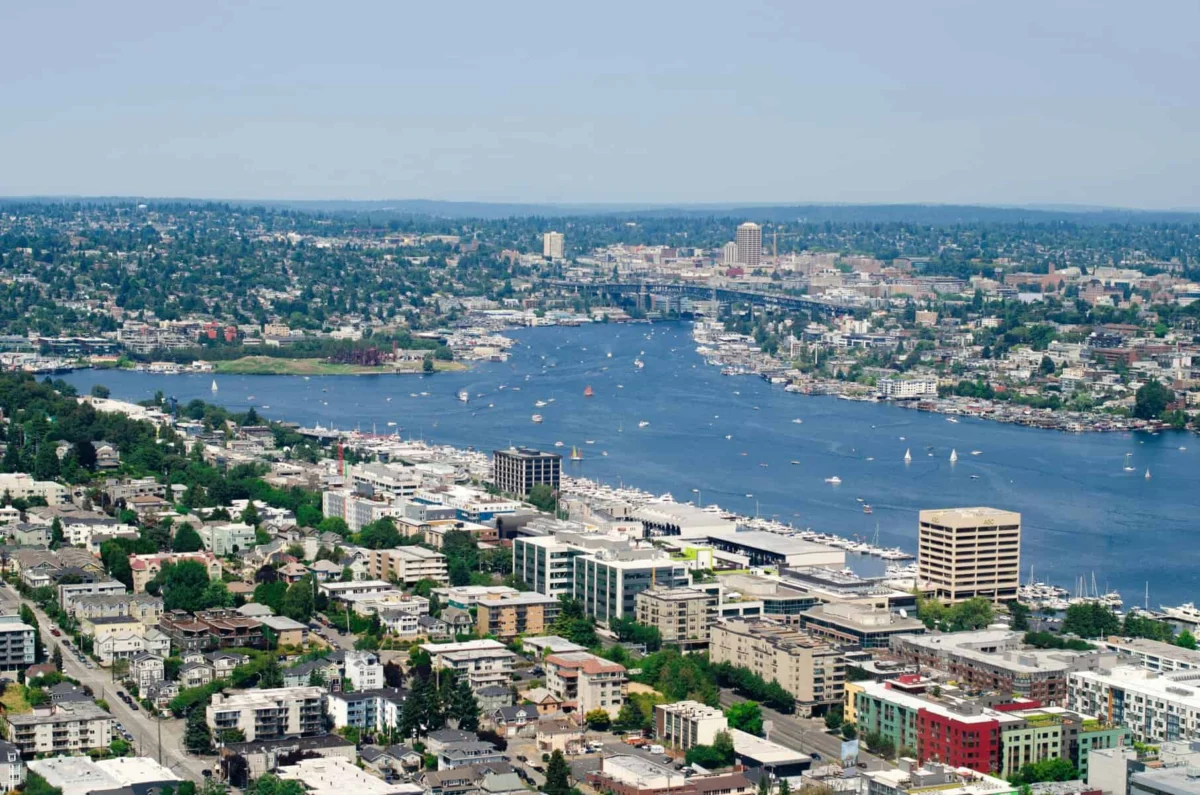
Seattle has long been defined by its juxtaposition of rugged nature and polished urban sophistication. At the heart of this duality sits Capitol Hill—a neighborhood that has evolved from a historic enclave of Gilded Age mansions into the pulsing, electric epicenter of the city’s nightlife, arts, and culinary scenes. It is here that Grammy-winning icon Macklemore has famously chosen to establish his roots, casting a spotlight on a community that is as architecturally significant as it is financially formidable.
But what does it actually mean to live in the orbit of Seattle’s elite? To understand the reality of the Capitol Hill housing market, one must look past the glossy facade of historic architecture and street-level vibrancy. From the realities of jumbo loans to the hidden premiums of maintaining heritage properties, owning a piece of this neighborhood is a commitment that extends far beyond the initial purchase price.
The Main Facts: Defining the Capitol Hill Premium
Capitol Hill is not merely a residential district; it is a highly curated urban ecosystem. For prospective homeowners, the barrier to entry is substantial. While a median-priced home or condo might sit in the $700,000 to $900,000 range, the neighborhood’s ultra-luxury tier—the kind of property that would be comparable to a celebrity estate—carries a valuation reaching into the $6 million stratosphere.
To inhabit a home of this caliber is to accept a complex ledger of expenses. A buyer looking at a $6 million property is not just signing a mortgage deed; they are entering a long-term contract with the city’s tax infrastructure, high-end insurance markets, and the intensive labor costs required to preserve vintage structures.
The high-level financial breakdown for a $6M estate includes:
- Monthly Mortgage: Approximately $31,000–$33,000 (based on 20% down and current jumbo interest rates).
- Annual Property Taxes: Estimated at $48,000–$54,000.
- Annual Insurance: $15,000 to $30,000+ depending on coverage needs.
- Maintenance & Upkeep: Often running 1–2% of the home’s total value annually.
Chronology: The Evolution of a Cultural Landmark
The story of Capitol Hill’s real estate market is one of steady, relentless appreciation. Throughout the early 20th century, the neighborhood was the premier destination for Seattle’s burgeoning merchant class, who built sprawling estates along the ridge.
By the late 1990s and early 2000s, the neighborhood underwent a second transformation. As Seattle emerged as a global tech hub, the demand for walkability and proximity to the downtown core skyrocketed. This shifted the market from a collection of "old money" estates to a diverse, high-density environment where Victorian-era homes sit comfortably beside ultra-modern, high-efficiency condos.
Macklemore’s tenure in the neighborhood coincides with this era of "modernization without displacement." His choice to remain in Capitol Hill reinforces the narrative that, regardless of wealth, the neighborhood’s walkability, cultural density, and historic character remain the ultimate luxuries. Today, the market is defined by scarcity; there is very little land left for new development, meaning the value of existing homes continues to climb as inventory remains constrained by historical preservation efforts and strict zoning.
Supporting Data: The Mechanics of the Market
Understanding the cost of living in this neighborhood requires a deep dive into the underlying economic drivers. We consulted with local real estate experts to peel back the layers of the transaction process.
The Mortgage Landscape
Clint Rogers, a veteran broker at Raintown Realty, notes that many first-time buyers are shocked by the "hidden" costs of urban ownership. "The median home here runs around $790,000, but condos—the realistic entry point for most—often carry HOA dues of $400 to $1,000 a month," Rogers explains. "When you add that to Washington’s property tax rates, a household income of $160,000 is often the floor for comfort. At the $6 million luxury level, the math shifts from affordability to wealth management."
Tax and Insurance Realities
For a property valued at $6 million, the tax burden is substantial. With a King County levy rate of roughly $9.91 per $1,000 of assessed value, homeowners are looking at an annual tax bill that could easily fund a luxury vehicle.
Furthermore, insurance in Seattle is nuanced. While the city is not prone to hurricanes or massive wildfires, the age of the housing stock plays a massive role in premiums. Older homes require specialized coverage to account for legacy wiring, plumbing, and the cost of historical restoration in the event of a loss. As Sarah Skryabnev of Thomas James Homes points out, "Renovation projects in these historic structures can range from tens of thousands to well into six figures because you aren’t just renovating; you are performing surgery on a piece of history."
Official Responses and Expert Insights
The consensus among industry leaders is that Capitol Hill is a "lifestyle investment." Lucas Pinto, a leading expert in the local market, emphasizes that buyers must adopt a holistic view.
"Seattle is an expensive city to own a home in, and the true cost goes well beyond the purchase price," Pinto states. "Property taxes, insurance, utilities, labor, and ongoing maintenance have all become meaningfully more expensive. I tell my clients: do not evaluate affordability based solely on the mortgage. The cost of maintaining, improving, and eventually selling the property must be part of the equation."
This sentiment is echoed by Braden Sherman of RW Anderson Homes, who highlights the technical challenges of the neighborhood’s architecture. "Many of these homes have incredible character, but once you begin opening walls, you often uncover structural issues or outdated systems," Sherman notes. "For a buyer, the purchase price is just the down payment on a long-term stewardship of the property."
The Rent vs. Buy Calculus
The debate between renting and buying in Capitol Hill is particularly acute. For many, the choice is between the flexibility of a $2,100/month apartment rental and the deep-rooted investment of a multimillion-dollar mortgage.
Renting offers access to the neighborhood’s culture without the volatility of the repair market. However, those who choose to buy are betting on the long-term appreciation of a market that has historically been immune to the broader regional downturns seen in suburban outskirts.
Mick Cermack of Century Communities adds, "At the $1 million-plus price point, buyers are looking at the long game. They want to know that their investment delivers more than just a roof. They are buying into the walkability and the cultural density that simply doesn’t exist in newer, sprawling developments."
Implications: The Future of Capitol Hill
What does the future hold for a neighborhood that has become synonymous with both high art and high price tags? The implications are twofold:
- Continued Consolidation of Wealth: As the cost of maintaining heritage homes rises, the neighborhood will likely continue to attract high-net-worth individuals who have the capital to preserve these structures. This could further solidify the neighborhood as an elite enclave, potentially pricing out the very creative class that originally gave it its "electric" reputation.
- The Shift Toward "Modern Heritage": We are seeing a trend where buyers are looking for the aesthetic of the past with the performance of the future. This is driving a secondary market for highly modernized, energy-efficient renovations of classic properties.
Conclusion: The True Cost of Entry
When we look at the total monthly cost of ownership for a $6 million estate in Capitol Hill—factoring in mortgage, taxes, insurance, and the inherent costs of maintaining a premium urban property—the total figure can easily reach $40,000 to $45,000 per month.
Living in Macklemore’s neighborhood is not merely about the square footage or the location. It is about participating in the ongoing narrative of Seattle. It is a premium experience that demands both financial fortitude and an appreciation for the historical weight of the city. For those who can navigate the complex financial currents of Capitol Hill, the reward is a front-row seat to one of the most culturally vibrant, historically significant, and enduringly desirable neighborhoods in the United States.
The entry price is high, but for the residents of the Hill, the value proposition remains unchanged: you aren’t just buying a house; you are buying a stake in the cultural heart of the Pacific Northwest.