The retail landscape is bracing for a massive collision of commerce. As the calendar turns to late June 2026, gamers are finding themselves in a rare position of power. With Amazon’s Prime Day serving as the anchor, a wave of competing sales from retail giants and digital storefronts is set to create the most significant discount window of the year. For those looking to bolster their library, upgrade their hardware, or prepare for the upcoming holiday season, this week represents a critical opportunity to save hundreds of dollars.
Main Facts: The 2026 Sales Landscape
The centerpiece of this retail event is Amazon Prime Day, which runs from Tuesday, June 23, through Friday, June 26. While Amazon’s event is historically the loudest, it is far from the only game in town.
This year, the strategy for consumers should be one of "cross-platform vigilance." Because Amazon’s deals are exclusive to Prime members, the platform requires a subscription—priced at $14.99 monthly, or $7.49 for those eligible for the "Prime Young Adult" tier—to access the deepest discounts. However, the true value for savvy shoppers lies in the "Sales War" occurring simultaneously across competitors like Best Buy, Walmart, and Target.
Key takeaways for the 2026 event include:
- Broad Hardware Discounts: Expect significant price cuts (up to 35%) on major hardware, including Nintendo, Xbox, and Logitech peripherals.
- Audio Equipment Savings: Amazon has teased up to 45% off premium audio brands like Bose, Beats, and JLab.
- The Digital Follow-up: While physical retailers battle for shelf space, the Steam Summer Sale is slated to begin shortly after, on June 25, creating a seamless transition from hardware shopping to software acquisition.
Chronology of the Sales Window
Navigating the week requires a clear roadmap, as different retailers have staggered their start and end dates to capture maximum consumer attention.
June 22: The Kickoff
Best Buy’s "Tech Fest" officially opens, setting the tone for the week. Unlike Amazon, Best Buy offers these deals to the general public, though My Best Buy members will receive additional reward points and exclusive access to specific inventory. Simultaneously, Walmart Deals begins its run, offering similar, non-membership-gated savings.
June 23: Prime Day Begins
At 3:00 a.m. ET, the gates open for Amazon Prime Day. This is when the "Lightning Deals"—time-sensitive, high-velocity discounts—will begin to cycle. Target Circle Deal Days also commence on this day, requiring a free Target Circle account to unlock pricing.
June 25: The Steam Summer Sale
As retail fatigue sets in, the PC gaming community sees its own massive event. The Steam Summer Sale begins, typically lasting for two weeks. This is the optimal time to pick up back-catalog titles that may not have been featured in the hardware-focused physical retail sales.

June 27: The Conclusion
The window closes in the early morning hours (2:59 a.m. ET) as Prime Day concludes, effectively ending the most aggressive period of discounting for the summer.
Supporting Data: Why This Year is Different
The 2026 market is uniquely volatile. Last year, we saw high-profile titles like Dragon Quest 3 HD-2D Remake and Demon’s Souls drop by 50% or more. Industry analysts suggest that publishers are increasingly using these mid-year sales events to clear inventory ahead of the "Summer Game Fest" cycle, which introduces a fresh wave of titles that will dominate the market in the fall.
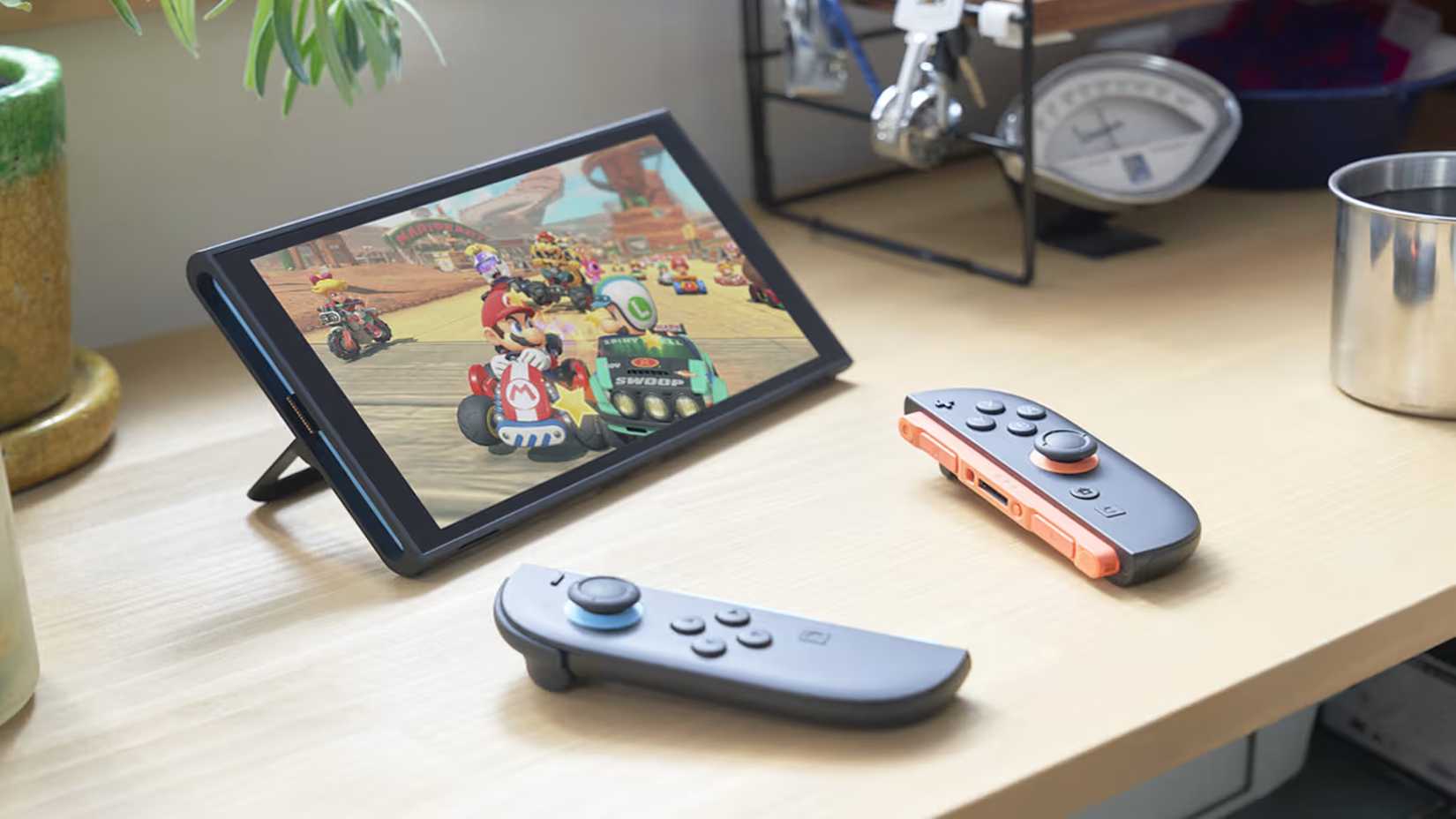
Furthermore, the hardware market is facing a unique inflection point. With Nintendo recently announcing a price hike for the Switch 2—moving from $449.99 to $499.99 effective September 1—the current sales window is the last chance for many consumers to purchase the console at the lower price point. While the consoles themselves are rarely subject to massive price drops, the bundles currently available (including titles like Mario Kart World and Donkey Kong Bananza) offer the best value-to-cost ratio for new adopters.
Official Responses and Strategic Retail Shifts
Retailers are responding to the cost-of-living concerns of their customers by creating membership-tier perks. Walmart, for instance, is leveraging its Walmart+ membership to provide "early access" to its deals, attempting to siphon traffic away from Amazon Prime.

Target has moved toward a "Circle 360" model, which provides a hybrid of physical and digital benefits. The company’s focus is on integrating its loyalty program into the shopping experience, ensuring that even if a shopper is not a "paid" member, they remain within the Target ecosystem through their free Circle account.
Amazon, meanwhile, has doubled down on the "Lightning Deal" format. By limiting the duration of specific discounts, they create a sense of artificial scarcity that drives site traffic. This strategy, while often frustrating for the consumer, remains the most effective tool in their retail arsenal.
Implications for the Modern Gamer
The overarching implication for the gaming community is that the "Summer Sales Window" is no longer just about discounts—it is about resource management.
Budgeting for the Long Term
With the Nintendo Switch 2 price hike looming in September, the current sales period is essentially a "final call" for budget-conscious families. Buying the console now, rather than in the holiday quarter, could result in a $50 saving on the hardware alone, not including the potential for bundled game discounts.
The "Wishlist" Strategy
Experts recommend that gamers curate their wishlists across all platforms (Amazon, Steam, and console storefronts) well in advance of June 23. Because lightning deals move rapidly, having a pre-prepared list allows shoppers to bypass the "browsing" phase and move straight to checkout, which is often the difference between securing an item and watching it sell out.
The Shift Toward Digital
The inclusion of the Steam Summer Sale in this ecosystem highlights a permanent shift in gaming retail. While physical media remains popular for collector’s editions and console games, the massive price drops on Steam signal that retailers are now competing with the convenience of digital delivery. For the average gamer, this means that the "best deal" is no longer just about the lowest price, but also about the format that best fits their playstyle.
Conclusion: How to Win the Sales Week
To maximize your potential savings, follow this three-step methodology:
- Preparation (June 20–22): Organize your wishlist. Decide which hardware items are non-negotiable and which games are "nice-to-haves." Sign up for free accounts for Target and Best Buy to ensure you aren’t locked out of non-Prime deals.
- Execution (June 23–25): Prioritize Amazon for hardware and peripheral "Lightning Deals." Use the midday hours to check Best Buy and Walmart for price matching or competing offers on the same items.
- Completion (June 25–July 9): Once the physical sales conclude, transition your budget toward the Steam Summer Sale to flesh out your digital library.
As the retail industry continues to evolve, these mid-year sales events have become the new "Black Friday." By staying informed and moving strategically, gamers can ensure their libraries are well-stocked and their hardware is up-to-date, all while keeping their wallets intact ahead of the inevitable surge of new releases this autumn.