Main Facts of the Incident
On a busy Friday afternoon marking the beginning of the high-traffic Fourth of July holiday weekend, a recreational boating excursion quickly turned into a life-threatening emergency in the waters of Southwest Florida. A vessel carrying eight passengers, including an infant and a young child, capsized near the Sanibel Causeway, leaving all occupants stranded in the water as their boat rapidly sank.
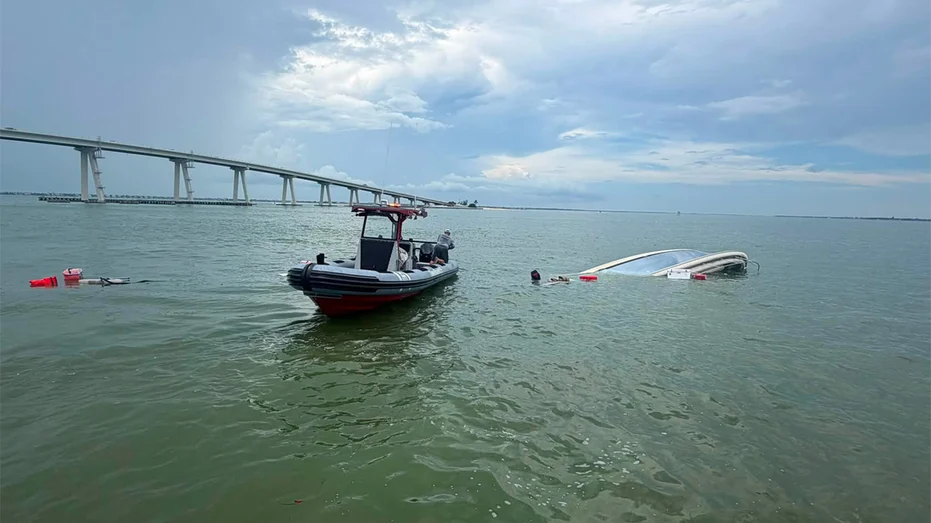
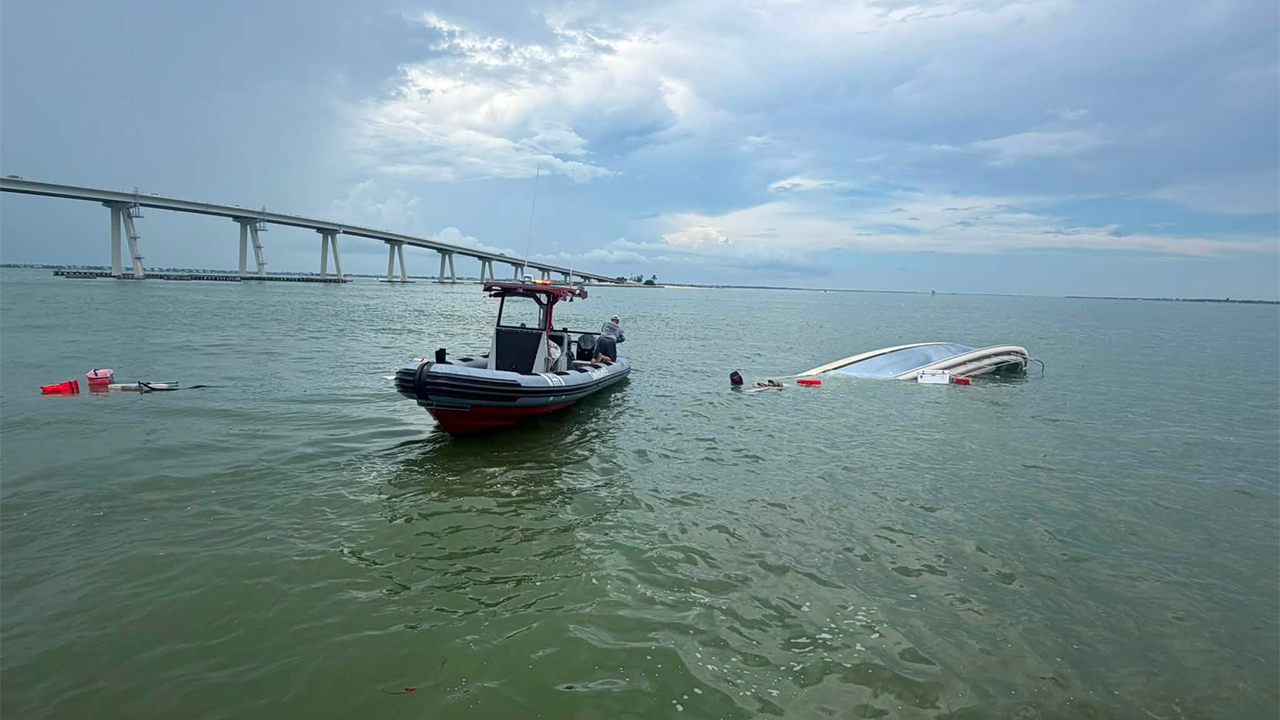
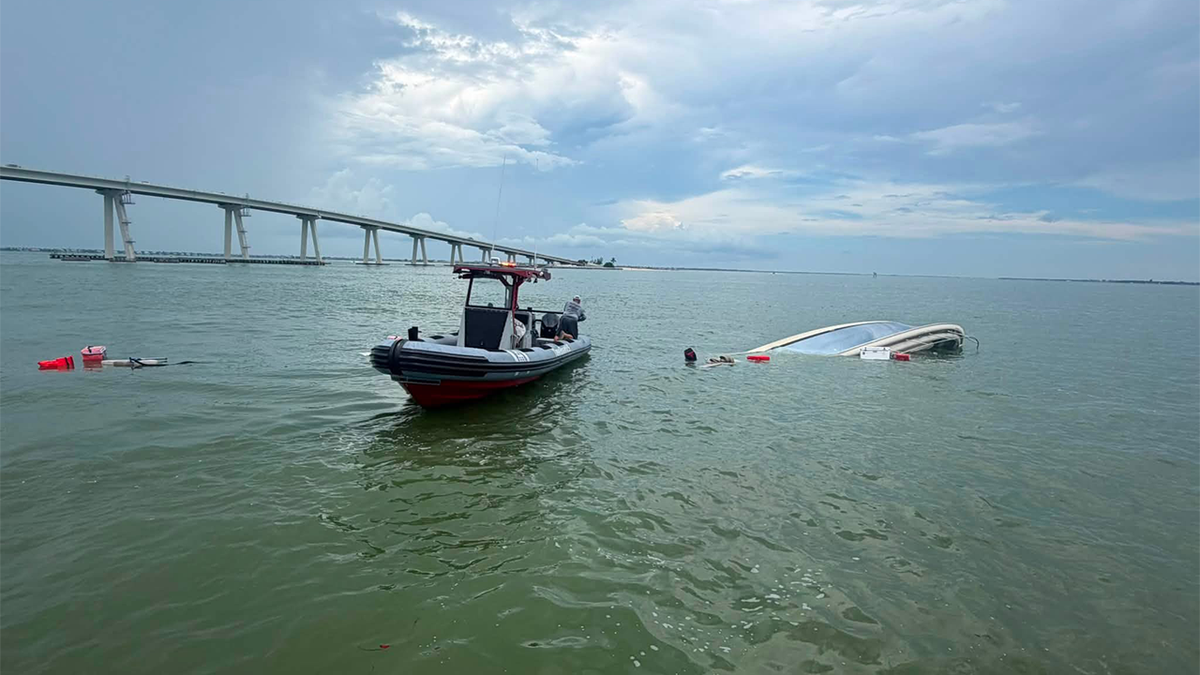
A swift-acting boat crew from U.S. Coast Guard (USCG) Station Fort Myers Beach responded immediately to the distress call. Executing a highly coordinated search and rescue (SAR) operation, the responders arrived at the scene to find the vessel almost completely submerged, with only its bow protruding from the water. Through rapid tactical positioning and teamwork, the Coast Guard crew successfully extracted all eight individuals from the water. No fatalities or major injuries were reported, an outcome that maritime authorities have directly attributed to the relentless training, preparation, and rapid response times of the local Coast Guard station.
The rescue highlight’s the persistent dangers of recreational boating in congested coastal passes, particularly during major national holidays when vessel traffic peaks and environmental conditions can change rapidly.
Chronology of the Rescue Operation
The emergency unfolded during the early afternoon of Friday, amid peak holiday weekend traffic. Below is the chronological sequence of events that led to the successful rescue of the eight passengers.
[Friday Afternoon] Distress Call Received -> [Minutes Later] USCG Station Fort Myers Beach Mobilizes -> [Transit] Navigation to Sanibel Causeway -> [Arrival] Submerged Vessel Located -> [Rescue Phase] Safe Extraction of 8 Victims (Including Infant & Child) -> [Post-Incident] Medical Assessment & TransportThe Initial Distress Call and Mobilization
During the afternoon hours, watchstanders at USCG Station Fort Myers Beach received an urgent report indicating that a recreational boat was taking on water and capsizing near the Sanibel Causeway. The causeway, which spans San Carlos Bay to connect mainland Florida to Sanibel Island, is a known bottleneck for tidal currents and heavy vessel traffic.
Recognizing the extreme vulnerability of the passengers—which included an infant and a child—the station immediately launched a utility response boat. The crew, prepared for high-stakes search and rescue operations, departed the station docks within minutes of the alarm.
Transit and On-Scene Arrival
Navigating through the choppy waters of San Carlos Bay, the Coast Guard coxswain and crew coordinated with local maritime dispatchers to pinpoint the exact coordinates of the capsizing vessel. Upon arriving near the spans of the Sanibel Causeway, the rescue crew observed the recreational boat heavily listing and rapidly slipping beneath the surface.
By the time the USCG vessel drew alongside, the boat was almost entirely underwater, with its hull submerged and only the tip of the bow visible above the waves. The eight passengers were already in the water, clinging to the sinking vessel and floating debris.
The Extraction Process
The rescue crew immediately initiated recovery protocols, prioritizing the most vulnerable victims. Responders carefully maneuvered the rescue boat alongside the victims to prevent the propeller or hull from causing injury in the active chop.
- Securing the Children: Crew members first reached for the infant and the young child, lifting them safely out of the water and onto the deck of the Coast Guard vessel, where they were wrapped in blankets and assessed for immediate trauma.
- Recovering the Adults: With the children secured, the crew systematically hauled the remaining six adults out of the Gulf waters.
- Vessel Assessment: Once all eight survivors were safely on board, the crew conducted a final sweep of the immediate area to ensure no other passengers had drifted away in the strong currents running beneath the causeway.
Post-Rescue Protocol and Transport
With all eight survivors accounted for and secured on the rescue vessel, the crew began the transit back to a safe harbor. During transit, crew members performed secondary medical assessments, monitoring the survivors for signs of hypothermia, shock, or water ingestion. Fortunately, due to the rapid arrival of the USCG crew, all eight individuals were returned to land without life-threatening injuries. Local emergency medical services (EMS) met the rescue vessel at the dock to provide further evaluation and support.
Supporting Data: Boating Safety and Regional Risks
This incident highlights a broader trend of maritime safety challenges in Florida, particularly during holiday weekends. Understanding the underlying statistics and environmental factors provides critical context for why this rescue was so urgent.
Florida’s Boating Accident Statistics
Florida consistently leads the United States in both registered recreational vessels and boating-related accidents. According to annual data compiled by the Florida Fish and Wildlife Conservation Commission (FWC):
- High Density of Vessels: Florida has over one million registered recreational vessels, the highest of any state in the nation.
- Accident Rates: The state frequently records over 700 to 800 reportable boating accidents annually, with capsizing and collision with other vessels ranking as leading accident types.
- Primary Causes: FWC reports indicate that operator inattention, lack of proper lookout, operator inexperience, and excessive speed are the primary contributing factors to recreational boating accidents.
Holiday Weekend Hazards
Holiday weekends such as the Fourth of July, Memorial Day, and Labor Day represent the most hazardous periods of the year on Florida waterways.
| Risk Factor | Holiday Impact | Safety Implication |
|---|---|---|
| Vessel Congestion | Exponential increase in rental boats and out-of-town operators. | Higher risk of wake-induced capsizing and collisions. |
| Environmental Dynamics | Strong tidal currents near bridges and causeways. | Unanchored or underpowered boats can quickly be swept into bridge pilings. |
| Alcohol Consumption | Increased prevalence of Boating Under the Influence (BUI). | Impaired judgment, slower reaction times for operators and passengers. |
| Summer Weather | Rapid development of afternoon convective thunderstorms. | Sudden high winds and chop can easily swamp small, overloaded vessels. |
The Mechanics of Capsizing
Capsizing is one of the most dangerous types of boating accidents because it can occur within seconds, leaving passengers little time to grab life jackets or signaling devices. Common mechanical and operational causes include:
- Overloading: Exceeding the maximum weight capacity of the vessel, which lowers the freeboard (the distance from the waterline to the deck) and makes the boat vulnerable to taking on water.
- Improper Weight Distribution: Concentrating passengers or heavy gear on one side of the vessel, reducing stability.
- Wake Action: Large wakes from passing vessels can easily swamp a smaller boat, especially if it is anchored from the stern or idling in a high-current area like the Sanibel Causeway.
Official Responses and Statements
Following the successful operation, representatives from U.S. Coast Guard Station Fort Myers Beach emphasized that the positive outcome was the direct result of rigorous, continuous training.
In an official statement published on social media, Station Fort Myers Beach shared:
"A successful mission is measured by the lives brought home safely. When seconds matter, preparation, communication, and teamwork make all the difference. We are grateful for the opportunity to serve our community and thankful that this incident ended with everyone returning home safely."
The station also expressed pride in the rescue team, stating:
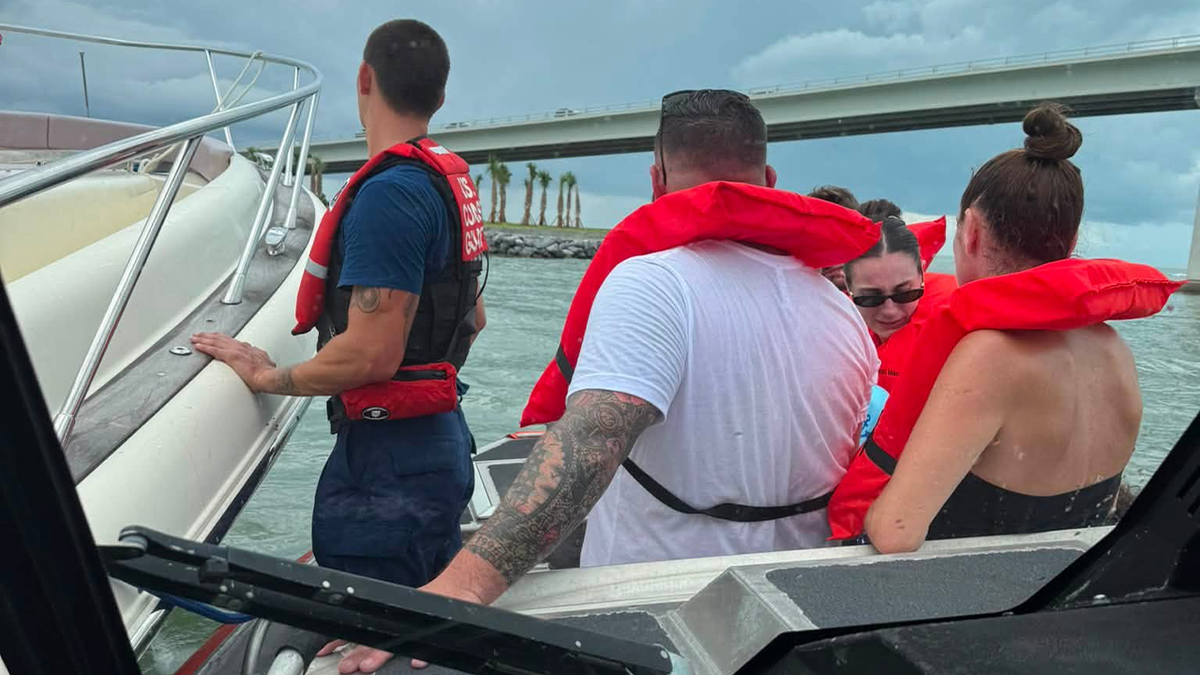
"Our thoughts are with those involved, and we’re proud of every responder who played a role in this successful rescue."
Local maritime safety experts and community leaders praised the crew’s rapid deployment. Observers noted that rescuing eight people simultaneously—especially with an infant and a child in open, moving water—requires exceptional boat handling and crowd management skills to prevent the rescue vessel itself from becoming compromised or losing track of victims in the current.
Implications: Boating Safety Lessons and Structural Challenges
The near-tragedy near the Sanibel Causeway serves as an educational case study for recreational boaters nationwide. It highlights several critical safety measures that can mean the difference between life and death.
The Critical Role of Personal Flotation Devices (PFDs)
The presence of an infant and a young child in this rescue highlights the absolute necessity of proper life jacket usage:
- Florida Law: Under Florida law, children under the age of six must wear a federally approved, properly fitting Type I, II, or III life jacket at all times while on board any vessel under 26 feet in length that is underway.
- Infant-Specific PFDs: Standard life jackets are not safe for infants. Infant-specific life vests feature crotch straps, head-support collars, and grab handles, which keep the infant’s face out of the water and allow rescuers to quickly lift them from the sea.
- Immediate Availability: In a capsizing event, there is rarely time to open storage lockers to retrieve life jackets. Having all passengers wear PFDs proactively is the single most effective way to prevent drowning.
Navigating the Sanibel Causeway Area
The waters surrounding the Sanibel Causeway are notoriously complex. The causeway bridges span San Carlos Bay, where the Caloosahatchee River empties into the Gulf of Mexico.
- Tidal Rips and Currents: The constriction of water flowing beneath the causeway spans creates rapid tidal currents. When these strong currents run against the wind, they can generate steep, closely spaced waves that can easily swamp small bowriders, center consoles, or pontoon boats.
- Post-Hurricane Hazards: Following the devastation of Hurricane Ian in late 2022, the underwater topography and debris patterns around the Sanibel Causeway have shifted. Boaters must navigate with extreme caution, as shoals and submerged hazards may have moved, altering safe channels.
Essential Safety Checklists for Boaters
To prevent capsizing and ensure a rapid rescue if an emergency does occur, maritime safety organizations recommend that all vessel operators adhere to a strict safety protocol before departing the dock:
- Know the Capacity Limits: Never exceed the passenger or weight capacity listed on the boat’s U.S. Coast Guard Capacity Plate.
- File a Float Plan: Always inform a reliable person on land where you are going, who is with you, and when you plan to return.
- Maintain a Working VHF Radio: While cell phones are useful, they can lose reception, suffer water damage, or run out of battery. A marine VHF radio tuned to Channel 16 is the primary tool for contacting the Coast Guard and nearby vessels instantly.
- Monitor Weather Continuously: Southwest Florida is famous for rapid, severe afternoon storms. Operators should regularly check radar applications and NOAA weather radio broadcasts.