As the 2026 NFL season finally arrives, the optimism of a fresh start is tempered by the harsh reality of the physical toll inherent in professional football. While the official Week 1 injury reports appear cleaner than they have in years, several high-profile stars are fighting against the clock to make their season debuts. From the New York Giants’ anxiety surrounding wide receiver Malik Nabers to the Atlanta Falcons navigating a quarterback crisis, the opening weekend serves as a stark reminder that team depth is just as vital as top-tier talent.
The Landscape of Week 1: Key Absences and High-Stakes Decisions
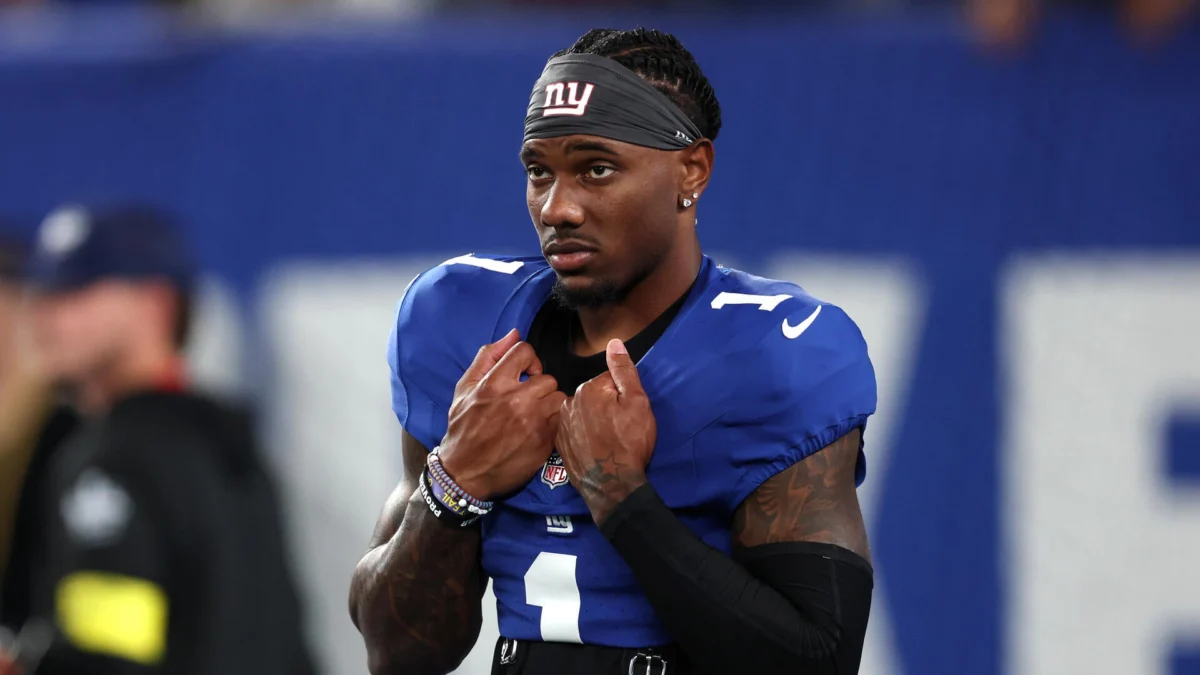
The NFL season’s opening weekend is a marathon, not a sprint, and front offices across the league are exercising extreme caution. In New York, the Giants are sweating the status of superstar Malik Nabers. Despite a full week of practice, Nabers remains questionable for the primetime clash against the Dallas Cowboys. His return from a season-ending ACL injury in 2025 is a long-term project, and Nabers has been vocal about the necessity of protecting his long-term career over the immediate gratification of a Week 1 start.
Conversely, the Carolina Panthers received a massive boost, as running back Jonathon Brooks has been cleared for action. Brooks, who hasn’t taken an NFL snap since December 2024, represents a significant piece of the Panthers’ offensive puzzle. However, not every team is as fortunate. The New Orleans Saints will be without veteran defensive end Cameron Jordan due to a lingering hamstring issue, and the Las Vegas Raiders are set to face the Miami Dolphins without their elite tight end, Brock Bowers, who underwent a meniscus trim procedure just days ago.
Chronology: A Snapshot of Week 1 Injury Status
The following is a breakdown of the injury landscape as teams prepare for their inaugural matchups.
The NFC North and South: Depth Under Scrutiny
In the NFC North, the Chicago Bears are managing a volatile situation with wide receiver Rome Odunze. Odunze, limited throughout the week with a calf injury, is officially questionable. The Green Bay Packers are facing similar concerns, with starters Zach Bako-Bewele and Aaron Banks questionable, forcing the coaching staff to prepare contingency plans for the offensive line.
In the South, the Atlanta Falcons find themselves in a precarious position. With Tua Tagovailoa suffering an oblique injury during Thursday’s practice and Michael Penix Jr. still recovering from his 2025 ACL surgery, veteran Cooper Rush is slated to take the helm. This unexpected shift places immense pressure on a team already dealing with the injury status of pass-rusher Za’Darius Smith.
AFC Powerhouses and Question Marks
The Kansas City Chiefs are breathing a collective sigh of relief as three-time Super Bowl MVP Patrick Mahomes appears set to start. Mahomes, also returning from an ACL tear sustained late last season, practiced fully on Thursday and Friday. While his availability is a massive win for the Chiefs, the team remains cautious about left tackle Josh Simmons and safety Chamarri Conner, who have yet to participate in full team activities this week.
Meanwhile, the Baltimore Ravens are taking a measured approach with Nnamdi Madubuike. The two-time Pro Bowl defensive tackle, returning from a significant neck injury, has been a limited participant. Baltimore has made it clear: they will not rush a foundational piece of their defense back onto the field before he is 100% prepared.
Supporting Data: Why "Questionable" Isn’t Just a Label
The classification of "questionable" has evolved in the NFL. In previous years, it suggested a 50/50 chance of playing. Under current reporting standards, it is a catch-all designation for players who have not been explicitly ruled out but require pre-game warm-ups to determine their viability.

For instance, the Buffalo Bills find themselves with three players in this "gray zone": defensive lineman T.J. Sanders, running back Ty Johnson, and Jordan Hancock. Each player’s trajectory—ranging from limited participation to full-speed testing—highlights the diagnostic nature of modern NFL medical staffs. When a team lists a player like Jacksonville’s LeQuint Allen Jr. (hip) as questionable, they are not merely waiting for the injury to heal; they are monitoring the player’s ability to explode off the line and change direction without compensatory risks.
Official Responses and Player Perspectives
The mental aspect of returning from injury is as significant as the physical rehabilitation. Malik Nabers’ public comments on Thursday underscored the emotional weight of his decision. "I’ve been wanting to play for so long now, but at the end of the day, I can’t put my career at risk," Nabers stated. His sentiment reflects a shift in player empowerment, where athletes are increasingly willing to prioritize longevity over the urgency of the schedule.
This sentiment is echoed by coaching staffs who are under immense pressure to win early but are constrained by the long-term implications of player health. When teams like the Indianapolis Colts list a player such as linebacker Austin Ajiake (hamstring) as questionable, they are effectively acknowledging that a snap-count limitation might be necessary, even if the player is technically active.
Implications for the Season Ahead
The injuries sustained in Week 1 often serve as a harbinger for the rest of the campaign. The teams that survive the opening month with the fewest long-term ailments are historically the ones that find themselves in contention come January.
Strategic Roster Management
Teams like the Houston Texans, who report a perfectly clean injury list, are in a distinct tactical position. A healthy roster in Week 1 allows for the full implementation of a playbook, whereas teams like the Falcons or the Giants must "patch-work" their strategies to accommodate missing starters. The ability to rotate players effectively in the first three weeks often determines which teams can sustain a high level of performance through the mid-season grind.
The "Next Man Up" Philosophy
The reliance on depth is never more evident than in the case of the Browns, who will start rookie Austin Barber in place of the injured Teven Jenkins. While coaching staffs preach the "next man up" mantra, the drop-off in talent can be significant. The first week of the season acts as a trial by fire for these substitutes, and the performance of depth players will be the primary indicator of which organizations have successfully built a sustainable roster.
Conclusion: The Endurance Test Begins
As the kickoff times approach, the focus shifts from the injury report to the gridiron. The statuses of stars like Nabers, Odunze, and Mahomes are not just headlines; they are the defining variables of the opening weekend.
While fans naturally focus on the outcome of the scoreboard, the real story of Week 1 is the endurance test. For the players listed as out or doubtful, the focus shifts immediately to Week 2. For those who take the field, they do so under the watchful eyes of team trainers, mindful that the 2026 season is a long road. In the high-stakes environment of the NFL, the most important win a team can achieve in September is the one that preserves its roster for the challenges that lie ahead in December and beyond.
Quick Reference Summary Table: Notable Injury Designations
| Player | Team | Status | Injury |
|---|---|---|---|
| Malik Nabers | NY Giants | Questionable | Knee |
| Rome Odunze | Chicago Bears | Questionable | Calf |
| Cameron Jordan | New Orleans Saints | OUT | Hamstring |
| Jonathon Brooks | Carolina Panthers | CLEARED | Return from ACL |
| Brock Bowers | Las Vegas Raiders | OUT | Knee (Meniscus) |
| Patrick Mahomes | Kansas City Chiefs | Expected Start | Knee |
| Za’Darius Smith | Atlanta Falcons | Questionable | Shoulder |
| Nnamdi Madubuike | Baltimore Ravens | Limited | Neck |
Note: All statuses are based on the latest available injury reports as of September 11, 2026.