The American legal landscape is currently witnessing a series of seismic shifts across several of its most closely watched and controversial criminal cases. From highly publicized maternal filicide trials in Massachusetts to dramatic plea-bargain reversals in Idaho, and even historical re-evaluations of decades-old cult killings in California, the pursuit of justice has proved to be both volatile and deeply complex.
These cases, which touch on issues of severe mental illness, jury dynamics, systemic sentencing reforms, and the power of newly uncovered evidence, continue to captivate the public while testing the limits of the judicial system. This comprehensive report details the latest developments, legal maneuvers, and systemic implications of these landmark cases.
1. Main Facts: The Current State of Play
Recent developments across several high-profile cases have disrupted expectations, leading to mistrials, soaring bail amounts, and unexpected legal strategies.
The Lindsay Clancy Mistrial and the Sole Holdout
In the highly publicized murder trial of Lindsay Clancy—the Duxbury, Massachusetts mother accused of strangling her three young children in January 2023—proceedings ended in a dramatic 11-1 mistrial. Reports emerged indicating that the lone holdout juror was the only Black person on the jury panel. The split has ignited intense conversations regarding jury dynamics, racial representation in high-stakes trials, and the legal standard for postpartum psychosis defenses. Clancy’s defense attorney, Kevin Reddington, has remained steadfast, preparing for an impending retrial while publicly defending his client against external narratives.

The Corie Walsh Case: Alleged Psychosis and the "Clancy Fixation"
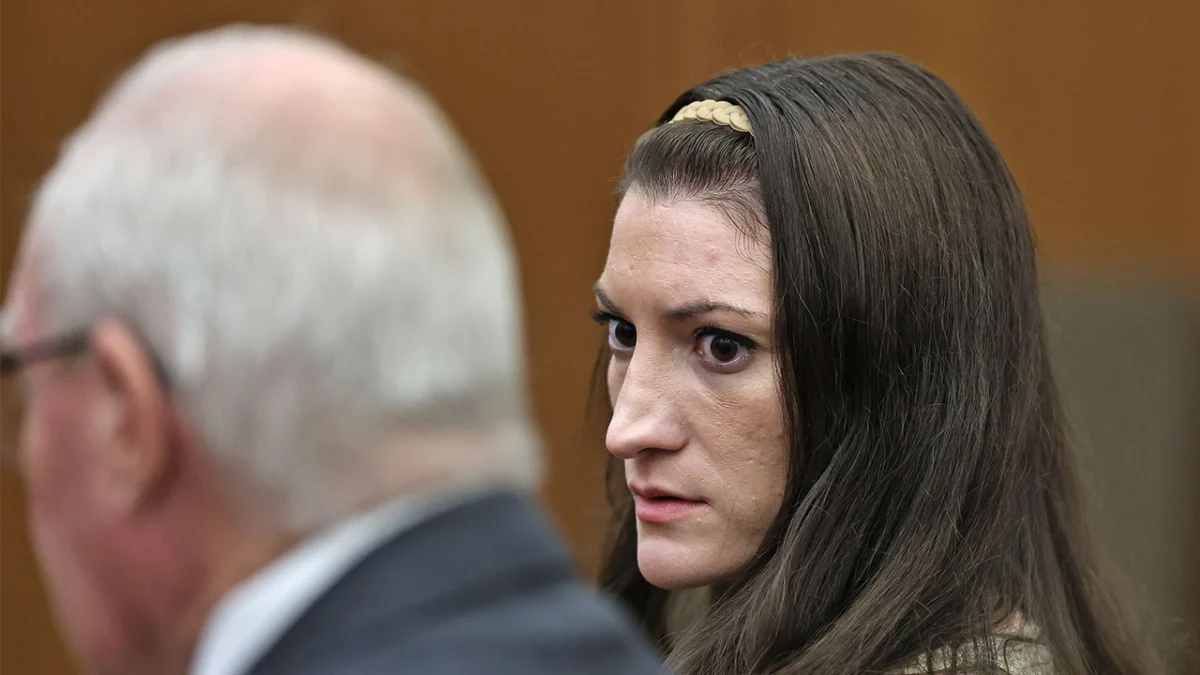
In Will County, Illinois, another mother, Corie Walsh, faces first-degree murder charges in connection with the death of her son. Prosecutors allege that Walsh was deeply fixated on the Lindsay Clancy case, utilizing it as a blueprint to claim psychosis while allegedly plotting to poison her husband. In a high-stakes legal move, Walsh has retained the high-profile defense attorney famous for securing the acquittal of Casey Anthony, signaling an aggressive pushback against the state’s premeditation narrative.
The Wellesley Tragedy: Janette McAusland Seeks Release
Only days after the Clancy mistrial, another Massachusetts mother, Janette McAusland (also known as Janette Reber), appeared before a judge in Wellesley. Accused of killing her children, McAusland’s defense team is actively seeking her release, drawing immediate comparisons to the Clancy proceedings and raising questions about how local courts handle mothers accused of filicide under the influence of severe psychiatric distress.
Barry Morphew’s Bond Skyrockets to $10 Million
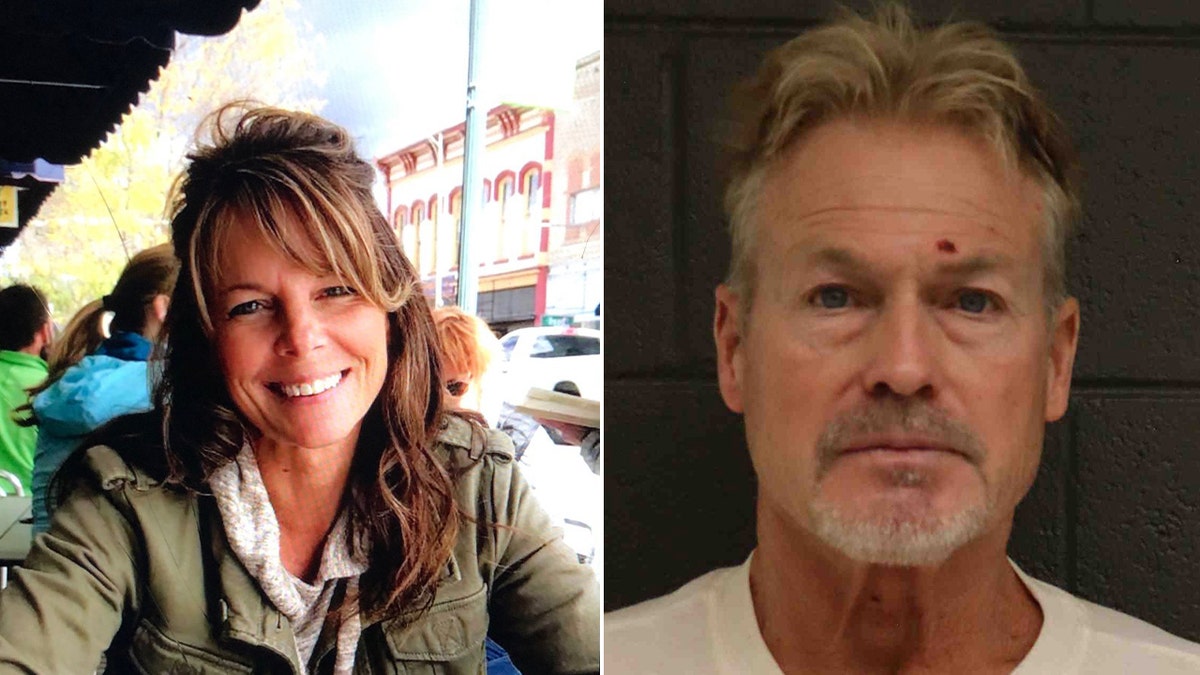
Barry Morphew, previously accused of murdering his missing wife, Suzanne Morphew, is back behind bars in Colorado. Following a separate alleged hit-and-run incident, prosecutors successfully argued for his bond to be increased to a historic $10 million. The dramatic rise in bail highlights the court’s view of Morphew as an extreme flight risk and a danger to the community.
Bryan Kohberger’s High-Stakes Attempt to Undo His Guilty Plea
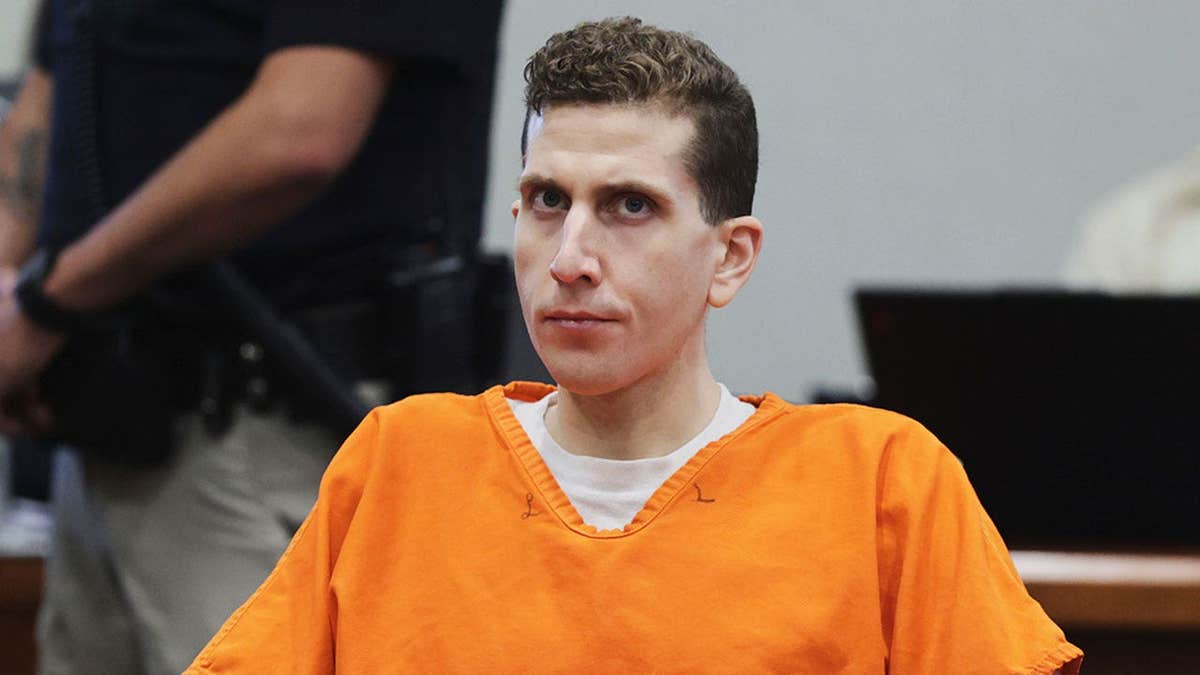
In Boise, Idaho, Bryan Kohberger—who previously pleaded guilty to the brutal 2022 stabbing deaths of four University of Idaho students in exchange for the removal of the death penalty—is attempting a risky legal maneuver. Kohberger has launched a bid to oust the presiding judge and withdraw his guilty plea, set for a critical court reckoning this October.

Accelerated Parole Hearing for the Menendez Brothers
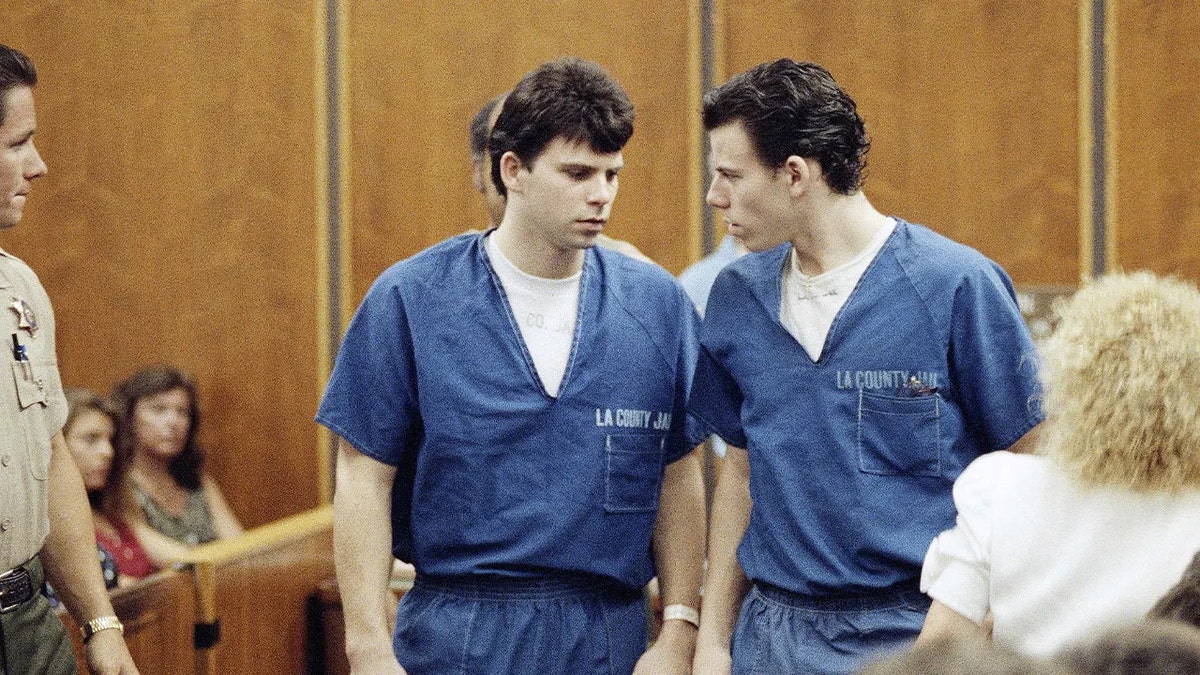
Lyle and Erik Menendez, convicted of the 1989 shotgun murders of their parents in Beverly Hills, have secured an accelerated parole hearing scheduled for 2027. This development, arriving earlier than expected, comes amid shifting public sentiment and the application of California’s "second chance" sentencing laws for youthful offenders.
The Charles Manson Tapes: Dismantling the "Helter Skelter" Myth
Decades after the notorious 1969 Sharon Tate and LaBianca murders, newly recovered audio recordings of Charles Manson suggest that the long-accepted "Helter Skelter" motive—a race war Manson supposedly sought to ignite—may have been a narrative constructed by the prosecution rather than Manson’s actual driving force.
2. Chronology of Key Events
To understand the trajectory of these cases, it is essential to trace their timelines, highlighting how historical decisions have led to these modern-day legal standoffs.
[1969] Tate-LaBianca Murders (Manson Family)
  │
[1989] Menendez Brothers kill parents; convicted in 1996
  │
[2020] Suzanne Morphew disappears in Colorado
  │
[2022] University of Idaho stabbings; Bryan Kohberger arrested
  │
[2023] Lindsay Clancy tragedy in Duxbury, MA
  │
[2025] ── July: Kohberger pleads guilty to avoid death penalty
  │    ── Late 2025: Clancy trial ends in 11-1 mistrial
  │
[2026] ── Walsh arrested in Illinois; McAusland seeks release in MA
       ── Morphew jailed on $10M bond after hit-and-run
       ── Manson tapes released; Menendez parole hearing set for 2027
The Lindsay Clancy Case Timeline
- January 2023: Lindsay Clancy allegedly strangles her three children—Cora, Dawson, and Callan—before jumping from a window of her Duxbury home in a suicide attempt that left her paralyzed.
- Late 2023–2024: Extensive pre-trial hearings focus on Clancy’s mental health, with the defense presenting evidence of severe postpartum depression and psychosis.
- Late 2025: The murder trial commences. After extensive deliberations, the jury reports an irreconcilable 11-1 split, prompting the judge to declare a mistrial.
- Early 2026: Reports surface detailing that the lone holdout was the only Black juror on the panel, and defense counsel prepares for retrial.
The Bryan Kohberger Case Timeline
- November 2022: Four University of Idaho students are found stabbed to death in an off-campus home.
- December 2022: Bryan Kohberger is arrested at his parents’ home in Pennsylvania.
- July 2025: Kohberger enters a surprise guilty plea in exchange for the prosecution sparing him the death penalty.
- Late 2025–Early 2026: Kohberger hires new counsel and files motions to disqualify the judge and rescind his plea, setting up an October showdown.
3. Supporting Data and Legal Maneuvers
Each of these cases hinges on distinct legal doctrines, ranging from jury unanimity and the insanity defense to the mechanics of plea agreements and bond modifications.

Jury Dynamics in the Clancy Mistrial
The 11-1 split in the Clancy trial underscores the immense difficulty of securing unanimous verdicts in cases involving psychiatric defenses. According to statements leaked from the jury room, the lone holdout juror engaged in intense debates with the other 11 panelists. Some jurors reportedly went as far as physically demonstrating the mechanics of the crime to emphasize the duration and physical effort required for strangulation, arguing it proved deliberate premeditation.
The holdout, however, remained unconvinced that Clancy possessed the necessary criminal intent (mens rea) due to her severe psychiatric state. The revelation that this juror was the sole Black panelist has drawn scrutiny toward jury selection processes (voir dire) in Plymouth County, Massachusetts.
The Defense Strategy of Corie Walsh
In Illinois, Corie Walsh’s defense team faces the uphill battle of overcoming digital forensics. Prosecutors claim her search history and personal communications reveal an intense interest in the Clancy case, which they argue she attempted to mimic to escape culpability for her child’s death.
By hiring Casey Anthony’s former attorney, Walsh’s defense is expected to rely on highly specialized forensic psychological evaluations to prove that her mental health crisis was genuine and not a calculated legal strategy.

The $10 Million Morphew Bond
In criminal law, bond amounts are determined by a defendant’s risk of flight and danger to the community. Barry Morphew’s previous murder charges were dismissed without prejudice in 2022, but the discovery of Suzanne Morphew’s remains in late 2023 kept him under intense federal and state surveillance.
His subsequent involvement in an alleged hit-and-run incident provided prosecutors with the leverage needed to argue that he violated the conditions of his freedom, resulting in the extraordinary $10 million bail requirement.
4. Official Responses and Legal Perspectives
The legal representatives and prosecutors involved in these cases have issued sharp public statements, reflecting the high stakes of these proceedings.
Defense Attorney Kevin Reddington on the Clancy Retrial
Kevin Reddington has fiercely defended his post-mistrial strategy, dismissing public theories regarding the family dynamic and focusing entirely on the medical evidence. Addressing rumors and conspiracy theories targeting Lindsay’s ex-husband, Patrick Clancy, Reddington stated:
"The conspiracy theories circulating online are not only baseless, but they are also deeply cruel to a family that has already suffered unimaginable tragedy. Our focus remains entirely on Lindsay’s medical reality. This was a tragedy born of severe medical neglect and postpartum psychosis, not malice. We are fully prepared to present this case to a new jury."
The Idaho Prosecution on Kohberger’s Plea Challenge
Prosecutors in Latah County have expressed strong opposition to Kohberger’s attempt to undo his guilty plea. Legal analysts suggest that the state will argue Kohberger’s plea was entered knowingly, voluntarily, and intelligently, making a reversal highly unlikely under Idaho law.
"A plea deal is a binding contract," noted former federal prosecutor Donna Rotunno. "To walk into court months later and claim you want to undo it because you changed your mind is a monumental hurdle that judges rarely accommodate."
5. Systemic Implications for the Justice System
The convergence of these high-profile cases highlights several broader shifts occurring within the American legal system.
Postpartum Psychosis as a Legal Defense
The Clancy, Walsh, and McAusland cases collectively put a national spotlight on how the law defines and penalizes maternal filicide. While postpartum psychosis is recognized medically, its acceptance as a complete defense in a court of law remains highly controversial.
The division in the Clancy jury suggests that while some jurors view the condition as entirely incapacitating, others still demand traditional standards of criminal accountability, particularly when young children are the victims.
The Shifting Landscape of Criminal Sentences
The Menendez brothers’ accelerated parole hearing reflects a broader legislative trend toward criminal justice reform, particularly regarding long-term sentences handed down in the late 1980s and 1990s.
Under newer California statutes, courts are required to give significant weight to the age of the offender at the time of the crime and their subsequent rehabilitation, signaling a move away from the "tough on crime" sentencing models of the past.
Historical Revisionism and the Power of Media
Finally, the emergence of new Charles Manson tapes demonstrates how modern investigative journalism and newly discovered archival material can challenge historical narratives.
If the "Helter Skelter" motive was indeed an oversimplification or a narrative construct of the prosecution, it raises profound questions about how the legal system and the public digest, archive, and ultimately remember the nation’s most notorious crimes.