Washington D.C. – A monumental shift in how federal grants are awarded, potentially impacting over $1 trillion in annual funding, has ignited a firestorm of opposition across the United States. A proposed rule from the Office of Management and Budget (OMB) seeks to centralize the grant approval process, transferring significant authority from independent peer review panels to political appointees and aligning funding decisions more closely with presidential policy priorities. This radical departure from established grantmaking practices has triggered an unprecedented public backlash, threats of litigation, and deep concerns about the future of scientific research, state and local government initiatives, and the integrity of federal funding.
The contentious proposal, which concluded its 45-day public comment period on July 13, generated nearly half a million responses, an overwhelming majority of which expressed vehement opposition. Advocacy groups, research institutions, state and local governments, and even some voices from across the political spectrum are mobilizing for a protracted battle, warning that the rule could politicize critical funding streams, stifle innovation, and undermine the foundational principles of merit-based grant allocation.
A Sweeping Overhaul of Federal Grantmaking Ignites Widespread Opposition
At the heart of the controversy is a proposed regulation designed to replace OMB’s long-standing “uniform guidance” with a new set of rules applicable across dozens of federal agencies. This overhaul aims to codify executive orders issued last year by President Donald Trump, which sought to prevent federal funds from furthering "woke" causes and to establish a new "gold standard" for government-backed scientific research. The implications of these changes are profound, touching every facet of federal grantmaking from basic scientific inquiry to community development programs.
The Proposed Rule: A Shift Towards Political Control
The core tenet of the proposed rule is a significant reorientation of the grant approval hierarchy. It mandates that senior political appointees within agencies must grant final approval for competitive grants, a departure that critics argue dramatically deemphasizes the traditional role of independent peer review. Historically, peer review by experts in relevant fields has been the cornerstone of federal grant allocation, ensuring that funding is directed towards the most meritorious, scientifically sound, and impactful proposals, free from political influence.
Furthermore, the rule dictates that agencies must ensure funding proposals align not only with the law and agency priorities but also with the "national interest" and, crucially, "advance the president’s policy priorities." This explicit linkage of grant awards to the sitting administration’s political agenda is a major point of contention, raising fears that research and projects deemed politically unpalatable could be denied funding regardless of their scientific or societal merit.
Beyond the approval process, the proposed regulations introduce several other far-reaching changes. They would make it easier for agencies to cancel funding for projects already underway, potentially disrupting long-term research initiatives and vital community programs. The rule also explicitly bars the use of funds for "woke" causes, a term broadly interpreted by proponents to include initiatives related to diversity, equity, and inclusion (DEI), gender ideology programs, and the transition of minors from one sex to another. Additionally, it seeks to prevent grant recipients from collaborating with "adversarial nations" such as China, a measure that could impact international research partnerships.
The Unprecedented Public Outcry
The Office of Management and Budget’s call for public comment on the rule elicited an extraordinary volume of responses. Nearly half a million individuals and organizations submitted their views, a figure that underscores the widespread concern and engagement with the proposed changes. While OMB is still in the process of reviewing and publishing these comments, early analyses suggest an overwhelming rejection of the rule.
Tech Policy Press, a nonprofit organization, utilized artificial intelligence to analyze a sample of 51,000 comments that had been publicly posted. Their findings indicated that a staggering 94 percent of these comments were in opposition to the proposed rule, with only 6 percent expressing support. This data paints a clear picture of a policy proposal that has largely failed to garner public consensus and has instead galvanized a broad coalition of opponents. The sheer volume and consistency of the opposition highlight a deep-seated apprehension about the potential ramifications of politicizing federal funding mechanisms.
Legal Battles Loom as Advocacy Groups Prepare
The specter of litigation hangs heavily over the proposed rule. Advocacy groups and legal experts are already laying the groundwork for potential court challenges should OMB proceed with its implementation. Stand Up for Science, a prominent nonprofit advocacy group that spearheaded much of the organized opposition during the comment period, has unequivocally stated its intentions. "We are prepping with our partners for the legal battles to fight OMB in the federal court system," the group declared, also vowing to "double down on the pressure it will take to get this Congress to stand up and stop the OMB rule from being implemented."
The legal challenges are expected to focus on fundamental questions of statutory authority and administrative overreach. The law firm Arnold & Porter, in an analysis released last month, highlighted significant doubts about OMB’s legal standing to impose such sweeping, binding regulations. "It is not obvious that OMB has the requisite statutory authority to impose binding regulations — rather than guidance — governing federal grantmaking, or at least not statutory authority covering all of the sweeping new procedural and substantive mandates the proposed rule would impose," the firm wrote. This legal vulnerability could form the cornerstone of future lawsuits, arguing that OMB has exceeded its statutory mandate in attempting to reshape federal grant policy so dramatically.
A Timeline of Controversy: From Executive Order to Impending Litigation
The journey of this controversial rule began long before the public comment period, rooted in a broader political agenda to reshape government operations.
The Genesis: Executive Orders and Policy Alignment
The proposed rule is not an isolated initiative but rather a regulatory fleshing out of executive orders issued by President Donald Trump last year. These orders signaled a clear intent to reorient federal funding towards priorities aligned with the administration’s conservative agenda, particularly by targeting what it termed "woke" ideologies and promoting a "gold standard" for scientific research that presumably adheres to specific ideological frameworks. The executive branch’s desire to exert more direct control over grant allocations reflects a broader political strategy to ensure that federal resources align with the president’s vision, moving away from what some conservatives view as politically motivated or ideologically skewed research and programs.
The Public Comment Period: A Deluge of Dissent
The 45-day public comment period, which commenced and concluded on July 13, became a critical flashpoint for the debate. Designed to gather feedback from stakeholders and the public, it instead became a platform for widespread condemnation. The sheer volume of comments—nearly half a million—underscores the depth of concern within the scientific community, academic institutions, non-profit sectors, and state and local governments. This period was characterized by a concerted effort from advocacy groups like Stand Up for Science to educate the public and encourage participation, highlighting the potential adverse effects on everything from medical breakthroughs to community support services. The rapid mobilization of such diverse groups illustrates the perceived existential threat posed by the proposed changes to the existing framework of federal funding.
The Road Ahead: October Deadline and Legal Precedents
With the comment period now closed, the ball is firmly in OMB’s court. The next crucial step is for the Office of Management and Budget to meticulously review the voluminous comments received. Following this review, OMB is tasked with publishing a final version of the rule by October 1. This deadline is particularly significant as it aims to have the new regulations in place in time for the fiscal year 2027 grant approval season, setting the stage for an immediate and transformative impact on federal funding.
However, the path to implementation is fraught with challenges. The clear signals from opponents, including the threats of litigation, suggest that the October 1 deadline may mark not an end, but a beginning of a new phase of conflict. Legal challenges are likely to follow swiftly, potentially seeking injunctions to prevent the rule’s enforcement. The outcome of these legal battles could hinge on complex interpretations of administrative law, the scope of executive authority, and historical precedents regarding federal grantmaking. The courts will be tasked with determining whether OMB has the legal authority to enact such sweeping changes or if it has overstepped its bounds, potentially setting significant precedents for future administrations seeking to reshape federal policy through regulatory means.
Diving Deeper: The Contentious Provisions and Their Far-Reaching Impact
The proposed rule’s intricate details reveal a series of provisions that, individually and collectively, could fundamentally alter the landscape of federal funding.
De-emphasizing Peer Review: A Scientific Reckoning?
One of the most vociferously contested aspects of the rule is its explicit intention to deemphasize the role of peer review in favor of approval by senior political appointees. For decades, peer review has been the gold standard in scientific funding, ensuring that grant applications are evaluated by independent experts for their scientific merit, feasibility, and potential impact. Critics argue that replacing or significantly diluting this process with politically appointed oversight opens the door to subjective decision-making, ideological bias, and the potential for cronyism. This shift could deter top researchers from applying for federal grants, fearing that their work will be judged not on its scientific rigor but on its alignment with transient political agendas. The long-term consequences could include a decline in groundbreaking research, a chilling effect on controversial but vital studies, and a loss of global scientific leadership for the United States.
"Woke" Causes and National Interest: Defining the Red Lines
The rule’s mandate that funding proposals be consistent with the "national interest" and "advance the president’s policy priorities," alongside the explicit bar on funding "woke" causes, introduces a highly subjective and politically charged filtering mechanism. The term "woke" itself lacks a clear, universally accepted definition, leading to concerns about arbitrary application and ideological censorship. Proponents of the rule, largely from conservative circles, interpret "woke" to encompass initiatives related to diversity, equity, and inclusion (DEI), gender ideology programs, and medical transitions for minors. They argue that taxpayer money should not be used to support what they view as divisive or ideologically driven programs.
However, opponents counter that many DEI initiatives are crucial for fostering equitable access and opportunities, particularly in STEM fields, and that broad prohibitions could disproportionately affect marginalized communities and essential social science research. The ambiguity of these terms could lead to self-censorship among researchers and organizations, as they might shy away from projects that could be perceived as "woke" to avoid jeopardizing funding. This provision risks stifling critical research in areas such as public health disparities, social justice, and human rights, which are often at the forefront of societal change.
Mid-Project Cancellations: A Threat to Long-Term Research
The provision allowing agencies to cancel funding after a project is underway has drawn particular alarm, especially from the biomedical research community. Russ Paulsen, president and CEO of Research!America, an advocate for biomedical research, highlighted the profound human cost of such a provision. He emphasized the injustice to patients participating in clinical trials who "have put in volunteer hours and at some point taken on risk, probably to themselves, and who would then be told, ‘Thank you for your service, but we’re going to stop this experiment because there’s somebody new who’s interpreting administration priorities.’"
Such mid-project cancellations could have devastating effects, not only on the progress of scientific discovery but also on the trust between researchers and the communities they serve. Clinical trials, in particular, often span years and involve vulnerable populations. Halting them abruptly due to shifting political priorities could compromise patient safety, waste invaluable research efforts, and erode public confidence in the stability and integrity of federally funded projects. This uncertainty could also deter researchers from embarking on ambitious, long-term projects, thereby hindering breakthroughs in critical areas like disease treatment and prevention.
The Financial Stakes: Trillions in Funding at Risk
The sheer scale of federal grant funding underscores the immense impact of these proposed changes. The rule primarily targets "discretionary" or competitive grants, which currently average about $200 billion annually. These grants are typically awarded based on merit and specific project proposals, making them highly susceptible to the new political approval process.
However, the rule’s potential reach extends even further, possibly affecting a significant portion of the $900 billion annually allocated through "formula and block grants" to state and local governments. This broader impact stems from a provision that would allow agencies to change the "terms and conditions" of grants even after work has commenced. This means that even established, long-term programs reliant on federal block grants could face sudden alterations or cancellations based on evolving political directives, creating immense instability for state and local planning and service delivery. The cumulative financial impact, potentially affecting up to $1 trillion or more in annual grant funding, signals a massive redistribution and reorientation of federal resources, with widespread ripple effects across all sectors of society.
Statutory Authority: A Legal Minefield
The legal challenge regarding OMB’s statutory authority to impose such binding regulations is a critical aspect of the ongoing debate. The law firm Arnold & Porter’s analysis suggests that OMB might be overstepping its legislative mandate. Traditionally, OMB’s role has been to provide "uniform guidance" to agencies, not to dictate substantive policy through binding regulations that could fundamentally alter the grantmaking process. If courts find that OMB lacks the necessary statutory authority, the rule could be invalidated, forcing the administration to seek legislative changes through Congress—a much more arduous and transparent process. This legal hurdle highlights the fundamental tension between executive branch prerogative and legislative authority in shaping federal policy.
Divided Responses: Advocates, Legislators, and Experts Weigh In
The proposed rule has created a stark divide, drawing sharp criticism from a broad coalition of opponents while garnering support from certain conservative factions.
Voices of Opposition: From Capitol Hill to Research Labs
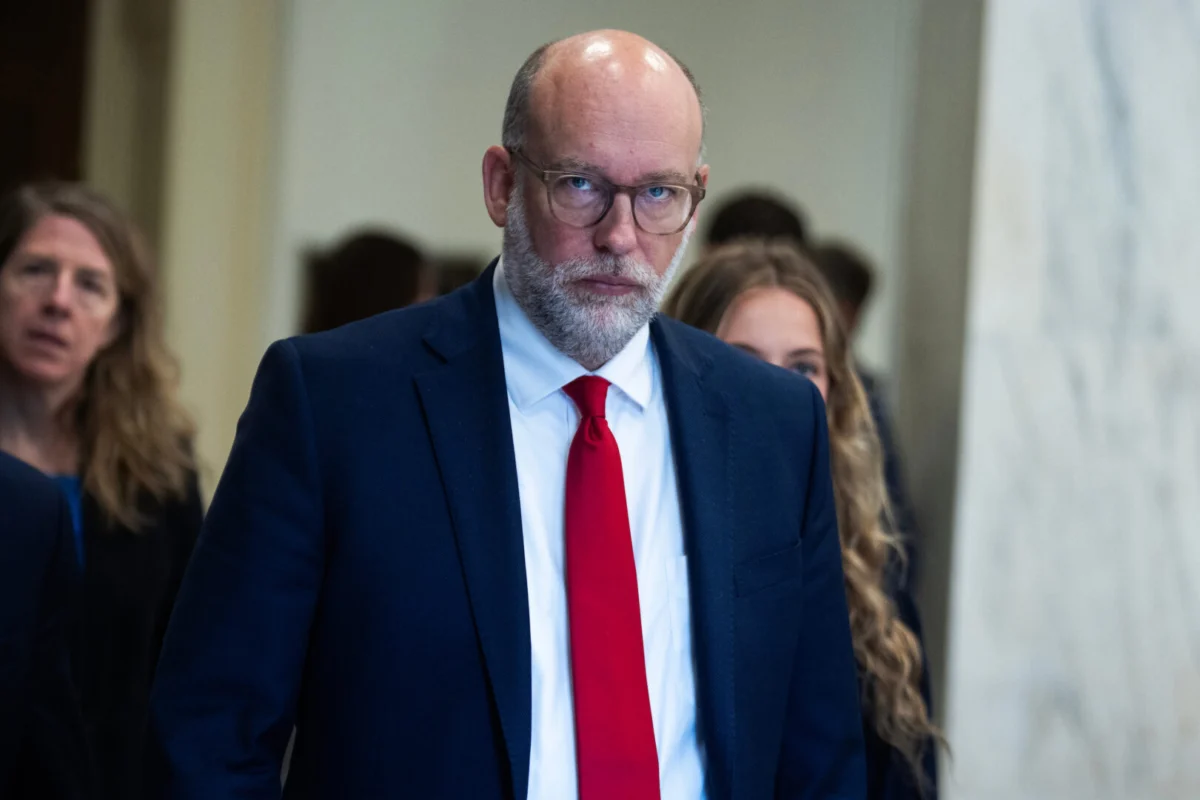
Opposition to the rule is notably broad and bipartisan, though predominantly voiced by Democrats. House and Senate Democrats have been vociferous in their criticism, with Senate Democrats charging in a letter to OMB Director Russ Vought that the rule "unlawfully seeks to substitute Congress’s role in directing federal spending with the president’s preferred priorities, and in doing so, makes it harder for every community and organization… to fairly access federal funding." This highlights a fundamental concern about the separation of powers and congressional prerogative in allocating federal resources.
Even within Republican ranks, some prominent figures have expressed reservations. Senator Susan Collins (R-Maine), the chair of the Senate Appropriations Committee, wrote to Vought, requesting an extension of the comment period for at least 90 days. She warned that the rule would "impose new, burdensome requirements on award recipients that would harm small and rural communities, undermine scientific and biomedical research, and conflict with Congress’s control over the federal funding process." Her concerns underscore the potential practical and far-reaching consequences of the rule beyond ideological lines.
Beyond Washington, the academic and scientific communities have been particularly vocal. Organizations representing grant recipients—including state and local governments, nonprofit organizations, and medical and scientific researchers—have mobilized extensively against the proposal, urging its withdrawal or significant modification. George Mason University economist Alex Tabarrok, a self-described free-market conservative, lambasted the proposal in a blog post, stating, "Political review of every award, peer review demoted, agency review promoted, termination whenever ‘priorities’ change. Chilling." He added, "It’s a nightmare of petty low-trust review of the kind that is already drowning science." This criticism from a conservative perspective further emphasizes the non-partisan concerns about bureaucratic overreach and the potential for stifling innovation.
Conservative Support: Reforming the Grant Landscape
While opposition is widespread, the rule has garnered support from some conservative groups and thinkers who view it as a necessary reform. These proponents generally welcome the regulations as a means to curb what they perceive as ideological excesses in federal funding. They particularly applaud the provisions that bar funding for "diversity, equity and inclusion" initiatives, "gender ideology" programs, and the transition of minors.
Jonathan Butcher, a senior research fellow at the Heritage Foundation, expressed his support for an overhaul of the grant award process. He stated, "I think the peer review process is deeply in need of reform, and I think that steps to improve it and make it consistent with the priorities of the administration… are valid." This perspective often argues that the current peer review system has become susceptible to groupthink or progressive biases, and that presidential oversight is necessary to ensure alignment with broader national values and priorities, as interpreted by the administration.
OMB’s Stance: Transparency, Accountability, and Equality
In response to the deluge of criticism, OMB has defended its proposed revisions by asserting that they would improve transparency, accountability, and oversight of grant awards. Director Russ Vought, during a House Financial Services Appropriations Subcommittee hearing last month, declined to extend the comment period, though he acknowledged that reviewing the vast number of public comments "is going to take us some time."
OMB’s official justification for the rule also states that it aims "to ensure that basic American principles of equality and equal opportunity are upheld throughout all stages of the award making process and that unlawful discrimination is no longer permitted." This framing suggests that the rule is intended to correct perceived biases or discriminatory practices within the existing grant system, although critics contend that the proposed remedies introduce new forms of bias and discrimination based on political alignment. The agency’s position frames the changes as a necessary corrective to ensure fairness and adherence to fundamental American values, albeit through a highly centralized and politically influenced process.
The Broader Implications: Reshaping Science, Governance, and Public Trust
The proposed OMB rule is more than just an administrative tweak; it represents a potential paradigm shift with profound implications for the future of science, the balance of power in governance, and public trust in federal institutions.
Erosion of Scientific Independence and Meritocracy
The most immediate and concerning implication for many is the potential erosion of scientific independence and the meritocratic principles that have long underpinned federal research funding. By shifting approval authority to political appointees and explicitly linking grants to presidential policy priorities, the rule risks politicizing scientific inquiry. Researchers might feel compelled to tailor their proposals to fit current political narratives, shying away from groundbreaking but potentially controversial research. This could lead to a "chilling effect," where intellectual curiosity is suppressed in favor of politically safe projects, ultimately hindering innovation and the pursuit of objective truth. The long-term consequence could be a decline in the quality and relevance of American science on the global stage.
Congressional Authority and the Separation of Powers
The rule also raises significant questions about the separation of powers and the role of Congress in directing federal spending. As Senate Democrats highlighted, the executive branch’s attempt to unilaterally redefine grantmaking priorities could be seen as an overreach, circumventing Congress’s constitutional authority to appropriate funds and set policy. If an administration can effectively redirect funding streams and dictate the terms of grants without direct legislative input, it could set a dangerous precedent, diminishing the legislative branch’s oversight capabilities and empowering the executive branch with unprecedented control over vast sums of public money. This could lead to increased partisan gridlock as Congress attempts to reassert its authority through appropriations bills or other legislative means.
The Future of Federal-State-Nonprofit Partnerships
Federal grants are the lifeblood for countless state and local government programs, as well as thousands of nonprofit organizations that deliver essential services, from healthcare to education to environmental protection. The uncertainty introduced by the rule – particularly the provision allowing mid-project cancellations and the potential for political vetting – could severely destabilize these crucial partnerships. State and local governments rely on predictable federal funding to plan budgets and implement long-term initiatives. Nonprofits, often operating on thin margins, cannot afford the risk of suddenly losing funding due to shifting political winds. This instability could lead to a reduction in critical services, a breakdown in trust between federal and local entities, and increased financial strain on communities already grappling with limited resources.
A Precedent for Future Administrations?
Perhaps one of the most significant long-term implications is the precedent this rule could set for future administrations, regardless of their political stripe. If the current administration successfully implements such a sweeping overhaul, it could embolden subsequent presidents to similarly leverage federal grantmaking as a tool for ideological enforcement. This could lead to a cyclical pattern of policy whiplash, where federal funding priorities dramatically shift with each new administration, creating an environment of perpetual uncertainty and inefficiency. The institutionalization of political control over grants could fundamentally alter the nature of federal governance, moving away from a merit-based, expert-driven approach to one heavily influenced by partisan agendas.
Conclusion: Awaiting the Final Chapter in a Contentious Policy Battle
As the October 1 deadline for the final rule approaches, the nation stands at a critical juncture regarding the future of federal grantmaking. The overwhelming public opposition, the warnings from legal experts, and the deep concerns voiced by a diverse array of stakeholders underscore the gravity of the proposed changes. The Office of Management and Budget faces the daunting task of reviewing nearly half a million comments and deciding whether to proceed with a rule that promises to be one of the most consequential administrative actions in recent memory.
Should OMB press forward, the stage is set for an intense legal and political battle. Advocacy groups are prepared to challenge the rule in federal courts, and opponents in Congress will continue their efforts to block its implementation through legislative means. The outcome of this contentious policy battle will not only determine how federal funds are allocated for years to come but will also profoundly shape the landscape of scientific research, government-community partnerships, and the very balance of power within the American political system. The stakes are undeniably high, and the reverberations of this decision will be felt across every corner of the nation.