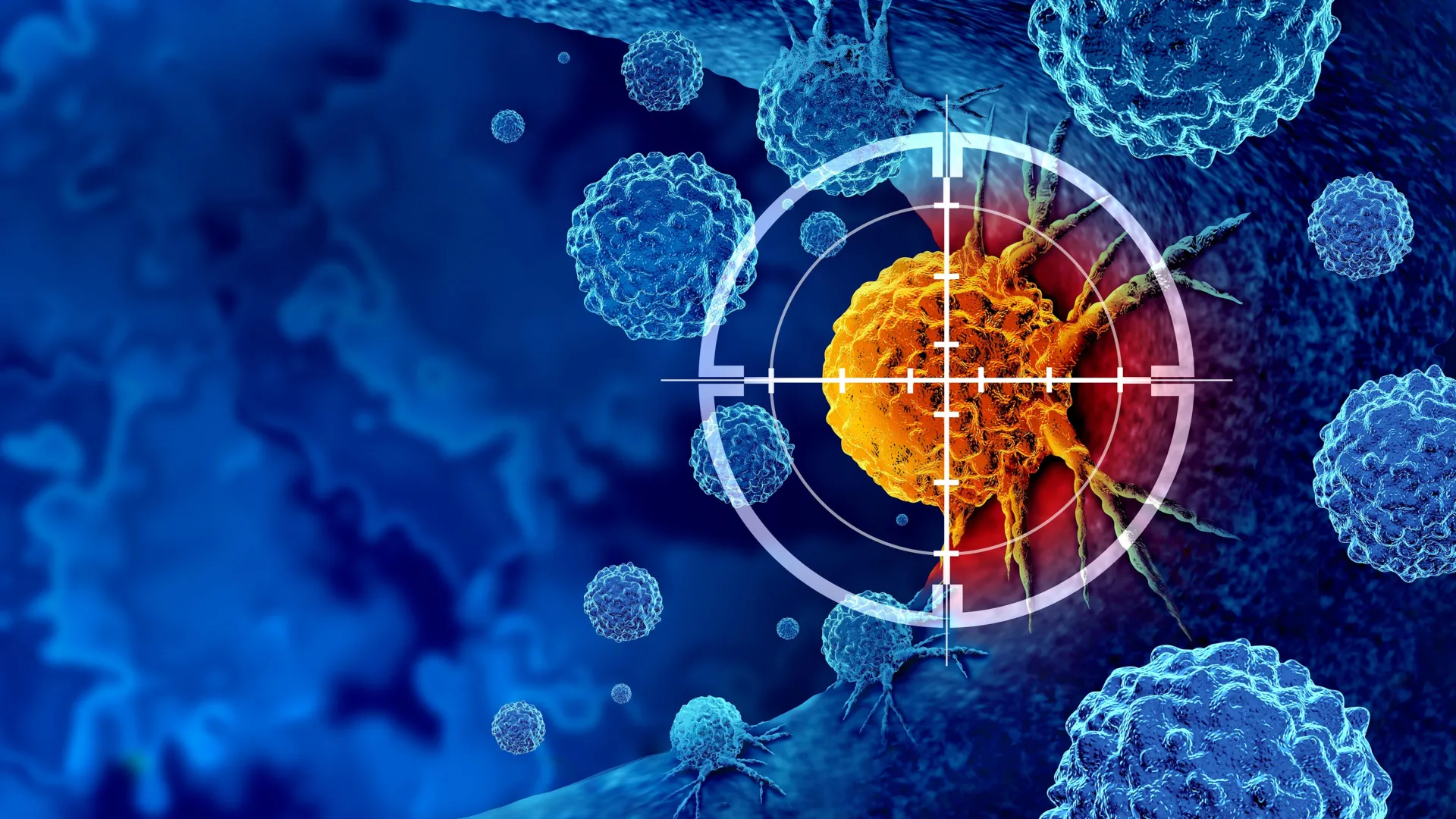
In a significant breakthrough that could reshape the clinical landscape for some of the most formidable malignancies, researchers at the University of California, Los Angeles (UCLA) have identified a "hidden dependency" within small cell neuroendocrine cancers. This discovery provides a potential roadmap for targeting tumors that have remained stubbornly resistant to conventional therapies for over half a century.
The study, published in the Proceedings of the National Academy of Sciences (PNAS), highlights a specific biological weakness created by the loss of a tumor-suppressor gene. By exploiting this vulnerability, researchers believe they have opened a new pathway toward developing life-saving treatments for patients with aggressive cancers of the lung, prostate, and ovary.
The Persistent Challenge of Small Cell Cancers
Small cell neuroendocrine cancers are characterized by their rapid growth and early metastatic behavior. Whether manifesting in the lung, prostate, or ovary, these tumors present a daunting challenge for oncologists. Historically, these cancers are noted for their initial response to chemotherapy, followed almost invariably by a swift and aggressive recurrence that renders subsequent treatments largely ineffective.
At the core of this pathology is the loss of the RB (Retinoblastoma) gene. In a healthy cell, the RB gene acts as a biological "brake," strictly regulating the cell cycle and ensuring that cells divide only when necessary. When this gene is deleted or inactivated, that regulatory mechanism fails, allowing cancer cells to proliferate uncontrollably. Until now, the loss of RB was viewed primarily as a catalyst for growth, but the UCLA team has reimagined it as a targetable "Achilles’ heel."
Chronology of the Discovery: A Decade of Innovation
The path to this discovery was not linear; it was the result of over a decade of meticulous model-building and high-throughput genetic screening.
Building the Foundation (2014–2020)
For years, the progress of research into neuroendocrine prostate cancer—a particularly lethal form of the disease—was hindered by the lack of reliable laboratory models. Traditional cell lines often failed to capture the complex, multifaceted nature of human tumors. Dr. Owen N. Witte and his team at the UCLA Health Jonsson Comprehensive Cancer Center embarked on a long-term project to bridge this gap. They successfully engineered normal human prostate cells, introducing five major oncogenic genetic alterations, including the loss of both RB and TP53. These engineered cells were then grown into organoids—three-dimensional structures that mimic the architecture of actual human organs—and implanted into mice. This created a robust, human-like model that allowed researchers to study the cancer’s behavior in a controlled, living environment.
The CRISPR Breakthrough (2021–2023)
With these advanced models, the team employed genome-wide CRISPR/Cas9 screens. This technology allowed them to systematically "knock out" thousands of genes one by one to see which were essential for the cancer cells to survive. Of the approximately 20,000 genes in the human genome, the team identified 1,400 that were vital to the persistence of these aggressive cells.
Identifying the Target (2024)
The data revealed a recurring pattern: regardless of the organ of origin, small cell cancers that lacked RB demonstrated a near-total dependence on the protein E2F3. The researchers observed that while the cells could tolerate the loss of RB, the concurrent loss of E2F3 resulted in "synthetic lethality"—a state where the cancer cell can no longer maintain its biological functions and undergoes cell death.
Supporting Data: The Mechanism of Synthetic Lethality
The concept of "synthetic lethality" is a powerful tool in modern oncology. It describes a situation where the loss of either gene individually is survivable, but the loss of both simultaneously is lethal to the cell.
In the UCLA experiments, when the researchers depleted E2F3 levels in RB-deficient cancer cells, the results were dramatic. The tumor cells stopped dividing, lost their ability to form clusters (a hallmark of tumor progression), and in many instances, died entirely.
The team’s investigation into why this happens revealed that E2F3 and RB are part of an intricate dance involving cell cycle regulation. While they perform different functions, their combined activity is essential for the cell’s survival. When RB is missing, the cell becomes hyper-reliant on E2F3 to navigate the cell cycle. By removing E2F3, the researchers effectively "pull the rug out" from under the cancer cell, causing its internal machinery to collapse.
Official Responses and Expert Perspectives
The implications of this study are profound, particularly for senior author Dr. Owen N. Witte, whose perspective spans five decades of medical history.
"When I first encountered these tumors as a medical student more than 50 years ago, the survival statistics were essentially the same as they are today," Dr. Witte noted. "Discovering a vulnerability like this opens the door to thinking about entirely new treatment strategies. That’s especially important because there has not been a major change in how we treat these cancers for decades."
Dr. Evan Abt, the study’s first author and an assistant professor of Molecular and Medical Pharmacology at the David Geffen School of Medicine at UCLA, emphasized the utility of the model systems developed by the team. "These new model systems allowed us to uncover a genetic vulnerability that would have been very difficult to find otherwise," he stated.
The research team, which included a diverse group of experts from the UCLA Broad Stem Cell Research Center and the Parker Institute of Cancer Immunotherapy, has provided a roadmap for future drug development. The collaborative nature of the study underscores the necessity of interdisciplinary research in solving the "unsolvable" problems of oncology.
Implications: A Fast-Track to Clinical Application?
Perhaps the most exciting aspect of the UCLA findings is the potential for a "shortcut" to clinical therapy. Because there are currently no drugs designed to target E2F3 directly, the team searched for indirect ways to inhibit the pathway.
Their search led them to an enzyme called DHODH, which is involved in the metabolic process of producing DNA building blocks. They discovered that inhibiting DHODH effectively lowers E2F3 levels, thereby slowing tumor growth.
Repurposing FDA-Approved Medications
This discovery holds immediate clinical promise because DHODH inhibitors—most notably leflunomide and teriflunomide—are already approved by the U.S. Food and Drug Administration (FDA) for the treatment of autoimmune diseases like rheumatoid arthritis and multiple sclerosis.
The ability to repurpose existing, well-understood medications could drastically shorten the time required for clinical trials. Instead of starting from scratch with a novel drug that requires years of toxicity testing, researchers can potentially move into clinical trials focusing on patient outcomes with these existing compounds.
"What’s exciting is that our findings open the door to applying existing drugs in a new way," Dr. Abt explained. "By understanding how these cancers depend on E2F3, we can start to think about strategies that might work much more quickly in patients."
Conclusion: The Road Ahead
While the research is currently in its early stages, the identification of E2F3 as a critical vulnerability represents a paradigm shift. For patients grappling with aggressive, treatment-resistant neuroendocrine cancers, this discovery offers a beacon of hope where there was previously little progress.
The next steps for the research team will involve refining the dosage and delivery mechanisms for DHODH inhibitors in cancer models and preparing for potential human trials. As the scientific community continues to dissect the complex genetic architecture of these tumors, the UCLA study serves as a masterclass in how modern genetic screening and organoid technology can unlock secrets that have eluded medicine for half a century.
If these findings translate successfully from the laboratory bench to the bedside, they could provide a much-needed lifeline for patients who have exhausted all other therapeutic options, proving that even the most aggressive cancers have hidden weaknesses waiting to be exploited.