By Investigative Desk
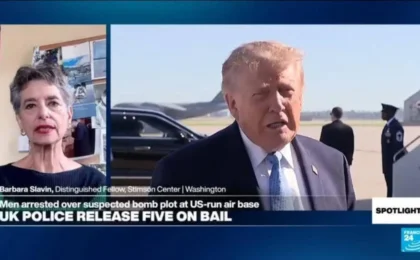
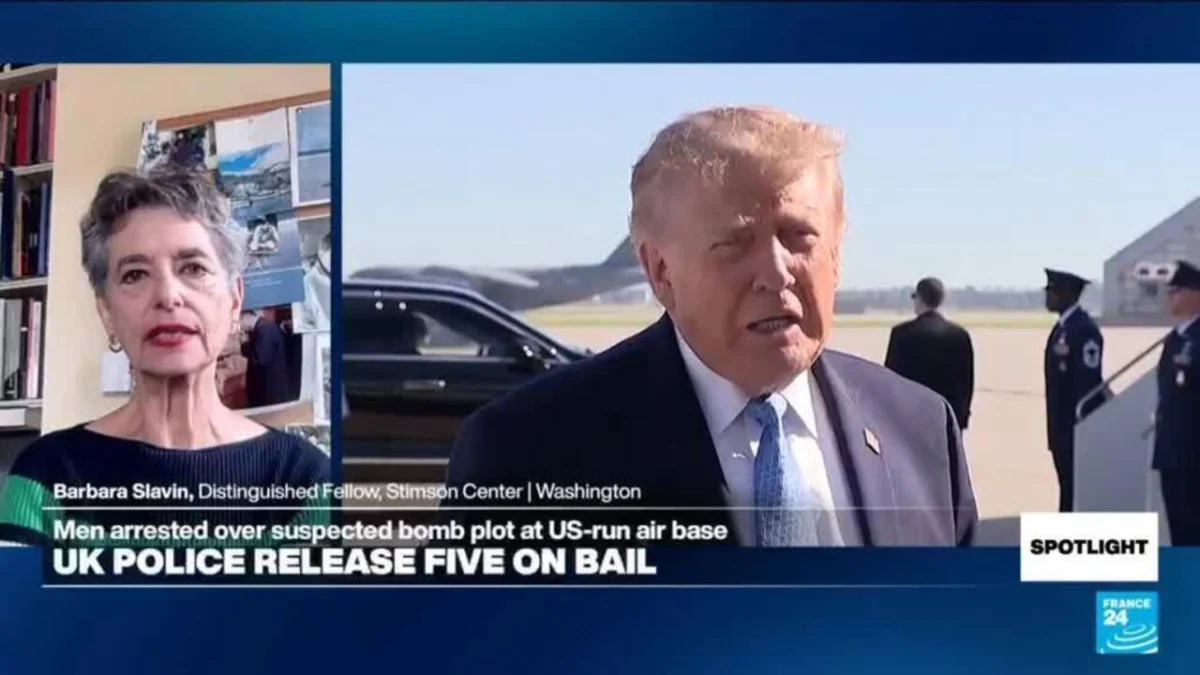
In a recent appearance on France 24, host François Picard hosted Barbara Slavin, a Distinguished Fellow at the Stimson Center and a veteran observer of Middle Eastern geopolitics. The conversation centered on the intensifying friction between the United States and Iran, a conflict that Slavin characterized as a "dangerous combination of military escalation, diplomatic ambiguity, and political calculation."
As the world watches the Strait of Hormuz with bated breath, the underlying reality is one of institutionalized inertia. Slavin’s assessment suggests that while the veneer of communication exists, the substance of diplomacy remains hollow.
Main Facts: The "Kabuki" Diplomacy Trap
At the heart of the current crisis is what Slavin aptly describes as "kabuki diplomacy." This term, borrowed from the stylized Japanese theater, implies a performance where the movements are rehearsed, the roles are rigid, and the outcome is predetermined by the script rather than the actual interaction.
Washington and Tehran are engaged in indirect contacts—primarily mediated by Qatar—but these exchanges remain fundamentally limited. According to Slavin, these backchannel communications are too fragile to facilitate a genuine breakthrough. Instead, both sides are participating in a performance of engagement while simultaneously positioning themselves to avoid any appearance of compromise. This "half-engagement" serves a domestic audience, allowing both the White House and the Iranian leadership to claim they are seeking solutions while maintaining the aggressive postures that their respective political bases demand.
Chronology: A Trajectory of Escalation
To understand the current impasse, one must look at the timeline of the recent deterioration in relations:
- The Breakdown of the JCPOA: Following the 2018 withdrawal from the Joint Comprehensive Plan of Action (JCPOA), the "maximum pressure" campaign initiated by the U.S. began a cycle of economic strangulation and Iranian retaliatory brinkmanship.
- The Houthi Surge: Throughout the last two years, the Houthi movement in Yemen, backed by Iranian logistical support, has evolved from a local insurgent group into a regional power-projection tool, threatening maritime security.
- The Maritime Crisis: The Strait of Hormuz has become a focal point of kinetic friction. Seizures of tankers and harassment of commercial vessels have forced global insurance premiums to skyrocket.
- The Qatar-Mediated Backchannels: Recent months have seen the emergence of tentative, indirect talks facilitated by Doha. While these have prevented a full-scale regional war, they have failed to address the root causes of the nuclear or regional security disputes.
Supporting Data: Economic and Strategic Implications
The ripple effects of this standoff are no longer confined to the Persian Gulf. They are global in scope and systemic in their impact on the international order.
Energy Market Volatility
The Strait of Hormuz is the world’s most important oil chokepoint. Approximately 21 million barrels of oil per day—the equivalent of about 21% of global petroleum liquids consumption—pass through this narrow passage. Any hint of a closure or a sustained increase in naval harassment causes immediate spikes in Brent Crude prices. For energy-importing nations, the cost of the U.S.-Iran conflict is measured in inflationary pressures and disrupted supply chains.
The Regionalization of the Conflict
Saudi Arabia, once the primary target of Iranian regional ambition, has been drawn deeper into the fray. The conflict has forced Riyadh to recalibrate its security architecture, leading to a precarious balancing act between its historical security partnership with the U.S. and its necessary, if wary, rapprochement with Tehran. The presence of Iranian proxies, particularly the Houthis, continues to turn the Red Sea and the Gulf of Aden into secondary theaters of war, stretching international naval resources to the breaking point.
Official Responses: The Political Calculus
The reason for the diplomatic gridlock is rooted in the domestic political incentives of both nations.
Washington’s Perspective
For the U.S. political establishment—particularly under a Trump-aligned framework—the political cost of appearing "weak" or "yielding" to Iranian demands is viewed as prohibitive. The U.S. strategy remains one of containment, relying on the assumption that sustained economic pressure will eventually force Iran to the table on Washington’s terms. However, as Slavin notes, this ignores the reality of how the Iranian regime processes pressure; rather than folding, they have shown a historic capacity to endure economic isolation while doubling down on asymmetric warfare.
Tehran’s Perspective
Iran views the U.S. strategy as an existential threat. For the leadership in Tehran, compromise is often equated with regime collapse. Consequently, they view the economic pressure as a long-term siege they must outlast. By maintaining a state of "managed escalation," they believe they can wait for shifts in the U.S. electoral cycle or the exhaustion of the American public’s appetite for Middle Eastern interventions.
Implications: The Search for a Way Out
As Slavin projects, the coming months will likely remain characterized by elusive diplomacy. The central question for global security is whether either side can find a "face-saving" exit from brinkmanship without compromising their core ideological and strategic stances.
The Danger of Miscalculation
The primary risk in "kabuki diplomacy" is the potential for a catastrophic miscalculation. When two militaries are in constant proximity, conducting frequent exercises and posturing, the margin for error is razor-thin. A stray missile, an accidental sinking of a commercial vessel, or a misinterpreted drone flight could escalate the situation beyond the control of the diplomats in Doha or the leaders in Washington and Tehran.
The Need for Sustained Engagement
Slavin offers a glimmer of optimism, noting that the mere existence of contact—no matter how tenuous—is a significant development. However, she warns that these exchanges must be transformed. Currently, they serve only to "manage" threats; they do not "end" the war.
To move forward, the international community requires:
- A De-escalation Roadmap: A clear set of small, verifiable steps that allow for the easing of sanctions in exchange for concrete, verifiable limitations on proxy activities.
- Regional Inclusion: Bringing regional stakeholders, including Saudi Arabia and the UAE, into a broader security dialogue to lower the regional temperature.
- Institutionalizing Backchannels: Moving from intermittent, crisis-driven contact to a more structured, permanent communication channel that can handle routine disputes before they balloon into crises.
Conclusion
The standoff between the United States and Iran remains one of the most volatile elements of contemporary international relations. As Barbara Slavin highlighted, the current path is defined by a lack of political courage on both sides. Washington and Tehran are caught in a cycle where domestic optics are prioritized over national security and regional stability.
Until the actors involved decide that the cost of continued brinkmanship outweighs the domestic political gains of appearing uncompromising, the world will likely remain in this state of "fragile suspension." The challenge for the international community is to foster a diplomatic environment that rewards de-escalation rather than fueling the cycle of confrontation. Without a shift from theatrical diplomacy to substantive negotiation, the risk of a regional conflagration will continue to loom over the global economy and the lives of millions across the Middle East.