
The Evolution of the Digital Nomad: How Coliving Spaces Like Outsite Are Redefining Remote Work

For the modern digital nomad, the promise of “working from anywhere” often collides with the harsh reality of the road. The romanticized image of a laptop on a beach chair quickly fades when faced with the practical demands of professional life: erratic Wi-Fi, the isolation of a foreign city, and the ergonomic nightmare of hunching over a cramped hostel desk.
As remote work transitions from a pandemic-era necessity to a permanent professional fixture, a new housing model has emerged to bridge the gap between productivity and community. Leading this charge is Outsite, a global network of coliving and coworking spaces designed specifically for the location-independent workforce. By merging the amenities of a boutique hotel with the social infrastructure of a modern workspace, Outsite is attempting to solve the biggest challenge of the nomad lifestyle: how to be productive without being lonely.
The Core Concept: What is Outsite?
Founded in 2015, Outsite began as a niche experiment in Santa Cruz, California, targeting surfers who needed to balance their passion for the waves with their professional obligations. Over the last decade, it has evolved into a sophisticated ecosystem with over 50 locations worldwide and a community of 5,000 active members.
At its core, Outsite operates as a hybrid hospitality model. It is not a hostel, nor is it a traditional co-working office. Instead, it offers a curated living environment where every bedroom is private, and every house is equipped with high-speed, enterprise-grade internet and dedicated, ergonomic workspaces. The mission is simple: to provide a “plug-and-play” lifestyle for entrepreneurs, creatives, and remote employees who want to travel without sacrificing their career trajectory.
Chronology of the Remote Revolution
The shift toward coliving was accelerated by the global health crisis of 2020. Before the pandemic, remote work was often a secondary choice for freelancers. Today, it is a primary lifestyle for millions.
- 2015: Outsite launches its first property in Santa Cruz, establishing the blueprint for the “surf-and-work” model.
- 2018-2019: The platform begins aggressive expansion into major hubs, recognizing that nomads aren’t just looking for adventure—they are looking for connectivity.
- 2020-2022: As corporations adopt "work-from-anywhere" policies, Outsite sees an influx of corporate professionals who were previously tied to offices in major metropolitan areas.
- 2023-Present: The focus shifts toward community curation. It is no longer just about the desk; it is about the "Community Manager" role—a staff member tasked with fostering social cohesion through events, local integration, and professional networking.
Supporting Data and The "Membership" Model
While the platform is open to the general public, it is structured to reward long-term commitment. Outsite utilizes a membership tier system that incentivizes frequent travelers. For a $199 annual fee (or a $499 lifetime buy-in), members gain access to:
- Exclusive rates on all bookings (often saving hundreds of dollars over the course of a year).
- Priority access to high-demand properties.
- A dedicated digital dashboard for booking, job boards, and member-to-member communication.
- 50% off "flash sales" and 40% off extended stays.
Data from the platform suggests that the average user is not a college-aged backpacker. Instead, the demographic skews toward working professionals in their late 20s, 30s, and 40s. These users are often highly specialized, requiring stable environments to attend Zoom meetings and meet deadlines. When compared to the cost of an Airbnb—which lacks a dedicated office setup—and a separate monthly subscription to a third-party coworking space, the Outsite model often proves to be the more cost-effective and time-efficient choice.
The Professional Experience: Inside a Property
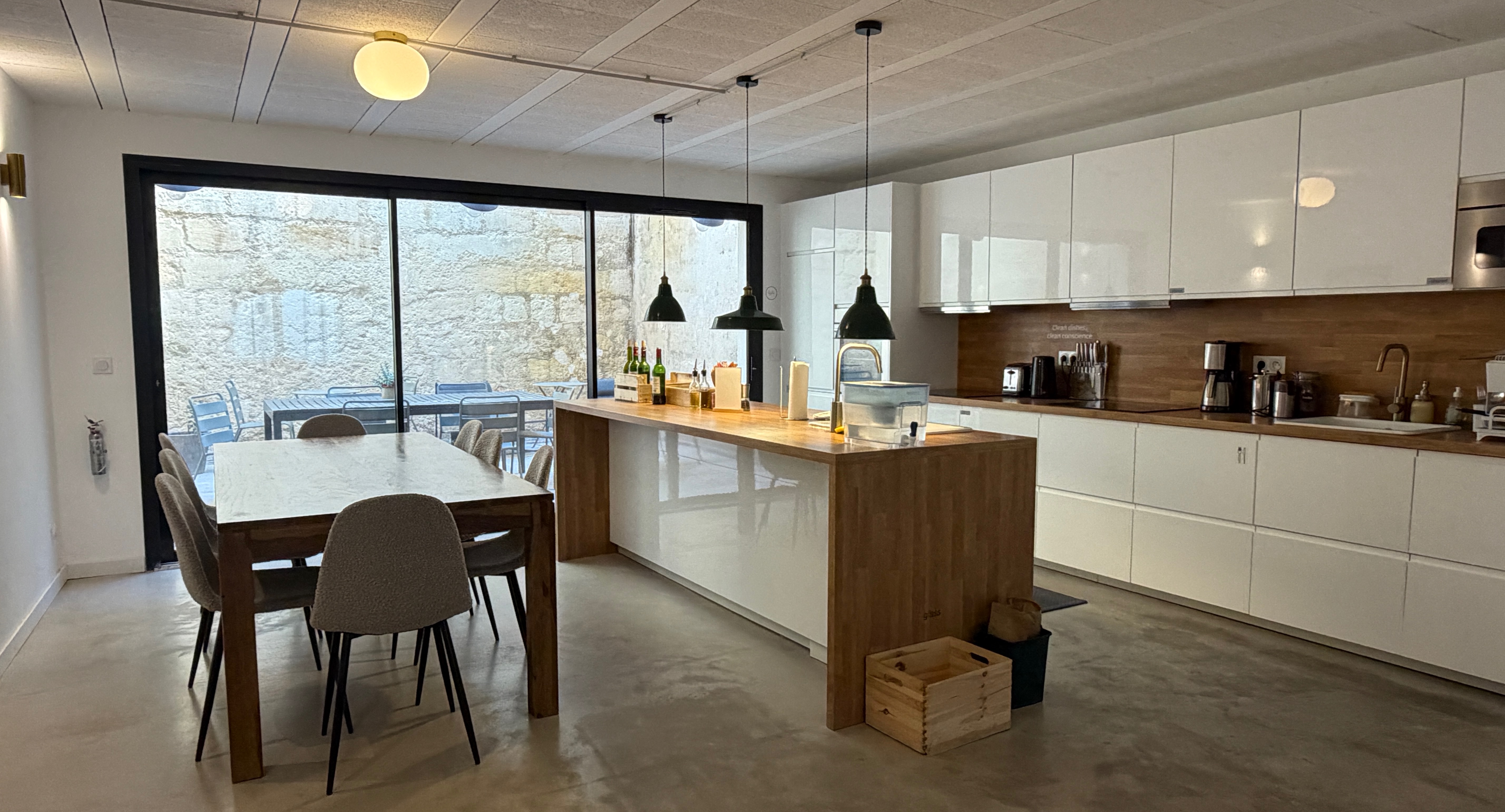
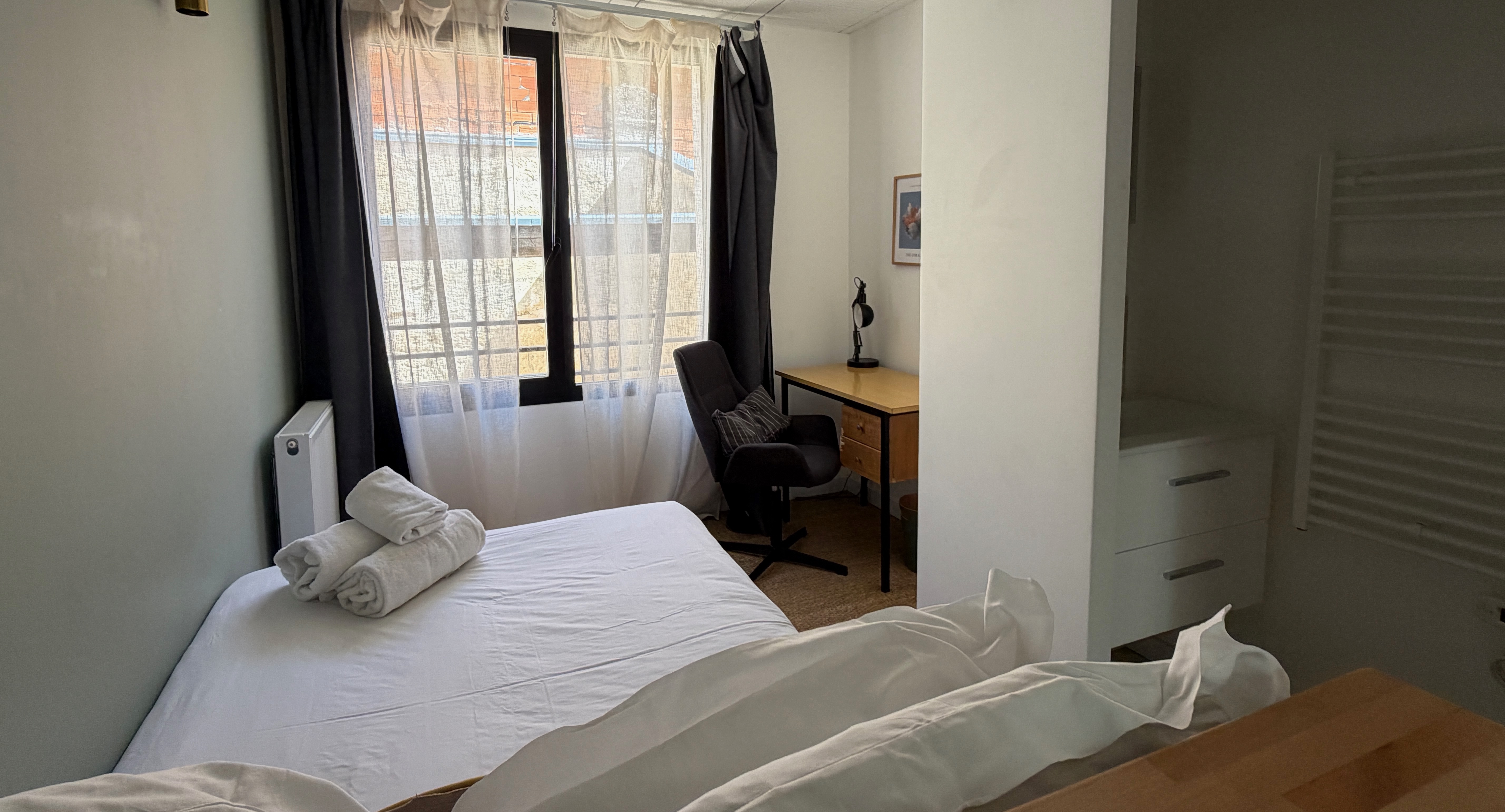
A recent stay at the Outsite location in Bordeaux, France, offers a glimpse into how these spaces function in practice. Upon arrival, the transition from travel mode to "deep work" mode is seamless.
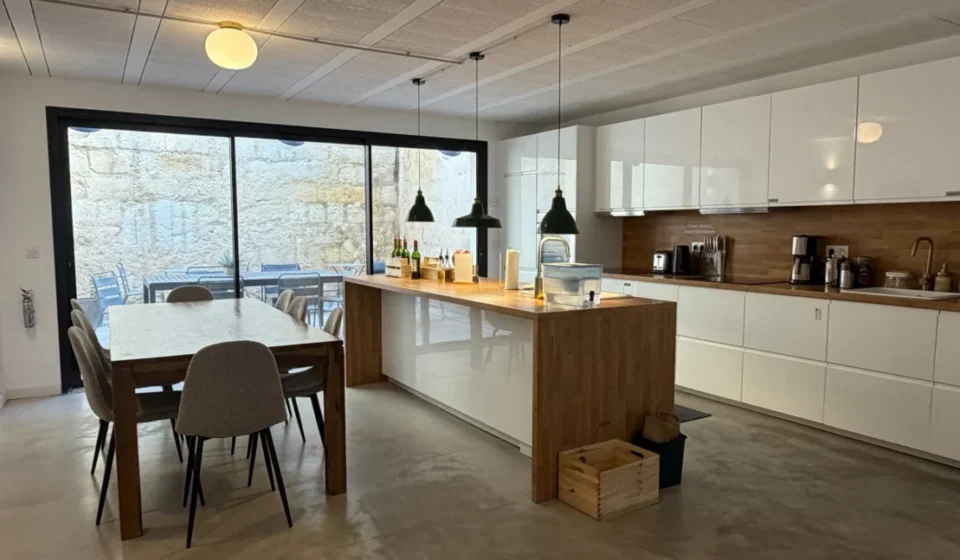
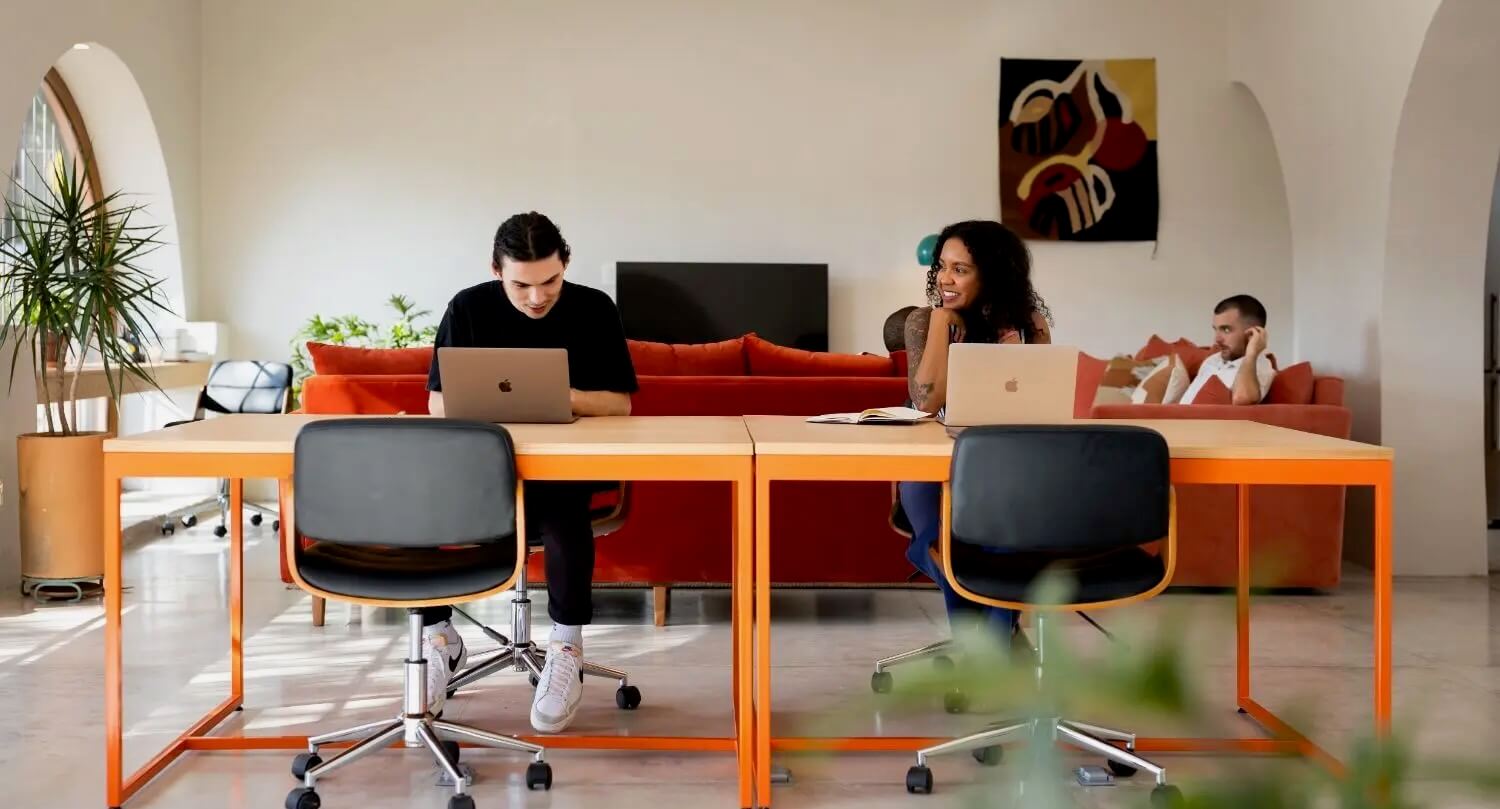
The physical space is intentionally designed for focus. Natural light is prioritized, and the communal kitchens are maintained by daily cleaning crews, ensuring that the "shared" aspect of the living space does not devolve into the chaos often found in budget accommodations. The desks are equipped with external monitors and fast, secure Wi-Fi, allowing a guest to begin their work day within minutes of waking up.
The Role of the Community Manager
Perhaps the most significant differentiator between Outsite and a standard short-term rental is the presence of a dedicated Community Manager. In Bordeaux, this individual served not just as a concierge, but as a social bridge. By managing local WhatsApp groups and organizing activities—ranging from Friday night tapas crawls to morning yoga—the manager helps mitigate the "isolation factor" that plagues long-term remote workers.
Implications for the Future of Work
The success of companies like Outsite has profound implications for both real estate and labor. We are witnessing a decoupling of "home" from "workplace."
- Urban Planning: As professionals move to secondary cities (like Bordeaux or Lisbon) for months at a time, local economies benefit from the influx of high-earning, long-term visitors who are not just passing through, but participating in the local community.
- Corporate Policy: Companies are increasingly looking at coliving as a solution for their remote teams. The "retreat" culture—where teams meet for a week in a controlled, productive, and social environment—is becoming the modern version of the office offsite.
- The "Third Space" Evolution: The traditional coffee shop is no longer the default office. As noise-canceling headphones become ubiquitous and the demand for privacy grows, spaces that offer quiet, professional-grade infrastructure will become the standard for the next generation of workers.
Critical Considerations and Challenges
While the benefits are clear, potential users should be aware of the limitations:
- Availability: Due to the popularity of the platform, the most desirable locations in peak seasons (e.g., Lisbon in the summer or tropical hubs in the winter) often book up months in advance. Spontaneity can be a challenge.
- The "Premium" Price Tag: Those expecting a $15-a-night hostel experience will find the pricing model inaccessible. You are paying for a curated, high-end environment. However, when evaluating value, one must account for the included coworking space, laundry, and the high-speed infrastructure that would otherwise require additional expenses.
- Minimum Stays: While some locations allow for two-night stays, major cities with strict housing regulations may enforce 30-day minimums. Users must be diligent in researching local laws before booking.
Conclusion: Finding Your Tribe
The digital nomad movement has matured. It is no longer defined solely by the aesthetic of the beach office, but by the search for a sustainable, professional, and socially fulfilling lifestyle.
For those who are tired of the inconsistent Wi-Fi of an Airbnb or the social distraction of a party hostel, platforms like Outsite represent a vital middle ground. By providing the tools for productivity and the structure for connection, they allow remote workers to build a career-focused community regardless of where they are on the map.
If you are a professional looking to maintain your output while exploring the world, the shift from "finding a place to sleep" to "finding a place to work and live" is the next logical step in your journey. As the boundaries of the traditional office continue to dissolve, the ability to curate your environment will be the ultimate competitive advantage.
Quick Logistics for the Aspiring Nomad
If you are planning your next remote-work trip, ensure you have your logistics squared away:
- Flights: Utilize search aggregators like Skyscanner to compare global routes.
- Insurance: Always carry comprehensive travel insurance. Injuries or cancellations can derail a professional’s productivity—and their finances.
- Credit Cards: Leverage travel rewards cards to offset the costs of flights and accommodation.
- Activities: Use platforms like GetYourGuide to ensure your time off is as well-structured as your time at the desk.
By mastering the logistics of your life on the road, you ensure that your work remains high-quality and your travel remains meaningful. After all, the goal of being a digital nomad is to gain freedom—not to create a new set of logistical hurdles.