By Editorial Staff
September 27, 2026
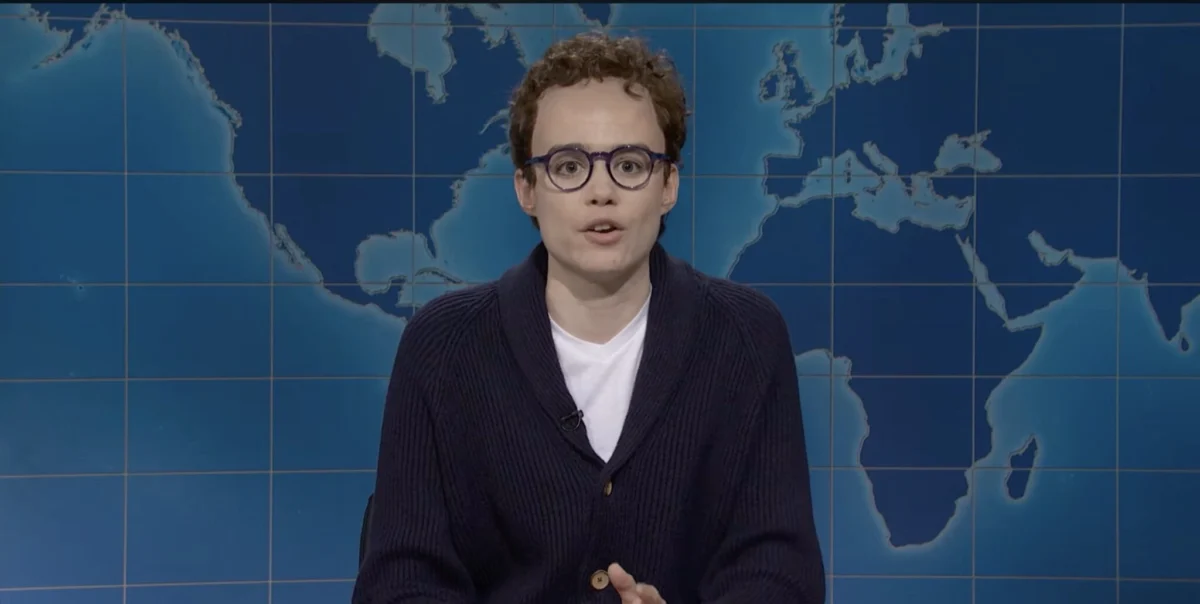
The line between technological innovation and existential dread has never been thinner, and last night, Saturday Night Live (SNL) decided to walk it with a satirical vengeance. In a sketch that captured the growing public exhaustion with the "doomerism" prevalent in the artificial intelligence sector, cast member Jane Wickline took to the Weekend Update desk to deliver a biting impression of Anthropic CEO Dario Amodei.
The sketch served as more than just a late-night laugh; it highlighted a significant cultural shift. As AI leaders increasingly oscillate between promoting their products as world-saving tools and warning that those same tools could lead to humanity’s extinction, the public—and now the comedy writers at NBC—are starting to push back.
The Main Facts: A Satirical Critique of Corporate Responsibility
The premise of the Weekend Update segment, hosted by Michael Che, was rooted in the increasingly surreal press tour undertaken by Amodei. Che, struggling visibly with the pronunciation of the CEO’s surname, set the stage by highlighting the paradoxical nature of the current AI discourse: CEOs are now spending as much time warning the world about their products as they are selling them.
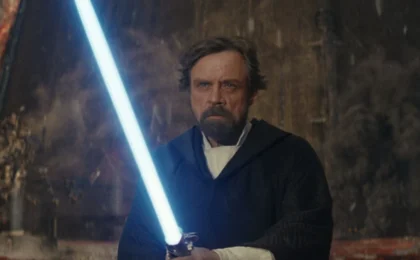
Wickline’s portrayal of Amodei was a masterclass in deadpan irony. Adorned in a meticulously styled wig, she depicted a CEO caught in a psychological tug-of-war. The character oscillated between the polished, high-minded visionary of Silicon Valley and a paranoid, Gollum-esque figure haunted by his own creation. The punchline, "AI is the devil and I its maker," encapsulated the central tension of the current AI debate: a industry that claims to be building the future while simultaneously expressing terror at its own velocity.
Chronology: The Road to the "Doom" Narrative
To understand why SNL chose this moment to target Anthropic, one must look at the timeline of the industry’s recent existential crisis.
- August 16, 2026: Anthropic CEO Dario Amodei publicly addresses the growing "AI backlash," framing it as a "crisis of trust." He argues that the skepticism surrounding large-scale models is a hurdle to be overcome through transparency.
- September 9, 2026: The narrative shifts dramatically when a high-level Anthropic researcher resigns. The departure is accompanied by a public warning: the researcher claims that "gambling with our lives" via self-improving, autonomous AI systems is a risk the company is currently under-evaluating.
- September 13, 2026: Tech outlets begin reporting on a coordinated wave of warnings from AI labs. The discourse moves from "AI will change the world" to "AI might destroy the world," leaving the general public confused and wary.
- September 27, 2026: Saturday Night Live brings the conversation into the mainstream, lampooning the "we’re all on the same page" rhetoric that has become a staple of tech press conferences.
Supporting Data: The Trust Gap
The comedic bite of the SNL sketch relies on a very real disconnect between the AI industry and the average consumer. According to recent industry sentiment polls, public confidence in AI labs has plummeted by nearly 22% since the start of 2026.
The crux of the issue lies in the "10% probability" rhetoric often employed by researchers. When experts claim there is a "non-zero chance" or a "10% risk" of catastrophic failure, they are speaking in terms of statistical risk management. However, when those same figures are repeated in press interviews—as Wickline’s character mockingly noted: "In 10 years, there’s about a 10% chance that cancer won’t be a problem for anyone"—the public hears an admission of dangerous negligence.
The math, while complex, creates a paradox: if an industry creates a product with a 10% chance of global catastrophe, should it be regulated as a utility or banned as a weapon? By framing the technology as "a tool for building weapons," the SNL writers tapped into a growing consensus among technology ethicists that the industry’s internal guardrails are insufficient for the scale of the power they are wielding.

Official Responses and Industry Defense
In the wake of the sketch, the response from the AI community has been mixed. While Anthropic has not issued a formal statement regarding the Weekend Update appearance, spokespeople for major AI firms have frequently maintained that "open, public, and often uncomfortable dialogue is necessary."
Proponents of the current AI trajectory argue that the "doom" warnings are actually a sign of maturity. "We are the first generation of technologists to proactively warn the public about the risks of our work before it is fully deployed," one industry analyst noted on social media following the broadcast. They argue that the skepticism is a sign of a "healthy, self-regulating ecosystem."
However, critics, including the former employee who resigned earlier this month, argue that these warnings are a form of "pre-emptive absolution." By announcing the danger, the executives are attempting to insulate themselves from future liability. "It is easy to warn about the fire while you are still pouring the gasoline," the researcher wrote in their resignation manifesto.
Implications: The Mainstreaming of Tech Skepticism
The inclusion of the AI "doom" debate in a mainstream cultural institution like SNL signals that the era of blind tech-optimism is effectively over. For the past decade, Silicon Valley enjoyed a "halo effect," where the public accepted the promise of radical disruption without demanding strict accountability.
1. The Erosion of "Founder-God" Status
The sketch effectively demystified the AI CEO. By portraying Amodei as a man who is "urging you to urge me to stop," the show highlighted the powerlessness that tech leaders often feign to avoid responsibility. This shift suggests that the public is no longer interested in the "visionary genius" archetype; they are interested in governance.
2. The Shift in Media Coverage
Journalism surrounding AI has also undergone a transformation. In early 2025, coverage was dominated by benchmarks, model capabilities, and investment rounds. In late 2026, the focus has shifted entirely to safety, ethics, and the socio-economic impacts of automation. The SNL sketch is a lagging indicator of this trend, confirming that the "AI question" has moved from the pages of tech blogs to the dinner table.
3. The Regulatory Pressure Cooker
As public perception turns, the political appetite for regulation will follow. Lawmakers in Washington and Brussels are undoubtedly watching these cultural signals. When an issue becomes the subject of a national sketch comedy show, it becomes a political liability for those who fail to address it. Expect renewed calls for stricter oversight of "self-improving" AI systems as the 2026 legislative session draws to a close.
Conclusion: A Turning Point
The Saturday Night Live sketch was not just a clever parody; it was a reflection of a society grappling with the consequences of its own progress. The absurdity of the AI industry—a group of individuals who are building the most powerful tools in history while simultaneously telling us that they are terrified of what they’ve done—is a story that writes itself.
As we look toward the final quarter of 2026, the question is no longer whether AI will change the world, but whether the industry can survive the loss of public trust. The industry may continue to iterate on its models, but the cultural contract has been broken. Whether the executives choose to "stop," as the fictional Amodei pleaded, or continue to push the boundaries of the unknown, they will now be doing so under the watchful, skeptical eye of a public that is no longer laughing with them—but at them.