By Brad Crawford
Updated: September 27, 2026, at 2:06 p.m. ET
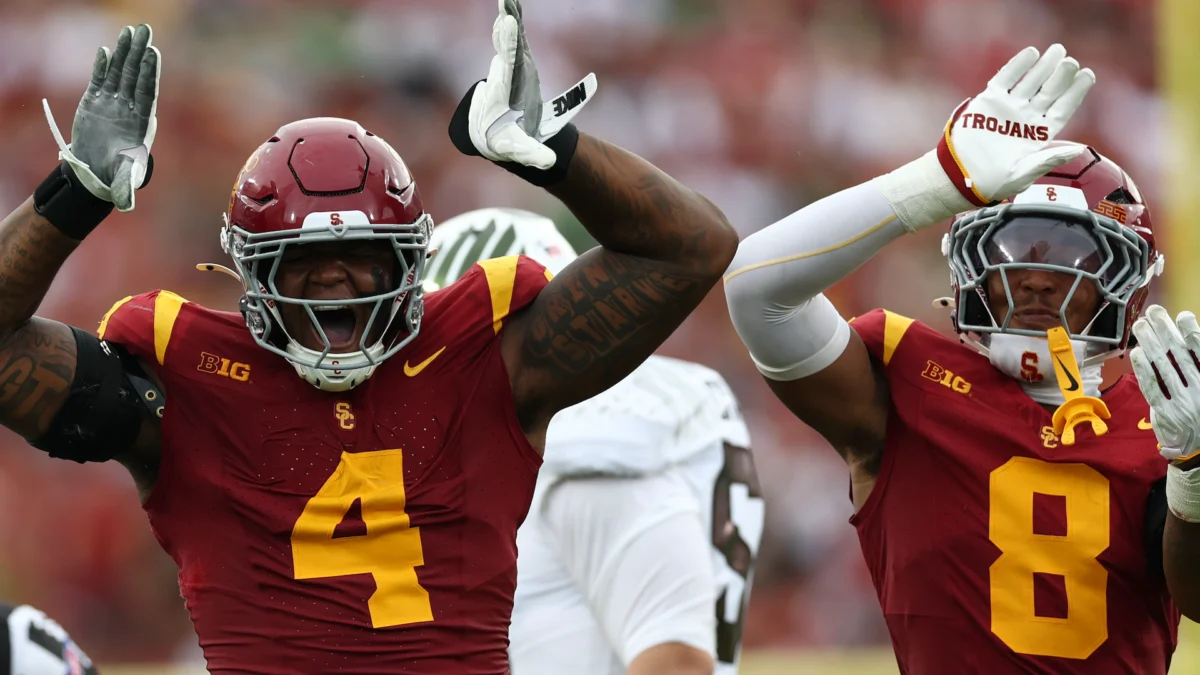
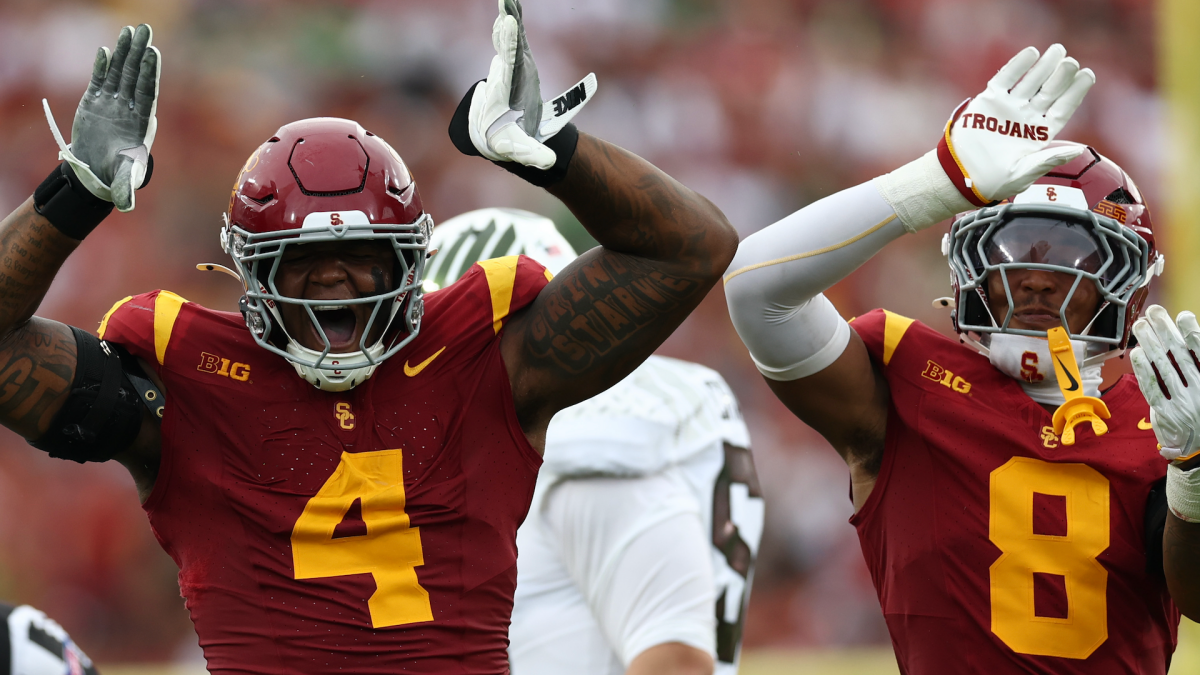
In a move that underscores the evolving standards of sportsmanship in modern collegiate athletics, the University of Southern California (USC) has officially suspended linebacker Desman Stephens II for one game. The disciplinary action follows a controversial sequence of events during Saturday’s high-stakes matchup against Oregon, where Stephens was observed celebrating in the immediate aftermath of a hit that left Ducks quarterback Dante Moore injured and requiring medical attention on the field.
The suspension, confirmed by the USC athletic department on Sunday, mandates that Stephens will sit out the Trojans’ upcoming October 3 contest against the Washington Huskies. This decision arrives amid a firestorm of public criticism and intense scrutiny from the coaching staff, bringing the intersection of competitive intensity and player welfare to the forefront of the Big Ten conversation.
The Sequence of Events: A Chronology of the Incident
The incident unfolded during the second quarter of Saturday’s matchup between USC and Oregon. As the game’s tempo intensified, a play involving a high-impact collision between Stephens and Moore resulted in the Oregon signal-caller falling to the turf.
While medical personnel from both teams rushed to the field to attend to the downed quarterback—who was eventually carted off the field—cameras captured Stephens engaging in celebratory behavior on the USC sideline. The optics of the moment, which circulated rapidly across social media platforms, drew immediate condemnation from fans, analysts, and opposing coaching staff.
Following the game, the atmosphere surrounding the USC program shifted from competitive analysis to damage control. By Saturday evening, as the viral nature of the clip intensified, Stephens had set his personal Instagram account to private following an influx of backlash. The intensity of the public outcry served as a catalyst for the swift internal review conducted by USC head coach Lincoln Riley and the athletic administration.
Official Responses and Internal Accountability
The response from USC leadership was swift and unequivocal. Lincoln Riley, who has built a culture centered on discipline and character at USC, did not mince words when addressing the incident.
"His actions were unacceptable and do not reflect the values of our program or the character of Desman himself," Riley stated in an official release. "He understands his mistake, accepts the consequences of his actions, and will learn from this. The entire Trojan Family wishes Dante a full recovery, and we send our best regards to him and his family."
Stephens, in his own statement, offered a public apology that acknowledged the severity of his lapse in judgment. "I take full responsibility for my actions," the linebacker said. "My reaction in the moments after Dante was injured was completely inappropriate and inexcusable. That is not the person or teammate I want to be, and I will learn from this."
The linebacker’s apology extended directly to Moore and his family, expressing a sincere desire for the quarterback’s swift return to the field. Despite the apology, the gravity of the situation remains, particularly given the medical diagnosis later confirmed by sources: Dante Moore suffered a concussion during the hit.
Contrasting Perspectives: The Oregon Viewpoint
Oregon head coach Dan Lanning provided a sharp critique of the event during his post-game media availability. Lanning, who has frequently championed the importance of player safety and integrity in the game, did not hold back when asked about the hit and the subsequent celebration.
"It was disgusting," Lanning remarked. "There is simply no room for that kind of behavior in college football. We have to look out for one another out there. At the end of the day, these are young men playing a game, and the human element must always take precedence over the competitive outcome."
The divide between the two programs was palpable, reflecting the heightened tensions that often accompany Big Ten conference play. While Riley noted that he did not personally witness the celebration in real-time—citing his focus on the tactical adjustments occurring on the sideline—he acknowledged the necessity of the disciplinary measure to maintain the integrity of his program.
The Evolving Landscape of Targeting and Player Safety
The controversy surrounding the Stephens incident has reignited the broader debate regarding the NCAA’s targeting rules and the inconsistent enforcement of player safety standards.
In the 2026 season, the NCAA introduced significant adjustments to targeting penalties, aiming to mitigate the impact of disqualifications on the flow of games. Under the current guidelines, a first-time targeting foul no longer results in an automatic carryover suspension for the following game. It is only upon the second and third infractions that more severe penalties, including multi-game suspensions, are triggered.
Because Stephens’ hit occurred in the second quarter and did not result in an immediate disqualification for the remainder of the contest under the specific criteria of the current rules, the university was left to determine the internal disciplinary response. The one-game suspension handed down by USC is an independent action, separate from any potential conference-wide mandates that the Big Ten may still consider.
This creates a complex scenario for officials and administrators: how to reconcile the technical letter of the law with the "spirit of the game." Critics of the current system argue that while the rule changes were designed to keep players on the field, they have inadvertently created a vacuum in accountability for actions that are technically legal but ethically questionable.
Implications for the USC Program and the Big Ten
The suspension of Stephens has significant implications for both the individual athlete and the Trojan roster. For USC, navigating the remainder of the season without a key defensive contributor in a high-profile game against Washington will be a test of their depth and resilience.
More importantly, the incident serves as a benchmark for how programs in the expanded Big Ten are expected to handle character-based issues. With the conference now comprising a vast array of historic programs and intense rivalries, the pressure on coaches to maintain a professional standard is higher than ever.
The Human Element
At the center of this narrative remains Dante Moore, a young athlete whose season and health have been compromised. The incident serves as a sobering reminder of the physical risks inherent in football. While fans and analysts focus on the fallout, the programs involved are now forced to confront the reality that every hit has a human cost.
Future Regulatory Considerations
Looking ahead, the Big Ten may face pressure to review its own policies regarding conduct unbecoming of a student-athlete. While the NCAA provides the framework for rules like targeting, individual conferences maintain the authority to impose stricter standards of conduct. The public nature of the Stephens incident may prompt the conference to issue a statement or establish new protocols for addressing "unsportsmanlike conduct" that occurs outside the immediate scope of standard penalties.
Conclusion: A Lesson in Responsibility
The one-game suspension of Desman Stephens II is a definitive statement from USC. It acknowledges that while competitive fire is a prerequisite for success at the collegiate level, it does not provide immunity from the requirements of basic human empathy.
As the Trojans prepare for their matchup against Washington, the focus within the locker room will undoubtedly shift to the next opponent. However, the lessons of this week—regarding the power of optics, the necessity of professional conduct, and the fragility of the players who take the field—will likely linger throughout the remainder of the 2026 season. For Stephens, the road back to the field will be paved with the challenge of proving that he has truly learned from a moment that, in his own words, was "inexcusable."
Ultimately, the resolution of this incident marks a turning point in how USC manages the intersection of athletic performance and personal accountability, ensuring that the "Trojan Family" remains committed to the principles of integrity that define its program legacy.