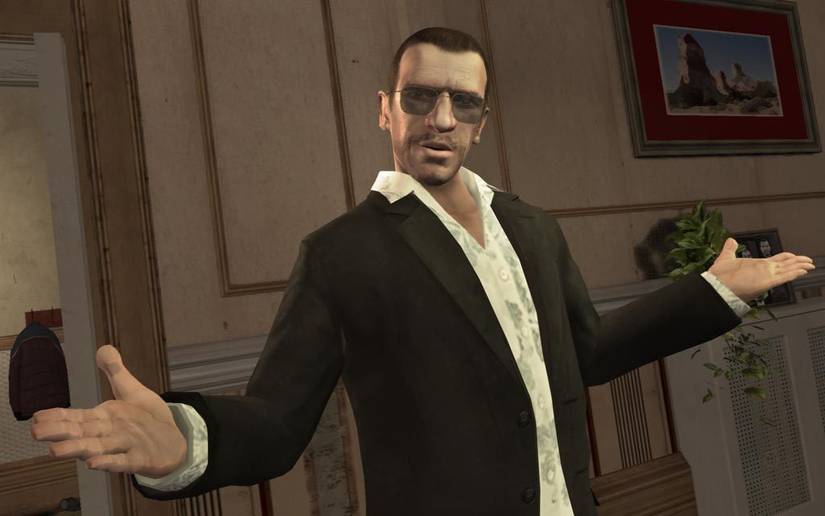
In the rapidly evolving landscape of modern gaming, where digital storefronts and cloud-based subscription services promise an "endless" library of content, a glaring paradox persists. If you sit down at your PlayStation 5 today, you can access thousands of titles, yet you will find yourself completely unable to play Grand Theft Auto IV—one of the most critically acclaimed and culturally significant pieces of interactive media ever produced.
This is not an isolated glitch; it is a systemic erasure. From the 2D pixel-art origins of the franchise to the beloved handheld spin-offs of the PSP era, the Grand Theft Auto (GTA) series is effectively being purged from contemporary hardware. As we stand on the precipice of Grand Theft Auto VI, it is worth examining why Rockstar Games, a studio defined by its commitment to prestige and perfection, remains so profoundly ambivalent toward its own history.
The State of Play: A Franchise in Limbo
The statistics are sobering. Including major expansions and standalone titles, there are 16 Grand Theft Auto games currently in existence, with the 17th arriving shortly. Yet, 11 of these titles are essentially inaccessible on the current generation of PlayStation hardware.
Titles such as the original Grand Theft Auto and its expansions, GTA 2, the seminal Liberty City Stories and Vice City Stories, and the critically lauded GTA IV expansions—The Lost and Damned and The Ballad of Gay Tony—have been effectively deprecated. Even the cult classics Grand Theft Auto Advance and Chinatown Wars have been relegated to the digital scrapheap, with the latter only surviving in a diminished state on mobile platforms.

This creates a "memory hole" for newer generations of gamers. While the medium has made strides in backward compatibility compared to the mid-2000s, Rockstar’s approach remains an outlier among industry titans.
A Chronology of Exclusion
To understand the scope of this neglect, one must look at the historical release cadence of the series.
- The Prolific Era (1997–2009): In the first 12 years of the franchise, Rockstar released 14 Grand Theft Auto titles. This was an era of rapid experimentation, where the studio was unafraid to iterate on top-down 2D designs, handheld exclusives, and experimental narrative expansions.
- The Great Slowdown (2010–Present): In the 17 years since, the output has slowed to a crawl. We have seen only three major console releases, including the impending sixth entry.
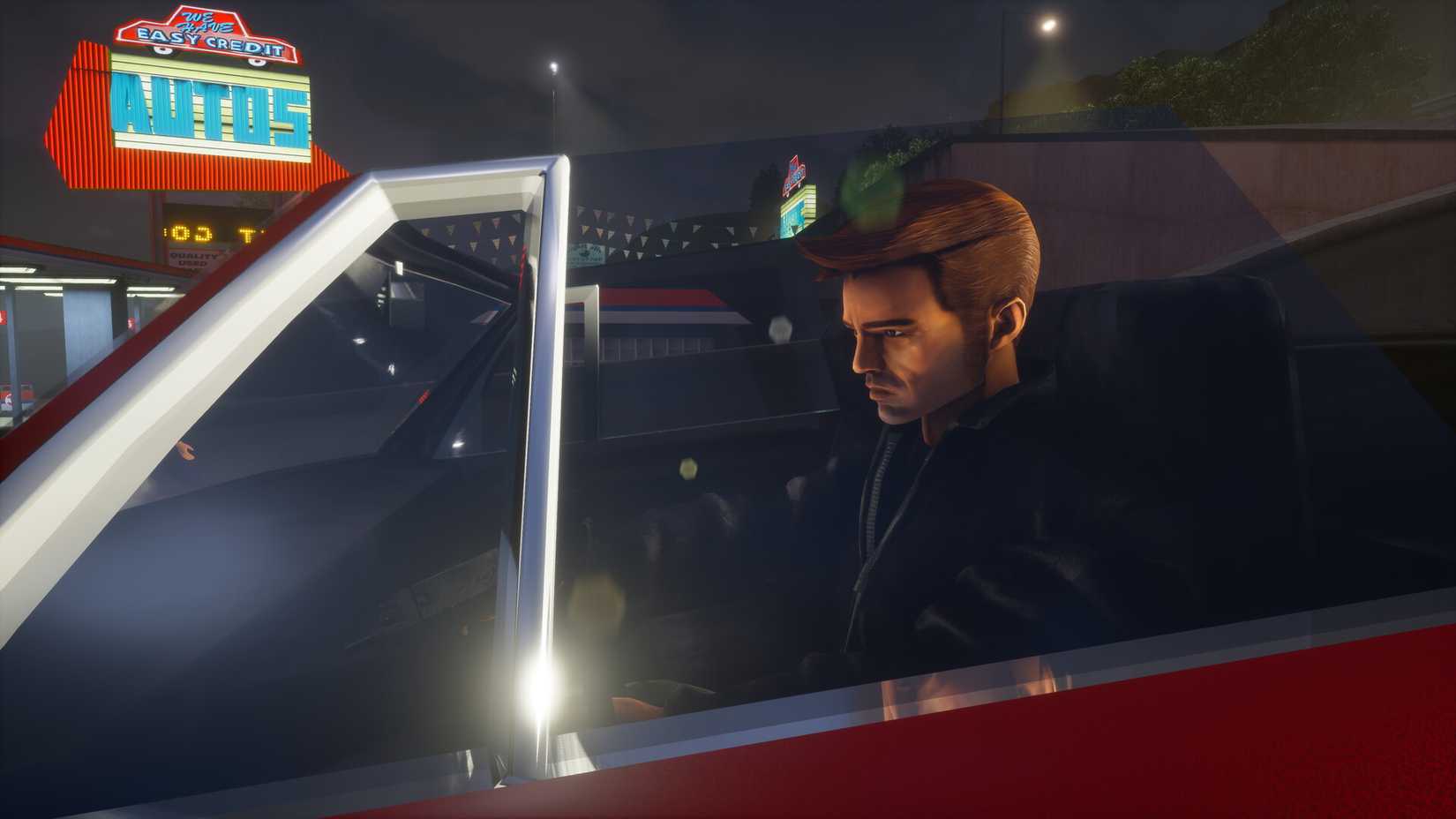
- The Definitive Disappointment (2021): The release of Grand Theft Auto: The Trilogy – The Definitive Edition served as a flashpoint for fan frustration. While intended to bridge the gap between the classic 3D era and modern hardware, the outsourced remasters were plagued by technical inconsistency and aesthetic choices that clashed with the source material. It was a rare moment where the curtain was pulled back, revealing that the studio lacked the internal desire to nurture its legacy.
Comparative Analysis: The "Nintendo Model" vs. The Rockstar Approach
When comparing Rockstar’s portfolio management to its peers, the contrast is stark.
Nintendo, for all its occasional reticence regarding fan-made projects, understands the value of a back catalog. Of the 21 mainline Legend of Zelda games, only a handful are truly inaccessible, and those exclusions are often due to the unique hardware requirements of the DS or Wii U eras. Even then, Nintendo treats these titles as cultural assets, often remastering or porting them to maintain their place in the collective consciousness.

Similarly, consider Final Fantasy. Square Enix has spent the last decade meticulously porting its 36-year history to modern platforms. Even the oldest numbered entries are playable on contemporary systems. When studios like Bethesda remake a title like The Elder Scrolls IV: Oblivion, the effort is typically accompanied by a level of care that respects the original’s DNA.
Rockstar, by contrast, seems to view its past as a potential distraction from its present. By focusing almost exclusively on Grand Theft Auto V and its perennial revenue engine, GTA Online, the company has shifted from a studio that creates "games" to a studio that maintains "services."
The Economic and Philosophical Implications
Why does this matter? One could argue that from a purely cold, capitalist perspective, maintaining old games is a poor investment. Why spend resources patching 20-year-old code for Liberty City Stories when GTA Online generates hundreds of millions in microtransactions annually?
However, this logic is fundamentally flawed for three reasons:
1. The Erosion of Brand Authority
A brand is defined by its totality. By allowing the "middle" of its history to vanish, Rockstar is effectively telling its audience that those games don’t matter. It devalues the very foundation that allowed the studio to reach its current, gargantuan scale.
2. The Loss of Institutional Memory
Game development is a craft. By letting the source code of previous titles become "abandonware," the studio loses a point of reference for its own evolution. When a studio loses the ability to look back at its own design breakthroughs—like the mission structure of Chinatown Wars or the narrative density of The Ballad of Gay Tony—it risks stagnation.
3. The "Shame" Factor
There is an underlying theory among long-time observers that Rockstar may be embarrassed by its past. The early GTA games were gritty, chaotic, and occasionally offensive in ways that don’t align with the polished, hyper-corporate image of a company that now manages one of the world’s largest entertainment properties. Yet, this "shame" is misplaced. Fans do not look at GTA 2 and expect a 4K, ray-traced experience; they look at it as a historical artifact, a piece of art that shaped their upbringing.
The Path Forward: A Call for Preservation
The argument here is not that Rockstar should divert resources away from Grand Theft Auto VI. Rather, it is a call for a change in corporate philosophy. Digital preservation is not just a community service; it is a long-term business strategy.
When a studio treats its back catalog with respect, it fosters a relationship of trust with the consumer. It signals that the developer understands the cultural weight of its work. If Rockstar were to release the classic 2D games or the Stories spin-offs on modern digital storefronts—even in their original, unpolished forms—it would be a gesture of goodwill that costs the company very little but pays dividends in community sentiment.
The era of the "global monolith" developer has been good for the bottom line, but it has been detrimental to the artistic integrity of the medium. We are living through a period where the history of video games is being written in vanishing ink. Rockstar Games, as the industry leader, has a moral and professional obligation to stop the bleeding.
The games are finished. The work is done. The code exists. All that remains is the choice to keep them alive. To lock these games away is to suggest that the history of Grand Theft Auto is merely a stepping stone to a modern service model, rather than a vibrant, multi-generational tapestry of gaming history. It is time for Rockstar to stop viewing its past as a burden and start viewing it as the legacy that it is. Release the games. It is, by any measure, a win-win for everyone involved.