In the high-stakes world of automotive diecast collecting, few labels carry as much weight as the Hot Wheels Red Line Club (RLC). Designed as an exclusive tier for the most dedicated enthusiasts, the RLC is more than just a membership; it is a collaborative platform where collectors shape the brand’s output. This month, the community has spoken with overwhelming clarity, crowning the legendary 1989 Porsche 959 as the second RLC "Selections" release of 2026.
This selection is not merely another car for the display shelf. It represents a deep-dive into automotive history, honoring one of the most technologically significant machines ever to grace the tarmac. With a winning vote that crushed the competition, the 959 is set to cement its status as a crown jewel in the Hot Wheels portfolio.
The Selection Process: A Democratic Victory
The "Selections" series is the cornerstone of the RLC experience. It functions as a direct line between the designers at Mattel and the collectors who populate the global aftermarket. The process is rigorous, involving a multi-stage voting cycle that forces members to weigh in on both the vehicle casting and the aesthetic finish.
For the 2026 cycle, the ballot was arguably one of the most competitive in recent years. The field featured a diverse range of machinery, including the classic Custom Corvette, the rugged 2017 Ford F-150 Raptor, the retro-chic Custom T-Bird, the Japanese-market hero Mitsubishi 3000GT VR-4, and the stately 1964 Mercedes-Benz 600. Despite the variety of domestic muscle and modern utility, the Porsche 959 commanded an astonishing 41.74 percent of the vote.
This decisive margin highlights a shift in collector interest. While American muscle cars have long been the bread and butter of the Hot Wheels legacy, there is an increasing appetite for European homologation specials and technical marvels of the 1980s.
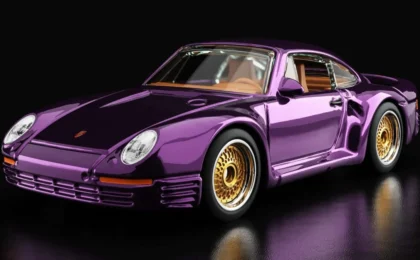
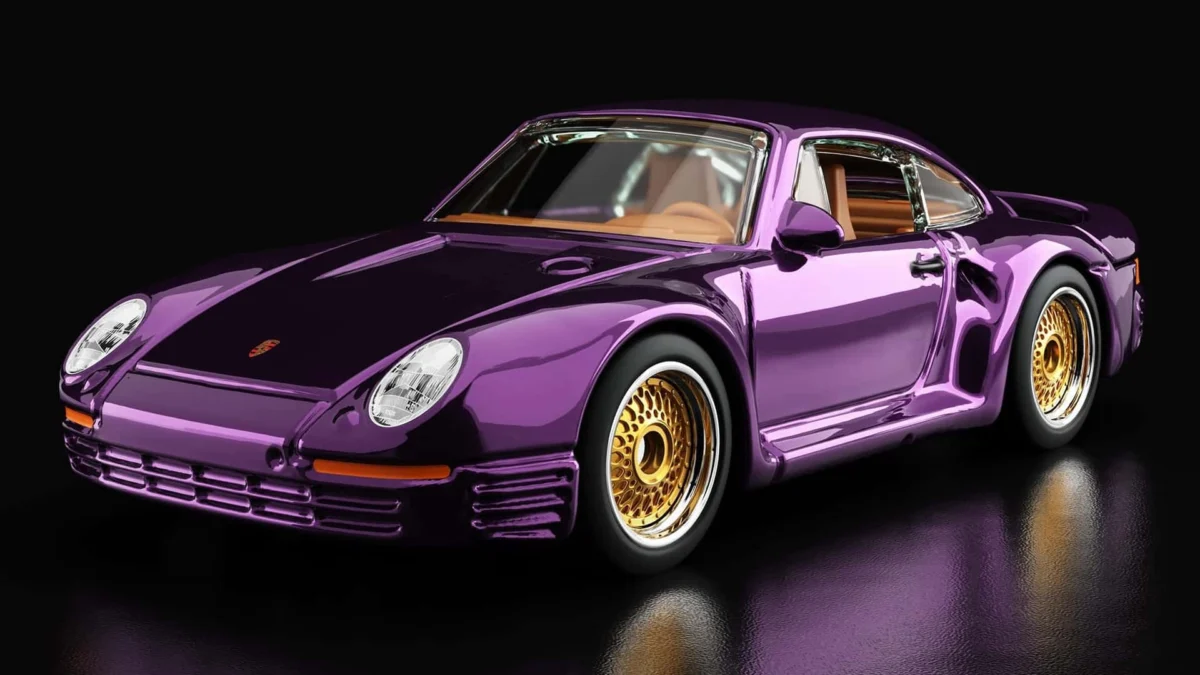
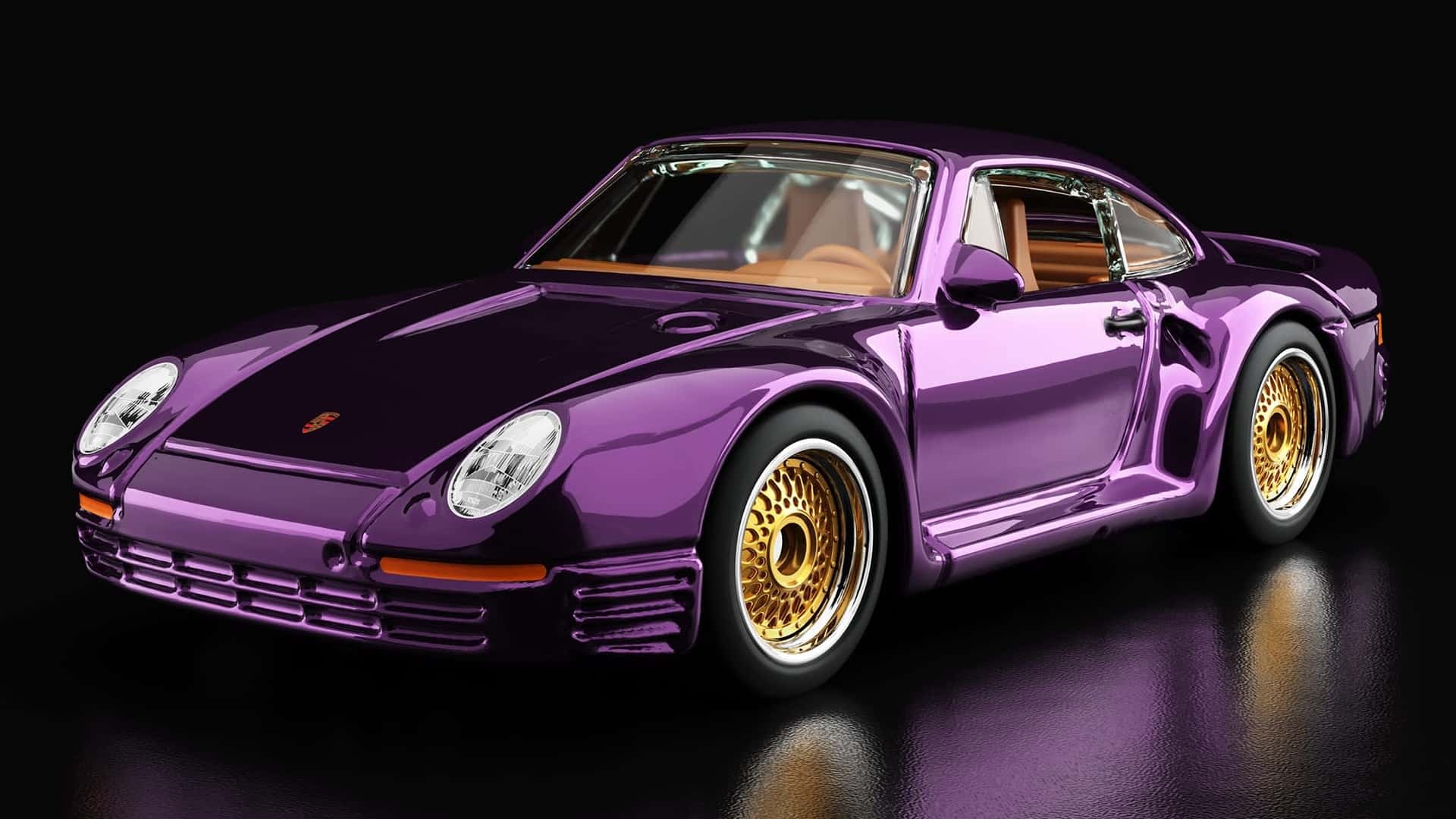
Once the casting was secured, the community turned its attention to the finish. After a heated debate between four distinct paint options, the members opted for "Spectraflame purple." This choice is particularly evocative, as the deep, metallic luster of the paint accentuates the boxy, aggressive proportions of the 959, separating it from the typical silver or red iterations that define the Porsche brand.
Chronology of a Legend: From Group B to Diecast
To understand why the RLC chose the 959, one must look at the car’s original purpose. Developed in the mid-1980s, the Porsche 959 was never intended to be just another sports car. It was built to dominate the FIA’s Group B rally circuit—a category of racing so dangerous and fast that it was eventually abolished.
When the rally series was cancelled, Porsche was left with a fleet of engineering testbeds. Rather than abandoning the project, they turned the 959 into the world’s fastest production car at the time. It featured a sophisticated all-wheel-drive system, adjustable ride height, and a twin-turbocharged flat-six engine.
Brendon Vetuskey, the lead designer behind this Hot Wheels iteration, brought the casting to life in 2023, meticulously capturing the widened fenders and the iconic whale-tail spoiler that defined the car’s silhouette. By selecting this vehicle for the 2026 Selections series, Hot Wheels is not just releasing a toy; it is paying homage to the vehicle that bridged the gap between analog racing and the digital, all-wheel-drive era of modern supercars.
Technical Specifications and Design Nuances
The Hot Wheels RLC Porsche 959 (part number JLX18) is designed to meet the high expectations of serious hobbyists. Beyond the Spectraflame finish, the model introduces a new wheel tooling: the "Real Riders BB" wheels, complete with gold-painted hubs. This specific wheel configuration has never been used on this casting before, adding a layer of exclusivity that justifies the $28 price point.
The model is built with a heavy diecast chassis, rubber tires, and detailed tampos that replicate the intricate lighting and badging of the original 1989 homologation special. Unlike the mainline cars found at retail outlets, the RLC version is a made-to-order production, meaning that total volume is determined by the number of members who place their orders during the two-week window.
The ordering window, which opened on September 22, 2026, and remains open until October 6, 2026, provides a specific timeframe for members to secure their pieces. By keeping the release exclusive to the RLC, Mattel ensures that the demand remains concentrated within the enthusiast base, effectively preventing the retail "scalping" issues that plague standard diecast releases.
Comparative Context: The RLC’s European Strategy
The Porsche 959 is not an outlier; it is part of a larger, deliberate trend within the Red Line Club. Earlier in 2026, the club released an RLC Ferrari F40—another legendary piece of "automotive unobtanium."
By focusing on these European performance icons, Hot Wheels is signaling a shift toward a more sophisticated, global collector demographic. These cars are the "posters on the wall" for a generation of enthusiasts who value engineering history as much as they value nostalgia. The success of the F40 likely paved the way for the 959, as the community demonstrated a clear preference for cars that represent the peak of 20th-century automotive technology.
Looking at the broader 2026 schedule, the 959 follows the 1972 Chevy Nova SS, which occupied the first Selections slot of the year. While the Nova appeals to the classic American collector, the 959 captures the international tech-obsessed crowd. In the same voting round that saw the 959 emerge victorious, other contenders like the 1971 De Tomaso Mangusta trailed with roughly 13 percent of the vote, proving that the Porsche’s appeal is far more than a niche preference.
Implications for the Future of Collecting
The rise of these "Selections" projects has significant implications for the future of the toy and collectible industry. Firstly, it proves that "co-creation" is the most effective way to drive engagement in a digital-first world. By allowing the consumer to dictate the output, Mattel effectively eliminates the risk of unsold inventory while simultaneously fostering brand loyalty.
Secondly, it highlights the importance of the subscription model. In an era where manufacturing costs and logistics—such as potential tariff impacts—can wreak havoc on retail pricing, the direct-to-consumer model provides a stable revenue stream. The RLC membership functions as a gatekeeper, ensuring that the product goes directly into the hands of someone who intends to keep it, rather than a casual shopper.
Finally, the 959 release serves as a litmus test for future projects. If the 959 performs well, we can expect to see more Group B rally legends or 1990s Japanese "bubble era" cars in future ballots. The community is clearly moving away from generic castings and toward vehicles with a story, a pedigree, and a distinct place in history.
Closing Thoughts
The Porsche 959 is a masterpiece of 1980s engineering, and its transformation into a miniature, metallic-purple tribute is a testament to the passion of the Hot Wheels design team and the RLC community. For the collector, it is a rare opportunity to own a piece of automotive history in a form that respects the original design’s complexity.
As the order window closes on October 6, the final tally of produced units will be set. For those lucky enough to be part of the Red Line Club, the wait for this piece of "unobtanium" will surely be worth it. Whether it sits in a display case or joins a growing collection of Porsche heritage, the 959 serves as a reminder that even in the world of small-scale diecast, there is always room for excellence.
For now, the brand waits to see what the next vote will bring. If the current trajectory holds, the future of the Red Line Club is destined to be as diverse, fast, and technically impressive as the cars themselves.