Main Facts: Official Disclosures and the Growing Crisis
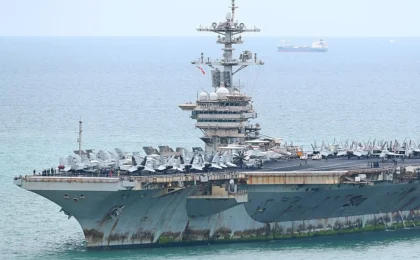
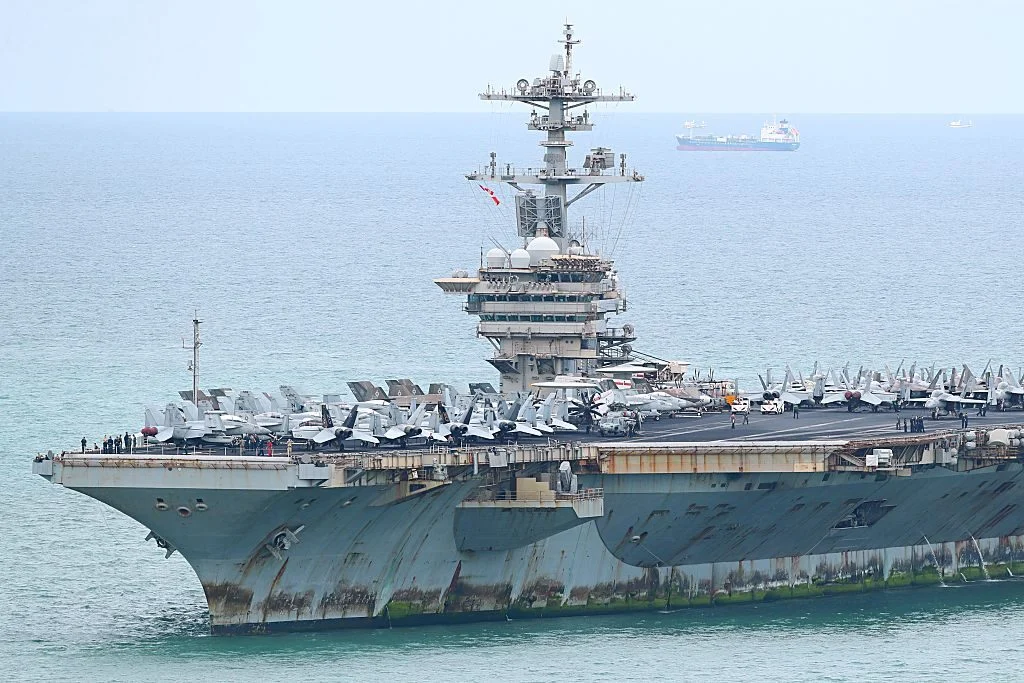
A profound operational and mental health crisis aboard the USS Abraham Lincoln carrier strike group has emerged into public view following official confirmation from the United States Navy that eight suicide attempts occurred across the strike group during its historic, high-intensity deployment. The revelations have provoked sharp condemnation from Democratic lawmakers, who are now demanding formal congressional hearings, independent oversight, and systemic accountability regarding the handling of service member welfare during prolonged overseas missions.
The details came to light through a official response letter authored by Acting Navy Secretary Hung Cao. Sent to Sen. Kirsten Gillibrand (D-N.Y.) in response to a congressional inquiry initiated in August, Cao’s letter confirmed that the strike group experienced eight suicide attempts over the course of its extended mission. According to the Navy’s disclosure, the impacted personnel were spread across multiple elements of the strike group, encompassing sailors stationed directly on the aircraft carrier USS Abraham Lincoln, personnel from the attached carrier air wing, staff members assigned to the strike group and destroyer squadron, crews operating escorting destroyers, and members of all embarked aviation squadrons.
The operational backdrop to these mental health emergencies was an extraordinary period of unbroken sea duty. The USS Abraham Lincoln spent 286 consecutive days at sea without a single port visit, setting a record for unbroken shipboard deployment. Across the strike group’s personnel—estimated at approximately 7,500 service members—the physical and psychological strains of continuous operation manifested in severe shipboard hardships, acute mental distress, and life-threatening emergencies.
Among the specific incidents detailed in Secretary Cao’s response were two separate events involving sailors going or attempting to go overboard. In March, a sailor attempted to jump overboard but was restrained by shipmates; the individual subsequently received medical treatment onboard before being sent back to his home port. Later, in August, another sailor went overboard from the Lincoln. Navy personnel recovered the individual quickly, provided initial medical treatment on board, and subsequently transferred the sailor off the aircraft carrier for higher-level care.
Reports from service members’ families and military news publications have highlighted severe environmental and logistical stressors during the deployment. Personnel on board faced shortages of basic provisions, including food and clean water, alongside severe disruptions to shipboard communications that prevented sailors from contacting their families for extended intervals. These revelations have turned a spotlight on military quality-of-life standards and operational decision-making during high-stress deployments.
Chronology of Events: From Deployment to Congressional Scrutiny
The timeline of the USS Abraham Lincoln strike group’s deployment illustrates a escalating progression of operational demands, environmental hardships, mounting mental health concerns, and political oversight.
[Initial Deployment] ----------------> [Middle East Redirection] ----> [March Incident]
Off Venezuelan coast                    War against Iran               Sailor restrained from jumping

[August Outcry] <--------------------- [Media Disclosures] <---------- [286 Days at Sea]
Families & lawmakers raise alarms      Military Times / Stars & Stripes  Record deployment without port call

[Overboard Event] -------------------> [Navy Admission] -------------> [Legislative Battle]
August overboard recovery & transfer   Secretary Cao's letter          Hearings demanded; War Powers vote
Initial Mission and Operational Redirection
- Deployment Launch: The USS Abraham Lincoln carrier strike group originally deployed to waters off the coast of Venezuela to support regional military operations.
- Redirection to Middle East: Amid shifting geopolitical imperatives, the strike group was abruptly redirected from South American waters to the Middle East to support active war operations against Iran.
Operational Strain and Continuous Sea Duty
- Record Duration: As operational demands intensified in the Middle East, the deployment stretched to 286 days. Crucially, the strike group completed this entire span without making a single port visit, keeping the crew confined to shipboard environments for nearly nine months.
- March Overboard Attempt: During the deployment in March, an initial acute mental health crisis resulted in a sailor attempting to jump overboard. The sailor was intercepted and restrained by fellow crew members, received immediate medical evaluation onboard, and was ultimately detached from the ship to return to home port.
Public Revelations and Political Inquiries
- August Media Reports: In August, military news organizations Military Times and Stars and Stripes published detailed reports bringing family members’ growing anxieties to light. The reporting outlined deteriorating mental health conditions across the fleet, resource shortages involving basic necessities like food and water, intermittent communication blackouts with families, and at least two separate incidents where sailors attempted to jump overboard.
- Congressional Action: The media reports prompted immediate outcry from Capitol Hill. Led by Sen. Kirsten Gillibrand, a coalition of Democratic senators sent a formal letter to the Pentagon in August demanding answers regarding crew welfare, shipboard conditions, and mental health support mechanisms aboard the Lincoln.
- Administration Pushback: Following the August press disclosures and congressional inquiries, representatives of the Trump administration downplayed the severity of the reports, minimizing concerns regarding shipboard conditions and operational strain.
Official Confirmation and Legislative Debate
- Formal Navy Response: In a letter dated Tuesday, Acting Navy Secretary Hung Cao formally responded to Senator Gillibrand’s August inquiry, corroborating the core findings of the media reports and admitting that eight suicide attempts had occurred across the strike group, alongside detailing the two overboard incidents.
- Senate Floor Action and War Powers Resolution: Armed with the Navy’s formal admission, lawmakers amplified demands for executive accountability. On the Senate floor, Sen. Adam B. Schiff (D-Calif.) cited the conditions aboard the Lincoln during debates over a War Powers Resolution aimed at curbing involvement in the Iran war. Although the resolution fell short of adoption in a Senate vote on Thursday, it marked a high point of legislative debate over military deployments.
Supporting Data and Statistical Context
Understanding the magnitude of the mental health challenges within the USS Abraham Lincoln carrier strike group requires examining both the internal demographics of the deployed force and broader baseline metrics across the United States Navy.
Strike Group Demographics and Incident Distribution
The total footprint of the USS Abraham Lincoln carrier strike group encompasses approximately 7,500 service members. This population is distributed across several operational sub-units:
- The primary ship’s company assigned directly to the aircraft carrier USS Abraham Lincoln.
- Personnel belonging to the embarked carrier air wing.
- Command and administrative staff from the strike group and destroyer squadron.
- Crews operating the escorting guided-missile destroyers.
- Personnel stationed across all embarked aviation squadrons.
The eight confirmed suicide attempts occurred across this operational ecosystem, illustrating that psychological fatigue affected multiple components of the strike group rather than being isolated to a single department or ship.
| Demographic / Operational Metric | USS Abraham Lincoln Strike Group | Active-Duty Navy Service-Wide (2024 Baseline) |
|---|---|---|
| Total Personnel Population | ~7,500 service members | ~337,000 active-duty sailors |
| Confirmed Suicide Attempts | 8 attempts | 356 attempts |
| Comparative Rate Context | ~1 attempt per 937 personnel | ~1 attempt per 946 personnel |
| Consecutive Days at Sea | 286 days (0 port visits) | Standard deployment rotational cycles |
Statistical Comparison with Service-Wide Baselines
According to official Pentagon data, the most recent available figures from 2024 record a total of 356 suicide attempts across the active-duty Navy, which comprised approximately 337,000 sailors service-wide.
When evaluated proportionally, the occurrence of eight suicide attempts within a deployed population of roughly 7,500 service members yields an attempted suicide rate that closely mirrors the service-wide baseline established in 2024. However, military analysts and lawmakers point out that recorded rates within a single operational strike group during a single deployment represent a concentrated cluster of severe psychological distress under extreme environmental conditions.
Physical and Environmental Stress Vectors
The high-stress environment aboard the Abraham Lincoln was characterized by unique environmental variables:
- Zero Port Visits: 286 days of continuous confinement onboard, eliminating standard operational rest and recuperation (R&R) periods.
- Resource Constraints: Reported shortages of essential provisions, specifically clean water and adequate food supplies.
- Blackout Conditions: Disrupted and restricted communications channels, which isolated deployed sailors from family support networks during prolonged military operations.
Official Responses and Political Reaction
The Navy’s formal confirmation of the mental health crises aboard the USS Abraham Lincoln has provoked strong reactions from key members of Congress, drawing sharp lines of criticism aimed at military leadership and executive branch policy.
                  +-------------------------------------------------+
                  |   NAVY DISCLOSURE: 8 SUICIDE ATTEMPTS CONFIRMED  |
                  +------------------------+------------------------+
                                           |
         +---------------------------------+---------------------------------+
         |                                 |                                 |
         v                                 v                                 v
+------------------+             +------------------+             +------------------+
| SEN. GILLIBRAND  |             | REP. SCHNEIDER   |             | SEN. SCHIFF      |
| Demands hearings |             | Cites Great      |             | San Diego connection|
| & accountability |             | Lakes recruits & |             | Pushes IG probe  |
| Criticizes admin |             | "blatant lies"   |             | & War Powers Resolution|
| spending         |             +------------------+             +------------------+
+------------------+                                                         |
                                                                             v
                                                                  +------------------+
                                                                  | SEN. WARNER      |
                                                                  | Calls for end to |
                                                                  | "forever wars"   |
                                                                  +------------------+
Congressional Leadership Calls for Oversight
Sen. Kirsten Gillibrand (D-N.Y.), a senior member of the Senate Armed Services Committee who spearheaded the initial inquiry to the Pentagon, issued a scathing critique of executive spending priorities and military care standards.
"That this administration can find endless taxpayer dollars for bombs, ballrooms, and billionaires, but cannot take care of our service members, is completely unacceptable," Sen. Gillibrand said in an official statement. "The American people need hearings, accountability and a clear plan to protect our service members and prioritize American families."
Joining Senator Gillibrand in demanding congressional hearings was Rep. Brad Schneider (D-Ill.). Schneider’s district includes Naval Station Great Lakes, the sole recruit training command where all incoming Navy enlistees undergo basic training. Schneider focused his criticism on communication transparency and operational support.
"Every American should be outraged by this Administration’s failure to equip our service members with the tools and support they need to carry out a successful deployment and the blatant lies about the conditions sailors were experiencing on the USS Abraham Lincoln," Rep. Schneider stated.
Floor Debates and Inspector General Demands
In California, home to Naval Air Station North Island in San Diego where the USS Abraham Lincoln is homeported, lawmakers linked the ship’s internal crisis directly to broader foreign policy decisions.
Sen. Adam B. Schiff (D-Calif.) called for a comprehensive investigation by the Department of Defense Inspector General into the command climate and living conditions aboard the aircraft carrier. Speaking on the Senate floor ahead of Thursday’s vote on a War Powers Resolution, Schiff argued that the deployment reflected the human toll of prolonged overseas military actions.
"As the president’s senseless war has dragged on, it has taken a heavy toll on the lives and well-being of our servicemembers and their families, many of whom are in California," Sen. Schiff stated during floor debate. "After months of denials, the Defense Department confirmed what has been reported for months, and that is, deteriorating mental health aboard the Lincoln and multiple attempts by sailors to jump overboard."
Sen. Mark Warner (D-Va.) also addressed the Navy’s disclosures on social media, expressing frustration over the persistent operational pressures facing American armed forces.
"Completely heartbreaking. We owe our servicemembers so much more than these forever wars," Sen. Warner posted.
Executive and Naval Leadership Positions
While Acting Navy Secretary Hung Cao provided detailed factual answers in his letter confirming the suicide attempts and overboard incidents, military leadership initially downplayed public concerns when family complaints surfaced in August. The shift from initial administration dismissals to formal written acknowledgement has energized lawmakers seeking to compel military leadership to testify under oath before congressional committees.
Systemic Implications and Broader Policy Consequences
The revelations regarding the USS Abraham Lincoln carrier strike group carry significant policy and operational implications for the United States Navy, military readiness standards, foreign policy decisions, and legislative oversight mechanisms.
Operational Strain and Deployment Limits
The 286-day port-free deployment of the Lincoln underscores ongoing institutional questions regarding fleet management, ship maintenance schedules, and personnel rotation practices.
- Human Factor Limitations: The extreme length of the deployment without port visits highlights the operational risks of pushing naval assets and crews past traditional deployment lengths. Mental health emergencies, resource exhaustion, and communication failures indicate that prolonged continuous sea time degrades force readiness.
- Logistical Vulnerabilities: Confirmed reports of food and water shortages during active deployments raise operational questions regarding the Navy’s underway replenishment operations and sustained supply chain maintenance in contested maritime environments.
       +---------------------------------------------------------------+
       |                   SYSTEMIC IMPACT AREAS                       |
       +-------------------------------+-------------------------------+
                                       |
       +-------------------------------+-------------------------------+
       |                               |                               |
       v                               v                               v
+------------------+           +------------------+           +------------------+
| NAVAL READINESS  |           | FOREIGN POLICY   |           | LEGISLATIVE      |
| Limits on extended|          | Debates over     |           | Mandated IG      |
| deployments &    |           | combat posture   |           | probes & Armed   |
| logistics review |           | & war powers     |           | Services hearings|
+------------------+           +------------------+           +------------------+
Foreign Policy and War Powers Debates
The situation aboard the Lincoln has become a central talking point in Capitol Hill debates over military engagements in the Middle East and war powers authorizations.
- War Powers Authorization: Lawmakers critical of ongoing conflict against Iran have utilized the disclosures aboard the Lincoln to argue that undeclared or extended foreign engagements place an unsustainable burden on service members and their families.
- Force Posture Sustainability: The escalation of operational commitments—shifting a carrier group from South American contingency operations directly into Middle Eastern combat operations—demonstrates the operational tension between global force posture demands and personnel sustainability.
Anticipated Legislative and Oversight Actions
In the wake of Secretary Cao’s letter, several legislative mechanisms are expected to move forward:
- Congressional Hearings: Lawmakers on the Senate Armed Services Committee and House Armed Services Committee are calling for formal hearings to question Navy flag officers and Department of Defense leadership regarding deployment length caps, mental health provisioning, and quality-of-life standards.
- Inspector General Investigation: Demands led by Senator Schiff for an independent Inspector General audit aim to evaluate whether shipboard leadership adequately addressed early warning signs of distress, resource shortages, and crew safety protocols.
- Mental Health and Resource Mandates: The findings are likely to inform upcoming defense authorization language, compelling the Navy to enforce strict limits on deployment extensions without mandatory port calls and ensuring uninterrupted mental health support for deployed strike groups.