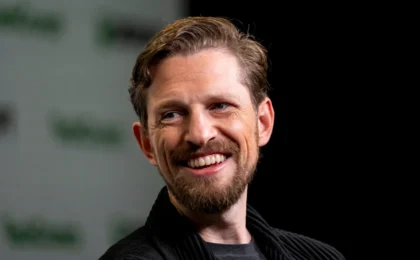
In a dramatic assertion of control, Automattic CEO Matt Mullenweg has finalized a sweeping reconstruction of the company’s board of directors. This move comes less than three weeks after an attempted boardroom coup saw the previous directors vote to place the founder on a forced leave of absence. The restructuring marks a pivotal moment for the parent company of WordPress.com, Tumblr, and WooCommerce, signaling a new, more centralized era for the tech giant as it navigates both internal volatility and high-stakes external litigation.
The newly appointed board—an eclectic assembly of industry veterans, creative visionaries, and former startup founders—represents a complete departure from the previous governance structure. By leveraging his 84% voting stake, Mullenweg has effectively consolidated power, ensuring that his vision for the future of the company remains unchallenged by the traditional oversight mechanisms that attempted to remove him just days ago.
A Chronology of the "Coup" and Retaliation
The internal strife at Automattic reached a boiling point earlier this month. Without prior warning, the former board of directors convened a special committee and voted to strip Mullenweg of his executive powers, placing him on an immediate, involuntary leave of absence. The board’s specific grievances remain largely shrouded in mystery, as they never issued a public explanation for the maneuver.
Mullenweg, however, did not wait long to respond. The CEO, who founded the company on the bedrock of the open-source WordPress project, acted with remarkable speed. Within 33 hours and 20 minutes of being ousted, Mullenweg had mobilized his majority voting control to reclaim his position. Upon his return, the purge was swift: he either accepted the resignations of or actively removed the directors who had orchestrated the attempt.
The fallout was significant, touching the highest echelons of the company. Among those who departed were long-time associate and founding CEO of Automattic, Toni Schneider, who left his board seat, and General Ann Dunwoody, who was removed by Mullenweg. Sue Decker, another prominent board member, also resigned in the wake of the failed coup. The housecleaning extended to the executive suite, with CFO Mark Davies and Chief Legal Officer Andy Missan both being let go.
Mullenweg, characteristically blunt, took to the social platform X to address the chaos, posting: "Founder advice: If you don’t have a coup attempt every few years, you’re not hiring strong enough leaders."
The New Board and Strategic Advisers
To stabilize the company, Mullenweg has curated a new inner circle that reflects his unique approach to leadership. While the full roster of the new board is still being finalized and integrated, initial reports confirm a diverse mix of talent. Among the notable new faces are the co-founders of the now-defunct social app IRL.
The inclusion of the IRL founders has raised eyebrows in Silicon Valley circles. IRL, which once boasted a massive user base, shuttered abruptly in 2023 after internal and external investigations revealed that the vast majority of its engagement was driven by automated bots rather than human users. The subsequent fallout led to a flurry of litigation, including a high-profile securities fraud lawsuit filed by SoftBank. By bringing these individuals into the fold, Mullenweg is signaling a willingness to court controversy in favor of individuals who share his aggressive, high-growth mindset.
Beyond the formal board, Mullenweg has bolstered his advisory bench with a suite of industry veterans, including former Woop CTO Jaime Waydo, June co-founder Matt Van Horn, and KISSmetrics co-founder Hiten Shah. These individuals are expected to serve as the brain trust for Automattic’s next phase of development.
The Legal and Financial Stakes
The governance crisis is occurring against a backdrop of existential legal pressure. Automattic is currently locked in a bitter trademark and licensing battle with WP Engine, a managed WordPress hosting provider. The conflict centers on claims that WP Engine has failed to contribute adequately to the open-source WordPress project while profiting from its ecosystem.

The intensity of this legal battle has bled into the boardroom, raising questions about whether the attempted ouster of Mullenweg was an effort by the previous board to force a settlement or change the company’s litigation strategy. Shortly after his return, Mullenweg replaced the company’s legal counsel, opting for the heavy-hitting trial firm Susman Godfrey LLP. This transition underscores the company’s intent to move from a defensive posture to an aggressive legal strategy in the face of accusations—documented in court filings—that Mullenweg himself had destroyed evidence related to the WP Engine dispute.
Official Statements and Internal Communications
In an internal message delivered to Automattic staff, Mullenweg made it clear that he views the previous actions against him as a breach of protocol. He emphasized that the move was made without warning and denied him the opportunity to defend his record or address the board’s concerns.
"For purposes of Delaware law, I am the CEO, President, Treasurer, and Secretary," Mullenweg wrote to employees, asserting his absolute control over the firm’s administrative and legal entities. He framed the event not as a failure of his leadership, but as a filter that ultimately resulted in him being surrounded by "many amazing supporters."
In a statement provided to the press following the announcement, Mullenweg struck a philosophical tone regarding the volatility: "We are living through times of unprecedented change, possibly a singularity. The next six months will determine the next 20 years of Automattic."
The Implications for Automattic and the Open Web
The consolidation of power at the top of Automattic has profound implications for the future of the web. WordPress powers roughly 40% of the internet, making decisions made within Automattic’s walls matters of global digital infrastructure.
1. Centralization vs. Open Source
Mullenweg has long balanced his role as the leader of a for-profit corporation with his stewardship of the open-source WordPress community. The recent boardroom drama suggests that the "corporate" side of the house is moving toward a more centralized, founder-led model. This may alienate parts of the community that fear a drift away from the project’s democratic, open-source roots.
2. Governance in the Age of Founders
The "coup" and its subsequent failure highlight the extreme power dynamics inherent in modern tech companies where founders hold super-voting shares. When a board loses the ability to check a CEO, the company becomes an extension of that individual’s personal will. While this can lead to rapid innovation and decisive action, it also eliminates the "fail-safe" mechanisms designed to protect shareholders and stakeholders from poor judgment.
3. The Future of Litigation
With a fresh board and a new, aggressive legal team, Automattic is unlikely to back down in its fight with WP Engine. The resolution of this dispute will set a precedent for how open-source projects interact with the commercial entities that build services on top of them. If Mullenweg succeeds, he may fundamentally reshape the economics of the WordPress ecosystem.
4. Cultural Drift
The turnover of the CFO and Chief Legal Officer, coupled with the arrival of a more "eclectic" board, suggests that the internal culture of Automattic is poised for a transformation. Employees, many of whom were reportedly unsettled by the sudden power vacuum and the subsequent purge, will be watching closely to see how the company’s mission—which Mullenweg insists remains unchanged—aligns with the new, more combative leadership style.
As the dust settles, the tech industry is left to wonder if the 33-hour saga was merely a blip in the company’s history or the first sign of a deeper, more permanent change in how one of the world’s most influential companies operates. For Matt Mullenweg, the path forward is clear: he is doubling down on his vision, betting his reputation and his company on the idea that in times of singularity, only the bold survive.