Home to 3.5 million residents, Madrid is more than just the political capital of Spain; it is a sprawling, pulsating metropolis that serves as the nation’s cultural and artistic heartbeat. While coastal cities like Barcelona often dominate the international tourism narrative, Madrid offers a distinct, sophisticated energy that rewards the patient traveler. From its grand 18th-century architecture to a nightlife that refuses to dim until the sun rises, the city is a masterclass in urban vitality. With over 10 million annual visitors, Madrid has solidified its status as one of Europe’s premier destinations—and for those who know how to navigate its rhythms, it is perhaps the most rewarding.
The Rhythm of the Capital: Understanding the Madrileño Pace
To visit Madrid is to abandon the frantic "checklist" style of tourism. Much like the rest of Spain, the city operates on a delayed internal clock. Dinner is a late-night affair, and social gatherings often extend into the early hours of the morning. For the uninitiated, this might feel like a slow-motion adjustment, but it is, in fact, the city’s greatest luxury. By embracing the long, multi-course lunches and the deliberate pace of evening strolls, travelers unlock the "authentic" Madrid. It is a city that doesn’t just house art; it is art—a collection of neighborhoods where the energy shifts from the stately, manicured plazas of the Habsburg era to the avant-garde, bohemian streets of Malasaña.
Day 1: A Pilgrimage Through the "Art Walk"
Madrid’s cultural density is perhaps best represented by its "Golden Triangle of Art," a prestigious zone designated as a UNESCO World Heritage site in 2021. This area houses over 40 monuments and historic structures, forming the epicenter of the city’s intellectual heritage.
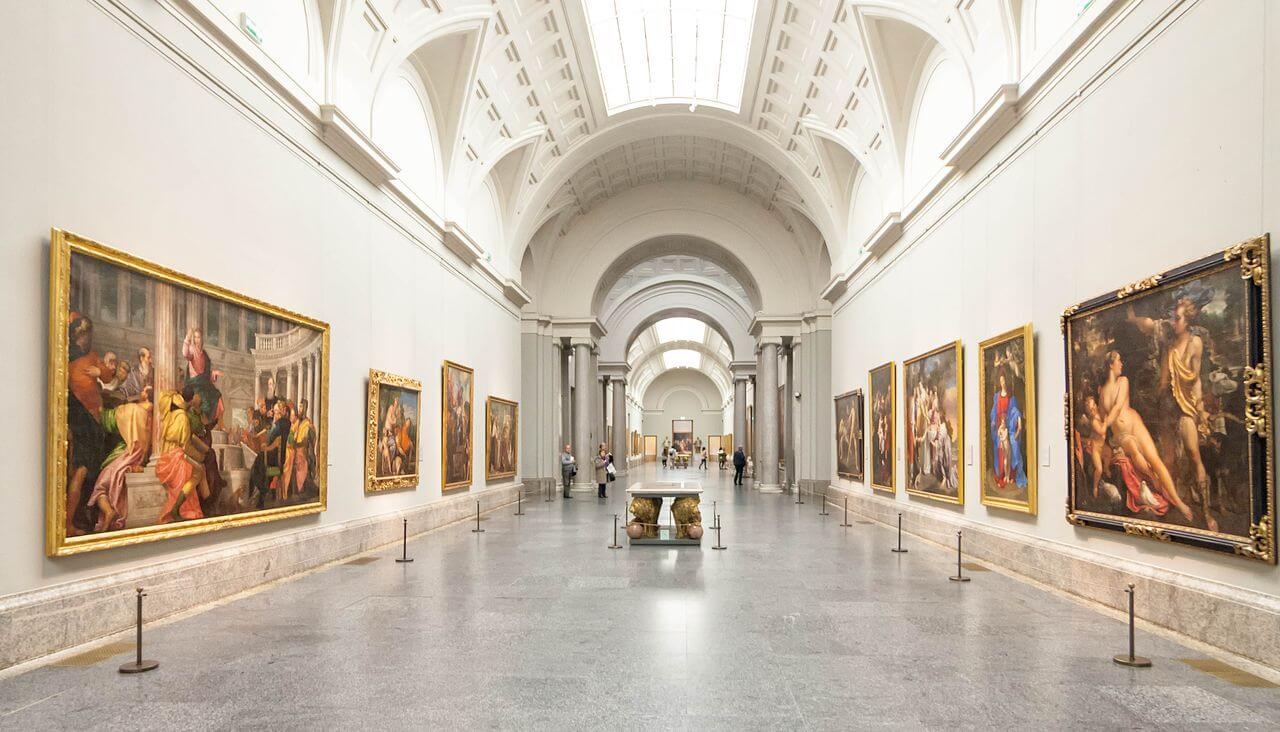
The journey begins at the Prado Museum, an institution that rivals the Louvre and the Uffizi. Housing the definitive collections of Velázquez, Goya, and El Greco, the Prado is not merely a museum; it is a pilgrimage site for art history. Visitors should allocate at least three to four hours here to truly appreciate the breadth of the collection, which also features works by Rubens, Botticelli, and Caravaggio.
A short walk along the tree-lined Paseo del Prado leads to the Thyssen-Bornemisza Museum, a private collection that acts as the perfect bridge between the classical and the contemporary. The route culminates at the Reina Sofía National Art Center, which houses the world’s most significant collection of 20th-century Spanish art. The centerpiece, Picasso’s Guernica, remains a visceral, moving testament to the horrors of war.
After a day of visual immersion, shift your focus to the palate. For a traditional cocido madrileño (a hearty chickpea-based stew), head to Taberna La Fragua de Vulcano. If you prefer an atmospheric setting, Bodega de los Secretos offers dining within restored 17th-century wine caves. Before retiring, explore the city’s "House Museums," such as the Sorolla Museum, the former home of the "painter of light," which provides an intimate glimpse into the life of Spain’s master impressionist.
Day 2: The Habsburg Legacy and Royal Grandeur
The second day moves into the medieval and Renaissance history of the city, known as Madrid de los Austrias. The hub of this district is Puerta del Sol, the physical center of Spain. Travelers can stand on the "Kilometer Zero" plaque, the official starting point for the country’s highway system, and pay respects to the El Oso y el Madroño (The Bear and the Strawberry Tree) statue—a symbol of the city’s coat of arms.
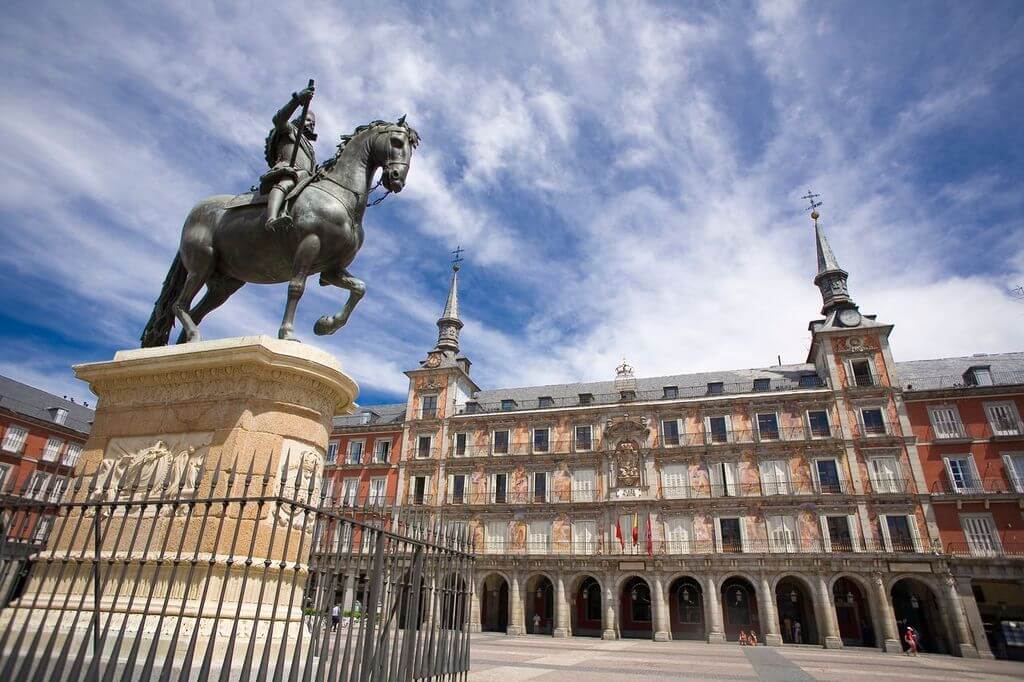
Walking toward the Plaza Mayor, one can feel the weight of history. Once the site of bullfights, public executions, and royal proclamations, the square is now a vibrant, if tourist-heavy, hub for people-watching. For an authentic local experience, bypass the pricey cafes for a classic calamari sandwich in the narrow alleys surrounding the plaza.
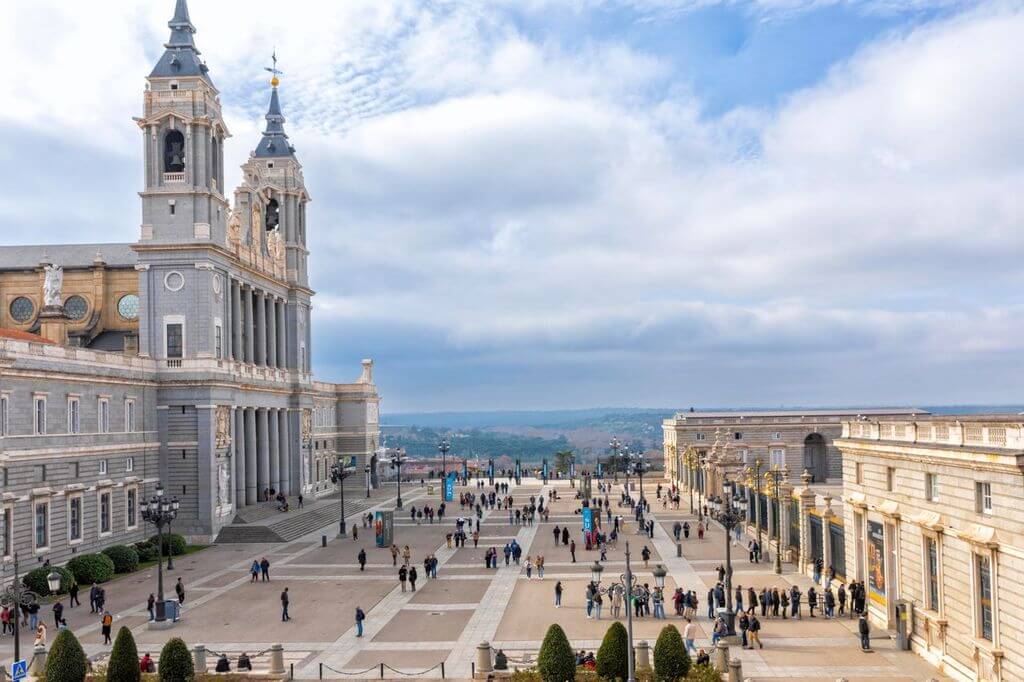
The afternoon belongs to the Royal Palace of Madrid. As the largest royal palace in Western Europe, it serves as a monument to the grandeur of the Spanish Empire. While the royal family no longer resides here, the 3,400-room structure is a treasury of decorative arts, including works by Caravaggio and Goya. Conclude the day at the Almudena Cathedral, a fascinating architectural study that combines Neo-Classical exteriors with a surprising Neo-Romanesque crypt.
Day 3: Culinary Discovery and Rooftop Vistas
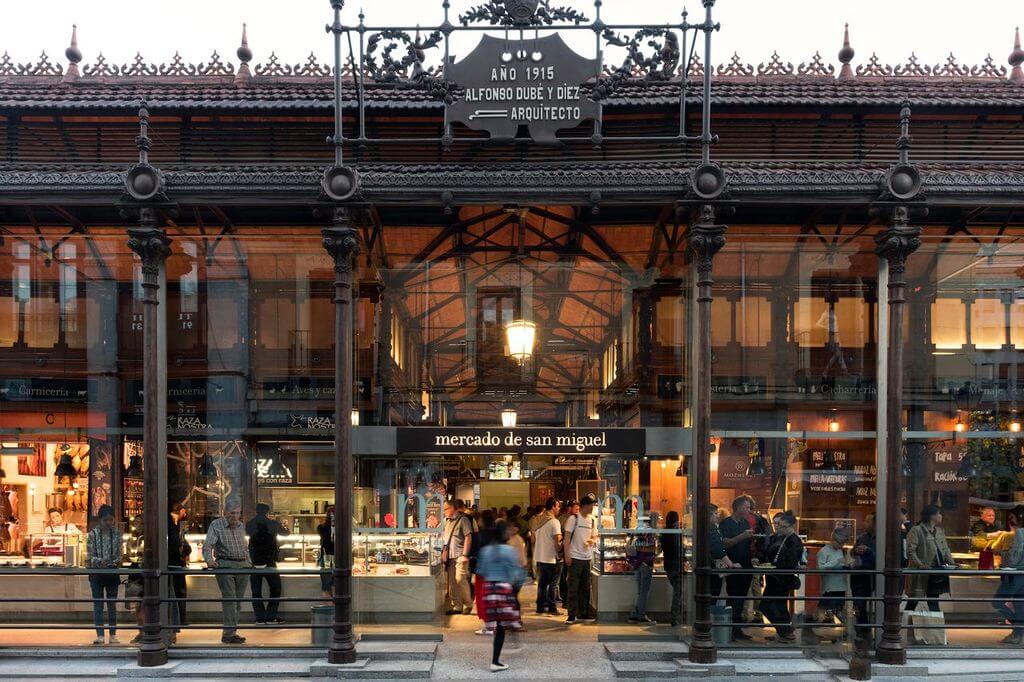
Madrid is, arguably, the culinary capital of Europe. Rather than relying solely on sit-down restaurants, embrace the local tradition of "tapas crawling." Start at the Mercado de San Miguel, a glass-walled temple to gastronomy. For a more neighborhood-centric feel, visit the Mercado de San Antón in the trendy Chueca district.
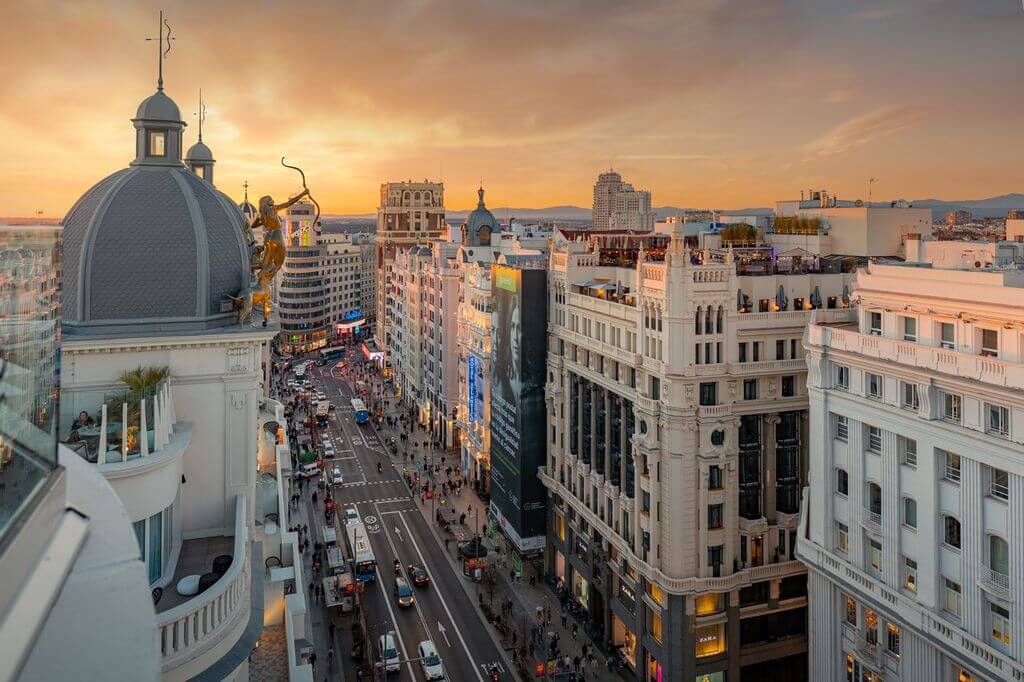
For dinner, history buffs should book a table at Sobrino de Botín, recognized by the Guinness World Records as the world’s oldest restaurant—a favorite haunt of Ernest Hemingway. As night falls, transition to the "rooftop culture" that defines modern Madrid. Establishments like The Roof at Picalagartos or the RIU 360° Sky Bar offer unmatched views of the skyline, particularly stunning as the city lights up below. It is worth noting that Madrid has recently emerged as a global leader in plant-based cuisine, with Malasaña housing a variety of sophisticated vegetarian and vegan options that reinterpret traditional Spanish dishes.
Day 4: UNESCO Wonders and Imperial Day Trips
While the city center is a masterpiece, the surrounding region offers profound UNESCO-recognized treasures.
- San Lorenzo de El Escorial: Located one hour from Madrid, this massive 16th-century complex served as the burial place of Spanish monarchs. Its austere granite architecture is a stark contrast to the opulence of the Royal Palace.
- Aranjuez: Often compared to Versailles, the Royal Palace and Gardens of Aranjuez reflect the delicate intersection of Renaissance and Baroque landscape design.
- Alcalá de Henares: The birthplace of Miguel de Cervantes, this university town offers a perfectly preserved look into the Spanish Golden Age.
Day 5: Hidden Treasures and Local Secrets
On your final day, explore the "cloistered" side of Madrid. The Monastery of Las Descalzas Reales and the Royal Monastery of La Encarnación offer a quiet, contemplative end to the trip. These former convents, hidden behind unassuming facades, house incredible collections of royal art and religious relics.
Conclude your visit at Casa de Campo, the city’s largest public park. Stretching over 17 square kilometers, this former royal hunting ground provides the best panoramic views of the Royal Palace and the Almudena Cathedral. It is a space of respite and reflection—the perfect vantage point to appreciate the scale and beauty of a city that has served as a bridge between empires for centuries.
Implications for the Modern Traveler
Madrid’s enduring appeal lies in its refusal to dilute its culture for mass tourism. Whether you are navigating the heavy history of the Habsburg dynasty or sampling the innovative vegan tapas of a contemporary kitchen, the city demands engagement. As the city continues to modernize, it remains firmly rooted in its identity as a "night owl" capital—a place where the day never truly ends, and the next discovery is always just around the corner. By prioritizing the city’s art, history, and culinary depth, travelers ensure that their time in Madrid is not just a vacation, but a meaningful cultural immersion.