Home to 3.5 million residents, Madrid is not merely the capital of Spain; it is a sprawling, pulsating metropolis that serves as the administrative, cultural, and geographic heart of the Iberian Peninsula. While coastal cities like Barcelona often dominate the international tourism narrative, Madrid offers a distinct, deep-rooted allure. With over 10 million annual visitors, the city has successfully balanced its status as a global financial hub with an unapologetic commitment to the "slow life"—a culture where meals are savored for hours, dinner begins when most of the world is preparing for bed, and the nightlife is a marathon that stretches toward the sunrise.
To explore Madrid is to embrace a rhythm that rewards the patient traveler. Whether you are navigating the opulent corridors of royal palaces or discovering the quiet, hidden courtyards of a 17th-century monastery, Madrid provides a masterclass in history, art, and the art of living well.
The Madrid Blueprint: Navigating a European Titan
Main Facts: The City of Seven Stars
Madrid’s geographical position at the center of the Iberian Peninsula makes it the literal hub of Spain. Kilometer Zero, located in the bustling Puerta del Sol, marks the starting point of the country’s entire road network. The city’s identity is steeped in symbols: the Oso y el Madroño (Bear and the Strawberry Tree) statue serves as a reminder of the city’s humble, forested origins, while the Habsburg-era architecture provides a regal backdrop for its modern, cosmopolitan growth.
The Chronology of an Epic Five-Day Journey
Day 1: Immersion in the Art Walk
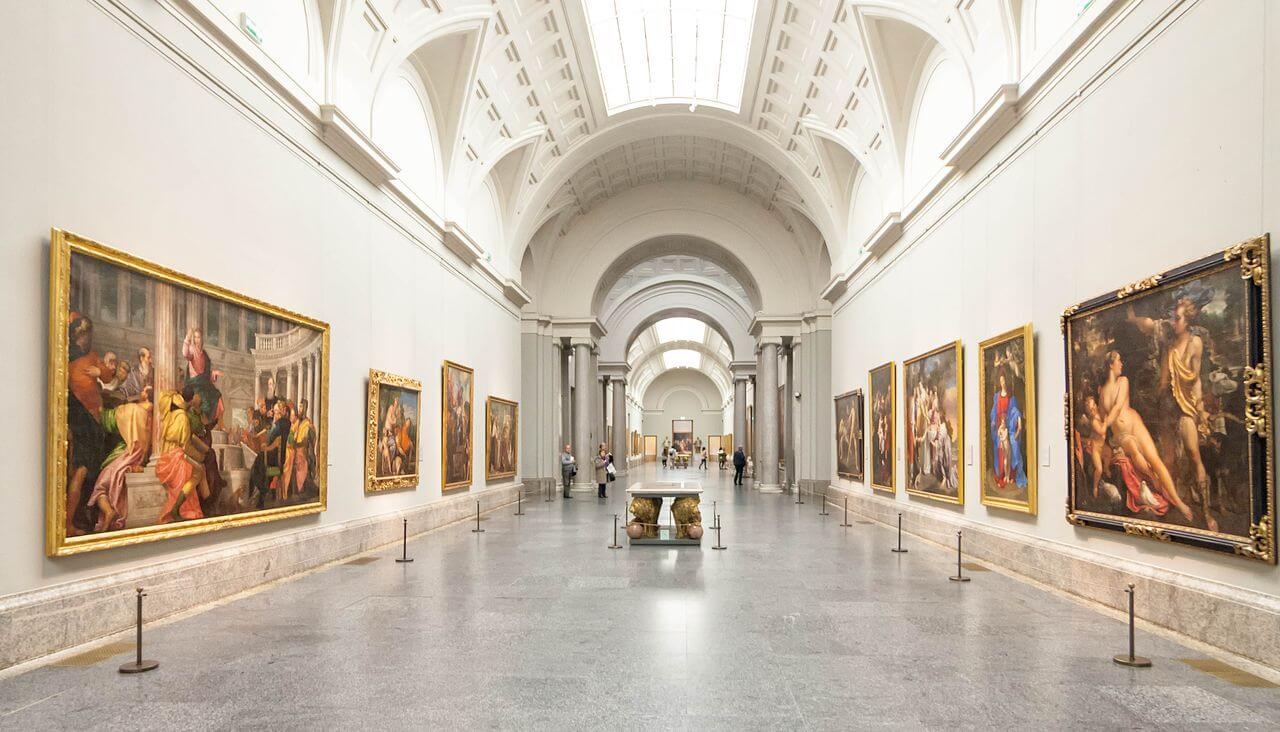
The "Paseo del Arte" is a UNESCO World Heritage-designated stretch that houses the highest concentration of artistic genius in the world. Begin your journey at the Prado Museum. Spanning centuries of European mastery, the collection includes unparalleled works by El Greco, Velázquez, and Goya. To truly appreciate the breadth of the collection, one should allocate at least three to four hours.
Follow this with the Thyssen-Bornemisza Museum, which provides a bridge from the Renaissance to Pop Art, before concluding at the Reina Sofía National Art Center. The centerpiece here is Pablo Picasso’s Guernica, an evocative, harrowing anti-war masterpiece. For a change of pace, visit the Sorolla Museum—a sun-drenched sanctuary often called the "painter of light’s" residence—which is set for a grand reopening in 2026.
Day 2: The Grandeur of the Habsburg Era
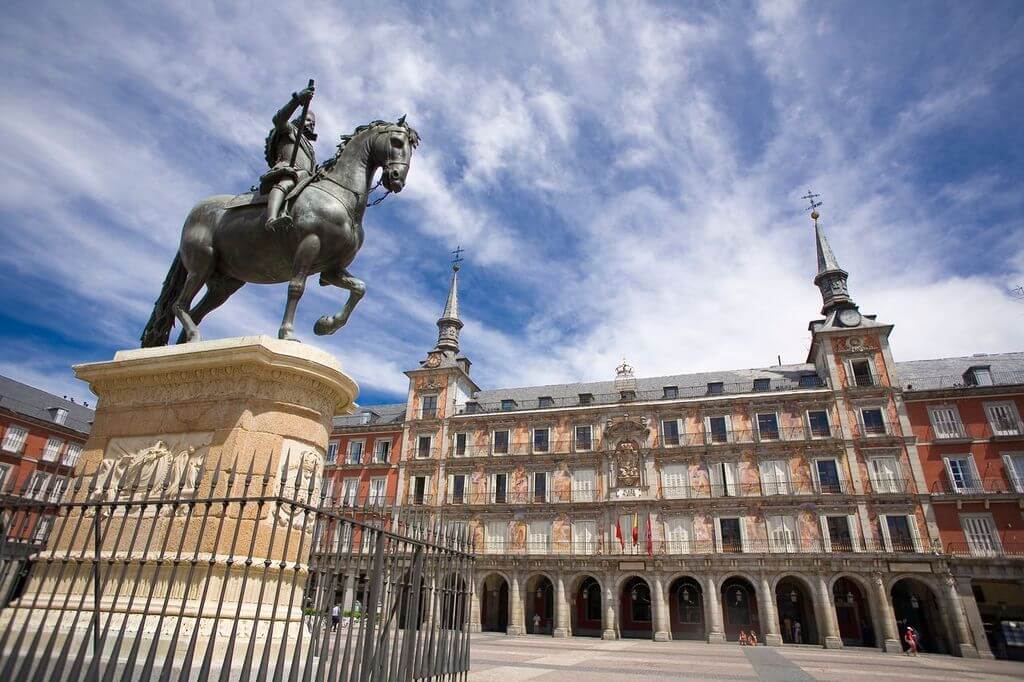
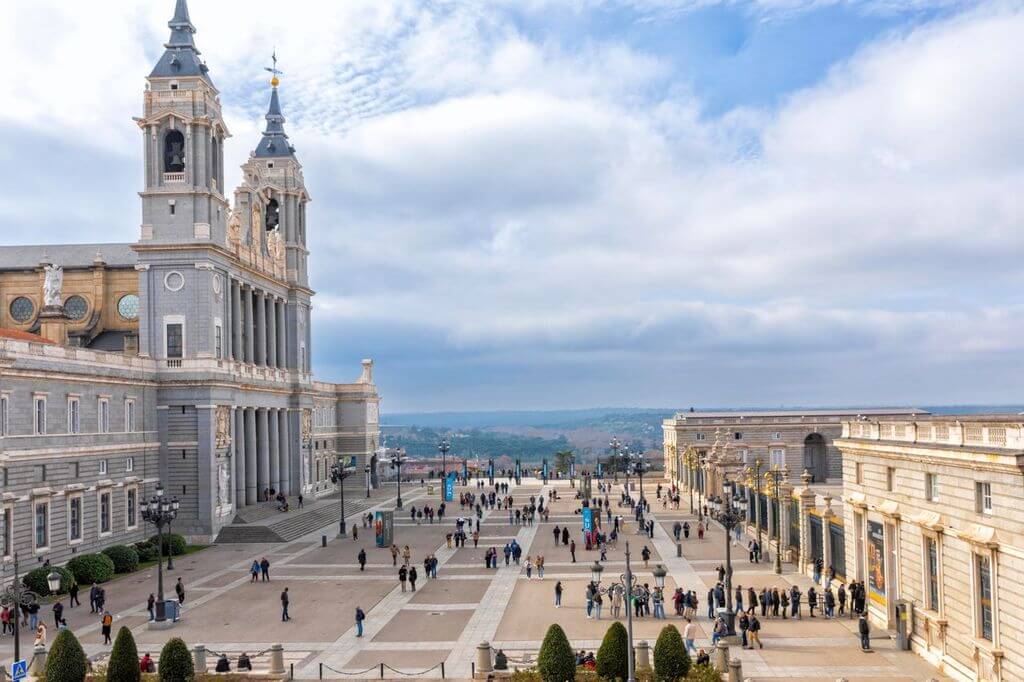
Delve into Madrid de los Austrias, the medieval and Renaissance district. Start at the Puerta del Sol, then walk toward the Plaza Mayor. Once the stage for royal tournaments and public trials, it remains the city’s social square. After an obligatory calamari sandwich—a local culinary rite of passage—head to the Royal Palace. Boasting 3,400 rooms, this Baroque monument is a testament to the might of the Spanish Empire. End the day at the Almudena Cathedral, a fascinating architectural hybrid that took over a century to complete and offers breathtaking panoramic views of the skyline.
Day 3: A Culinary Odyssey
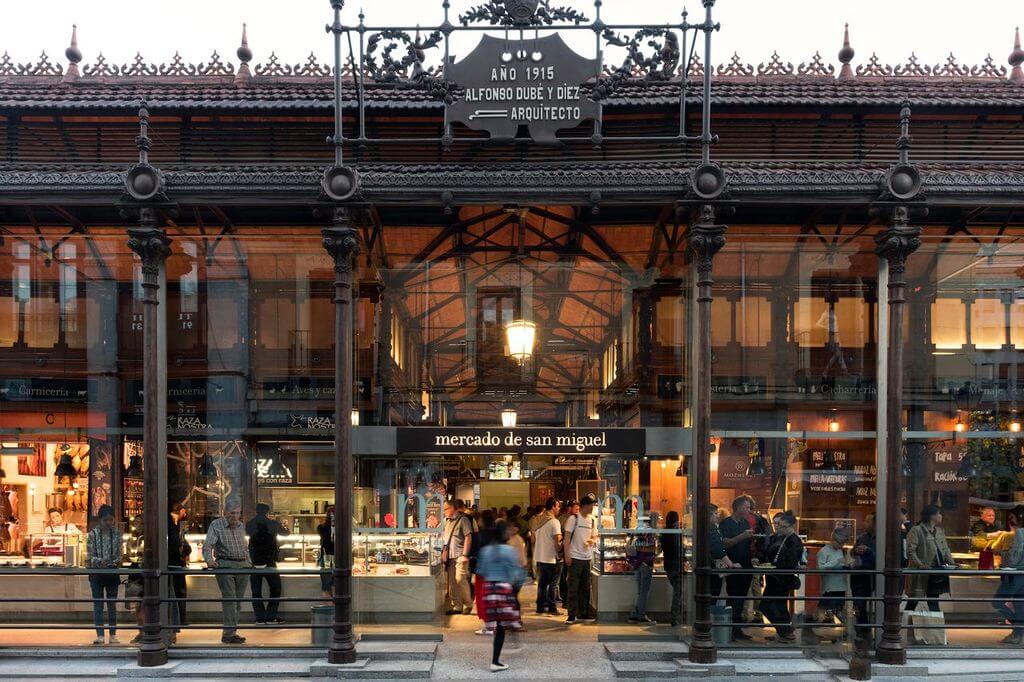
Madrid is arguably Europe’s most exciting food destination. Eschew the tourist traps and head to the Mercado de San Miguel for high-end gourmet tapas. For a more authentic, deep-dive experience, visit the Mercado de San Antón in the vibrant Chueca neighborhood.
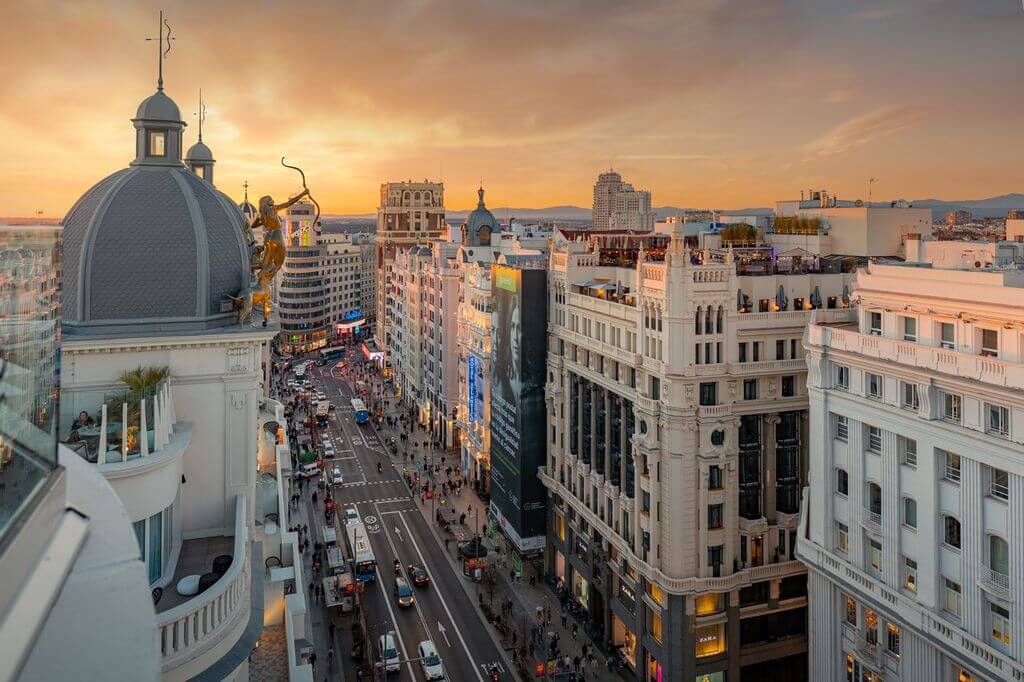
For the evening, secure a reservation at Sobrino de Botín, the world’s oldest restaurant according to the Guinness World Records. For those seeking a modern twist, the "rooftop culture" of Gran Vía—featuring venues like the 360-degree sky bar at the RIU—offers a sophisticated way to view the city as the lights begin to twinkle.
Day 4: UNESCO Wonders Beyond the City Limits
While the "Landscape of Light" (El Retiro and the Paseo del Prado) is a local UNESCO site, the surrounding region holds immense treasures. A one-hour trip brings you to the Monastery of San Lorenzo de El Escorial, an austere, granite-hewn imperial complex that served as the tomb for Spanish monarchs. Alternatively, the Royal Palace of Aranjuez provides a glimpse into the lavish lives of the royal family during the spring months, featuring gardens that rival those of Versailles.
Day 5: The Hidden Treasures
Spend your final day uncovering the city’s quietest corners. The Monastery of Las Descalzas Reales and the Royal Monastery of La Encarnación are "hidden" palaces that house vast, cloistered art collections. These sites offer a glimpse into the religious and aristocratic history of the city. Conclude your trip at Casa de Campo, a 17-square-kilometer park. Overlooking the lake, with the silhouettes of the Royal Palace and the cathedral in the distance, you will find the perfect vantage point to reflect on your journey.
Supporting Data and Cultural Implications
The Economics of Madrid Tourism
The "slow tourism" movement in Madrid has had a measurable impact on the city’s economy. By encouraging travelers to spend more time in neighborhoods like Malasaña or La Latina, the local government has successfully decentralized tourism away from the overcrowded center. Statistics suggest that travelers who participate in local "tapas crawling" or visit neighborhood-specific markets contribute 30% more to the local economy than those who stick to traditional sightseeing loops.
The Rise of Plant-Based Madrid
A significant shift in Madrid’s culinary scene is the rapid expansion of vegetarian and vegan options. Long considered a bastion of meat-heavy dishes like cocido madrileño and jamón ibérico, the city has seen a 40% increase in plant-based establishments since 2020. This evolution reflects a broader European trend toward sustainability and inclusivity in dining.
Expert Perspectives and Official Insights
When asked about the "Madrid state of mind," local historians point to the concept of sobremesa—the tradition of lingering at the table long after the meal has finished to converse. It is not an idle habit, but a fundamental pillar of the city’s social fabric.
"Madrid does not force itself upon you," notes one local cultural guide. "It asks you to be present. Whether it is in the quiet intensity of a Goya painting or the chaotic, joyous energy of a midnight terrace, the city demands you set aside your watch and join the flow."
Implications for the Future Traveler
For the modern traveler, Madrid represents a paradox: it is a high-speed, modern capital that functions on a traditional, human-centric timeline. The implications for those planning a visit are clear:
- Pace yourself: The city’s best experiences happen after 10:00 PM.
- Prioritize the "House Museums": While the large institutions (Prado, Reina Sofía) are non-negotiable, the intimate, private palaces provide a much deeper emotional connection to the city’s history.
- Utilize Local Transit: The Madrid Metro is one of the most efficient in Europe. Combined with a commitment to walking, it allows you to bypass the sprawl and see the city as the locals do.
Madrid remains one of the few European capitals that feels both intensely historical and undeniably current. By moving past the surface-level attractions and leaning into the rhythm of the city, travelers gain access to an authentic experience that few other cities can provide. Whether you are a fan of 17th-century art or modern sustainable gastronomy, Madrid is a city that not only meets expectations but persistently reframes them.
For those preparing for their trip, remember to secure comprehensive travel insurance and utilize local search engines like Skyscanner for flights to ensure you find the best value, leaving more room in your budget to enjoy the world-class culinary scene that makes Madrid a top-tier destination.