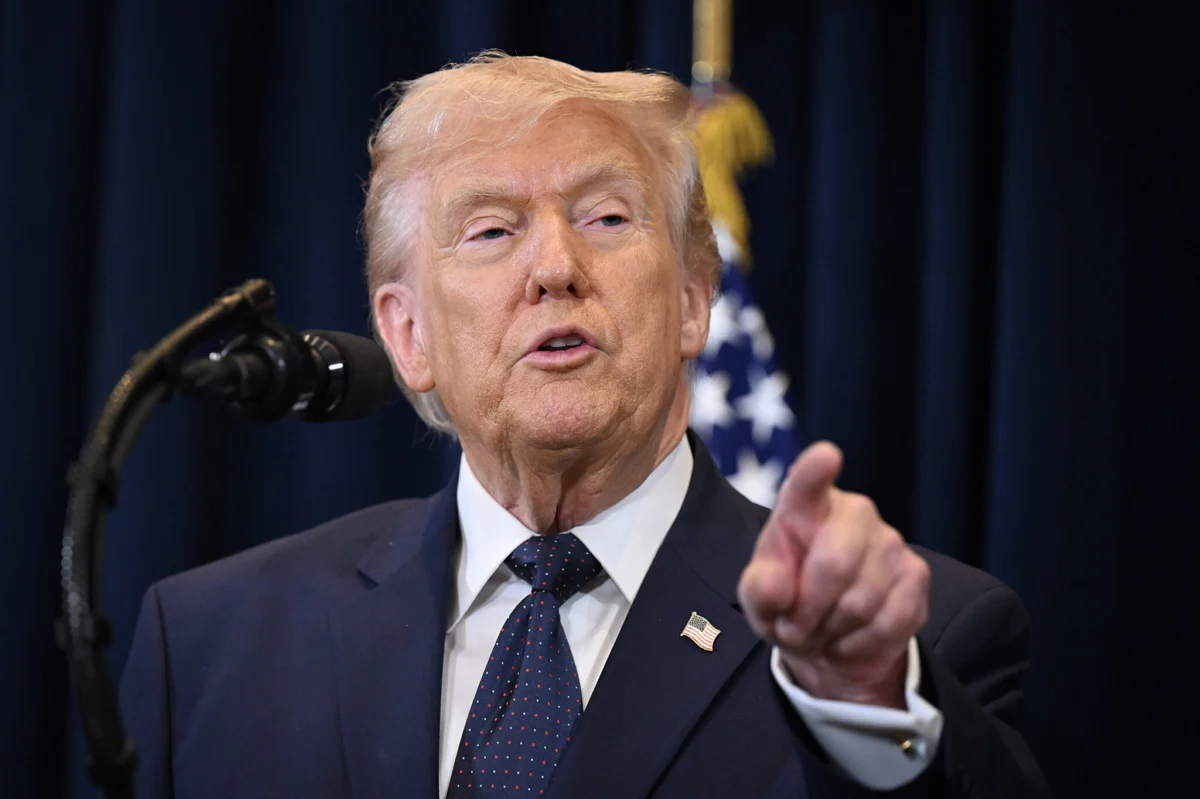
In a significant escalation of the ongoing tension between the executive branch and the Fourth Estate, a coalition of prominent news organizations—comprising MS NOW, CNN, and Politico—has filed a federal lawsuit against President Donald Trump and several key administration officials. The legal action, lodged in the U.S. District Court for the District of Columbia, serves as a direct challenge to the administration’s recent decision to revoke the White House press credentials of journalists from these organizations, effectively barring them from physical access to the White House grounds.
The move represents a major constitutional showdown, with the plaintiffs arguing that the administration’s actions constitute a flagrant violation of First Amendment rights. The lawsuit seeks an immediate injunction to restore access for their reporters, asserting that the government cannot utilize access to the seat of power as a tool for retaliation against coverage it finds unfavorable.
The Core of the Dispute: Constitutional Protections vs. Executive Authority
At the heart of the litigation is the fundamental question of whether the White House can exercise arbitrary control over which members of the press are permitted to cover the President. The plaintiffs argue that the revocation of credentials occurred "without notice or process," suggesting that the administration’s motivation was purely punitive, rooted in a dislike for the content of their reporting.
In their joint statement, the news organizations were unequivocal: "This morning, we notified the government that we are filing a lawsuit today to protect our First Amendment rights and defend the principle that the government does not decide what the press reports or publishes. Left unchallenged, this threatens press freedom and the public’s right to independent journalism free from government interference."
The legal filing, which characterizes the ban as a "direct assault on the First Amendment," emphasizes that press credentials are not merely badges of convenience but are essential property interests that facilitate the public’s right to be informed. By stripping these credentials without due process, the lawsuit contends, the administration has deprived the organizations of their liberty interest in covering the federal government—a cornerstone of a functioning democracy.
A History of Contention: Precedents and Patterns
This is not the first time the Trump administration has locked horns with the media over access to the White House. The current litigation echoes the landmark 2018 legal battle involving CNN correspondent Jim Acosta. During that incident, the White House revoked Acosta’s credentials following a tense exchange at a press conference, during which a staffer attempted to physically seize a microphone from the journalist.
In that instance, a federal judge granted a temporary restraining order, forcing the White House to restore Acosta’s access while the litigation proceeded. The administration eventually backed down, choosing to drop the matter rather than risk a permanent, binding judicial ruling on the extent of presidential power over the press corps. The plaintiffs in the current suit are clearly hoping for a similar, if not more definitive, judicial intervention that will establish clear boundaries for future administrations.
However, the legal landscape has grown increasingly volatile. The current lawsuit is part of a broader pattern of friction between the federal government and major media conglomerates. Notably, in August, Disney’s ABC filed its own First Amendment lawsuit against the Federal Communications Commission (FCC). That case centers on allegations that the Trump administration exerted "unusual pressure" on the network, specifically by attempting to force its broadcast stations to submit to early license renewal proceedings—a move widely interpreted by media analysts as an attempt to coerce favorable coverage through regulatory threats.
Chronology of the Current Conflict
The path to this litigation has been marked by a rapid deterioration in communication between the White House and the affected outlets. While the White House has not yet provided a detailed public justification for the specific bans, the timing suggests a response to a series of investigative reports published by the three outlets regarding administration personnel and policy shifts.
- Pre-filing: Internal memos at the news organizations indicate a period of mounting frustration as journalists reported being increasingly sidelined or ignored during briefing sessions.
- The Revocation: The administration notified the outlets of the credential revocation via a brief, written directive that cited "administrative security concerns" but failed to provide specific evidence of wrongdoing by the affected journalists.
- The Legal Filing: Following unsuccessful attempts to resolve the matter through private counsel, the outlets officially filed suit in the U.S. District Court for the District of Columbia on Monday.
- The Defendants: The suit names President Donald Trump as the lead defendant, alongside White House Communications Director Steven Cheung, Secret Service Director Sean Curran, and White House Chief of Staff Susan Wiles.
Legal Implications and the "Property Interest" Argument
The plaintiffs’ legal strategy hinges on the assertion that White House credentials constitute a protected "property interest." By barring journalists, the lawsuit argues, the government is not merely managing a workspace; it is selectively granting access to public information based on viewpoint discrimination.
"No official can deprive Plaintiffs of those interests on a whim—with no notice, no process, and no warning—as the President did here," the filing states. Legal experts tracking the case note that the judiciary has traditionally been wary of interfering with the Executive Branch’s control over its own premises. However, in the context of the White House—a space that functions as the epicenter of national political news—the courts have historically recognized that the government cannot impose "unconstitutional conditions" on access.
The suit seeks to establish that any attempt to revoke such access must meet a high standard of due process, including a formal notice of the reasons for the ban and an opportunity for the journalist or organization to respond.
The Broader Implications for Press Freedom
The implications of this case extend far beyond the offices of CNN, MS NOW, and Politico. If the administration is permitted to revoke credentials without oversight, it sets a chilling precedent that could embolden future administrations to use similar tactics against any outlet that provides critical coverage.
Media advocates argue that the strength of the American political system relies on a skeptical, independent press corps. By creating a "gatekeeping" system where access is a reward for compliance, the White House threatens to transform the White House Press Corps into a public relations arm of the administration.
"The Constitution does not allow a president or any other government official to deprive the press of their First Amendment rights and liberty and property interests with no notice or process based solely on that official’s dislike of the content of their reporting," the lawsuit concludes.
Official Responses and Next Steps
As of this writing, the White House has not issued a formal statement responding to the specific allegations in the lawsuit, though a spokesperson confirmed that the administration is reviewing the filing.
The case will now proceed through the discovery phase, where the plaintiffs will likely demand access to internal White House communications to prove that the revocations were, in fact, retaliatory and content-based rather than related to security concerns. This could lead to a highly public and damaging look into the administration’s internal decision-making processes.
For now, the legal community and the public await a decision from the District Court on the motion for an immediate order to restore the credentials. The outcome of this case will undoubtedly serve as a definitive benchmark for the limits of presidential power in the digital age, testing whether the First Amendment remains a robust shield for the press in an era of heightened polarization.
A full copy of the lawsuit and supporting documentation can be accessed via the public record at the U.S. District Court for the District of Columbia or through the link provided in the original filing.