Rice serves as the foundational caloric anchor for more than half of the human population, yet for decades, nutrition science has focused almost exclusively on its carbohydrate profile. With over 85% of the average grain composed of starch, rice has been categorized primarily as an energy source. However, a groundbreaking study from Hokkaido University is shifting this paradigm, revealing that the "minor" components of rice—specifically its lipids—hold the key to significant, untapped health benefits.
By conducting a sophisticated molecular map of japonica rice, researchers have uncovered a complex world of bioactive fats that could redefine how we view this global dietary staple.
The Main Facts: Rethinking the Rice Grain
While starch provides the energy that fuels billions, the remaining 15% of the rice grain—comprising protein, fat, and trace micronutrients—has historically been relegated to the background. Lipids, which make up roughly 2% of the grain, have been particularly overlooked.
Lead researcher Associate Professor Siddabasave Gowda and his team at Hokkaido University have challenged this oversight. Their comprehensive study, published in Food Research International, indicates that these trace fats are not merely structural fillers. Instead, they are critical components that govern cell membrane integrity, energy storage, and essential biological signaling. By analyzing 56 distinct cultivars of japonica rice—the short-to-medium grain variety synonymous with Japanese cuisine—the team has proven that not all rice is created equal.
A Chronological Journey of Discovery
The path to this discovery involved a rigorous, multi-stage analytical process that bridged traditional agricultural science with state-of-the-art biochemistry.
Phase 1: Sample Collection and Diversity
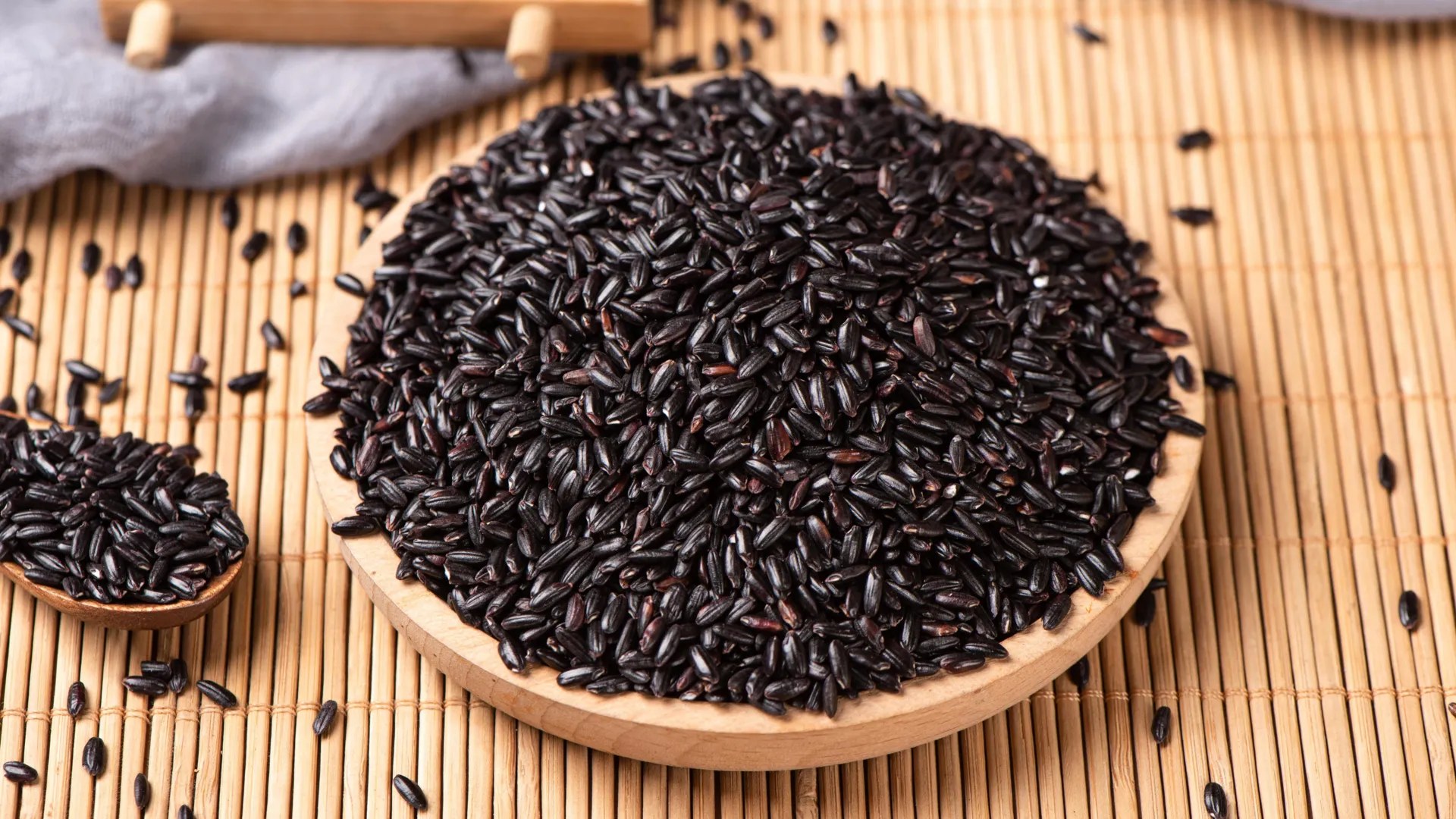
The project began with the curation of 56 diverse japonica rice cultivars sourced from across Japan. The researchers specifically targeted a broad spectrum of varieties, including standard white rice alongside more vibrant, pigmented varieties such as brown, red, green, and black rice. This diversity was essential to determine whether the color of the bran layer correlates with a more complex lipid profile.
Phase 2: High-Resolution Molecular Mapping
Using advanced analytical technologies—specifically liquid chromatography and mass spectrometry—the team moved beyond traditional nutritional assays. These tools allowed for the identification of 196 distinct lipid molecules categorized into five major groups. This high-resolution mapping represents one of the most granular looks at rice biochemistry to date.
Phase 3: Simulated Digestion and Metabolic Testing
To understand the real-world implications of these lipids, the team conducted laboratory-based simulated digestion. By treating cooked rice samples with specific human digestive enzymes, the scientists measured the rate at which starch broke down into glucose. This "in vitro" approach provided a vital proxy for glycemic response, allowing the team to observe how different rice types interact with the human metabolic process.
Supporting Data: The Superiority of Pigmented Varieties
The findings offer a compelling argument for the inclusion of pigmented rice in the human diet. While standard white rice is primarily a delivery system for quick-release energy, black and green rice varieties displayed a distinct biochemical profile that suggests a much higher "health-promotion index."
The Discovery of FAHMFAs and LNAPEs
The most significant breakthrough was the identification of two specific lipid classes: FAHMFAs (fatty acid esters of hydroxy medium-chain fatty acids) and LNAPEs (N-acyl-lysophosphatidylethanolamines).
- FAHMFAs: This study marks the first time these compounds have been identified in rice. In other biological contexts, FAHMFAs have been linked to anti-inflammatory pathways and improved glucose tolerance.
- LNAPEs: These lipids have been previously associated with metabolic health and are believed to play a role in regulating inflammatory responses in the body.
Glycemic Control Metrics
The laboratory simulations yielded striking results regarding blood sugar. Pigmented varieties demonstrated a significantly slower rate of starch degradation compared to standard white rice. This slower breakdown ensures a more gradual entry of glucose into the bloodstream, a property that is highly desirable for metabolic regulation. By tempering the "glycemic spike" that follows a carbohydrate-heavy meal, these rice varieties act more like slow-release fuels rather than simple sugars.
Official Responses and Expert Insights
Associate Professor Siddabasave Gowda, the lead author of the study, views this work as part of a larger mission to catalog the "hidden" wealth of Japan’s food resources.
"Although lipids make up only a small proportion of rice, they are critical in determining its nutritional value," Gowda stated during a press briefing. "They help maintain cell membrane integrity, store energy, and support essential signaling processes in the body."
Gowda’s lab is not stopping at rice. Their research group has already identified novel bioactive lipids in various Japanese dietary staples, including herbal teas, seaweed, and various species of fish. By applying high-end mass spectrometry to these traditional foods, they are effectively "digitizing" the nutritional potential of the Japanese diet.
Regarding the future of the food industry, Gowda noted: "People may be interested in learning about the health benefits of different pigmented rice varieties and, based on this knowledge, choosing the type that best suits their needs. We hope our findings will support the development of new ‘functional’ rice products to better manage diabetes and other lifestyle-related diseases."
Implications: The Future of Functional Foods
The implications of this research are far-reaching, extending from the grocery aisle to the clinical management of chronic illness.
Redefining "Functional" Nutrition
The term "functional food" refers to items that provide health benefits beyond basic nutrition. By identifying the specific lipid profiles that contribute to slower glucose absorption and anti-inflammatory properties, food scientists can now treat rice not just as a commodity, but as a customizable health tool. This could lead to the breeding of new cultivars optimized for specific health profiles, such as rice tailored for diabetic patients or heart-health-conscious consumers.
Addressing the Diabetes Crisis
With type 2 diabetes reaching epidemic proportions globally, the search for dietary interventions is more urgent than ever. The ability of pigmented japonica rice to dampen the glycemic response offers a non-pharmaceutical, lifestyle-based strategy for blood sugar management. If these findings are scaled, the simple act of choosing black or green rice over white rice could become a powerful, accessible tool in preventative medicine.
Bridging the Gap Between Culture and Science
Japan’s culinary tradition has long favored japonica rice for its texture and flavor. However, the move toward "white" or highly polished rice in modern diets has often stripped away the most nutrient-dense parts of the grain. This research provides a scientific mandate to return to more traditional, pigmented varieties. It validates the wisdom of ancestral diets while providing the modern biochemical evidence necessary to sway current consumer behavior.
A Call for Continued Exploration
The Hokkaido University study is a proof-of-concept for a new way of looking at food. If 196 lipid molecules can be found in a single grain of rice, what other hidden compounds are currently being ignored in wheat, maize, or legumes? This research sets a new standard for food science, encouraging researchers to look deeper into the minor chemical constituents of our most common foods.
Conclusion
As the global population continues to grow, the need for sustainable, health-promoting staple foods has never been greater. The Hokkaido University team has successfully moved the needle from a one-dimensional view of rice as "empty" starch to a three-dimensional view of rice as a complex, lipid-rich nutritional resource.
By mapping the bioactive landscape of black and green japonica rice, researchers have provided consumers with the information necessary to make better health decisions and have provided the food industry with a blueprint for the next generation of functional products. The "hidden fats" of rice, once ignored, are now positioned to play a leading role in the future of nutrition and chronic disease prevention. As we look toward a future where diet is increasingly used as medicine, the humble rice grain remains a central—and increasingly powerful—ally in the quest for human health.