By Marc Perelman and Sophian Aubin
Published: September 18, 2026
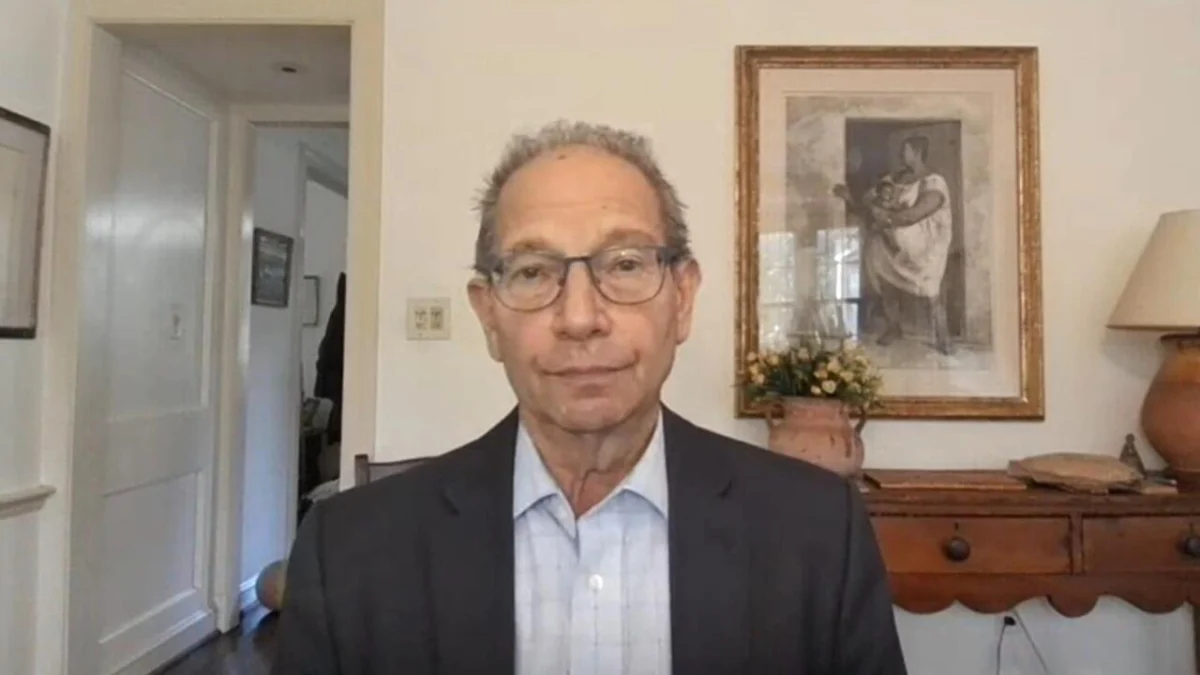
In a candid and wide-ranging interview with FRANCE 24, Charles Kupchan, a former senior member of the National Security Council during the Obama administration, delivered a scathing assessment of the current geopolitical landscape. As the United States navigates the volatile fallout of an escalating conflict with Iran, Kupchan warns that the administration of President Donald Trump faces a defining crisis that threatens both its political longevity and the stability of the global economy.
Kupchan, a veteran foreign policy strategist, characterized the ongoing military engagement in the Middle East as "yet another failed war of choice." According to Kupchan, the decision to engage in direct hostilities with Tehran was not merely a tactical blunder but a strategic miscalculation that has created a precarious environment for the White House as it approaches the critical midterm elections.
Main Facts: A Presidency at the Precipice
The central thesis of Kupchan’s analysis is that the war in Iran has become the "all-consuming fire" of the Trump presidency. Unlike previous interventions that arguably maintained a degree of separation from the American domestic economy, the current conflict has directly correlated with rising energy costs and inflationary pressures.
Kupchan argues that the administration’s decision-making process has become increasingly insular. "The current inner circle of advisers prizes loyalty over fact," Kupchan noted, suggesting that the ideological insulation within the West Wing has blinded policymakers to the long-term ramifications of their military posture. By prioritizing sycophancy over rigorous, evidence-based strategic analysis, the administration has found itself trapped in a cycle of escalation from which it has no clear exit strategy.

This military entanglement has created a "perfect storm" for the administration. With fuel prices reaching record highs and the cost of living becoming the primary concern for the American electorate, the administration is struggling to convince voters that the war is serving any tangible national security interest.
Chronology: The Road to Escalation
The descent into the current conflict was neither sudden nor unforeseen by regional analysts, though it followed a trajectory that many believe could have been avoided.
- Early 2026: Tensions between Washington and Tehran reached a breaking point following a series of disputed maritime incidents in the Strait of Hormuz and a breakdown in back-channel diplomatic communications.
- April 2026: Following a series of retaliatory cyber-attacks and targeted sanctions, the administration announced a "maximum pressure" military campaign, shifting from economic warfare to direct kinetic intervention.
- June 2026: The conflict intensified as Iranian-backed proxies accelerated strikes on U.S. regional assets, prompting the White House to authorize a significant expansion of troop deployments in the Gulf.
- August 2026: The global oil markets reacted violently to the closure of critical transit routes, sending domestic U.S. gas prices surging by over 40% in a span of six weeks.
- September 2026: With the midterm elections looming, the White House shifted to a defensive political posture, attempting to rebrand the conflict as a "necessary defense of sovereignty," a narrative that has struggled to gain traction with the public.
Supporting Data: The Economic Toll
The economic fallout of the Iran war serves as the primary metric for voter discontent. Data provided by independent economic monitors highlights the gravity of the situation:
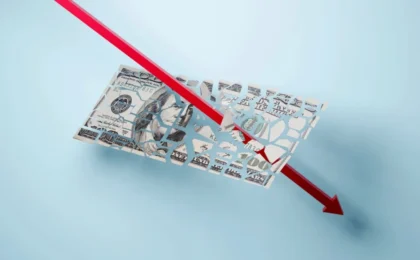
- Inflationary Surge: The CPI (Consumer Price Index) has seen its sharpest spike since the 1970s, largely driven by energy costs. Transportation and heating fuel prices have become the most visible markers of the administration’s economic failure.
- Market Volatility: The S&P 500 has experienced unprecedented volatility, with energy-dependent sectors bearing the brunt of the instability. Investor confidence is at an all-time low as the market anticipates a prolonged conflict.
- Public Sentiment: Recent polling data indicates that 62% of likely midterm voters rank "the handling of the Iran conflict" as their top concern. Crucially, a significant segment of independent voters who supported the administration’s earlier economic policies are now shifting their allegiance due to the perceived mismanagement of the war effort.
Official Responses and Internal Discord
The White House has remained steadfast in its public defense of the war, though reports from within the administration suggest significant internal friction.
The Administration’s Stance
The official line remains that the war is a necessary response to "unprovoked aggression." White House spokespeople have repeatedly emphasized that the administration is protecting American allies and securing global energy pathways. They argue that any withdrawal at this stage would be perceived as a sign of weakness, emboldening adversaries worldwide.

The Dissenting Voices
However, Kupchan’s critique mirrors the private concerns of several high-ranking officials within the State Department and the Pentagon. These dissenters argue that the administration has failed to define "victory" in a way that is either achievable or sustainable. The lack of a clear endgame is, according to these sources, creating a vacuum in which extreme-right factions within the administration are pushing for further escalation, regardless of the political or humanitarian cost.
Implications: The Midterm Stakes and Beyond
The implications of the Iran war extend far beyond the immediate electoral cycle. The conflict has forced a realignment of U.S. foreign policy that many experts believe will have lasting consequences.
A Test of Democracy
Kupchan’s assertion that advisers "prize loyalty over fact" touches on a broader concern regarding the health of American institutions. If the executive branch is shielded from objective reality by a loyalist structure, the risk of "policy capture"—where military action is dictated by political narrative rather than intelligence—becomes high. This, critics argue, undermines the foundational checks and balances of the U.S. government.
Global Geopolitical Shifts
The war has also alienated traditional European allies, who have largely refused to participate in the conflict, viewing it as an unnecessary provocation. This transatlantic rift has provided an opportunity for other global powers, particularly China and Russia, to position themselves as the "adults in the room," offering diplomatic alternatives that further diminish U.S. influence in the Middle East.
The Road to the Midterms
As the November midterms approach, the war in Iran has effectively transformed the political map. The administration’s reliance on "base mobilization"—attempting to appeal to a core group of supporters through nationalist rhetoric—is being tested against the economic realities faced by the broader electorate. If the administration cannot provide a roadmap for de-escalation, the midterm elections are likely to result in a significant power shift in Congress, which would, in turn, lead to increased legislative gridlock and intensified investigations into the administration’s war-making authority.

Conclusion: The Path Forward
Charles Kupchan’s warning is clear: the current trajectory is unsustainable. The "war of choice" has become a "war of necessity" for the administration’s political survival, yet the cost is being paid by the American public at the gas pump and the grocery store.
The coming months will be critical. Whether the White House chooses to pivot toward a diplomatic off-ramp or continues to double down on a policy that is increasingly detached from the reality of the geopolitical landscape will decide the fate of the Trump presidency. For now, the administration remains in a fragile state, balancing the demands of its base against the harsh, unforgiving data of a nation growing increasingly tired of perpetual conflict.
As Kupchan concluded in his interview, "History is rarely kind to administrations that mistake propaganda for strategy. The American people are beginning to see the difference, and the price of that realization will be reflected in the voting booths."