By [Journalist Name/Staff Reporter]
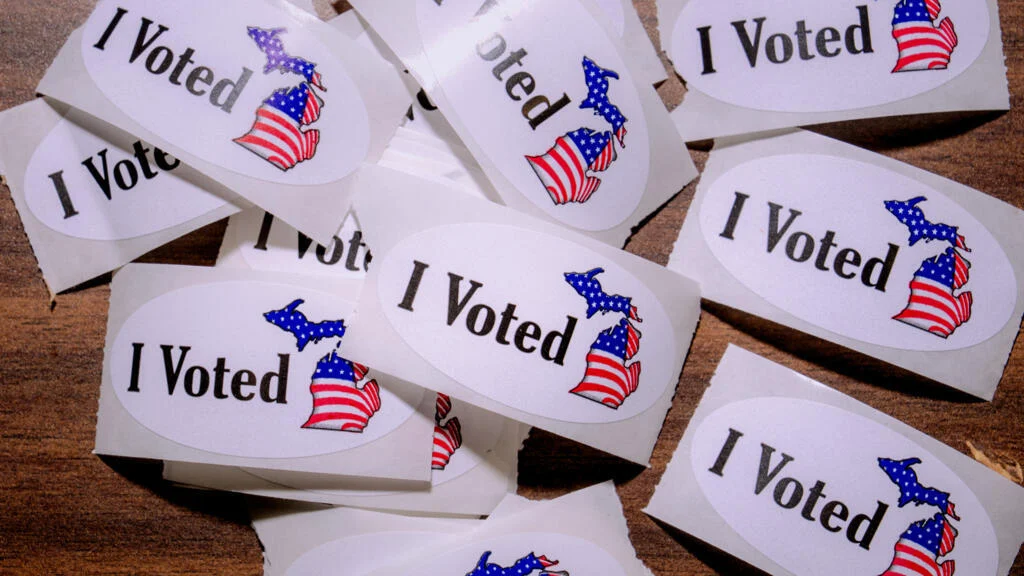
As the autumn leaves begin to turn across the American landscape, a far more consequential shift is taking place in the halls of government and the hearts of the electorate. On Friday, the formal commencement of in-person early voting for the 2026 midterm elections signaled the start of a grueling six-week sprint. With the control of Congress hanging in the balance, the nation finds itself at a precarious crossroads, navigating a volatile mix of economic anxiety, international military entanglements, and a systemic assault on the integrity of the ballot box itself.
The Stakes: A Referendum on the Trump Era
The November 3 elections represent far more than a typical mid-term cycle. With Republican majorities in both the House and Senate under threat, the outcome will dictate the legislative trajectory for the final two years of President Donald Trump’s administration.
Should the Democratic Party manage to reclaim either chamber, the political climate in Washington is expected to shift seismically. A shift in power would likely trigger a flurry of oversight efforts, committee investigations into executive actions, and a legislative blockade of the President’s remaining domestic agenda. Conversely, a Republican sweep would solidify the President’s influence, likely accelerating his immigration enforcement campaigns and further reshaping the federal judiciary.
Beyond the legislative power struggle, voters are grappling with a "poly-crisis" of issues. From the kitchen-table pressures of persistent inflation—manifesting in soaring gas and grocery prices—to the geopolitical uncertainty surrounding the prolonged war in Iran, the electorate is deeply anxious. Compounding this unease is the rapid, often destabilizing emergence of artificial intelligence in the workplace and the broader public square, a technology that many fear is being weaponized to spread disinformation during this very election cycle.
Chronology of a Changing Map
The lead-up to this election has been characterized by an unprecedented wave of mid-decade redistricting. This legislative maneuvering began in earnest when President Trump successfully pressured the Republican-controlled legislature in Texas to redraw congressional maps in favor of the GOP. The trend quickly cascaded, with California and other states implementing their own map overhauls.
The human impact of these changes is profound. According to recent demographic research, approximately one in ten Americans currently resides in a congressional district different from the one they lived in during the 2024 elections. This massive reconfiguration of voting blocks has heightened partisan tensions, as incumbents and challengers alike are forced to navigate entirely new constituencies.
This volatility is expected to persist well beyond 2026. Following a landmark Supreme Court ruling earlier this year that significantly weakened the federal Voting Rights Act, the legal protections against racially discriminatory redistricting have been substantially eroded. This has effectively cleared the path for further aggressive gerrymandering ahead of the 2028 presidential cycle.
The Battle Over the Ballot Box
While election administrators across the country maintain that their systems are robust, secure, and prepared to handle the surge of early voters, the environment in which they operate has become increasingly hostile. President Trump has continued his long-standing strategy of denigrating non-traditional voting methods, particularly mail-in ballots.
This week saw a significant, albeit limited, victory for election integrity advocates when the Supreme Court rejected the administration’s attempt to place sweeping federal restrictions on mail-in ballots. However, the President’s campaign continues on multiple fronts. These include active court challenges aimed at disqualifying thousands of ballots, an expansive federal initiative to scour state voter registration lists for "noncitizen" voters, and a persistent pressure campaign demanding that local election officials surrender sensitive, often confidential, voter data.
The rhetoric regarding noncitizen voting has become a cornerstone of the administration’s messaging. Despite consistent data from researchers and non-partisan oversight groups confirming that voting by noncitizens is statistically negligible—often occurring in cases of clerical error rather than systemic fraud—the President continues to insist that hundreds of thousands of illegal votes are undermining the sanctity of the electoral process.

Supporting Data: The Reality of Election Security
The disparity between the administration’s claims and the findings of election security experts remains stark. David Becker, founder of the Center for Election Innovation and Research, suggests that while the administration’s "disinformation campaign" is likely to escalate, the foundations of the American electoral process are more resilient than they appear.
"The President will likely continue his attacks on election officials as a way to preemptively delegitimize results he doesn’t like," Becker noted. "However, the institutional guardrails are in place. Despite the noise, the process will hold, as it has in previous high-tension cycles."
Meanwhile, voting rights advocates are urging citizens to be proactive. Groups like All Voting Is Local have encouraged early voting, citing concerns over recent operational changes within the United States Postal Service. Recent reports have indicated that inconsistent postmarking practices could lead to the disqualification of otherwise valid mail-in ballots.
"Voting early, whether in person or by mail, is a tactical necessity this year," said Hannah Fried, CEO of All Voting Is Local. "It provides voters with critical options, mitigates the risk of long lines on Election Day, and, crucially, allows for a more efficient and faster tabulation of results."
Official Responses and Public Confidence
In a press briefing held on Thursday, Minnesota Secretary of State Steve Simon sought to quell the mounting public anxiety. He urged voters to filter out the inflammatory rhetoric that has come to define the pre-election period.
"I want to reaffirm that our elections are fundamentally free, fair, accurate, honest, and secure," Simon stated. "Voters should not be swayed by the noise. They will be able to cast their ballots just like they always have. The systems are robust, and the people running them are professionals who are committed to the truth."
Despite such assurances, the landscape remains fragile. As early voting sites opened on Friday in Virginia—with Idaho, Minnesota, and South Dakota joining the fold through absentee in-person options—the atmosphere was one of grim determination.
The Implications: A Nation Divided
The broader implications of these midterms extend far beyond the composition of the next Congress. The 2026 cycle serves as a litmus test for whether the American democratic infrastructure can withstand sustained pressure from the highest levels of executive power.
If the election concludes with minimal disruption and widespread public acceptance of the results, it may signal a stabilization of democratic norms. Conversely, if the administration’s campaign of skepticism and litigation successfully suppresses turnout or leads to a cascade of contested results, the United States may face a constitutional crisis that reverberates into the 2028 presidential race.
For the American voter, the choice is twofold. They are not merely selecting candidates; they are participating in a process that is currently the subject of a fundamental debate about its own validity. As voters head to the polls over the next six weeks, the ultimate outcome will be determined not just by the numbers on the tally sheets, but by the resilience of the local officials, the courts, and the voters themselves in the face of an unprecedented attempt to reshape the American democratic experience.
The path ahead is uncertain, but as of this Friday, the machinery of democracy is moving. Whether it serves to bridge the national divide or deepen the existing fissures remains the most pressing question of the year.