Main Facts: The Unprovoked Attack on Dominick Cebula
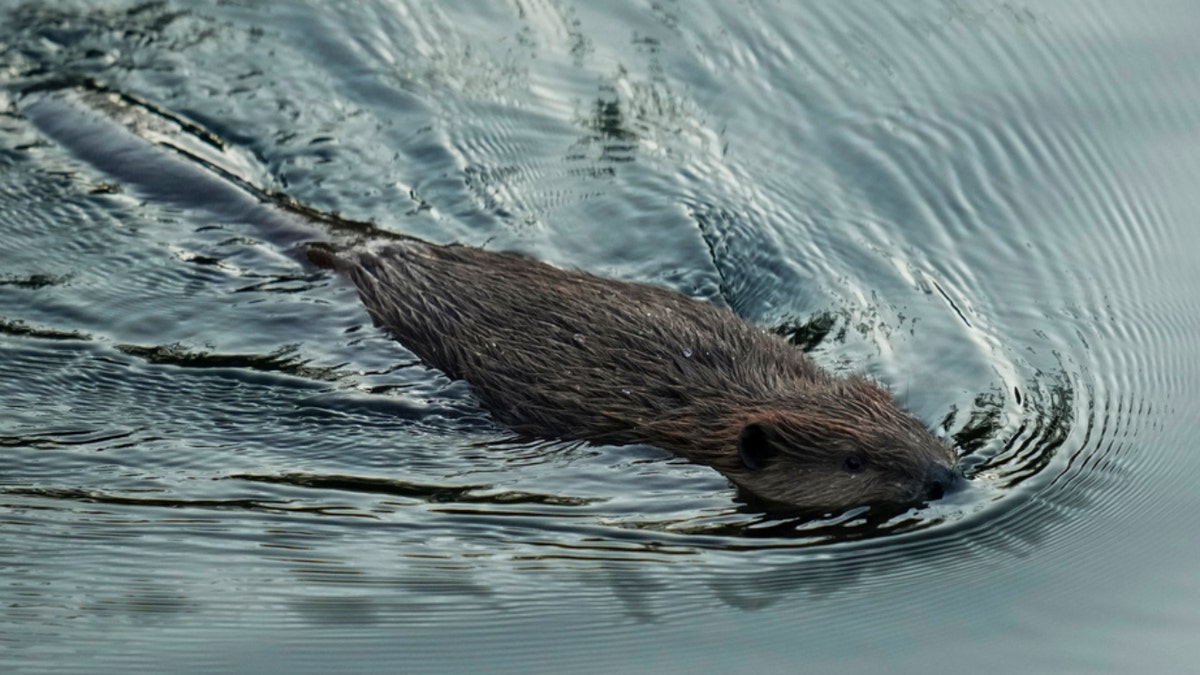
On July 26, a peaceful summer afternoon at Cunningham Falls State Park in Frederick County, Maryland, turned into a scene of absolute terror for a local family. Dominick Cebula, a 13-year-old boy, was swimming and observing fish underwater in a designated swimming area of Hunting Creek Lake when he was violently and unexpectedly attacked by a massive, four-foot-long adult beaver. The animal, which later tested positive for rabies, launched a highly aggressive, unprovoked assault that left the teenager with severe injuries and required immediate, life-saving medical intervention.
The attack unfolded in full view of Dominick’s mother, Alishia Cebula, and his younger brother, who watched helplessly from the shoreline. Family members described the beaver not as a typical, docile aquatic rodent, but as a formidable predator. According to Dominick’s aunt, Leigh Cebula, the animal was roughly the size of the victim’s eight-year-old brother. The sheer scale and ferocity of the creature shocked both the family and park onlookers, upending the common public perception of beavers as harmless, industrious herbivores.
Dominick’s father, Jeff Cebula, later recounted the harrowing details of the struggle to local news outlets. He explained that the beaver latched onto his son’s chest with immense force, shaking its head violently in a manner reminiscent of a predatory canine. Through sheer determination and survival instinct, the 13-year-old managed to pry the animal off his body, only for the highly agitated creature to lunge a second time, targeting his hands as he attempted to defend himself.
The incident was not an isolated anomaly but rather the first in a alarming series of three rabid beaver attacks across Maryland state parks within a span of less than a month. The cluster of attacks forced state authorities to take unprecedented public safety measures, including the indefinite closure of popular swimming areas and a coordinated response from public health officials.
Chronology: A Timeline of Violence in Maryland’s State Parks
The sequence of events surrounding the attacks and the subsequent public health response outlines a fast-moving crisis that began in late July and extended into September.
July 26: The Initial Attack
- Early Afternoon: Dominick Cebula and his family arrive at Hunting Creek Lake in Cunningham Falls State Park, a scenic destination nestled in the Catoctin Mountains. The family had frequented this swimming area for years without ever encountering aggressive wildlife.
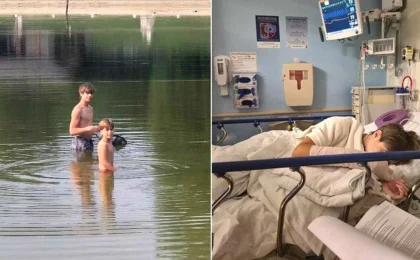
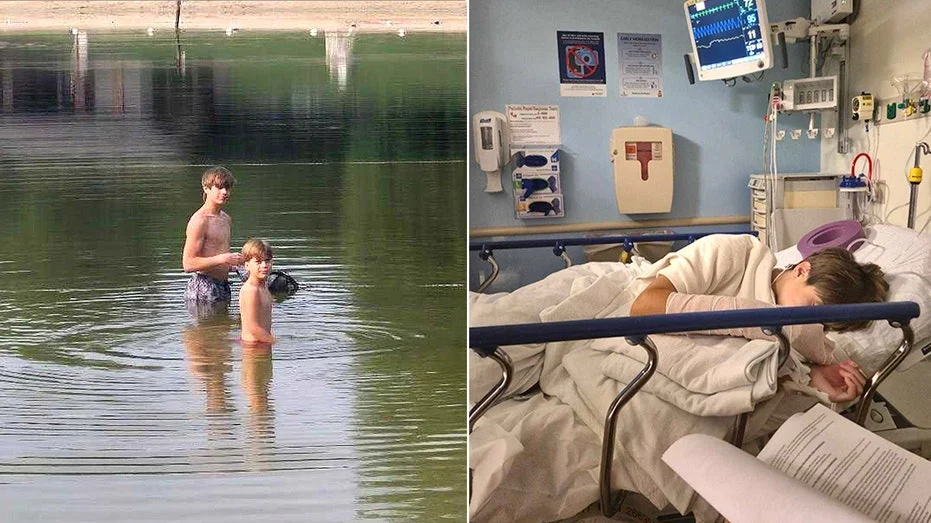
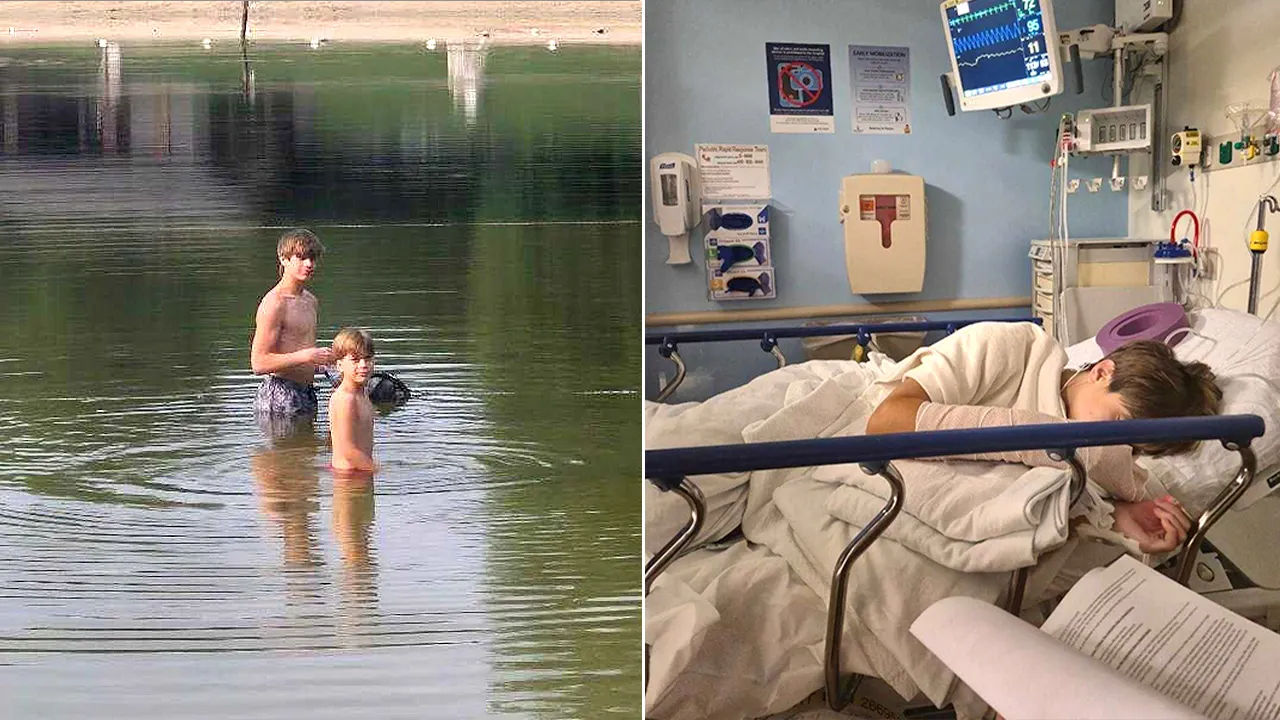
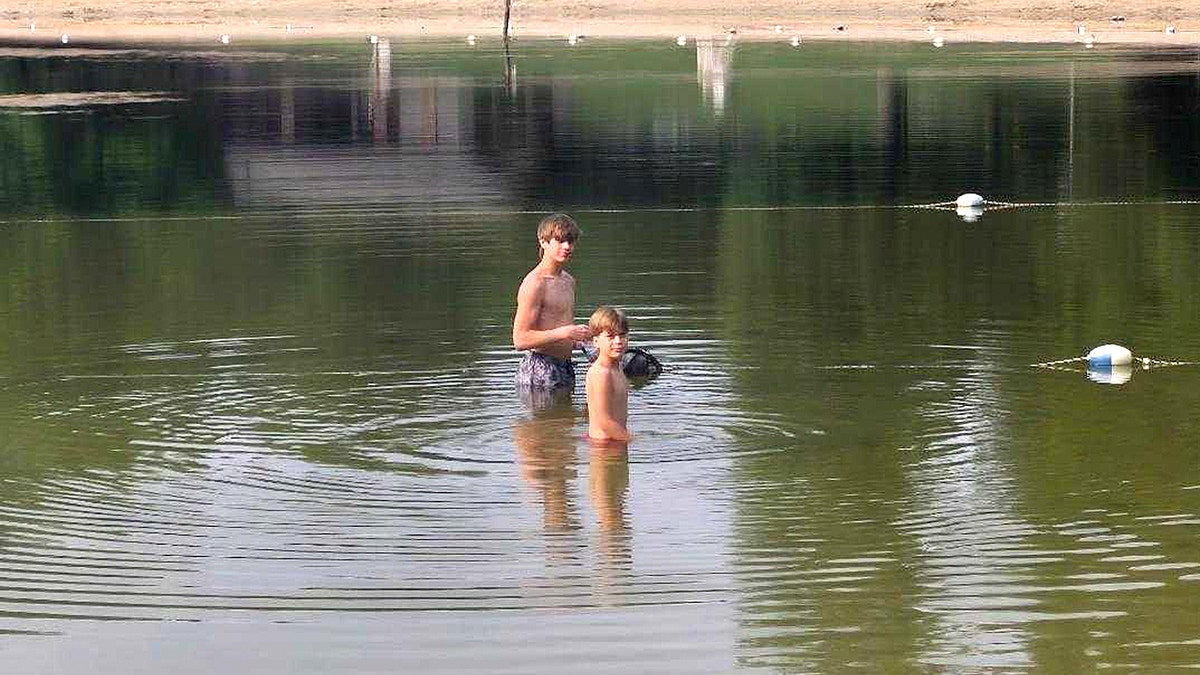
- Moments Before the Attack: Dominick and his younger brother swim together in the designated swimming zone. Approximately ten minutes before the incident, Alishia Cebula takes a photograph of the two boys enjoying the water.
- The Strike: Dominick’s younger brother momentarily leaves the water to retrieve his swimming goggles from the shore. While Dominick is submerged, looking at fish, the four-foot-long beaver emerges from the deeper section of the lake and swims directly toward him.
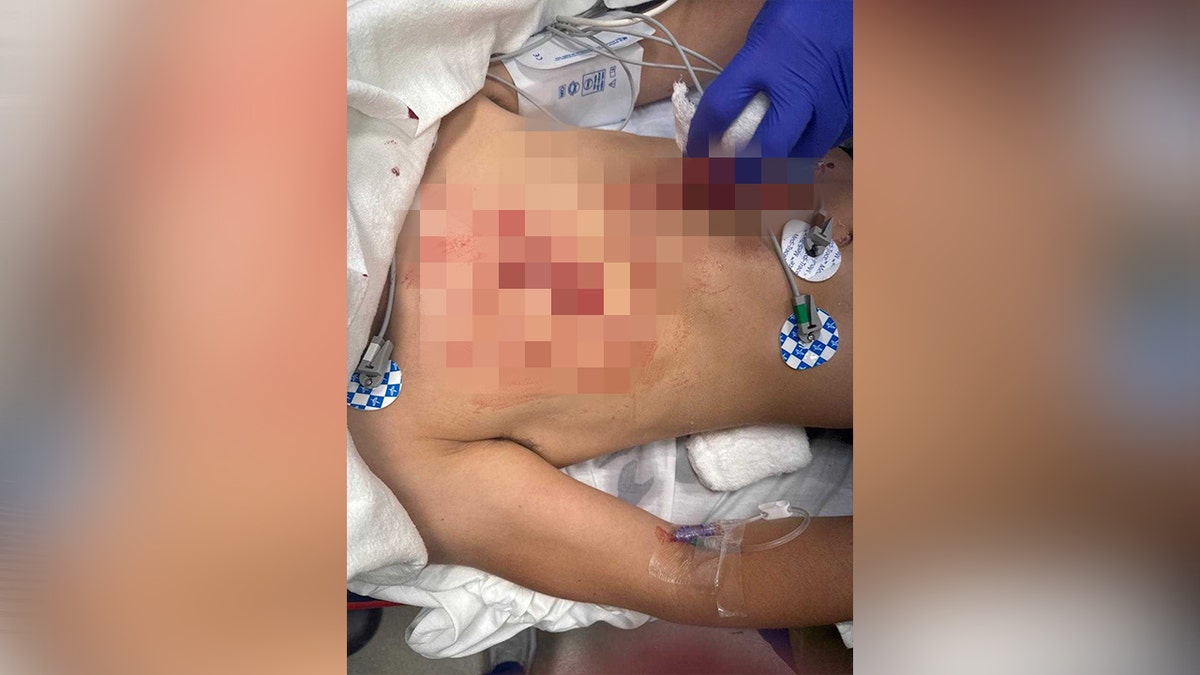
- The Struggle: The beaver strikes Dominick’s chest, biting deep and latching on. Dominick fights back, grabbing the animal by its head and leg to break its grip. The beaver shakes its head aggressively. Dominick manages to pull it off and backs away with his hands raised in a defensive posture.
- The Second Lunge: Undeterred, the beaver lunges again, biting Dominick’s right hand. Dominick fights the animal off a second time, enabling his escape to the shore.
- Emergency Response: Paramedics arrive quickly. Concerned that the beaver’s deep chest punctures may have collapsed or punctured Dominick’s lung, emergency personnel call for a medevac helicopter. Dominick is airlifted via life-flight to Johns Hopkins Hospital in Baltimore.
July 27 – Early August: Medical Stabilization and Wildlife Testing
- Testing: The aggressive beaver is successfully located, humanely euthanized, and sent to a state laboratory for testing.
- July 28: Test results confirm the beaver was infected with rabies.
- Medical Treatment: At Johns Hopkins Hospital, doctors confirm Dominick’s lungs are intact. He begins receiving a rigorous course of rabies post-exposure prophylaxis (PEP), alongside wound care for deep lacerations on his chest and hands.
August 5: The Second Attack
- Just ten days after the initial attack, a 19-year-old fisherman is bitten on the ankle by a beaver at the same body of water, Hunting Creek Lake. The second incident heightens fears of a localized rabies outbreak among the park’s wildlife population, prompting the immediate closure of swimming access to the lake.
Late August: The Third Attack
- Less than three weeks after the second incident, a third beaver attack is reported, this time at Seneca Creek State Park in Montgomery County—roughly 40 miles south of Cunningham Falls. A 10-year-old girl, wading in the water with an organized recreational group, is bitten by an aggressive beaver. This animal also subsequently tests positive for rabies, confirming that the threat is geographically wider than initially thought.
September 4: Surgical Rehabilitation
- Dominick Cebula undergoes a complex surgical procedure to repair a severed nerve in his finger, an injury sustained during the second phase of the July 26 attack.
Supporting Data: Medical and Biological Context
To understand the severity of this event, it is necessary to examine the biological capabilities of the North American beaver (Castor canadensis) and the pathology of the rabies virus.
The Anatomy of a Beaver Bite
While beavers are typically non-aggressive and prefer to flee from human contact, they possess highly formidable anatomical weapons.
- Incisors: A beaver’s front teeth are continuously growing, chisel-like incisors coated with iron-rich orange enamel. These teeth are strong enough to chew through hardwood trees, such as oak and maple.
- Bite Force: A mature beaver can exert a bite force of up to 170 pounds per square inch (PSI). When applied to human tissue, this force can easily fracture small bones, sever tendons and nerves, and cause deep, contaminated puncture wounds prone to severe infection.
| Metric / Parameter | Value / Description |
|---|---|
| Typical Beaver Weight | 35 to 65 pounds (adult) |
| Length of Attack Animal | Approximately 4 feet (including tail) |
| Bite Force Capability | ~170 PSI |
| Primary Physical Injuries (Dominick) | Deep chest lacerations, severed finger nerve, hand punctures |
| Primary Medical Interventions | Rabies PEP, emergency life-flight, nerve reconstructive surgery |
Rabies Pathology and Post-Exposure Prophylaxis (PEP)
Rabies is a viral zoonotic disease that causes progressive and fatal inflammation of the brain and spinal cord. Once clinical symptoms manifest, the disease is virtually 100% fatal.
Because of the extreme risk, the medical team at Johns Hopkins immediately initiated the standard PEP protocol for Dominick:
- Human Rabies Immune Globulin (HRIG): Injected directly into and around the wound sites to provide immediate, localized antibodies to neutralize the virus before it can bind to the nervous system.
- Rabies Vaccine Series: A sequence of four active vaccine doses administered over a 14-day period (on days 0, 3, 7, and 14) to stimulate the body’s own immune system to produce long-term neutralizing antibodies.
Rabies PEP Protocol Timeline:
[Day 0: Wound Cleansing + HRIG Injection + First Vaccine Dose] ──> [Day 3: Second Vaccine] ──> [Day 7: Third Vaccine] ──> [Day 14: Final Vaccine Dose]
Official Responses and Public Safety Measures
The series of attacks prompted a rapid, multi-agency response involving the Maryland Department of Natural Resources (DNR), the Maryland Department of Health, and local county health departments.
Park Closures and Environmental Monitoring
Immediately following the confirmation of rabies in the first beaver, the Maryland DNR suspended all swimming and wading activities at Hunting Creek Lake inside Cunningham Falls State Park. Park rangers and wildlife biologists increased patrols around the lake to monitor beaver activity and look for signs of other infected mammals.
Following the August 5 attack on the fisherman, authorities extended the swimming bans and erected prominent warning signs at all major park entrances and trailheads. Visitors were warned to maintain a safe distance from all water-dwelling mammals and to report any erratic animal behavior immediately.
Public Health Advisories
The Frederick County Health Department and the Montgomery County Department of Health issued joint advisories warning residents of the elevated rabies risk in local waterways. Officials emphasized that rabies is transmitted through the saliva of infected animals, typically via bites or scratches.
Public health officials released guidelines for park visitors, advising them to:
- Avoid entering natural bodies of water if wild animals are present.
- Keep domestic pets on leashes and ensure their rabies vaccinations are up to date.
- Immediately wash any wild animal scratch or bite with soap and clean water for at least 15 minutes and seek emergency medical care.
Implications: Rabies Vectors and Changing Wildlife Dynamics
The Maryland beaver attacks highlight an unusual shift in rabies vector patterns. Historically, the primary reservoirs for rabies in the United States, particularly in the Mid-Atlantic region, have been terrestrial carnivores and bats.
Common Rabies Reservoirs vs. Anomalous Vectors
According to data from the Centers for Disease Control and Prevention (CDC), the wild animals most frequently reported rabid in the United States are:
- Raccoons (accounting for roughly 30% of cases)
- Bats (approximately 33%)
- Skunks (approximately 20%)
- Foxes (approximately 7%)
Beavers and other large rodents are considered extremely rare vectors for rabies. Because they are herbivores, they do not hunt or seek out conflict with other mammals, meaning they rarely contract the virus. When a beaver does contract rabies, it is typically the result of an ambush by a rabid raccoon, fox, or coyote.
"Furious" Rabies and Behavioral Modification
The virus manifests in animals in two clinical forms: "dumb" (paralytic) rabies, characterized by lethargy and paralysis, and "furious" rabies. The beaver that attacked Dominick Cebula exhibited classic symptoms of furious rabies, which strips wild animals of their natural fear of humans, replacing it with extreme agitation, hyper-reactivity, and unprovoked aggression. This neurological hijacking explains why the animal bypassed the shore where the family sat and swam directly toward a submerged swimmer.
Climate and Habitat Influences
Conservationists and wildlife biologists suggest that changing environmental factors may play a role in increasing contact between humans and potential rabies vectors. Encroaching suburban development, coupled with milder winters and fluctuating water levels, can concentrate wildlife populations around dwindling water resources, such as state park lakes. This concentration increases the likelihood of inter-species conflict—such as a rabid raccoon biting a beaver—and subsequently escalates the risk of wildlife-human encounters.
For the Cebula family, the physical recovery is nearing its end, but the psychological impact remains profound. Alishia Cebula expressed deep gratitude for the medical teams and the availability of the rabies vaccine, noting, "Thank God for the vaccine. Luckily, we’re getting to the end of this traumatic event." Nonetheless, the incident serves as a stark reminder of the unpredictable nature of zoonotic diseases and the critical importance of maintaining vigilance when recreating in natural habitats.