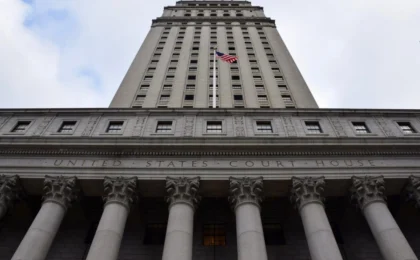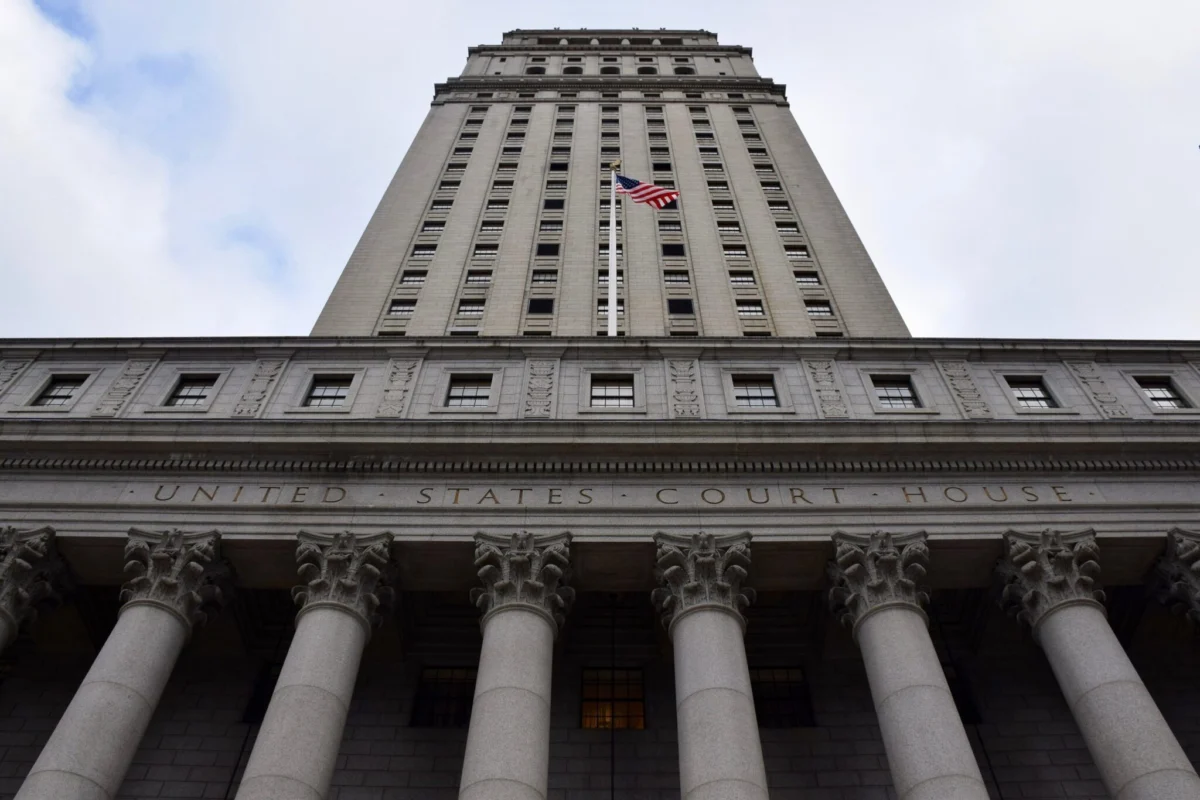
NEW YORK — A significant legal battle over the future of American immigration policy has moved to the forefront of the judiciary, as a coalition of 22 states and a separate group of major metropolitan centers filed twin lawsuits on Monday seeking to block the Trump administration’s newly revised "public charge" rule. The litigation, initiated in the U.S. District Court for the Southern District of New York, represents a concerted effort to halt a policy that critics argue will fundamentally reshape the demographic and economic landscape of the United States by penalizing legal immigrants for accessing essential social services.
The rule, scheduled to take effect this coming Friday, seeks to significantly broaden the criteria immigration officials utilize to determine whether a prospective immigrant is likely to become a "public charge"—a person deemed primarily dependent on government subsistence.
The Core Dispute: Defining Dependency
At the heart of the litigation is a fundamental disagreement over the definition of self-sufficiency. Under the previous standards maintained by the Biden administration, the U.S. Citizenship and Immigration Services (USCIS) utilized a "primarily dependent" threshold. This standard allowed legal immigrants to access a variety of non-cash support programs—such as food stamps (SNAP), housing vouchers, and Medicaid—without jeopardizing their ability to adjust their immigration status or secure permanent residency.
The Trump administration’s revised policy, published in the Federal Register on July 16, abandons the clear-cut "primarily dependent" standard in favor of an expansive and, according to plaintiffs, dangerously ambiguous framework. Under the new guidelines, the Department of Homeland Security (DHS) will evaluate the receipt of "any means-tested public benefits." Furthermore, the rule permits immigration officers to scrutinize the usage of benefits by an immigrant’s family members, including those who are already U.S. citizens, such as children born in the United States.
A Chronology of the Public Charge Debate
The "public charge" doctrine has been a pillar of U.S. immigration law for over a century, yet its interpretation has swung wildly depending on the political winds in Washington.
- 1996: Congress passes the Personal Responsibility and Work Opportunity Reconciliation Act, aiming to tighten welfare eligibility. This act serves as the foundational text for many contemporary immigration debates.
- 2022: The Biden administration formally rescinds the previous version of the Trump-era public charge rule, aiming to encourage immigrants to seek medical care and nutrition without fear of deportation or visa denial.
- July 2026: The Trump administration publishes its revised regulation, asserting its authority to redefine the criteria for residency.
- August 2026: A U.S. District Court judge in New York strikes down a separate administration initiative that banned immigrant visas for citizens of 75 countries, a move heavily predicated on public charge justifications.
- September 2026: Two separate lawsuits—one by 22 states and another by a coalition of cities including Chicago, New York, San Francisco, and Seattle—are filed to stop the implementation of the revised rule.
Legal Arguments and the Administrative Procedure Act
The lawsuits filed this week rely heavily on the Administrative Procedure Act (APA), which mandates that federal agencies follow rigorous, evidence-based processes when enacting regulations. Both complaints allege that the revised rule is "arbitrary and capricious," arguing that the administration failed to adequately consider the long-term economic and public health consequences of the shift.
"The administration has bypassed the legislative intent of Congress," attorneys for the states argued in their filing. The coalition contends that the new rule is fundamentally inconsistent with the Personal Responsibility and Work Opportunity Reconciliation Act of 1996 and the Illegal Immigration Reform and Immigrant Responsibility Act. By attempting to redefine eligibility through executive fiat rather than legislative action, the states argue, the administration has exceeded its statutory authority.
Economic and Public Health Implications
The cities and states involved in the litigation have emphasized the "chilling effect" the rule is likely to have on public health. Health experts and local officials warn that the fear of being labeled a public charge will drive immigrant families away from essential services, even if they are legally entitled to them.
The Impact on Public Health
The plaintiffs argue that by deterring immigrants from utilizing Medicaid and other health-related safety nets, the rule will exacerbate public health crises. Untreated illnesses, particularly infectious diseases, could spread more easily if individuals are afraid to seek medical testing or treatment. Furthermore, the exclusion of nutritional support is expected to increase rates of food insecurity, leading to long-term health burdens for the children of immigrants.
Fiscal Consequences for Local Governments
The lawsuit also highlights the shifting fiscal burden. Cities like New York and Seattle argue that as immigrants lose access to federal support, the burden of providing for these populations will shift entirely to local and state budgets. This, the plaintiffs argue, is a double-edged sword: they will be forced to provide emergency services to a population that has been stripped of the federal assistance that previously helped them become economically stable.
"We are essentially being forced to pay for a federal policy failure," a representative for the city coalition stated. "When we deny someone access to a housing voucher, they don’t stop needing housing. They end up in our emergency shelters, which costs the taxpayer significantly more than the federal support they were previously receiving."
Official Responses and Administration Stance
The Trump administration has maintained that the rule is a necessary step to protect the integrity of the U.S. immigration system. Supporters of the rule argue that the government has a sovereign right to ensure that those who seek to reside in the U.S. are self-sufficient and not reliant on the taxpayer.
In previous statements, administration officials have framed the rule as a mechanism to prioritize "merit-based" immigration. They argue that the previous system allowed for an open-ended dependency that undermined the spirit of the immigration system. However, they have yet to offer a formal legal rebuttal to the specific claims in the new lawsuits, though they are expected to defend the rule on the grounds of executive discretion and national interest.
A System in Flux: The Broader Context
The legal challenge to the public charge rule is not an isolated event; it is part of a larger, ongoing conflict over the reach of the executive branch in immigration policy. With the August ruling against the visa ban for 75 countries serving as a recent precedent, legal observers are closely watching the Southern District of New York.
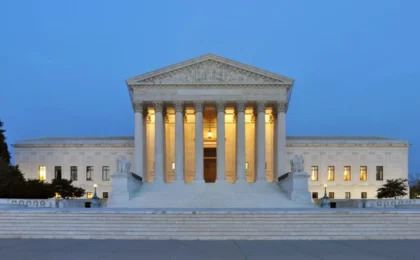
The court faces a daunting task: it must balance the administration’s authority to manage immigration with the rights of immigrants and the fiscal stability of the states and cities that host them. Should the court grant an injunction, it would effectively freeze the rule, prolonging the status quo while the case winds its way through the appellate process—a process that could ultimately end up before the Supreme Court.
Conclusion: The Stakes for America
As the Friday deadline approaches, the tension between the federal government and the coalition of states and cities is palpable. At stake is not just a regulatory change, but the foundational principle of whether legal immigrants—who contribute to the tax base and local economies—should be penalized for utilizing the same social safety nets that support low-income U.S. citizens.
For now, the country waits to see if the judiciary will intervene to pause a policy that critics describe as a "hidden tax" on the immigrant community, or if the Trump administration will succeed in cementing a new, more restrictive era of U.S. immigration policy. The outcome of this case will undoubtedly serve as a bellwether for the future of social welfare and immigration enforcement for years to come.