While Buffy the Vampire Slayer is widely canonized as one of the most transformative television series in history, its sibling series, Angel, often occupies a more complex, albeit equally essential, space in the pantheon of supernatural dramas. Premiering in 1999, just as Buffy reached its stride in its fourth season, Angel took the soul-stricken vampire protagonist and transplanted him from the suburban gothic landscape of Sunnydale to the sprawling, cynical urban jungle of Los Angeles.
Decades after its original broadcast, Angel has found a renewed lease on life, now streaming for free on Tubi. For both longtime fans of the Whedonverse and newcomers seeking a gritty, character-driven procedural, the show remains a gold standard for how to successfully expand a fictional universe while evolving its thematic identity.
The Genesis of a Darker Mythology
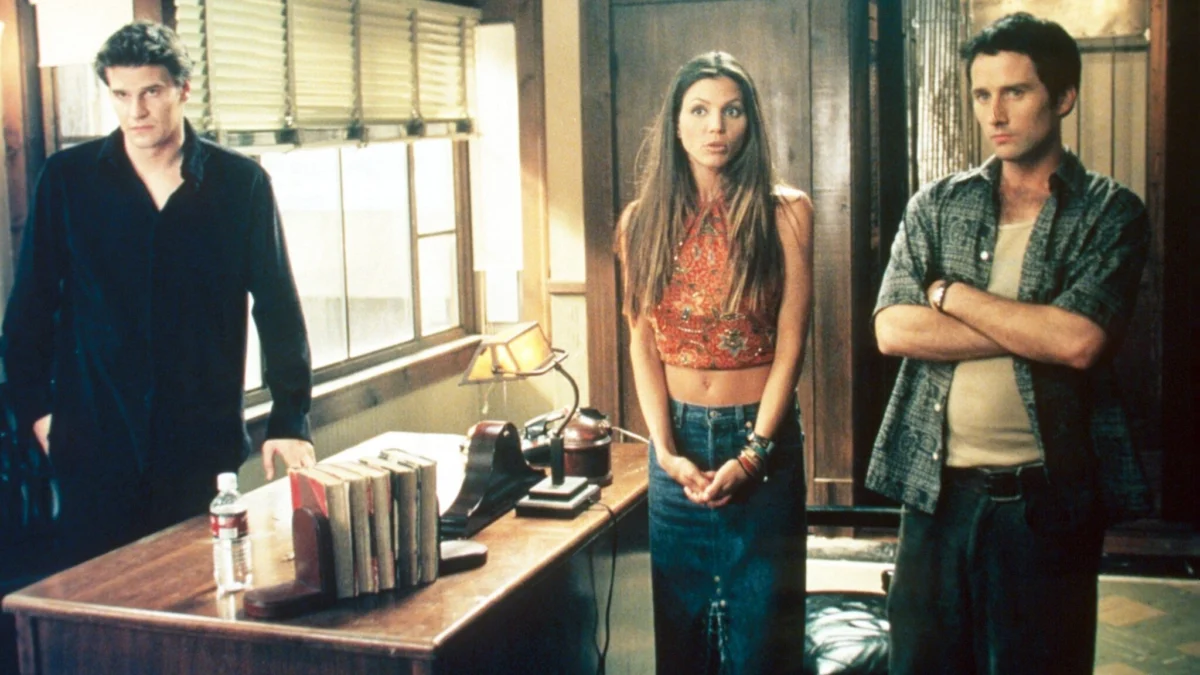
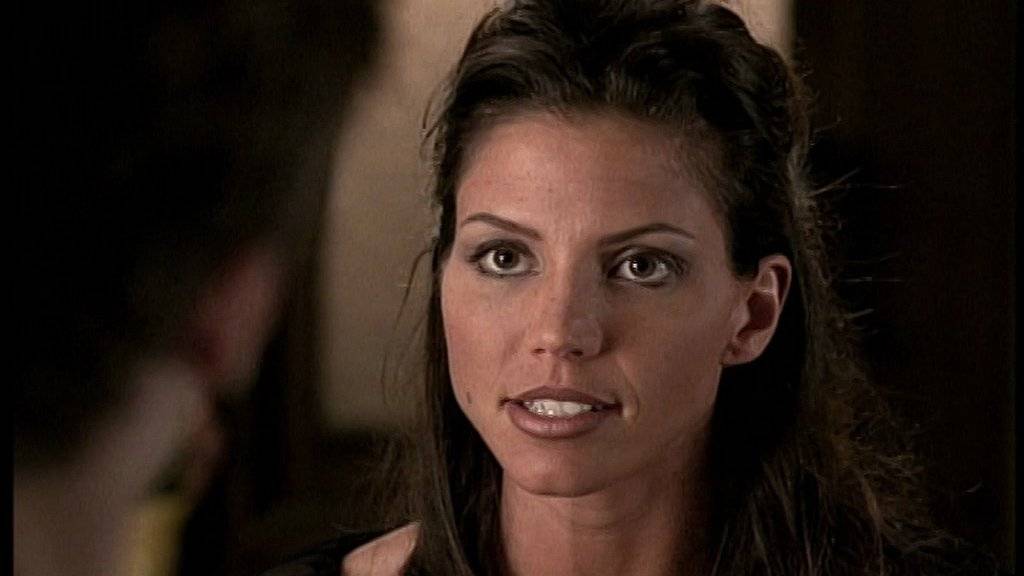
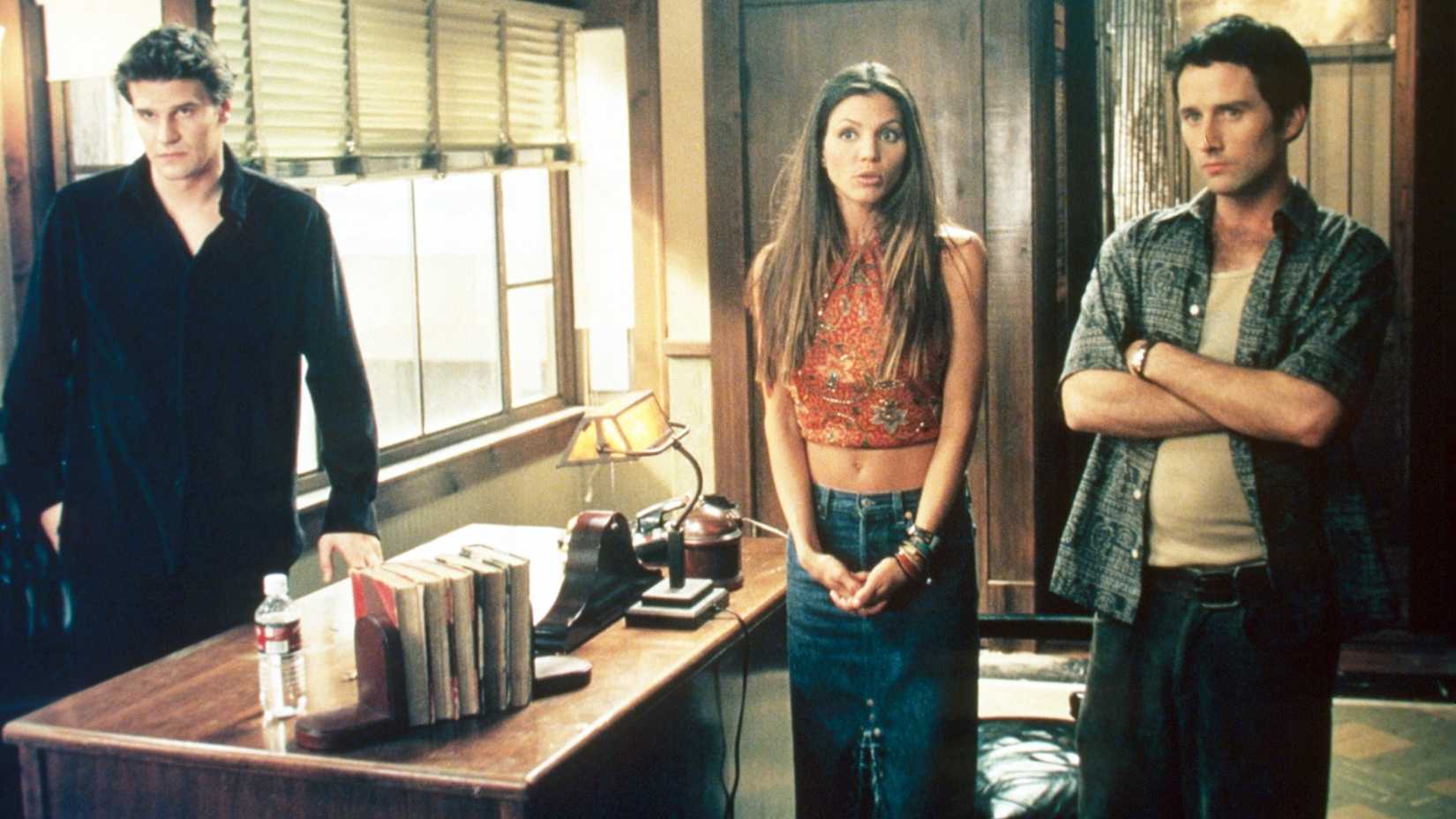
At its inception, Angel was a curiosity. Could a show centered on the brooding, broodingly intense vampire with a soul carry the weight of a franchise? The early episodes were largely episodic, leaning into a neo-noir aesthetic that saw Angel (David Boreanaz) operating as a paranormal private investigator. He was joined by the street-smart, half-demon Francis Doyle (Glenn Quinn) and Cordelia Chase (Charisma Carpenter), who had departed Sunnydale in hopes of Hollywood stardom only to find a far more dangerous reality.
The show did not immediately find its footing. Much like its predecessor, Angel required time to calibrate its tone. Early installments were often procedural in nature, utilizing the "demon-of-the-week" format to establish the rules of this new, darker corner of the universe. However, the true shift occurred halfway through the first season. With the departure of Doyle and the arrival of Wesley Wyndam-Pryce (Alexis Denisof), the show began to shed its procedural skin in favor of a more serialized, character-focused trajectory.
A Chronology of Evolution: From PI to Power Players
The development of Angel over its five-season run is a study in creative risk-taking.
- Seasons 1-2: The Found Family. The show established its core ensemble, including the vampire-hunting street fighter Charles Gunn (J. August Richards), the demon bar owner Lorne (Andy Hallett), and the brilliant, displaced physics expert Winifred "Fred" Burkle (Amy Acker). This era focused on the team finding their collective voice and navigating the moral gray areas of their work.
- Seasons 3-4: The Existential Crisis. As the show matured, the threats became more personal and apocalyptic. The introduction of Angel’s son, Connor (Vincent Kartheiser), marked a period of extreme narrative turbulence. The plot arc involving Cordelia, her pregnancy, and her subsequent coma remains a subject of intense critical discussion, particularly when weighed against the behind-the-scenes controversies involving showrunner Joss Whedon and Charisma Carpenter’s allegations of workplace toxicity.
- Season 5: The Ultimate Devil’s Bargain. The series finale era, which saw the team take over the L.A. branch of the sinister law firm Wolfram & Hart, represents a high-water mark for the series. By turning the protagonists into the employees of their greatest enemy, the show forced the characters to confront their own corruption and the futility of fighting a systemic evil that can never truly be destroyed.
Supporting Data: Why the Ensemble Works
The strength of Angel lies in its subversion of the "Chosen One" trope found in Buffy. While Buffy Summers fought to save the world, Angel fought for redemption in a world that rarely offered it.
Wesley Wyndam-Pryce serves as the show’s most profound character study. Starting as a bumbling, self-righteous comic relief, he evolves into a hardened, ethically flexible, and deeply tragic figure. His journey mirrors the show’s transition from a lighthearted spin-off to a mature, often devastating examination of sacrifice. Similarly, the inclusion of James Marsters as Spike in the final season added a layer of historical tension and comedic relief, allowing the show to explore the dynamics of two immortal beings tethered by a shared, bloody history.
The series also hit high notes with its production design and thematic depth. Episodes such as "A Hole in the World" and "Awakening" are frequently cited as some of the most emotionally resonant hours of television from the early 2000s, proving that the series could pivot from black comedy to genuine, visceral horror without losing its identity.

Official Responses and Behind-the-Scenes Realities
It is impossible to discuss the legacy of Angel without addressing the shadow cast by the allegations against its creator. In 2021, Charisma Carpenter broke her silence regarding her experiences on the set, detailing a culture of "casually cruel" behavior and professional retaliation following her pregnancy. These allegations have fundamentally changed the way fans and critics view the show’s narrative choices, particularly regarding the handling of Cordelia’s character arc in later seasons.
The industry at large has also shifted. The way Angel was produced, with its grueling schedules and high-pressure environment, is now a case study in what modern showrunners and studios strive to avoid. Despite these dark chapters in its production history, the performances—particularly by Carpenter, Boreanaz, and Denisof—are still celebrated for their depth and technical brilliance. The actors managed to ground the supernatural chaos in a relatable, human struggle that has kept the show relevant for new generations.
Implications for Modern Streaming
The decision to bring Angel to a wider, free-to-access audience on platforms like Tubi has significant implications for how we consume "legacy" television. In an era of fragmented streaming services and hidden-away back catalogs, free, ad-supported streaming television (FAST) services are becoming the primary gatekeepers of cultural memory.
Angel offers a template for modern spinoffs. It proved that a series does not need to mimic the tone of its parent show to be successful. By leaning into the darker, more cynical elements of urban fantasy, Angel established a unique niche that remains largely unmatched in the current landscape of teen dramas and superhero procedurals.
Furthermore, the show’s conclusion—often regarded as one of the best "perfect" finales in television history—offers a sense of closure that is increasingly rare in the modern age of cancelled-on-cliffhanger streaming shows. It serves as a reminder of the value of intentional storytelling.
Conclusion: Why You Should Revisit the City of Angels
If Buffy was about the trials of adolescence and the encroaching reality of adulthood, Angel was about the crushing weight of that adulthood—the realization that the world is broken, that the system is rigged, and that redemption is a daily, often exhausting, fight.
The series is a testament to the idea that even when the heroes are flawed, and the villains are the very systems that govern society, there is still value in standing your ground. For those who have never walked the dark streets of Los Angeles with Angel and his team, or for those looking to revisit the tragedy of Wesley or the biting wit of Cordelia, the current availability of the series on Tubi offers a rare opportunity to engage with a work that, despite its flaws, remains a seminal piece of television history.
Angel is not just a vampire show; it is a noir-infused, character-driven epic that continues to hold up a mirror to the complexities of moral survival. It is, quite simply, essential viewing.