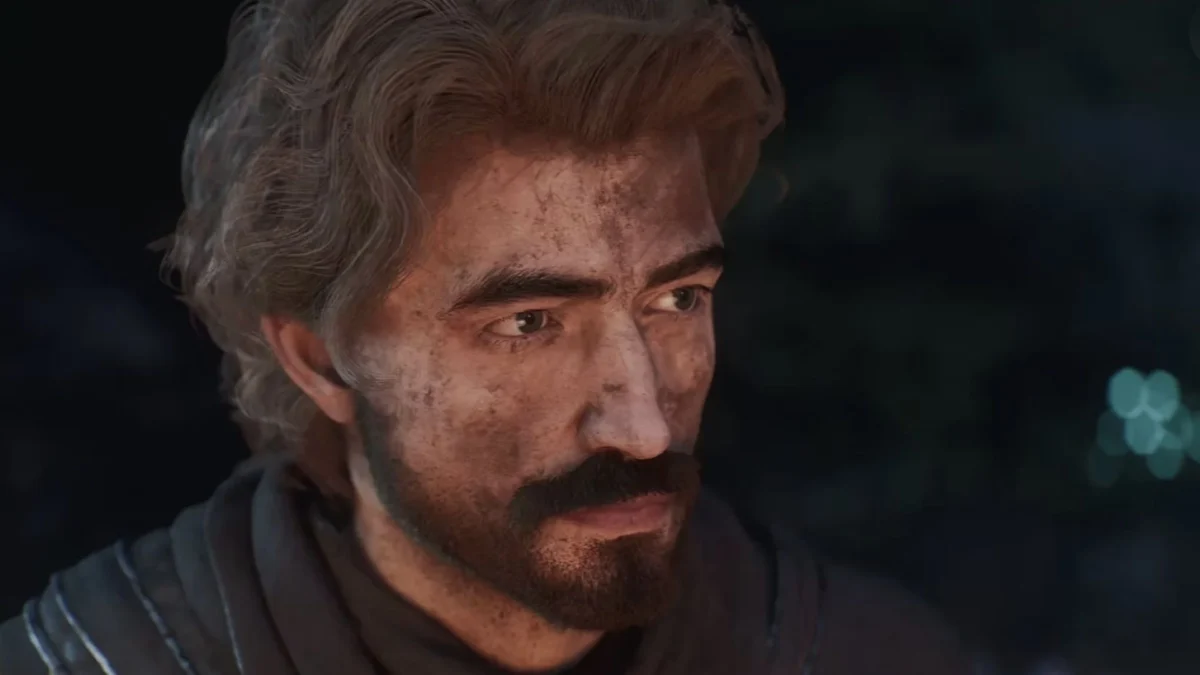
Following the unprecedented cultural and critical phenomenon of Clair Obscur: Expedition 33—a title that dominated the 2025 awards circuit and redefined expectations for indie-scale RPGs—all eyes have turned to Sandfall Interactive. In an industry where developers are often paralyzed by the weight of their own success, Sandfall’s leadership is signaling a defiant, almost radical, departure from the traditional "sequel-or-bust" mentality.
For Sandfall Interactive Director Guillaume Broche, the massive success of their debut project is not a mandate for replication, but rather an invitation to continue doing exactly what they did before: making games they personally want to play. In an era of corporate-mandated "games as a service" and safe-bet franchising, this stance is as refreshing as it is risky.
The Weight of Success: A Chronology of the Expedition 33 Phenomenon
To understand the stakes, one must look at the meteoric rise of Clair Obscur: Expedition 33. Announced to moderate buzz, the game quickly became the dark horse of the 2025 gaming calendar. By the time it launched, its unique blend of turn-based tactical depth and high-fidelity, painterly aesthetic had captured the public imagination in a way few new intellectual properties (IPs) manage.
- Early 2025: Clair Obscur: Expedition 33 launches to near-universal acclaim. Critics highlight the game’s narrative ambition and refusal to adhere to standard RPG tropes.
- Late 2025: The game sweeps the Game of the Year (GOTY) categories across major publications and digital storefronts, cementing Sandfall Interactive as the industry’s new "studio to watch."
- July 2026: In a candid appearance on the Video Game Club segment via the Konbini YouTube channel, Director Guillaume Broche breaks the silence regarding the studio’s future.
- September 2026: Broche clarifies the studio’s philosophy, emphasizing that the team’s creative autonomy remains the primary driver of their development pipeline, irrespective of external market pressures.
The Philosophy of "Authentic Creation"
The central tension facing Sandfall Interactive today is the inevitable "sophomore slump." History is littered with studios that, upon achieving a breakthrough hit, attempted to scale up, iterate on, or force-feed audiences more of the same, often leading to diminishing returns and creative burnout.
Broche’s perspective on this is remarkably stoic. "Maybe people won’t like it. That’s life," he stated during his July interview. This is not a dismissive comment, but a foundational principle. Broche posits that Clair Obscur became a hit precisely because it was not designed by committee or built to satisfy the projected desires of a focus group.
"We didn’t make the first game to please anyone," Broche noted. "And I think that’s why it worked." By prioritizing their own creative enthusiasm over market analytics, the team avoided the common trap of "designing for the audience." This philosophy suggests that the studio views their catalog not as a series of products to be optimized, but as a series of creative explorations.
Supporting Data: Why Indie Autonomy is the New Industry Standard
Sandfall’s approach aligns with a growing trend among successful indie studios that have resisted the urge to succumb to "feature creep." As the industry faces massive layoffs and consolidation among AAA publishers, the "small team, big vision" model—exemplified by developers like Supergiant Games or ZA/UM—has proven that artistic purity often correlates with long-term brand equity.
In the case of Expedition 33, the game’s success was driven by its distinct visual style and mechanical depth. If Sandfall were to pivot toward a more "market-tested" model—perhaps by implementing microtransactions or live-service elements to capitalize on their newfound fame—the data suggests they would risk alienating the very core audience that propelled their initial success.
Broche explicitly addressed the pressure to expand the studio. While it is tempting to use the influx of capital and prestige to hire more staff and increase the scope of the next project, Broche warns against it. "That would only result in the studio making games that I don’t actually want to play," he explained. This admission underscores a vital truth in game design: when the creative lead loses their personal connection to the work, the product’s soul is usually the first casualty.
The "Clair Obscur" Anthology: A Future of Infinite Possibilities?
The most significant question lingering for fans is whether the studio will return to the world of Expedition 33. Broche’s recent comments offer a tantalizing hint at the studio’s strategy. He has long maintained that Clair Obscur is the name of the franchise, while Expedition 33 is merely one specific story within that umbrella.
This distinction is crucial. It suggests that Sandfall may be positioning itself to adopt an anthology model, similar to the Final Fantasy or The Legend of Zelda series, where the branding provides a sense of quality and thematic consistency while allowing for entirely new worlds, mechanics, and characters in each entry.
The Problem of Canon
A return to Expedition 33 faces a significant narrative hurdle: the ending of the original game. As previously reported, Sandfall Interactive has gone to great lengths to avoid establishing a "canon" ending, opting instead to let the player’s experience remain subjective and personal. A direct sequel would necessitate choosing one outcome as the "true" path, potentially invalidating the emotional investment players made in their own specific playthroughs. By opting for an anthology approach, Sandfall sidesteps this issue entirely, preserving the integrity of the original game while granting the team the freedom to innovate without the burden of continuity.
Implications for the Future: Trusting the Process
What does this mean for the future of Sandfall Interactive? Firstly, it suggests that the studio is unlikely to become a "sequel factory." While fans may clamor for Expedition 34, the studio appears more interested in the "claire-obscure" aesthetic—the interplay of light and dark—as a thematic framework rather than a rigid set of characters or locations.
Furthermore, Broche’s stance is a message to the wider industry: success does not have to result in institutionalization. By remaining small and focused, Sandfall is effectively insulating itself from the cycles of boom and bust that currently plague the larger gaming landscape.
However, the risk remains. If the next project deviates too far from the gameplay mechanics that fans fell in love with, the studio will face a harsh reality check. But for Broche and his team, that risk is preferable to the alternative: a slow, steady decline into creative stagnation.
In the final analysis, the most exciting thing about Sandfall Interactive’s future is the mystery of it. We know they are capable of delivering a masterpiece, and we know they are prepared to walk away from it if their next idea requires a different path. In an industry that often feels like a sequence of recycled ideas and safe bets, the prospect of an unpredictable, risk-taking, and unapologetically bold follow-up is exactly what the medium needs. Whether the next game achieves the same critical heights is secondary; the true success of Sandfall Interactive will be determined by their ability to remain true to their original, uncompromising vision.