Executive Summary: The Hidden Crisis of Myosteatosis
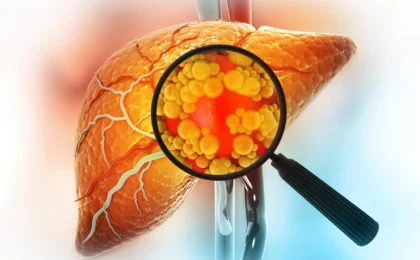
In the modern landscape of public health, the conversation surrounding fat accumulation has long been dominated by visceral and subcutaneous adipose tissue. However, a silent, more insidious metabolic threat is emerging: myosteatosis—the abnormal accumulation of excess fat within skeletal muscle. Driven by the "triad of decline"—high-fat diets, sedentary lifestyles, and the inevitable process of aging—this lipid buildup is more than a cosmetic issue. It represents a fundamental disruption in cellular physiology.
When lipid droplets permeate muscle cells, they interfere with the delicate machinery required for muscle contraction and glucose metabolism. Over time, this infiltration leads to reduced metabolic flexibility, effectively causing muscles to become "clogged," which triggers insulin resistance and systemic metabolic dysfunction. As the global prevalence of lifestyle-related diseases continues to climb, the search for therapeutic interventions has intensified.
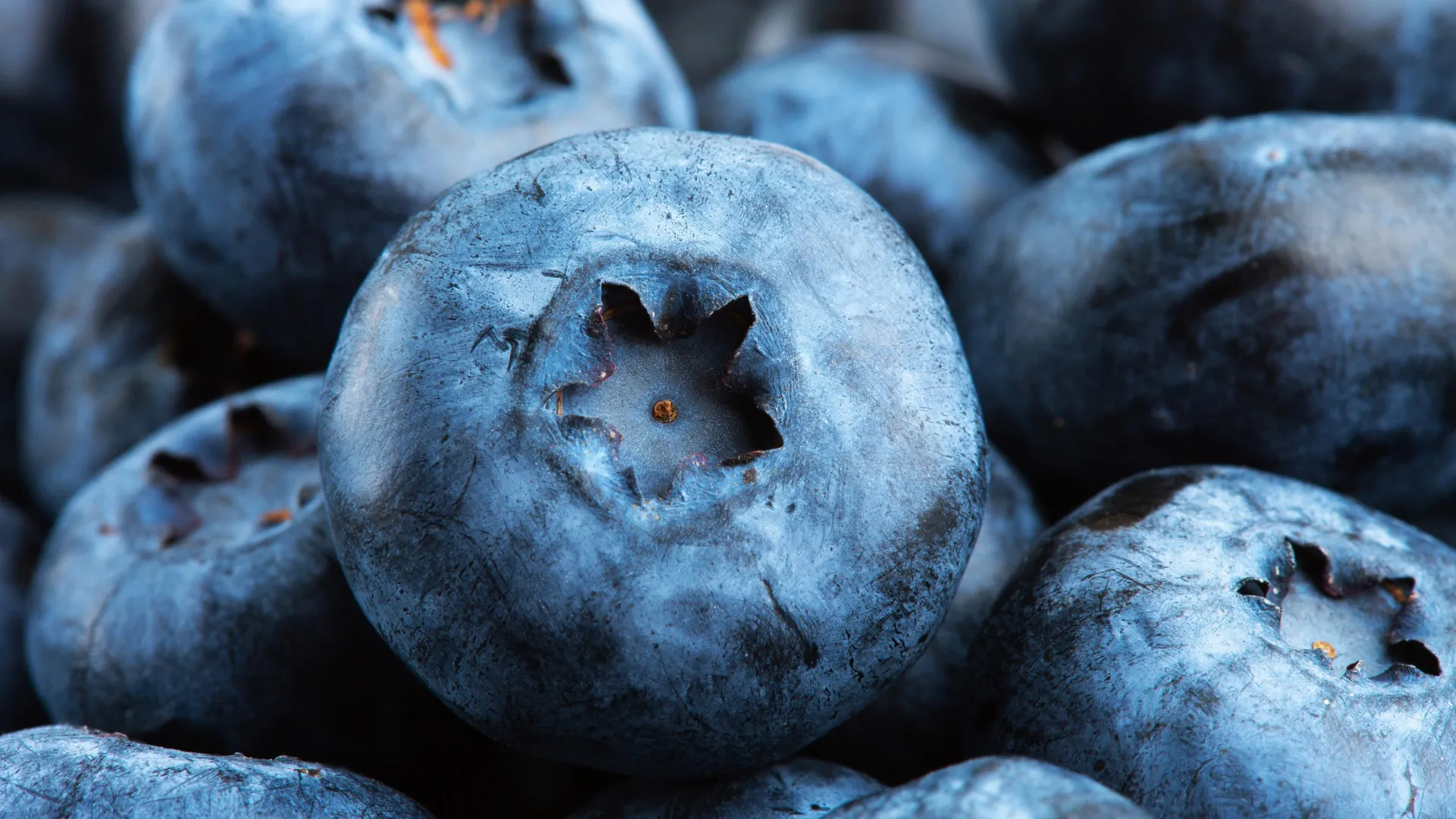
A groundbreaking study, published on September 1, 2026, in the journal Food Bioscience (Volume 83), offers a potential solution from an unexpected source: the berry patch. A team of researchers led by Associate Professor Takakazu Mitani of Shinshu University has identified pterostilbene—a natural polyphenol found in blueberries and grapes—as a potent regulator of muscle fat metabolism. By stabilizing a critical protein known as PPARδ, this natural compound appears to "unlock" the muscle’s ability to burn stored fat, offering a promising, non-pharmacological avenue for treating metabolic disease.
The Chronology of Discovery: From Screening to Molecular Mechanism
The path to this discovery was neither accidental nor swift; it was the result of a systematic, multi-year investigative framework designed to bridge the gap between nutritional science and cellular biology.
The Screening Phase
Dr. Mitani and his team recognized that while many pharmaceutical agents have been developed to target metabolic pathways, they often come with a heavy burden of side effects. "We currently lack approved treatments specifically targeting myosteatosis," Dr. Mitani noted. "This critical gap led our team to screen food-derived compounds for natural, dietary interventions."
The researchers initiated their investigation using cultured C2C12 mouse skeletal muscle cells, a gold-standard model in myology research. They curated a library of phytochemicals—naturally occurring plant compounds—and tested their efficacy in reducing intracellular lipid accumulation. The criteria were rigorous: the compounds had to reduce fat stores without inhibiting the cells’ natural capacity to grow and differentiate.
The Identification of Pterostilbene
Among the dozens of compounds screened, pterostilbene emerged as the clear frontrunner. Not only did it achieve the most significant reduction in lipid droplets, but it also left the structural integrity and developmental health of the muscle cells entirely intact.
Unmasking the Mechanism
Once the compound’s efficacy was established, the team moved to uncover how it worked. Conventional wisdom suggested that pterostilbene might function as an agonist, binding directly to receptors to "turn them on." However, the data told a different story. The team discovered that pterostilbene was essentially a protein protector. It increased the presence of the PPARδ protein within the cell by inhibiting its degradation through the ubiquitin-proteasome pathway—the cell’s natural "trash disposal" system. By preventing the premature breakdown of this essential protein, pterostilbene allowed it to remain active longer, thereby accelerating the oxidation of fatty acids.
Supporting Data: Understanding the PPARδ Pathway
To understand the significance of this discovery, one must understand the role of Peroxisome Proliferator-Activated Receptor delta (PPARδ). This protein acts as a master regulator of metabolic health within muscle tissue. When active, it functions like a biological furnace, promoting the burning of fatty acids and ensuring that energy is used efficiently rather than stored as toxic, intracellular fat.
Experimental Evidence
The research team employed several analytical methods to confirm the efficacy of pterostilbene:
- Glycerol Release Assays: By measuring the release of glycerol—a byproduct of fat breakdown—into the extracellular environment, the team confirmed that the lipids were not merely being hidden; they were being catabolized (broken down) into energy.
- Gene Expression Profiling: Treated cells exhibited a marked increase in the expression of genes responsible for fatty acid oxidation, providing molecular confirmation that the cells had transitioned into a "fat-burning" mode.
- Protein Stability Analysis: By monitoring the half-life of the PPARδ protein, the researchers proved that the compound significantly extended the lifespan of this metabolic regulator, confirming that the pathway was enhanced not by forced activation, but by increased protein availability.
Official Perspectives: Dr. Takakazu Mitani
The implications of these findings extend far beyond a single laboratory in Japan. Dr. Mitani, while cautious, is optimistic about the potential for functional nutrition.
"Our findings establish a scientific framework for developing functional foods and nutritional supplements that target muscle fat metabolism," Dr. Mitani stated. He emphasizes that the value of this study is two-fold: it highlights the potential of pterostilbene itself and, perhaps more importantly, it provides a blueprint for future research.
"Beyond the potential of pterostilbene itself, this work provides an experimental framework for identifying other natural compounds that can stabilize the PPARδ protein," he added. By shifting the focus from "activating receptors" to "stabilizing proteins," Dr. Mitani’s team has opened a new door in the field of metabolic pharmacology.
Implications for Future Health and Industry
The global burden of metabolic disease—including Type 2 diabetes, obesity, and sarcopenic obesity (the loss of muscle mass combined with the gain of muscle fat)—is reaching a crisis point. If the results observed in cultured cells can be replicated in humans, the societal benefits would be profound.
Nutritional and Pharmaceutical Applications
The research positions pterostilbene as a "promising candidate bio-ingredient." The food and supplement industries are already scouting for evidence-based ingredients that can be incorporated into products aimed at "metabolic maintenance." Unlike synthetic drugs, which often require years of safety trials and carry the risk of systemic interference, a compound found naturally in blueberries may have a more favorable profile for long-term, daily use.
The Path Forward: From Petri Dish to Clinical Reality
While the results are scientifically robust, it is critical to maintain a realistic perspective. The study is currently limited to in vitro models (cultured mouse cells). Before pterostilbene can be marketed as a clinical treatment or a therapeutic supplement, several major hurdles must be cleared:
- In Vivo Validation: The next logical step is to observe these effects in living animal models to see if the compound successfully reaches the muscle tissue in high enough concentrations to affect metabolic markers.
- Dosage and Bioavailability: Scientists must determine the optimal dosage. Natural compounds are often poorly absorbed by the human digestive system, and identifying a delivery mechanism that ensures the pterostilbene reaches the muscle cells is essential.
- Safety and Selectivity: Any substance that influences metabolic pathways must be scrutinized for off-target effects. Future studies will need to confirm that stabilizing PPARδ in muscle tissue does not inadvertently impact other organs in ways that might cause long-term harm.
- Clinical Trials: Ultimately, randomized, double-blind, placebo-controlled human trials will be required to confirm that this pathway functions in humans as it does in mice.
Conclusion: A New Frontier in Metabolic Resilience
The identification of pterostilbene as a stabilizer of PPARδ marks a sophisticated evolution in our understanding of how to fight the "clogging" of skeletal muscle. By focusing on the preservation of the cell’s natural metabolic machinery, rather than attempting to force-stimulate it, researchers are moving toward a more sustainable and biological approach to metabolic health.
As the scientific community continues to explore the intersections of diet and cellular function, the humble blueberry—and its constituent polyphenol, pterostilbene—may prove to be a powerful ally in the fight against the chronic diseases of the 21st century. While the road to a commercialized, validated intervention is long, the foundation laid by Dr. Mitani and his team is an essential first step toward a future where "metabolic flexibility" is not just a biological ideal, but a standard of health achievable through the power of nature-derived, science-backed nutrition.