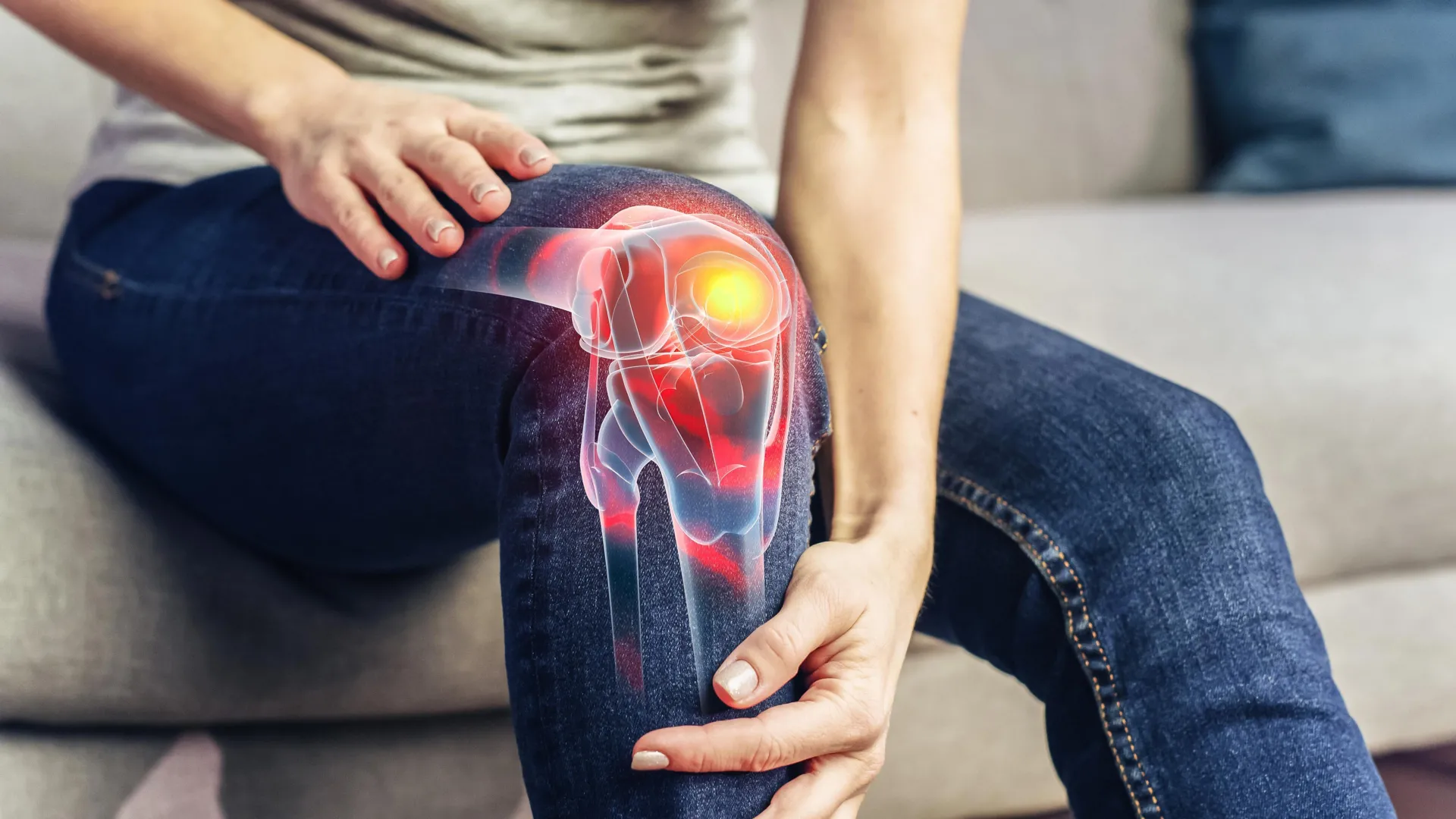
For more than 365 million people worldwide, the simple act of walking, climbing stairs, or kneeling is a source of chronic, debilitating agony. Knee osteoarthritis, a degenerative condition characterized by the gradual breakdown of joint cartilage, has long presented a frustrating "treatment gap" for medical professionals. Patients typically move from conservative management—physical therapy and anti-inflammatory injections—directly to the drastic intervention of total joint replacement.
However, a promising new study published on June 16 in Radiology, the flagship journal of the Radiological Society of North America (RSNA), suggests a third path. A minimally invasive procedure known as Genicular Artery Embolization (GAE) is showing significant potential in providing long-term relief for patients who are not yet candidates for—or are unwilling to undergo—major surgery.
The Science of the "Treatment Gap"
Osteoarthritis is far more than just "wear and tear." It is a complex, inflammatory process that triggers the growth of abnormal, hypervascular networks around the knee joint. These excess blood vessels are believed to create a pathological environment that fuels ongoing inflammation and stimulates sensory nerves, leading to the sharp, persistent pain associated with the condition.
"For many patients with knee osteoarthritis, there is a real treatment gap today," explains Dr. Florian Nima Fleckenstein, deputy head of Interventional Radiology at Charité – Universitätsmedizin Berlin. "Conservative measures such as intra-articular injections no longer provide sufficient relief, but joint replacement is not an option for medical or personal reasons."
For these patients, the arrival of GAE represents a paradigm shift. Rather than replacing the joint, the procedure targets the underlying vascular source of the pain. By using a thin, flexible catheter guided by fluoroscopic imaging, an interventional radiologist can navigate to the specific arteries feeding the inflamed tissue and inject particles to block blood flow. This effectively "starves" the abnormal vessels, reducing local inflammation and, consequently, the pain signals being sent to the brain.
The Innovation: Rapidly Resorbable Microspheres
The study, led by Dr. Fleckenstein and his team at Charité, introduced a critical refinement to the GAE procedure: the use of rapidly resorbable, gelatin-based microspheres.
In previous iterations of embolization therapy, clinicians debated between using permanent particles or temporary agents. Permanent agents carry risks of long-term vessel occlusion that might not be necessary, while some temporary agents dissolve too quickly to provide lasting relief. The gelatin-based microspheres used in this study are calibrated by size and dissolve within hours of delivery. This allows for a controlled, localized intervention that modulates the joint’s neurovascular environment without leaving behind permanent foreign material.
"GAE is a whole new treatment regimen that targets abnormal hypervascularity around the joint," says Dr. Fleckenstein. "By reducing both inflammation and pain, GAE with resorbable microspheres may be the first procedure that alters the course of the disease, potentially slowing its progression."
A Comprehensive Clinical Evaluation
To test the efficacy of this approach, the research team conducted a prospective single-center study that stands as the largest body of evidence to date for this specific technique. The trial enrolled 194 patients, including 114 women and 80 men, all of whom had previously failed to find relief through at least three months of standard conservative care.
The Patient Profile
The participants represented a "real-world" cross-section of the population, with a median age of 69 and a median body mass index (BMI) of 28.4. By excluding only those who had found success with physiotherapy or injections, the study focused on the exact demographic that physicians encounter daily—patients who feel they have exhausted all viable options short of surgery.
Chronology of the Procedure
The study took place in a concentrated window between July and November 2024. During this period, 239 total GAE procedures were performed. In a testament to the safety of the protocol, 45 participants (23%) underwent the procedure on both knees, with the second intervention scheduled within four weeks of the first.
Every single procedure was deemed a technical success, achieved under fluoroscopic guidance. The safety profile was exceptionally high: no moderate or severe adverse events were reported, and only 6.7% of patients experienced minor, self-resolving reactions.
Tracking Results: From Pain to Performance
The research team implemented a rigorous follow-up schedule, assessing patients at six weeks, three months, six months, and 12 months post-procedure. The six-month check-up was conducted in-person by an independent orthopedic surgeon, adding a layer of clinical objectivity to the findings.
The data revealed a consistent, sustained improvement in patient outcomes. Using the Numeric Rating Scale (NRS), where patients rate their pain from 0 to 10, the median score dropped from a baseline of 7 to 4 at the six-week mark. By the six-month and 12-month check-ins, the median score had stabilized at 3.
Beyond simple pain reduction, the study utilized the Knee Injury and Osteoarthritis Outcome Score (KOOS), which measures function in daily life, sports, and overall quality of life. The improvements were across the board:
- Daily Activities: Scores rose from a median of 53 to 71.5.
- Sports and Recreation: Scores climbed from 15 to 36.
- Osteoarthritis Symptoms: Improved from 51 to 68.
- Quality of Life: Scores doubled, increasing from 19 to 40.
Defining "Meaningful" Improvement
In medical research, statistical significance does not always translate to a patient’s actual experience. To ensure the results were truly impactful, the researchers looked for the "minimum clinically important difference" (MCID). A reduction of at least 2.0 points on the NRS and an increase of 10 points on the KOOS sub-scores are widely accepted benchmarks for a treatment that is "worth it" to the patient.
At the 12-month follow-up, a staggering 80% of participants exceeded this threshold. These patients were not just showing statistical trends; they were experiencing life-changing relief that allowed them to resume activities they had previously abandoned due to pain.
Implications for the Future of Orthopedics
The results of the study have significant implications for how healthcare systems approach osteoarthritis. If GAE becomes a standardized treatment, it could drastically reduce the burden on surgical waiting lists and offer an alternative to the long recovery times associated with knee replacement.
"We believe these results carry real weight because they come from real-world data," Dr. Fleckenstein noted. "Our participants are exactly the patients that physicians encounter every day in their practices. This lets us speak about safety and efficacy with real confidence."
While further long-term studies will be necessary to determine the absolute duration of the relief—and to see if the procedure can be safely repeated years down the line—the current evidence provides a beacon of hope for millions. By normalizing the vascular structure of the knee, clinicians may finally be able to silence the chronic pain that has defined the lives of aging adults for generations.
Conclusion
The successful deployment of GAE using resorbable microspheres represents a triumph of interventional radiology. By moving away from a "mechanical" view of joint failure—where the only answer is to remove and replace the part—and toward a "biological" view that addresses the underlying inflammation and neurovascular chaos, medicine is entering a new era.
For the millions currently trapped in the treatment gap, the message is clear: there is a minimally invasive option that is safe, effective, and capable of restoring quality of life. As Dr. Fleckenstein and his colleagues look to the future, their work stands as a testament to the power of precision medicine to alter the course of chronic disease, one vessel at a time.
Study Reference:
Genicular Artery Embolization Using Rapidly Resorbable Gelatin-based Microspheres for Osteoarthritis-related Knee Pain.
Authors: Florian Nima Fleckenstein, M.D.; Dina David, M.S.; Paolo Garducci, M.D.; Tazio Maleitzke, M.D.; Stephan Oehme, M.D.; Lynn Jeanette Savic, M.D.; Timo Alexander Auer, M.D.; Bernhard Gebauer, M.D.; Tobias Winkler, M.D., Ph.D.; and Federico Collettini, M.D.
Published in: Radiology (RSNA), June 16.