For decades, the health-conscious consumer has been guided by a simple nutritional mantra: if you want to avoid the metabolic pitfalls of refined sugar, reach for the "sugar-free" alternative. From aspartame-laden sodas to sucralose-sweetened baked goods and sorbitol-infused sugar-free candies, these substitutes have become pillars of the modern diet. However, a groundbreaking new study from Washington University in St. Louis (WashU Medicine) is challenging the long-held assumption that these sweeteners pass through the body harmlessly.
The research, published in the journal Science Signaling, suggests that sorbitol—a sugar alcohol commonly used in low-calorie products—may be metabolically "one step away" from fructose, a substance heavily linked to liver disease and metabolic dysfunction.
The Illusion of the "Free Lunch"
The premise of the sugar-substitute industry is built on a fundamental, albeit potentially flawed, idea: that we can enjoy the sensory reward of sweetness without the caloric and metabolic baggage of glucose. Sugar alcohols, or polyols, are central to this strategy. They provide a sweet taste with fewer calories and a lower glycemic impact than traditional table sugar.
Historically, the scientific consensus held that these compounds were largely inert, passing through the digestive tract with minimal interaction with the body’s complex metabolic pathways. But as obesity, Type 2 diabetes, and steatotic liver disease continue to climb globally, researchers have begun to scrutinize these "better" alternatives with newfound intensity.
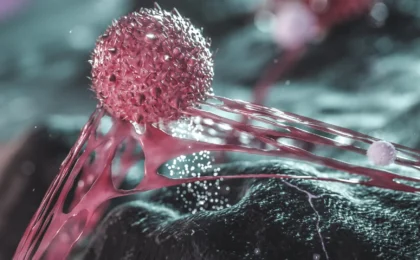
Gary Patti, the Michael and Tana Powell Professor of Chemistry, Genetics, and Medicine at WashU, has long investigated the liver’s role in processing fructose. His previous work famously established that the byproducts of fructose metabolism can be hijacked by cancer cells to fuel their proliferation. Now, his lab has turned its attention to the metabolic relationship between glucose, gut bacteria, and sorbitol. The findings suggest that when it comes to human metabolism, there is, quite literally, no such thing as a "free lunch."
The Chemical Connection: One Step from Fructose
To understand why researchers are concerned about sorbitol, one must understand its chemical proximity to fructose. In biological terms, sorbitol is essentially a metabolic precursor to fructose. The body possesses the enzymatic machinery to convert one into the other.
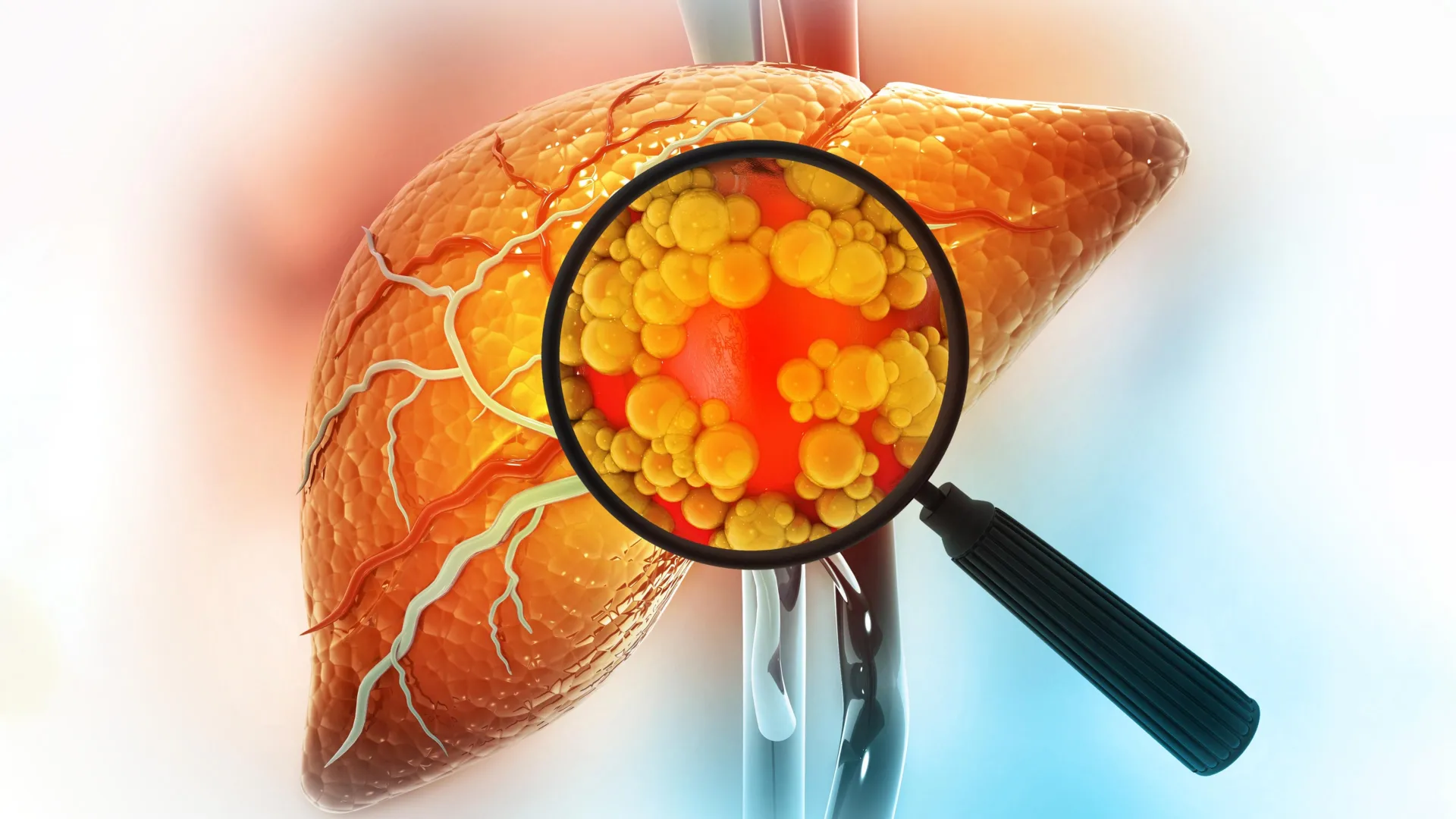
This is significant because fructose is a notorious driver of liver dysfunction. Unlike glucose, which is used by virtually every cell in the body for energy, fructose is primarily processed by the liver. When the liver is overwhelmed by excessive fructose—often through high-fructose corn syrup—it initiates a process called de novo lipogenesis, or the creation of new fat. This leads to the accumulation of fat in the liver, a condition now affecting approximately 30% of the adult population worldwide.
If sorbitol can be easily converted into a fructose derivative, the "sugar-free" label may be providing a false sense of security. If the consumer is ingesting sorbitol to avoid the liver-straining effects of sugar, but their body is merely converting that substitute into a fructose-like compound, the protective intent of the diet is negated.
Chronology of Discovery: From Diabetes to Daily Diet
The scientific understanding of sorbitol has traditionally been siloed within the study of diabetes. It has long been known that when blood glucose levels are chronically elevated—as seen in poorly managed diabetes—the body produces high levels of sorbitol.
The enzyme responsible for this conversion has a low affinity for glucose, meaning it only kicks into high gear when glucose concentrations in the blood reach dangerous, diabetic levels. Because of this, medical science previously assumed that sorbitol production was a "diabetic phenomenon" that healthy individuals did not need to worry about.
However, the team at WashU challenged this paradigm by observing how the gut functions under normal, non-diabetic conditions. Using zebrafish as a model organism, they traced the pathway of sorbitol intake and production. They discovered a surprising reality: the gut can act as a factory for sorbitol even in healthy subjects.
After a standard meal, glucose concentrations within the intestine can spike significantly. The researchers found that these post-meal spikes are sufficient to trigger the production of significant amounts of sorbitol in the gut, even without the presence of chronic diabetes. This suggests that the body is constantly juggling these conversions, and the metabolic consequences depend less on whether you have diabetes and more on what happens inside your intestinal tract.
The Microbiome as a Protective Filter
Perhaps the most compelling finding of the study is the role of the gut microbiome. The research revealed that the body possesses a natural, bacterial defense system against sorbitol.
Certain strains of bacteria, specifically Aeromonas, have the ability to degrade sorbitol. When these "good" bacteria are present in sufficient numbers, they act as a filter, consuming the sorbitol and converting it into harmless byproducts before it can ever reach the bloodstream or the liver.
"If you have the right bacteria, it turns out, it doesn’t matter," says Dr. Patti. "But if you don’t have the right bacteria, that’s when it becomes problematic. In those conditions, sorbitol doesn’t get degraded, and as a result, it is passed on to the liver."
This places the gut microbiome at the center of a new, complex nutritional equation. It implies that two individuals could consume the exact same amount of sorbitol and experience vastly different metabolic outcomes based solely on the composition of their gut flora. For someone with a depleted or suboptimal microbiome, the "sugar-free" candy bar may be doing significant, unseen work in the liver.
Supporting Data: When the System Overwhelms
The study also highlighted the "tipping point" of human metabolism. Even individuals with a healthy population of sorbitol-degrading bacteria can be overwhelmed if the intake is too high.
There are two primary ways this system breaks down:
- High Glucose Loads: Consuming excessive refined sugar causes the intestine to produce higher volumes of glucose-derived sorbitol, exceeding the bacteria’s capacity to process it.
- High Sorbitol Loads: Direct consumption of sorbitol—found in high quantities in protein bars, sugar-free gums, and candies—can saturate the gut’s metabolic capacity.
Dr. Patti noted a personal realization during his research: his own preferred protein bar contained a substantial amount of sorbitol. This highlights the ubiquity of these sweeteners in the modern "health" aisle. When processed foods contain multiple forms of sugar and sugar substitutes simultaneously, the body is forced to navigate a complex array of metabolic pathways, often resulting in the very outcomes the consumer was trying to avoid.
Implications for Public Health and Policy
The implications of this research are profound, particularly for those with metabolic syndrome or those attempting to reverse liver disease through dietary modification.
1. Re-evaluating "Sugar-Free" Claims
If "sugar-free" does not mean "metabolically neutral," there may be a need for more nuanced labeling. Current regulatory frameworks allow products to be labeled sugar-free based on their lack of sucrose or glucose, but they do not account for the metabolic pathways activated by sugar alcohols.
2. The Role of Gut Health
This study reinforces the importance of microbiome diversity. If the gut is indeed a filter for dietary byproducts, then promoting a healthy microbiome through prebiotics and probiotics may be just as important as monitoring calorie intake.
3. A Call for Further Human Clinical Trials
While the zebrafish model provided a clear window into these pathways, the next step is human clinical trials. Scientists must determine the exact thresholds of sorbitol intake that lead to liver accumulation in humans and identify which specific microbial signatures are most protective.
Conclusion: A More Nuanced Approach to Sweetness
The takeaway from the WashU study is not necessarily that sorbitol is a "toxin" in the traditional sense, but rather that it is a participant in a complex biological system. The days of viewing sweeteners as "harmless pass-throughs" are likely coming to an end.
As Dr. Patti emphasizes, there is no "free lunch." Whether through the natural consumption of stone fruits—which contain sorbitol in manageable quantities—or the high-dose consumption of processed sweeteners, the body must process these compounds. As we continue to navigate a food environment saturated with alternatives, the focus must shift from simply counting calories to understanding how these ingredients interact with our gut bacteria and, ultimately, our liver health.
For the consumer, the message is one of moderation. While "sugar-free" may be a better option than high-fructose corn syrup in some contexts, it is not an invitation to unlimited consumption. True metabolic health may require a step back from all forms of heavy artificial sweetening, leaning instead toward a diet that relies less on chemical substitution and more on whole-food nourishment.
This work was supported by the National Institutes of Health, grants R35ES028365 (G.J.P.) and P30DK056341 (S.K.).