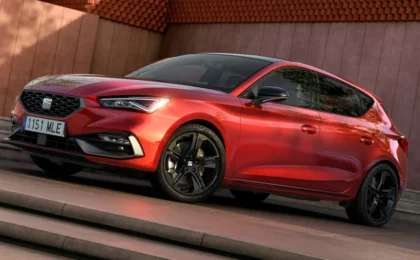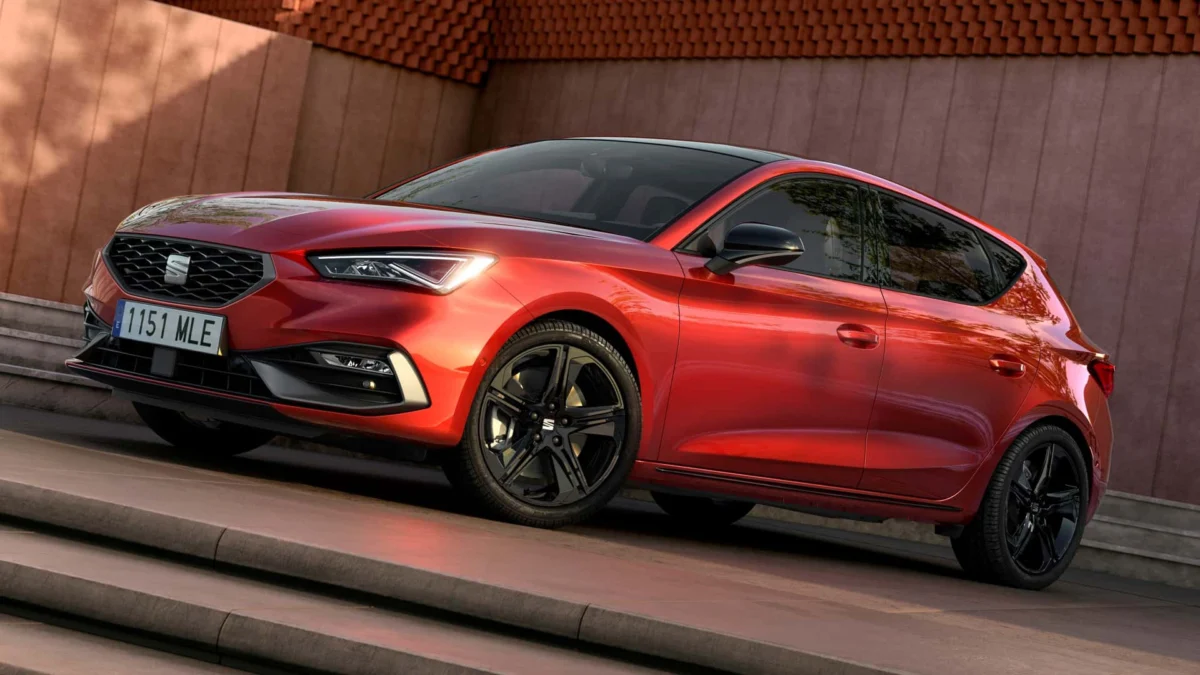
The automotive industry is no stranger to the consolidation of legacy brands. However, reports emerging from Germany suggest that one of the most storied names in European motoring, SEAT, is approaching its final chapter. According to internal documents cited by the German business publication WirtschaftsWoche, Volkswagen Group is preparing to phase out the SEAT brand by the end of 2029. This strategic shift marks a potential end to a 75-year journey for the Spanish manufacturer, signaling a ruthless pivot toward the high-growth, high-margin future of the Cupra sub-brand.
The End of an Era: Strategic Realignment at VW
For decades, SEAT (Sociedad Española de Automóviles de Turismo) has served as the volume-driven, accessible entry point for the Volkswagen Group in Southern Europe. However, in an era defined by aggressive electrification mandates, cooling demand in the EV sector, and intense competition from Chinese manufacturers, the German automotive giant is forced to make painful financial calculations.
Internal documents indicate that the Volkswagen Group views the continuation of the SEAT brand in its current iteration as a drain on resources. The core logic is simple: in a market where capital is increasingly scarce and the cost of developing new platforms is skyrocketing, the Group can no longer afford to maintain two distinct brands—SEAT and Cupra—that occupy similar segments but offer vastly different profit margins.
A Chronology of a Spanish Icon
To understand the weight of this potential closure, one must look at the history of the brand. Founded in May 1950, SEAT was birthed through a collaborative effort between the Spanish government’s Instituto Nacional de Industria, a consortium of private banks, and the Italian giant Fiat.
- 1950-1980: The Fiat Years: For its first three decades, SEAT served primarily as a local producer of rebranded Fiat models, playing a pivotal role in the motorization of Spain during the post-war economic boom.
- 1986: The VW Acquisition: Volkswagen Group acquired a 51% stake in the company in 1986, eventually moving to full ownership by 1990. This acquisition was intended to integrate SEAT into the broader VW manufacturing ecosystem.
- 2018: The Birth of Cupra: Recognizing the need for a more premium, youth-oriented identity, VW spun off the "Cupra" performance badge into a standalone brand. This was the beginning of the end for the traditional SEAT identity, as investment dollars began to flow toward the new, cooler sibling.
- 2020-Present: The Stagnation: The last truly "new" model under the SEAT nameplate was introduced in 2020. Since then, the brand has relied on cosmetic refreshes of aging platforms, while Cupra has been gifted the Group’s latest EV architectures and high-end design budgets.
Supporting Data: The Tale of Two Brands
The divergence in the fortunes of SEAT and Cupra provides the most compelling argument for the proposed discontinuation.
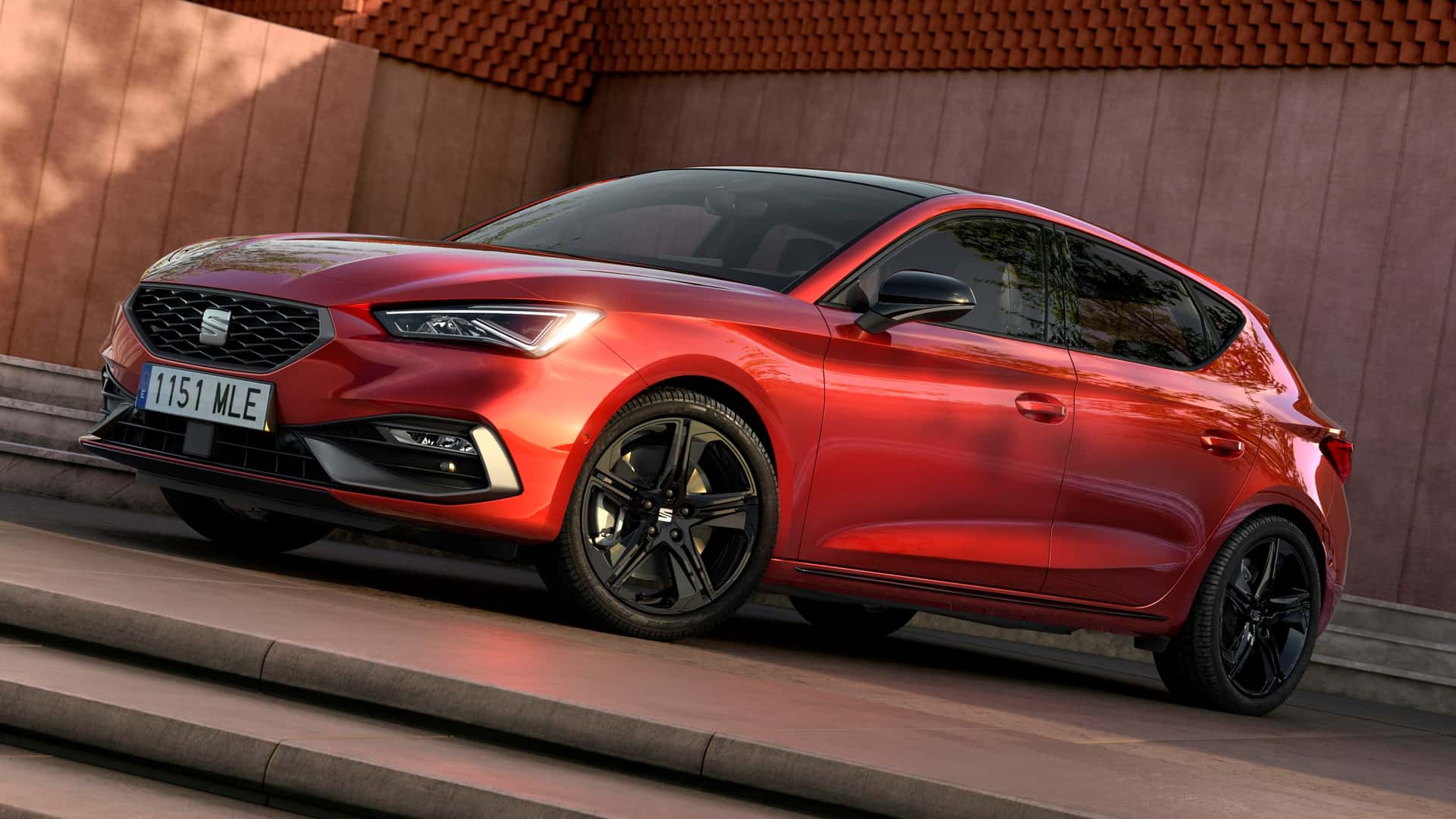
SEAT’s sales figures have been in a state of managed decline, hampered by an aging product portfolio and a lack of clear brand identity in the modern electric era. Conversely, Cupra has become the "darling" of the Volkswagen Group. Since its independence, Cupra has successfully captured a younger, more affluent demographic that is willing to pay a premium for bold styling and sporty performance.
The disparity is visible in the showroom. While SEAT’s lineup has remained stagnant, Cupra has launched a flurry of successful models, including the Tavascan SUV and the Terramar. These vehicles represent the future of the VW Group’s design language and technological prowess. Financial analysts have long noted that Cupra’s margins are significantly higher than those of the value-oriented SEAT, making it the logical priority for a company struggling to maintain profitability amidst a global transition to electric vehicles.
Official Responses and Corporate Silence
Volkswagen Group has remained tight-lipped regarding the specific details of the WirtschaftsWoche report. However, the company has previously acknowledged the need to "simplify" its structure. In recent months, CEO Oliver Blume and other high-level executives have spoken candidly about the necessity of reducing complexity within the Group’s portfolio.
While no official press release has confirmed the "death" of SEAT, the writing is on the wall. When companies move away from renewing core products, it is almost always a precursor to a brand’s eventual sunsetting. Analysts suggest that the brand will not disappear overnight but will likely be phased out model-by-model, with the final vehicles rolling off the assembly lines by 2029.
The Implications for the European Market
The removal of SEAT from the automotive map carries significant implications for the European market and, specifically, the Spanish economy. SEAT is not merely a car company; it is a pillar of Spanish industrial output. Its manufacturing facilities in Martorell have been the heartbeat of the local economy for generations.
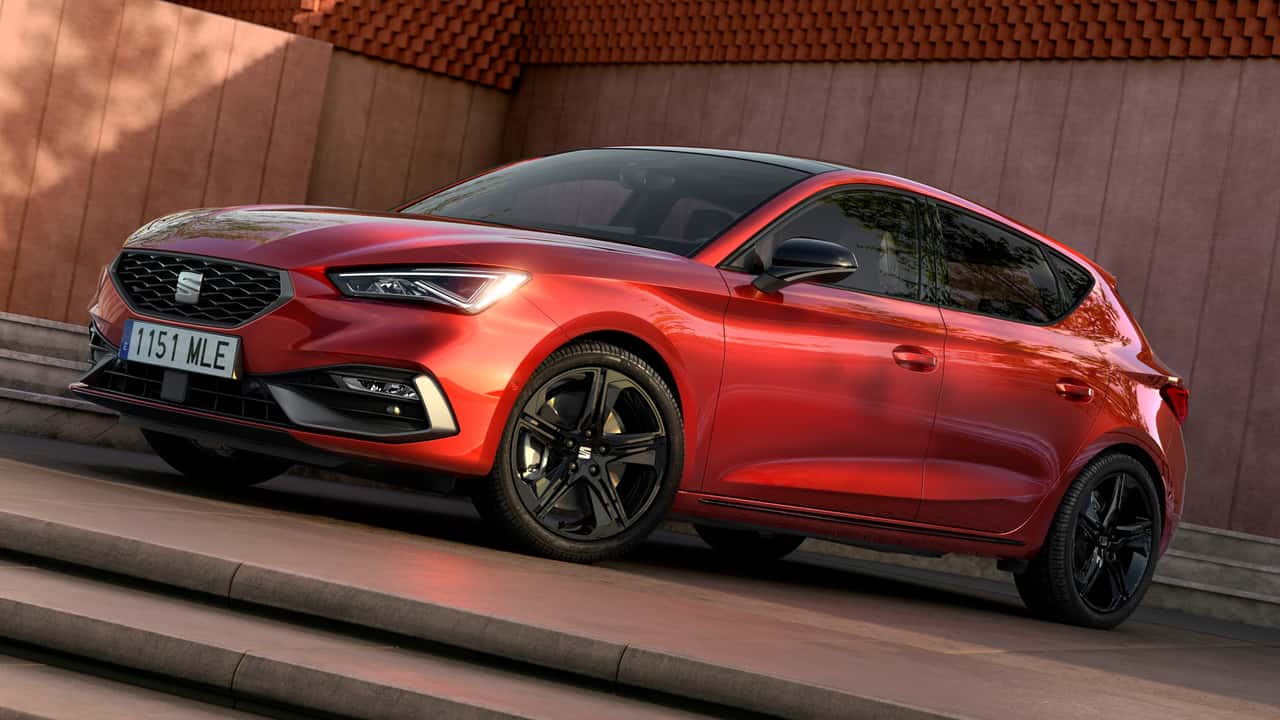
The transition to a "Cupra-only" strategy for the Spanish site, however, provides a glimmer of hope for employees. The shift is less about closing factories and more about changing the badge on the grille. If Volkswagen commits to building its next-generation electric vehicles under the Cupra name in Spain, the economic impact may be mitigated. However, the cultural loss of a brand that has been synonymous with the Spanish automotive industry for 75 years will be profound.
The Broader Context: VW Group’s Existential Struggle
It is impossible to view the potential demise of SEAT in isolation. It is a symptom of a much larger, more systemic crisis within the Volkswagen Group. The conglomerate is currently navigating a "perfect storm":
- Chinese Market Contraction: Historically, VW’s massive success in China subsidized its European operations. As domestic Chinese EV makers (such as BYD and NIO) gain market share, VW’s revenue from the region has plummeted.
- Platform Complexity: For years, VW relied on a sprawling "parts bin" strategy. While efficient in the combustion era, the transition to software-defined EVs has made this complexity a liability, leading to high development costs and software delays.
- Profitability Pressures: As the cost of manufacturing EVs remains higher than that of internal combustion vehicles, brands like SEAT—which rely on low-price-point, high-volume sales—are becoming increasingly difficult to justify to shareholders.
Conclusion: A Necessary Sacrifice?
Is the end of SEAT a tragedy or a necessary evolution? From a strictly business perspective, the logic is sound. In a world where automotive giants are battling for survival in an electric, software-heavy future, sentimental attachment to heritage brands can be a luxury the bottom line cannot afford.
For the enthusiast, the news is undoubtedly disheartening. SEAT has produced some of the most memorable hot hatches of the last thirty years, such as the Leon Cupra, which offered accessible, high-performance driving to the masses. However, as the industry moves toward a future defined by electrification and digital integration, the Volkswagen Group has clearly decided that its resources are better spent on the rising star of Cupra.
As we move toward 2029, the automotive world will watch closely to see if this pivot pays off. For now, the legacy of SEAT serves as a reminder that in the high-stakes game of global manufacturing, even the most established names are subject to the cold, hard reality of market economics. The sun may be setting on the Spanish automaker, but the race for the future of the Volkswagen Group is only just beginning.