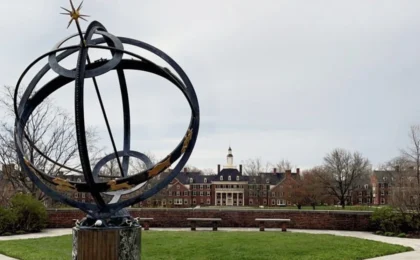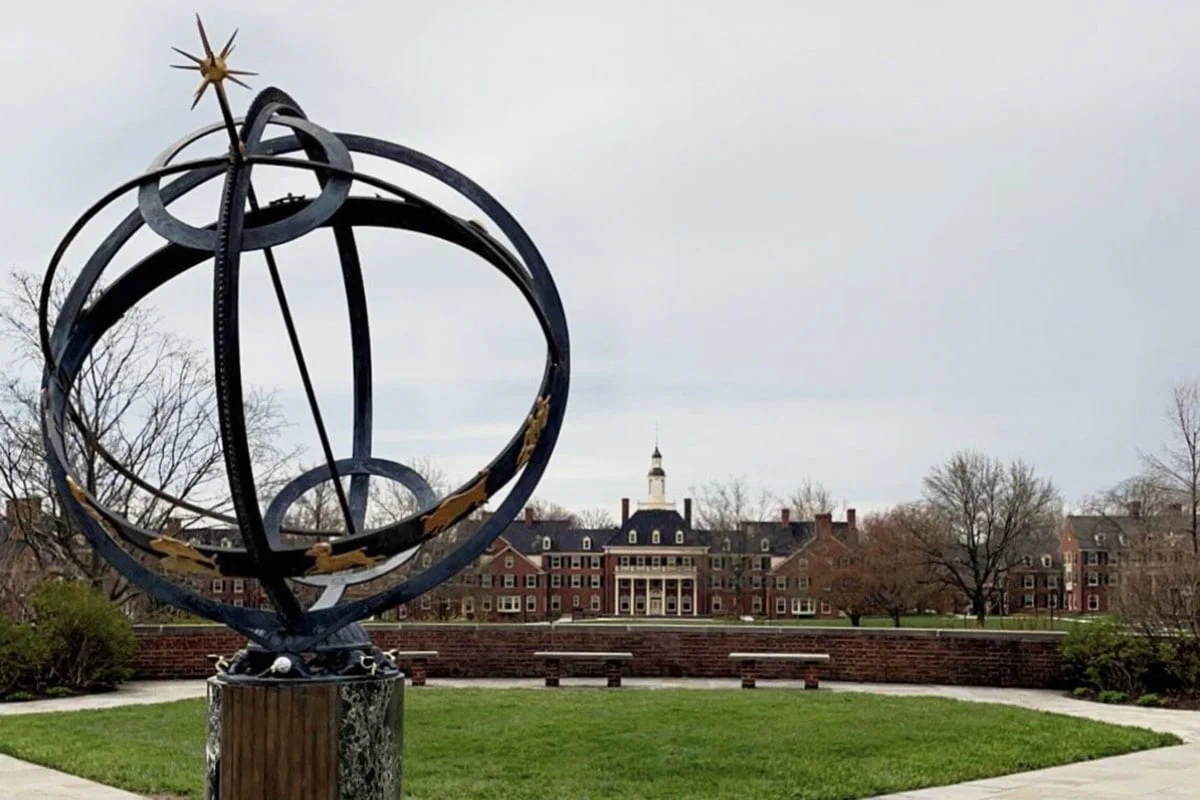
The picturesque quads of Miami University, usually reserved for student gatherings and quiet study, became the unlikely front lines of a heated labor dispute this week. A planned “teach-out”—an initiative intended to celebrate Labor Day by holding classes in the open air—was abruptly shuttered by university administration, sparking a fierce debate over academic autonomy, the definition of strike activity under Ohio law, and the widening chasm between faculty and management.
What began as a grassroots effort to demonstrate the value of faculty labor quickly transformed into a legal standoff, exposing deep-seated tensions at the university as contract negotiations remain at a standstill.
The Chronology of a Cancelled Lesson
For over a month, the Faculty Alliance of Miami had been organizing a “teach-out” scheduled for September 2. The concept was straightforward: faculty members would move their lectures and seminars to the university’s outdoor spaces, symbolically connecting their labor to the spirit of Labor Day.
However, the event never took place. On Sunday, just three days before the scheduled date, union leadership received a stern missive from university legal counsel. The letter stated unequivocally that the event was "not permissible," citing the collective bargaining agreement (CBA) as the primary barrier.
The university argued that the CBA grants management "sole authority" over academic matters, including the designation of instructional facilities. By attempting to unilaterally shift the venue of their classes, the university claimed, faculty were violating their contractual obligations.
By early Wednesday morning, the union leadership officially called off the outdoor event. In a strategic pivot, they urged faculty to conduct their classes indoors as scheduled, while simultaneously organizing a collective protest at an afternoon faculty meeting. The union encouraged attendees to wear red—the color of their organization—and prepare for a session of "pointed questions" directed at the administration.
The Legal and Contractual Tug-of-War
At the heart of the dispute is the interpretation of Ohio’s Senate Bill 1, a controversial piece of legislation that has significantly tightened the leash on public university employees. The university’s lawyers invoked the bill to frame the teach-out as a form of illegal "strike activity."
Under the university’s interpretation, the definition of a strike extends far beyond the picket line. It encompasses "concerted slowdowns" and any "abstinence in whole or in part from the full, faithful, and proper performance of employment duties for labor-relations purposes."

The administration argued that because the event was organized by the union during ongoing contract negotiations—particularly as the previous CBA expired in June—the outdoor classes constituted an "intermittent" or "partial" work stoppage. For the administration, the issue was not the pedagogy of outdoor learning, but the coordination of that learning under a labor banner.
Faculty Perspectives: A Tradition Under Siege
For the professors at Miami University, the administration’s crackdown feels less like a legal necessity and more like an overreach.
"We have sometimes gone outside when we need a little bit of extra space for an interactive discussion section," said Elena Jackson Albarrán, a professor of Latin American history and executive vice president of the faculty union. "In some of my smaller classes, we’ve held class outdoors, both to do community engagement and also just to have a change of pace from the classroom."
Albarrán and other faculty members point to a long-standing, informal tradition of outdoor instruction that has never required administrative oversight. When the weather is favorable and the lesson plan permits, faculty have routinely utilized the campus’s small amphitheaters and green spaces to foster a more dynamic, experiential learning environment.
Steven Conn, a professor of history at the university, expressed disbelief at the administration’s stance. In a follow-up inquiry to the provost, Conn questioned whether common, necessary shifts in location—such as moving a class outdoors when air conditioning fails in a traditional building—would now be classified as a violation of university policy. As of the time of reporting, he had received no response.
"The idea that faculty aren’t permitted to teach outside or indeed teach at any place other than their classroom is just so preposterous on its face," Conn said. "It reveals an office of academic affairs which is either simply disconnected from the faculty, or has been so co-opted by the Board of Trustees as to have been essentially neutered."
Official Responses: "Student Learning Should Come First"
The university’s stance remains firm, centered on the argument that pedagogical stability is a management prerogative. In a statement provided to the press, a university spokesperson emphasized that the institution’s primary obligation is to the student experience.
"The basic principle is that student learning should come first," the spokesperson said. "It is important to distinguish between holding a class outdoors and involving students in a labor dispute. The concern is not the outdoor location itself, but the use of instructional time or activities to subject students to a concerted Union-organized labor action."

The administration clarified that there is no categorical ban on outdoor instruction. Rather, they maintained that any change to the "assigned instructional locations and modalities" must go through the "ordinary academic processes," typically involving approval from a department chair for a "legitimate instructional reason."
The implication is clear: outdoor classes are acceptable if they are a pedagogical choice, but unacceptable if they are an expression of labor solidarity.
Implications for the Future of Miami University
The fallout from this incident extends beyond the quad. As negotiations over a new contract—including contentious discussions regarding compensation—continue, the trust between faculty and administration appears to be at an all-time low.
1. The Chilling Effect on Academic Freedom
Critics suggest that by labeling an outdoor lesson as "strike activity," the university is setting a dangerous precedent. If faculty are forced to fear disciplinary action for changing their classroom environment, the flexibility that defines high-level academic instruction may be lost. The faculty’s tongue-in-cheek digital posters—which jokingly warned against "asking students to write outside" or "inviting them to identify birds"—highlight a growing resentment toward what they view as administrative micromanagement.
2. Escalating Labor Tensions
The cancellation of the teach-out has only served to galvanize the union. By forcing the issue, the university may have inadvertently strengthened the faculty’s resolve. The move to shift the protest to an official all-faculty meeting suggests that the conflict is moving from the campus grounds into the administrative chambers, where the focus will likely remain on the lack of a current contract.
3. The Role of Senate Bill 1
This event serves as a bellwether for how Ohio’s legislative landscape is impacting campus operations. With state laws increasingly defining labor-relations actions in broad, punitive terms, public universities are finding themselves in a bind: they must balance the enforcement of state policy with the preservation of a culture that encourages free inquiry and teaching innovation.
Conclusion: A Campus Divided
As the semester progresses, the tension at Miami University serves as a case study for the friction between traditional academic autonomy and the modern regulatory environment of higher education. Whether the administration’s decision to suppress the teach-out will ultimately be seen as a necessary assertion of management rights or a strategic blunder that alienated their core workforce remains to be seen.
For now, the quad remains quiet—at least for those classes that don’t have the explicit permission to step outside. The faculty, meanwhile, are turning their attention to the negotiating table, where the battle for their labor rights continues, fueled by the memory of a September afternoon they were told they couldn’t spend under the sun.