For centuries, coffee has transcended its role as a mere morning stimulant to become one of the most sophisticated ingredients in the global pastry arts. The inherent bitterness of the coffee bean—its complex tapestry of nutty, earthy, and umami-dense flavor profiles—provides a necessary counterpoint to the cloying richness of sugar and fats. This chemical alchemy is why coffee-infused desserts have maintained a permanent residence in the pantheon of global culinary classics. From the 17th-century cafés of Italy to the refined patisseries of modern-day Paris and the experimental kitchens of Japan, coffee has cemented itself as the ultimate dessert equalizer.
The Science of Balance: Why Coffee Works
At a molecular level, the inclusion of coffee in desserts serves a vital function: balance. Culinary professionals often speak of "slicing through" sweetness; coffee achieves this with surgical precision. Its acidity and tannins act as a palate cleanser, preventing high-sugar desserts from becoming overwhelming. Furthermore, coffee shares aromatic compounds with many dessert staples, particularly nuts and dairy. As roasting produces pyrazines—organic compounds responsible for toasted, nutty aromas—the pairing of coffee with ingredients like walnuts, mascarpone, or almond flour is not merely a preference, but a scientifically harmonious union.
A Chronological Evolution of Caffeinated Indulgence
The history of coffee in sweets is a timeline of cultural adaptation. While coffee originated in Ethiopia and migrated through the Middle East, its integration into desserts gained significant momentum in Europe during the 17th century.
- 17th Century: The early development of Italian frozen coffee desserts, including the foundational experiments that would eventually yield the affogato and various granitas.
- Early 1900s: The emergence of the British coffee and walnut cake, likely inspired by earlier European coffee-infused sponges. Concurrently, coffee-flavored ice cream began to gain traction in American soda fountains.
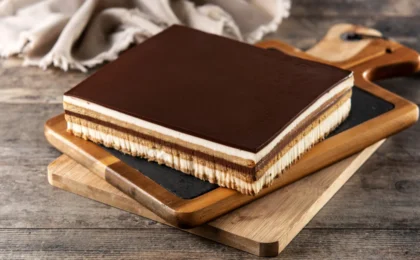
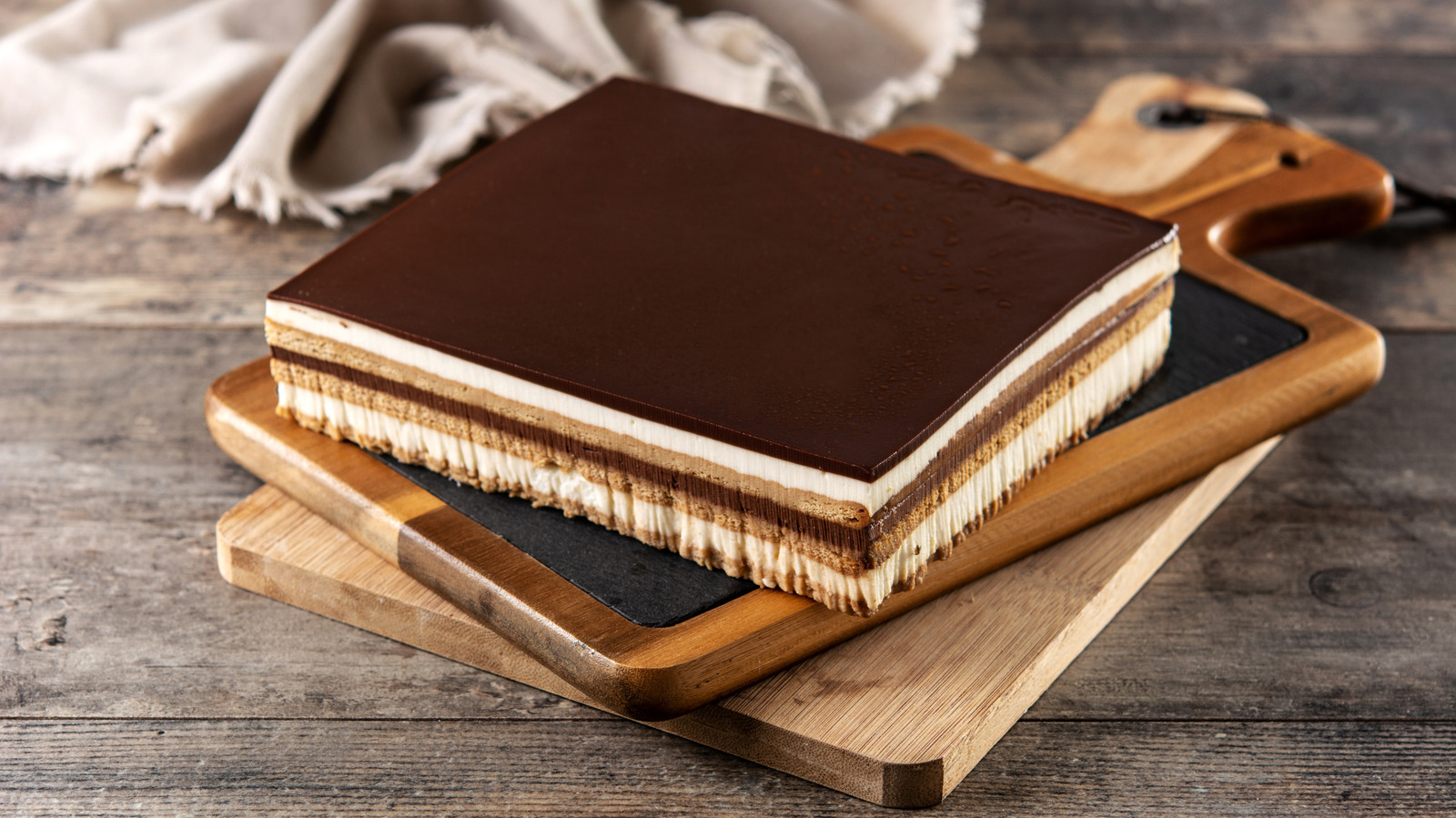
- 1950s: The birth of the French Opera cake, a pinnacle of technical pastry skill, designed to deliver a complex coffee-chocolate experience in a single bite.
- 1960s: The popularization of coffee jelly in Japan, a cultural pivot that transformed coffee into a textural, wobbly medium.
- 1970s–1980s: The global explosion of Tiramisu, which transitioned from a regional Italian specialty to a worldwide household name, particularly following its introduction to the U.S. market in the early 1980s.
The Eight Pillars: A Study of Classic Coffee Desserts
1. Tiramisu: The Italian Icon
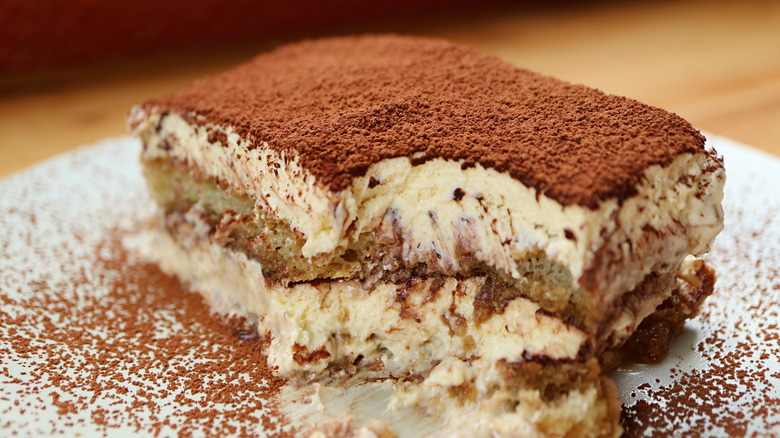
Perhaps no dessert better encapsulates the "coffee-dessert" identity than Tiramisu. Emerging from the Treviso region in the 1970s, it represents a perfect textural contrast: the soft, coffee-soaked ladyfinger (savoiardi) layered with a rich, airy emulsion of mascarpone, eggs, and sugar. Culinary experts like chef Sal Lamboglia emphasize that the integrity of Tiramisu relies entirely on the quality of its components. "Mascarpone must be authentic, eggs must be organic, and the coffee must be aggressively strong," Lamboglia notes.
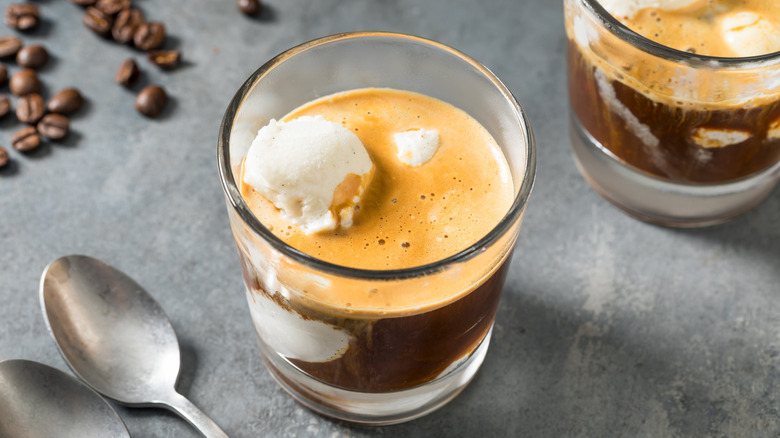
2. Affogato: The Art of the "Drown"
The affogato is a masterclass in minimalism. Translating literally to "drowned," it is the simple act of pouring hot, high-quality espresso over a scoop of vanilla gelato. Its brilliance lies in the thermal shock and the gradual melting of the ice cream into the coffee, creating a luxurious, creamy espresso drink that functions as a post-dinner digestif.
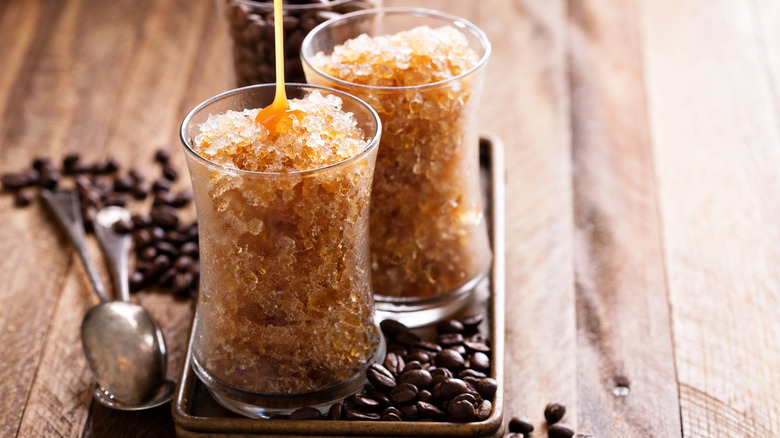
3. Coffee Granita: The Sicilian Solution
When Mediterranean temperatures climb above 110 degrees Fahrenheit, the Sicilian response is the coffee granita. By freezing a mixture of strong coffee and sugar and periodically scraping the ice, locals create a dessert that is as refreshing as it is caffeinated. It is a testament to the fact that simple, high-quality ingredients require no complex culinary intervention to achieve greatness.
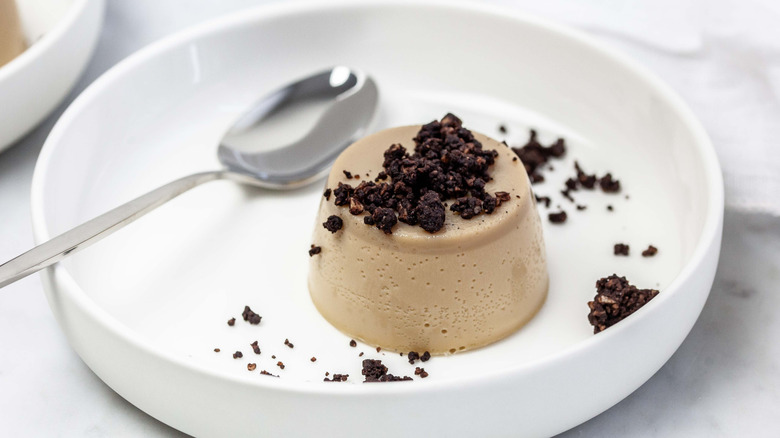
4. Coffee Panna Cotta: Velvety Elegance
Panna cotta, a Piedmontese specialty, is defined by its wobble and its creaminess. When infused with espresso, the custard gains a structural depth that bridges the gap between a morning coffee and a fine-dining finale. The addition of vanilla softens the coffee’s edge, while modern interpretations—such as those featuring Irish whiskey or salted caramel cold foam—demonstrate the dessert’s adaptability.
5. Coffee and Walnut Cake: The British Staple
This classic sponge cake, a staple of the British tea room, leverages the chemical compatibility of coffee and walnuts. The earthiness of the nut enhances the natural bitterness of the coffee, while the heavy, silky buttercream frosting provides a decadent mouthfeel. It is a dish that prioritizes comfort and structural integrity, standing in contrast to the lighter, mousse-like desserts of the Mediterranean.
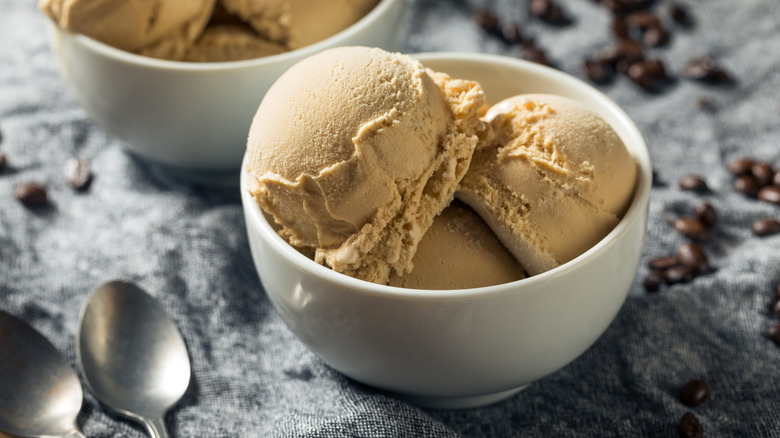
6. Coffee Ice Cream: The American Favorite
Coffee ice cream became a cornerstone of the American palate in the early 20th century, cementing its place in the 1909 Rigby’s Reliable Candy Teacher. By the mid-1940s, it had become a top-tier flavor for commercial ice cream producers like Howard Johnson’s. Modern iterations, such as those from Adirondack Creamery, prove that high-end craftsmanship—incorporating real coffee beans and cocoa—can elevate this mass-market favorite into a gourmet experience.
7. Coffee Jelly (Kohii Zerii): The Japanese Innovation
Coffee jelly is a fascinating example of cultural cross-pollination. Inspired by Western recipes, Japan adopted the concept in the 1960s, refining it into a clean, precise, and refreshing treat. Utilizing agar-agar or gelatin, the dessert highlights the clarity of the coffee flavor, often served with a dollop of cream to mimic a latte.
8. Opera Cake: The French Masterpiece
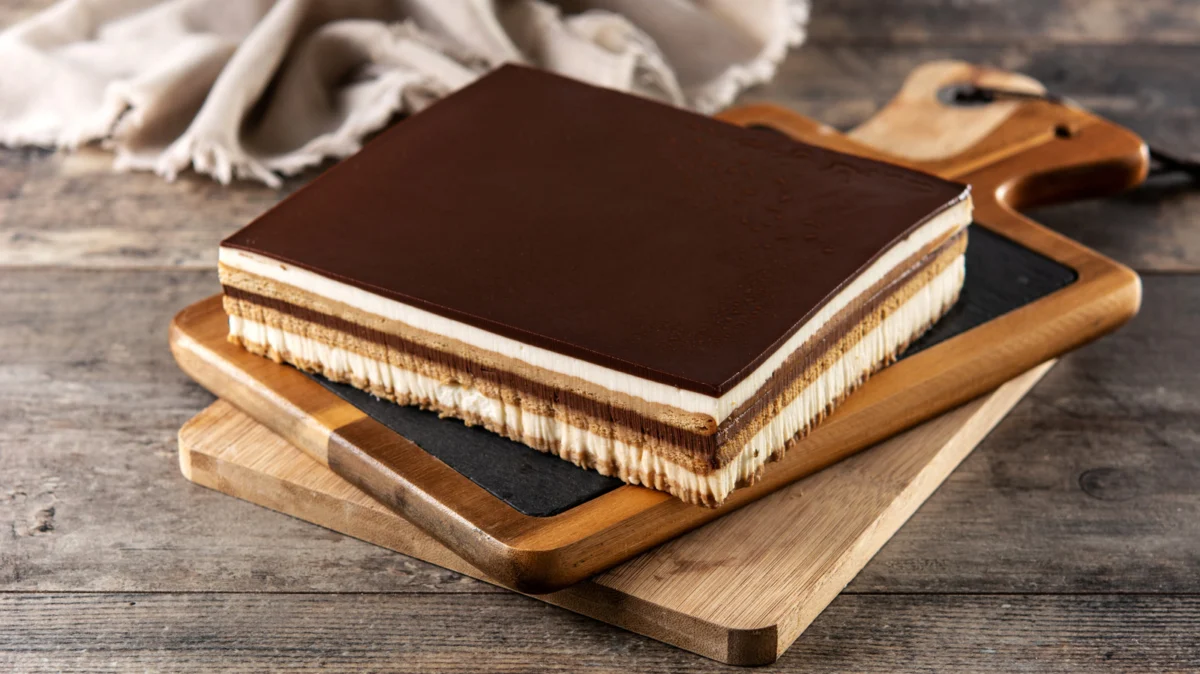
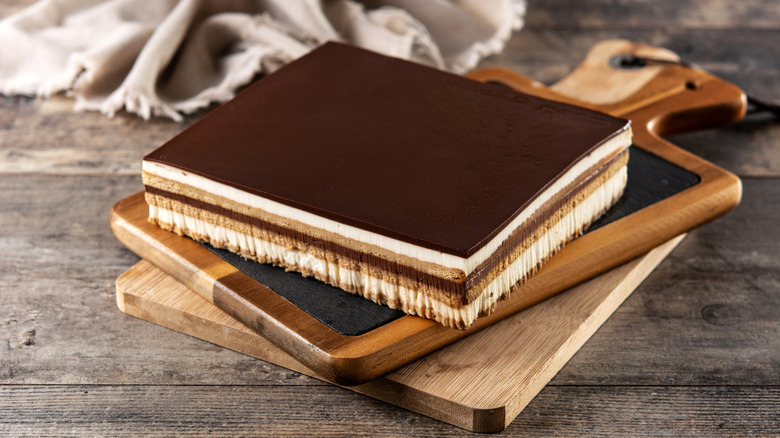
The Opera cake is the most technically demanding entry on this list. Comprised of almond sponge (joconde), coffee syrup, buttercream, and chocolate ganache, it is an exercise in layering. As pastry consultant Sumaiya Bangee notes, "The secret is preparation and the specific texture of each layer." It is the ultimate expression of coffee as a sophisticated, fine-dining ingredient.
Supporting Data: Why Classics Endure
Market data and culinary trends suggest that while "fusion" and "extreme" desserts (like the aforementioned TikTok-inspired latte-based treats) gain short-term viral popularity, they lack the staying power of the classics. The enduring nature of Tiramisu or Opera cake is rooted in balanced profiles. According to recent industry surveys, consumers consistently rank "balanced sweetness" and "familiar but elevated flavor profiles" as their top reasons for selecting a dessert. The classic coffee desserts identified here hit these benchmarks consistently, ensuring their continued relevance on menus worldwide.
Official Perspectives: The Chef’s Consensus
Professional pastry chefs agree that working with coffee requires a delicate hand. Over-extraction of the coffee can lead to an astringent, unpleasant flavor that ruins a delicate cream or custard. Conversely, under-extraction results in a weak, muddy taste. The consensus among top-tier chefs is that coffee should be treated as a seasoning—a way to enhance the dessert’s base notes—rather than a substitute for the dessert itself.
Implications for the Future of Dessert
The future of coffee desserts appears to be moving toward origin-specific beans and sustainable practices. As consumers become more educated about coffee quality (preferring single-origin, shade-grown, or ethically sourced beans), they are demanding the same level of transparency in their desserts. We are already seeing a shift toward "specialty coffee" desserts where the specific roast profile (light, medium, dark) is highlighted as a tasting note on menus, much like wine pairings.
Furthermore, as the culinary world continues to embrace plant-based alternatives, the challenge of replicating the mouthfeel of dairy in classics like Panna Cotta or Tiramisu is driving innovation in ingredients like aquafaba and coconut cream. However, the core identity of these desserts remains unchanged: they serve as the ultimate bridge between the bitterness of the world’s most popular bean and the human desire for a sweet, decadent conclusion to a meal.
In conclusion, while the culinary world is vast and ever-changing, these eight coffee desserts stand as monuments to human creativity. They are not merely recipes; they are historical artifacts of how different cultures have looked at a humble bean and recognized its potential for extraordinary, timeless pleasure.