Introduction: A Nation in Mourning
The Himalayan nation of Nepal is currently grappling with one of the most severe humanitarian disasters in its modern history. Following a catastrophic series of flash floods triggered by a massive glacier collapse on August 26, the country has been plunged into a state of emergency. As of this week, the United Nations has confirmed that the death toll has surged past the 1,000 mark, with thousands more still unaccounted for.
The devastation, characterized by wall-to-wall debris and the obliteration of vital infrastructure, has left the nation’s mountainous regions effectively severed from the rest of the country. Beyond the immediate loss of life, international agencies are sounding the alarm on a burgeoning secondary crisis: the systematic vulnerability of women, children, and displaced populations who are currently facing acute shortages of food, clean water, and medical care.
Chronology of the Disaster
The timeline of this tragedy underscores the volatile nature of the Himalayan climate, a region increasingly susceptible to the impacts of a warming planet.
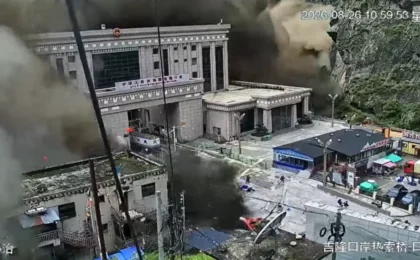
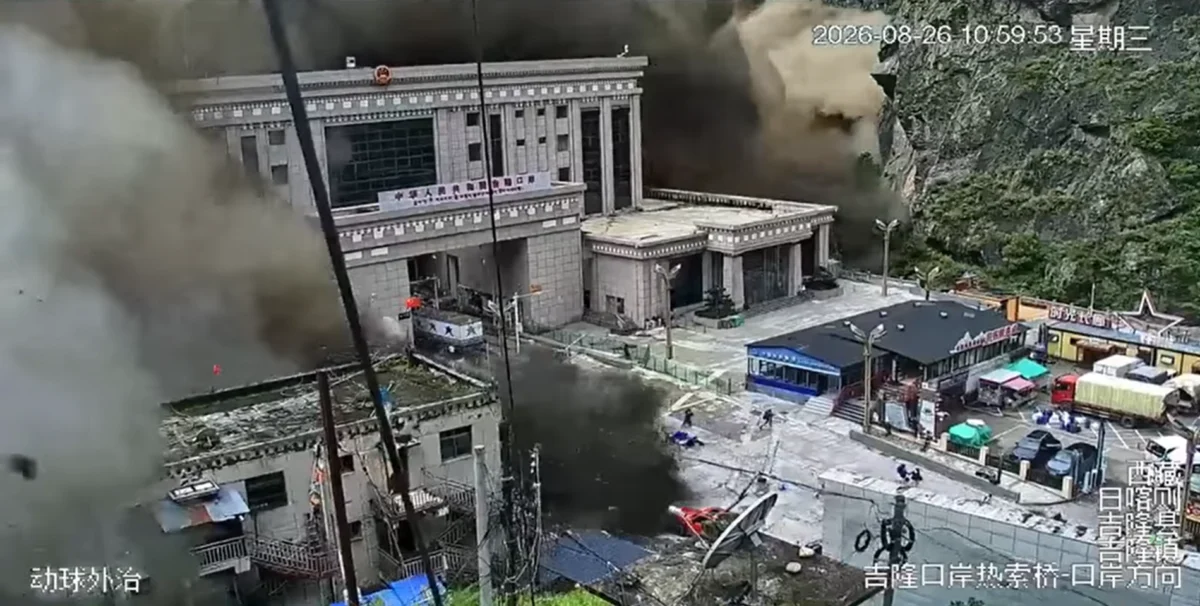
- August 26, 2026: A major glacial collapse near the Nepal-China border initiated the disaster. The rupture sent an immense surge of floodwater, mud, and geological debris cascading down river corridors, overwhelming settlements and critical infrastructure.
- Late August – Early September: The initial wave of destruction hit the districts of Rasuwa, Nuwakot, and Dhading with particular ferocity. During this period, the physical geography of the region was fundamentally altered, with roads and bridges being swept away, leaving thousands trapped.
- September 2026 (Ongoing): As monsoon rains continue to batter the region, rescue operations have been severely hampered. The instability of the saturated slopes has turned search-and-rescue efforts into a race against time and gravity.
- Current Status: The United Nations Office for the Coordination of Humanitarian Affairs (OCHA) continues to update casualty figures as search crews navigate increasingly difficult, often inaccessible, terrain.
Supporting Data: The Scale of Destruction
The sheer magnitude of the catastrophe is reflected in the grim statistics provided by the UN and its associated agencies.
Mortality and Missing Persons
Jens Laerke, spokesperson for OCHA, confirmed that the death toll surpassed 1,000 as of mid-week, with 987 deaths confirmed earlier in the day. The search-and-rescue teams are currently tracking 4,247 individuals who remain missing. These numbers are expected to fluctuate as remote villages are finally reached by aid workers.
Infrastructure and Health
The physical destruction is comprehensive. Beyond residential homes, the floodwaters destroyed critical infrastructure including:
- Health Facilities: The loss of clinics and hospitals has created a massive gap in emergency healthcare, complicating the treatment of trauma injuries and the prevention of disease.
- Connectivity: The destruction of roads and bridges has created a logistical nightmare for humanitarian aid delivery.
- Children at Risk: UNICEF has reported that at least 17,000 children have been directly impacted by the floods, requiring urgent humanitarian assistance. The agency has launched an appeal for $17.2 million to provide life-saving support and early recovery efforts.
The Gendered Crisis: Women and Girls in Peril
Perhaps the most concerning aspect of the current emergency is the disproportionate impact on women and girls. UN Women has estimated that 43,000 women and girls require immediate, targeted humanitarian assistance.
The Amplification of Inequality
Christine Arab, the Regional Director for UN Women in Asia and the Pacific, has warned that the floods are not merely a natural disaster but an exacerbator of pre-existing systemic inequalities. In the affected regions of Rasuwa and Nuwakot—where nearly 160,000 women and girls have been affected—the collapse of infrastructure has effectively removed the safety nets that women relied upon for survival.
Protection Risks and Vulnerability
The displacement of thousands has led to a breakdown in privacy and sanitation. In temporary shelters and displacement camps, the absence of separate, safe, and well-lit sanitation facilities has significantly increased the risk of gender-based violence, trafficking, and exploitation. Furthermore, in many of these districts, male migration is common, leaving women to head households. These women are now bearing the brunt of the recovery process while managing the care of children and the elderly with dwindling resources.
Official Responses and International Intervention
The international community has begun to mobilize, though the geography of the Himalayas remains a significant obstacle to rapid intervention.
The WHO’s Warning
The World Health Organization (WHO) has issued a stern warning regarding the potential for secondary health emergencies. The combination of overcrowded displacement centers, stagnant water, and limited access to sanitation is a perfect breeding ground for communicable diseases. Authorities are bracing for outbreaks of dengue, scrub typhus, and water-borne illnesses that could further strain an already decimated healthcare system.
The Call for Global Action
The UN and other humanitarian actors are working in tandem to clear blocked waterways and stabilize essential supply chains. However, the scale of the destruction has necessitated a call for greater international solidarity. The funds requested by UNICEF and other bodies are intended not only for immediate relief but for the gargantuan task of rebuilding the water and sanitation systems that are essential for long-term health.
Implications: A Climate-Induced Tragedy
The tragedy in Nepal serves as a harrowing reminder of the global climate crisis. Despite Nepal’s negligible contribution to global carbon emissions, the nation is positioned on the front lines of climate-induced disasters.
The Himalayan Crisis
The melting of Himalayan glaciers has been a subject of alarm for years. Last year, UN Secretary-General António Guterres visited the region, highlighting that the Himalayan range has lost nearly one-third of its glacial ice in the last 30 years. This rapid glacial retreat makes the region increasingly prone to "Glacial Lake Outburst Floods" (GLOFs) and catastrophic landslides.
The implications for Nepal are profound:
- Economic Setback: The destruction of roads and agricultural land will set the national economy back by years, potentially pushing thousands back into poverty.
- Environmental Refugees: As the mountains become increasingly unstable, the prospect of permanent internal displacement looms, raising questions about how the government will resettle communities living in high-risk zones.
- The Policy Imperative: There is a growing demand for the international community to provide climate adaptation funding to nations like Nepal. The current tragedy illustrates that without significant investment in early warning systems and infrastructure resilient to climate change, the frequency and severity of such disasters will only increase.
Conclusion
As the waters recede, they reveal a landscape scarred by a disaster that transcends mere geography. The tragedy in Nepal is a collision of climate change, social inequality, and geographical vulnerability. While the immediate priority remains the search for the missing and the provision of life-saving aid to women and children, the long-term reality is that Nepal’s path to recovery will be steep and arduous. The international response to this crisis must not only address the immediate hunger and displacement but must also commit to a long-term strategy that recognizes the disproportionate burden placed on the world’s most vulnerable nations in the face of a warming world.