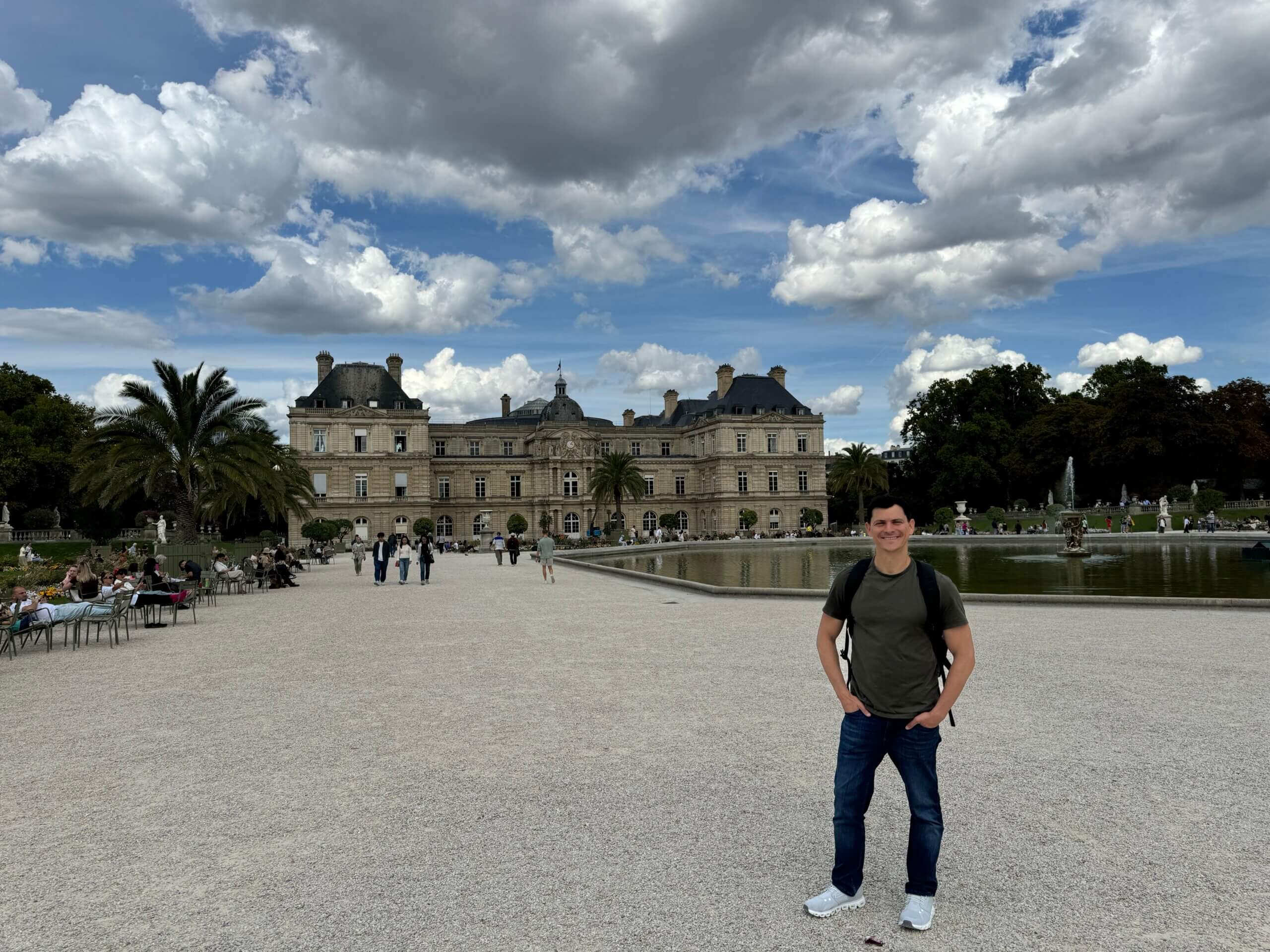
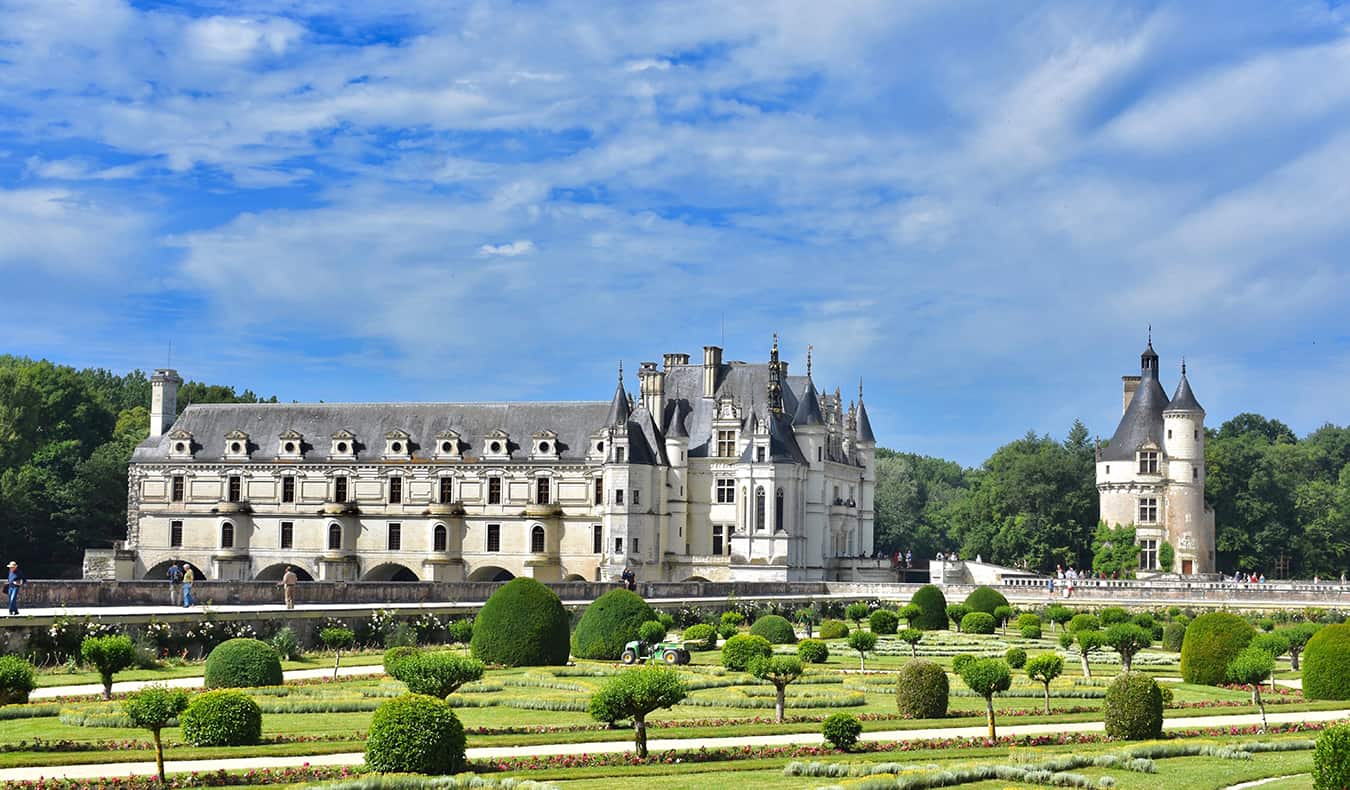
For years, the dream of living in France has been synonymous with the romanticized ideal of expatriate life—sipping café au lait in a Left Bank bistro, wandering through the manicured gardens of a provincial château, and immersing oneself in a culture that prioritizes the art de vivre. For many, this dream remains exactly that: a dream. However, as the post-pandemic era reshapes how we view work, geography, and personal fulfillment, an increasing number of professionals are looking to make the leap.
The allure of France is not merely aesthetic. It offers a unique intersection of history, high culture, and a pace of life that stands in stark contrast to the relentless churn of major American metropolitan hubs. Yet, the transition from tourist to resident is fraught with bureaucratic complexity. Navigating the French immigration system requires more than just a desire for change; it demands a tactical understanding of a legal framework that has yet to fully reconcile with the realities of the digital age.
A Personal Shift: Why Paris Still Captivates
The narrative of moving to France often begins with a singular, transformative experience. For many, it starts with a sensory awakening—perhaps the first glass of Bordeaux in 2010 or the electric atmosphere of the Champs-Élysées. This initial spark often evolves into an obsession, leading to repeat visits, temporary rentals, and eventually, the life-altering question: "What if I stayed?"
In recent years, the impetus for such a move has shifted. Rising costs of living in cities like New York, the isolation of competitive dating markets, and the existential anxiety surrounding the rapid advancement of artificial intelligence have prompted many creatives to seek a "reset." France, with its robust social infrastructure and timeless appeal, provides an ideal sanctuary for those looking to pivot their professional focus, perhaps by drafting a manuscript or launching a new creative endeavor.
The Chronology of an Application
Moving to France is not a decision made overnight; it is a months-long process of documentation, verification, and anticipation.
- The Decision Phase: Identifying the need for change and settling on France as the destination.
- The Research Phase: Evaluating visa categories—Student, Entrepreneur, Talent, or Long-Term Visitor (VLS-TS).
- The Application Phase: Collating financial records, proof of housing, health insurance, and personal documentation.
- The Appointment: Submitting biometric data and physical paperwork via intermediaries like TLScontact.
- The Waiting Period: The anxious limbo between submission and the return of the passport.
- The Arrival: Official registration and the initiation of the "long-term" lifestyle.
For those who have navigated this path, the common consensus is that the process is remarkably orderly, provided one is meticulous. The French authorities operate on a clear premise: they are not interested in barriers for their own sake, but they are strictly concerned with ensuring that the applicant will not become a financial burden on the state.
Supporting Data: Understanding Your Visa Options
France does not currently offer a dedicated "Digital Nomad Visa." This creates a gray area for remote workers, which requires careful navigation. The primary pathways for residency are as follows:
1. The Student Visa
This remains the most straightforward route. By enrolling in a full-time university program or an intensive language course, applicants gain access to a legal path for residency. The requirements are modest—typically showing proof of funds (approximately €600 per month). A significant advantage of this visa is the permission to work part-time, providing a financial cushion.
2. The Entrepreneur Visa
Designed for those establishing a business within French borders, this path is complex and rigorous. It requires extensive documentation, including a detailed business plan, proof of local clients (specifically French entities), and a commitment to pay French taxes. The scrutiny of assets and financial stability is intense, making it a less attractive option for those who are not fully committed to establishing a long-term commercial presence in the country.
3. The Talent Passport (Passeport Talent)
Reserved for those with verified accolades, experts in their fields, or individuals whose work significantly contributes to French culture. This is a prestigious and stable route, but it requires substantial evidence of one’s professional standing and a clear plan for how that expertise will be applied within France.
4. The Long-Term Visitor Visa (VLS-TS Visiteur)
This is the most common choice for retirees and passive-income earners. It allows for a 12-month stay, renewable within the country. The primary constraint is that the holder is generally prohibited from "physically working" in France. It serves as an excellent "base" for those who have income derived from external sources, such as book royalties, investments, or remote business interests that do not compete with the local labor market.
Official Responses and Legal Realities
The most common question facing modern applicants is: "Can I work while on a visitor visa?"
From a legal standpoint, the French administration defines "work" in a traditional, physical sense—employment that could theoretically be filled by a French citizen. The emergence of the digital nomad has left the French tax and immigration offices in a state of flux. While there is no official "digital nomad" law, authorities have begun to weigh in on the taxation of remote income.
However, because many long-term visitor visa holders do not possess a French tax number, the mechanism for collecting taxes on remote work is often non-existent. The safest approach, as recommended by immigration experts like Daniel Tostado, is to seek professional counsel. Relying on anecdotes from online forums can be dangerous; a specialized lawyer can provide clarity on whether your specific activities—such as managing a blog or writing—fall within the legal gray area or require a more formal business setup.
Implications for the Future of Remote Work
The "gray area" of current French immigration policy highlights a global disconnect between modern labor trends and national sovereignty. France, like many other European nations, is protective of its social welfare system. Consequently, they remain cautious about allowing non-citizens to enter the workforce without a clear tax contribution.
For the aspiring expat, the implication is clear: you must be self-sufficient. If you can demonstrate that your income is stable, external to the French economy, and sufficient to sustain you without reliance on public services, the doors to France are surprisingly open.
Practical Tips for a Successful Transition
To ensure a smooth application, one should adopt a "more is better" approach to documentation. While the government may only request a specific set of files, providing supplemental evidence—such as comprehensive bank statements, tax returns, and proof of health insurance—demonstrates reliability and reduces the likelihood of administrative friction.
- Accommodation: Ensure you have at least 90 days of confirmed housing.
- Health Insurance: Proof of comprehensive medical coverage is non-negotiable.
- Financial Solvency: Clear, verifiable proof of income that meets or exceeds the required thresholds is the cornerstone of any application.
- Patience: The waiting period is an exercise in restraint. Focus on the preparation, and trust that the system, while bureaucratic, is ultimately logical.
Conclusion: A New Chapter
Moving to France is an exercise in intentionality. It is not merely a change of address; it is a commitment to a different way of existing. By choosing the right visa, preparing a meticulous application, and respecting the legal boundaries of your residency, the dream of living in the City of Light—or the quiet corners of the French countryside—is entirely attainable.
As the world continues to shrink through digital connectivity, France stands as a testament to the fact that while technology changes how we work, it does not diminish the value of being exactly where you want to be. Whether you are looking for creative inspiration, a slower pace of life, or a deeper connection to history, the path to France is open to those who are willing to do the work to get there.