From the Charlie Kirk assassination trial and the Department of Justice’s expanded retail pricing probe to congressional revolts and rising Middle East tensions, a comprehensive analysis of the critical developments driving the national discourse.
Main Facts
The United States is currently navigating a highly volatile intersection of high-stakes legal battles, domestic political realignments, and escalating geopolitical crises. From federal courtrooms to international airspace, several key developments have emerged that carry profound implications for national security, economic policy, and the upcoming electoral landscape.
The Charlie Kirk Assassination Trial
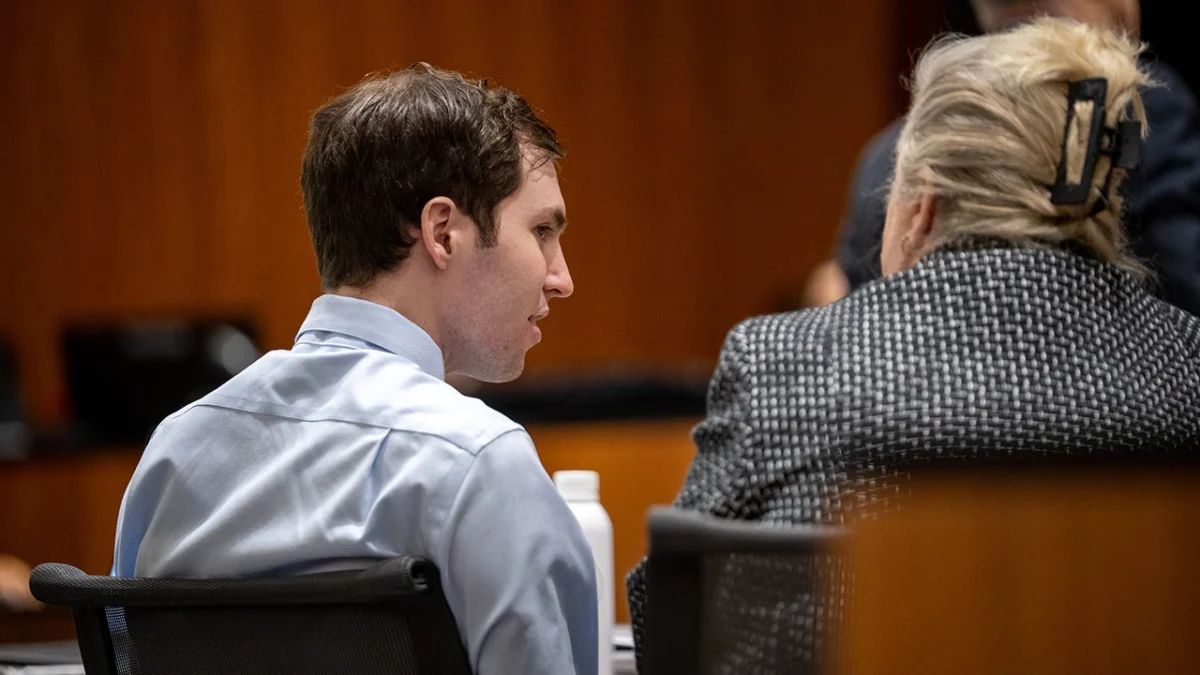
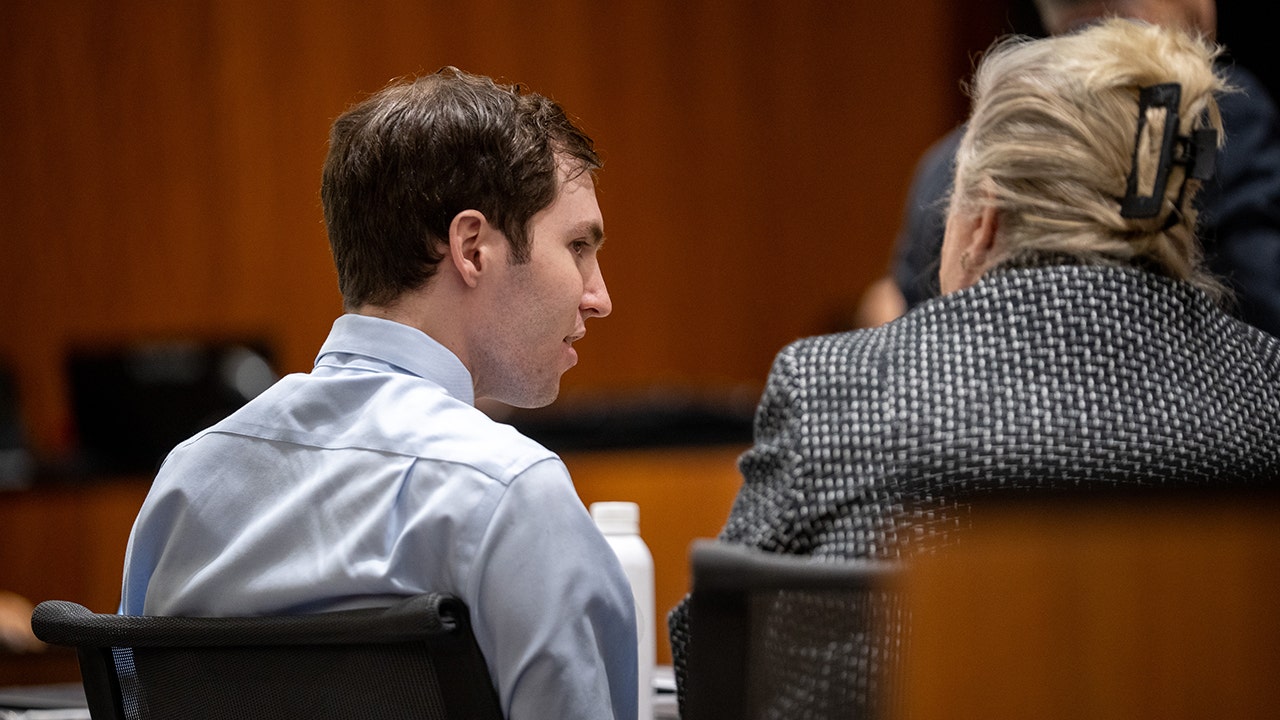
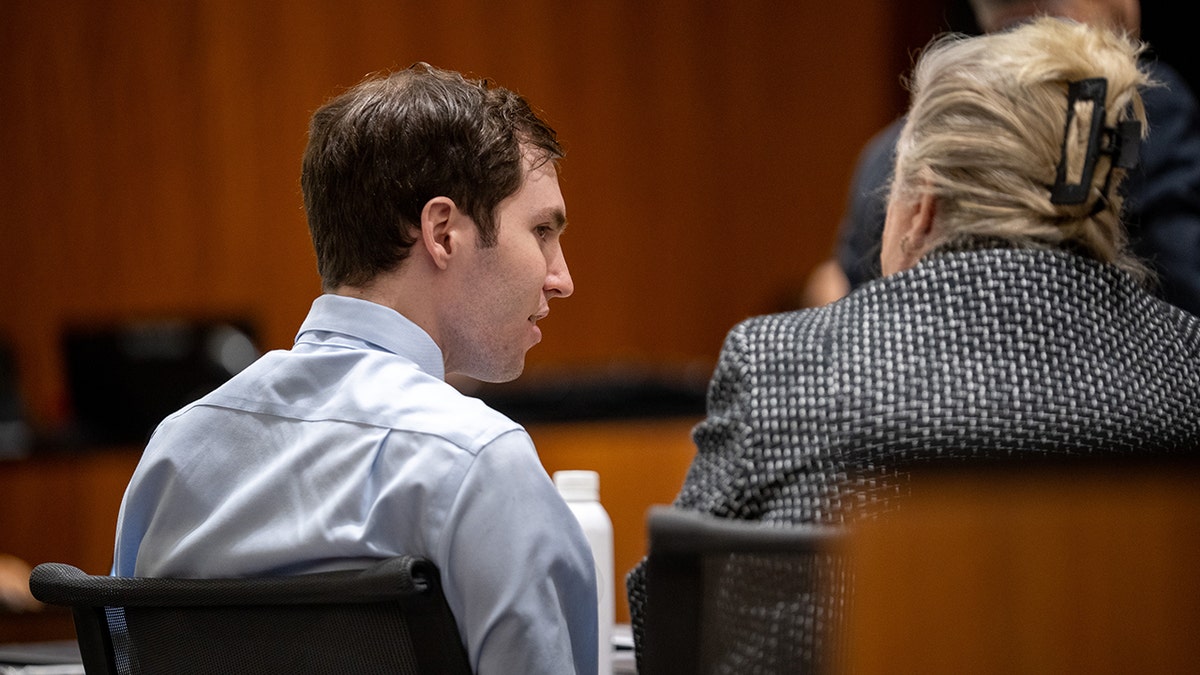
In a major federal ruling, a judge has decided to keep the death penalty on the table for Tyler Robinson, the suspect accused in the assassination plot targeting conservative activist and Turning Point USA founder Charlie Kirk. Presiding over the court, the judge rejected sweeping defense motions aimed at removing capital punishment as a sentencing option. Robinson, represented by defense attorney Kathryn Nester, faces a highly anticipated trial that has become a flashpoint for discussions surrounding political violence and the legal thresholds for domestic terrorism charges.
DOJ Targets Major Retailers in Beef-Pricing Probe
The Department of Justice (DOJ) has aggressively expanded its antitrust investigation into the beef industry, shifting its focus from primary meatpackers to the nation’s largest retail giants. Subpoenas and inquiries have been directed at eight major retailers, including Walmart, Costco, and Amazon. The federal probe aims to determine whether these corporate behemoths engaged in anti-competitive pricing strategies, margin-padding, or collusion, which critics argue have artificially inflated grocery bills for millions of American families.
Geopolitical Instability and the Iranian Missile Barrage
On the international stage, a massive missile barrage launched by Iran has sent shockwaves through global markets and defense communities. The attack unfolded amid deep mystery and conflicting intelligence regarding the fate of several high-ranking Islamic Revolutionary Guard Corps (IRGC) commanders. Security analysts are closely monitoring whether these commanders were neutralized in recent counter-strikes or if they are actively directing the next phase of regional hostilities.
Domestic Security Breaches and Vandalism
Domestically, security concerns have hit close to home for top government officials. An Ohio man accused of smashing windows at the private residence of Vice President JD Vance has officially entered a guilty plea, bringing a swift end to a high-profile vandalism case. Meanwhile, in a bizarre and alarming security breach, an unauthorized individual stole a private aircraft, flying it dangerously close to a nuclear power facility before crash-landing the plane in a sunflower field, prompting the scrambling of military fighter jets.
Chronology of Key Developments
To understand the current state of these interlocking crises, it is essential to trace how these events transitioned from isolated incidents into major national headlines.
[Late 2025: Initial Incidents]
   │
   ├── Arrest of Tyler Robinson in Charlie Kirk assassination plot
   ├── Vandalism reported at Vice President JD Vance's Ohio residence
   └── DOJ initiates preliminary inquiry into meatpacking supply chains
   │
[Early 2026: Escalation & Legal Actions]
   │
   ├── suspect in JD Vance vandalism case enters guilty plea in Ohio court
   ├── DOJ expands probe to retailers (Walmart, Costco, Amazon, etc.)
   ├── Drunk pilot steals aircraft, scrambles fighter jets near nuclear plant
   └── Iran launches major missile barrage amid mystery over IRGC commanders
   │
[Current Status: Judicial Rulings & Political Fallout]
   │
   ├── Judge rules to keep death penalty on the table for Tyler Robinson
   ├── House Democrats face internal revolt over anti-socialism resolution
   └── NEA federal charter challenged over controversial curriculum policies
The Genesis of the Legal and Security Crises
The legal proceedings against Tyler Robinson began following his arrest in late 2025, after law enforcement intercepted a coordinated plan to assassinate Charlie Kirk. Over the subsequent months, federal prosecutors and defense teams clashed over the scope of the charges. This culminated in the recent court session where Judge Nester denied the defense’s motion to strike capital punishment.
Simultaneously, the vandalism at Vice President JD Vance’s home occurred during a period of heightened political polarization. The suspect’s swift guilty plea in early 2026 has resolved the immediate criminal trial but has left lingering questions about the security of public officials.
The Expansion of the Antitrust and Economic Probes
The DOJ’s antitrust division initially focused on the "Big Four" meatpacking conglomerates. However, throughout the winter of 2025, data revealed a growing discrepancy between wholesale cattle prices and retail prices at supermarket shelves. Recognizing that the consolidation of retail power could be contributing to inflation, federal investigators officially expanded their probe in early 2026, serving comprehensive civil investigative demands to eight retail giants.
Supporting Data and Contextual Analysis
The political and economic challenges currently facing the country are underscored by significant statistical trends, historical precedents, and legislative friction.
The Economics of Retail Consolidation
The DOJ’s focus on Walmart, Costco, and Amazon reflects a structural shift in American grocery distribution. The top food retailers now control an unprecedented share of the consumer market:
| Retailer | Estimated Grocery Market Share (%) | Key Focus of DOJ Investigation |
|---|---|---|
| Walmart | ~25.2% | Supplier pricing demands and regional price-matching algorithms |
| Costco | ~7.1% | Bulk purchasing leverage and margin-padding on meat products |
| Amazon (incl. Whole Foods) | ~4.8% | Dynamic pricing models and digital marketplace fee structures |
These three entities, alongside five other major regional chains, are under scrutiny to determine if their purchasing power has been used to squeeze farmers while keeping consumer prices artificially high.
The Legislative Battle over the NEA Charter
In Washington, educational policy has become a major legislative battleground. The National Education Association (NEA), the nation’s largest teachers’ union, is facing intense scrutiny over its progressive social agenda. Founded in 1857 and granted a prestigious federal charter by Congress in 1906, the NEA is now seeing that very charter challenged by conservative lawmakers.
Critics argue that the union has drifted far from its original mission of promoting public education, instead utilizing its massive resources to lobby for controversial policies. Legal experts note that revoking a century-old federal charter is an incredibly rare and complex legislative maneuver, but the mere threat of doing so represents a major shift in the political landscape.
Electoral Realities and Ideological Divides
The ideological battles are also playing out at the ballot box. In a highly watched Senate primary, an 80-year-old progressive incumbent successfully defeated a younger challenger who advocated for generational change. The incumbent’s victory came after going "all-in" on defending transgender athletes’ participation in sports—a campaign strategy that many analysts believed was risky, but ultimately galvanized the progressive base.
Conversely, an original member of the progressive congressional group known as "The Squad" easily cruised to renomination in her district, facing virtually no viable Republican opposition, cementing the deep regional polarization of the electorate.
Official Responses and Legal Arguments
The rapid development of these domestic and international events has prompted a flurry of official statements, defense strategies, and political warnings.
Legal Defense in the Robinson Trial
In the Charlie Kirk assassination case, defense attorney Kathryn Nester argued passionately that the federal government’s pursuit of the death penalty was an overreach. Nester asserted that:
"The imposition of capital punishment in this context is disproportionate and fails to account for the complex mental health and systemic factors at play. We will continue to challenge the constitutionality of the government’s sentencing framework as we prepare for trial."
Federal prosecutors countered that the targeted, politically motivated nature of the plot justified keeping all sentencing options, including the death penalty, available to the jury.
Congressional Mutiny and House Leadership Warnings
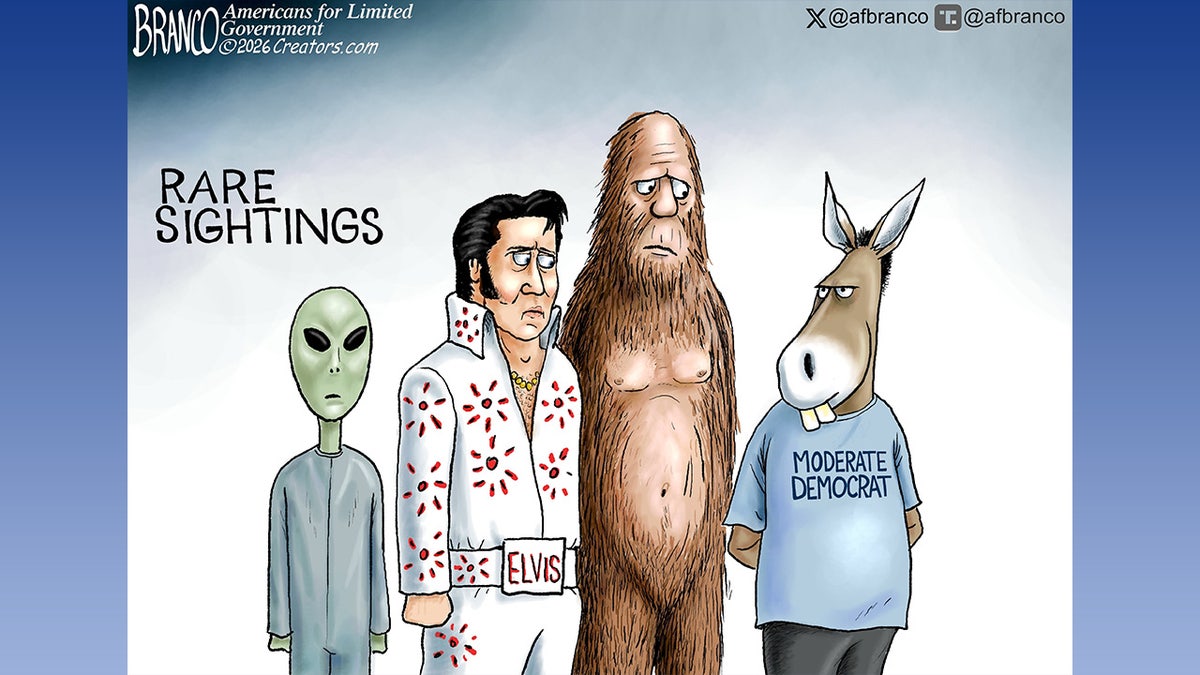
On Capitol Hill, House Democratic Leader Hakeem Jeffries is dealing with a significant internal mutiny. A group of moderate Democrats recently broke ranks to vote in favor of a Republican-led anti-socialism resolution. The resolution, which passed with bipartisan support, has exposed deep rifts within the Democratic caucus.
In a closed-door meeting, Jeffries reportedly warned defectors of "consequences" regarding committee assignments and party backing, stating that unity is paramount heading into a critical election cycle. Moderate Democrats defended their votes, arguing that failing to reject socialist principles would be politically fatal in their moderate swing districts.
Corporate Defense from Retail Giants
In response to the DOJ’s expanded beef-pricing probe, representatives from the targeted retail corporations have denied any wrongdoing. A spokesperson for Walmart released a statement emphasizing their commitment to low prices:
"We pride ourselves on offering everyday low prices to our customers. We have cooperated fully with the Department of Justice’s inquiries and remain confident that our purchasing and pricing practices are entirely compliant with antitrust laws."
Costco and Amazon issued similar statements, attributing high beef prices to supply chain disruptions, labor shortages, and rising feed costs rather than anti-competitive behavior.
Implications and Future Outlook
The resolutions of these ongoing legal, political, and economic battles will shape the United States’ trajectory for years to come.
Precedents in Political Violence and Security
The outcome of the Tyler Robinson trial will set a critical precedent for how federal courts handle threats against political commentators and activists. A conviction carrying the death penalty could serve as a powerful deterrent against politically motivated violence, which has seen a worrying rise across the ideological spectrum.
Additionally, the guilty plea in the JD Vance vandalism case and the scrambling of fighter jets near a nuclear facility highlight the persistent vulnerabilities in domestic infrastructure and the personal security of high-profile leaders.
The Future of Antitrust Enforcement
The DOJ’s aggressive posture toward retail giants signals a new era of antitrust enforcement. If the government uncovers evidence of price-fixing or collusive behavior among Walmart, Costco, or Amazon, it could lead to historic fines, mandatory restructuring, or strict federal oversight of retail pricing models. This would fundamentally alter how consumer goods are priced and distributed across the globe.
Cultural and Geopolitical Realignment
Finally, the cultural debates surrounding the NEA’s charter and high-profile primary elections indicate that identity politics and educational curricula will remain central to the national discourse. Internationally, the ongoing mystery surrounding Iran’s IRGC commanders keeps the threat of a wider Middle Eastern war at a fever pitch, with the potential to disrupt global energy markets and drag the United States deeper into a complex regional conflict.
As these stories unfold, they will continue to challenge the resilience of America’s legal institutions, economic structures, and political unity.