In a move that signals the deepening synergy between Southeast Asian creative powerhouses and global distribution giants, the Indonesian horror juggernaut Satan’s Slaves: Origin (originally titled Pengabdi Setan 3: Origin) has been acquired for worldwide sales by Barunson E&A. The South Korean studio, best known for shepherding Bong Joon Ho’s Oscar-winning masterpiece Parasite, is set to launch the highly anticipated project at the inaugural market of the Toronto International Film Festival (TIFF) this September.
This collaboration marks the next evolution in the career of filmmaker Joko Anwar, whose Satan’s Slaves franchise has become a cultural phenomenon, effectively defining the modern era of Indonesian horror cinema.
The Scope of the Ambition
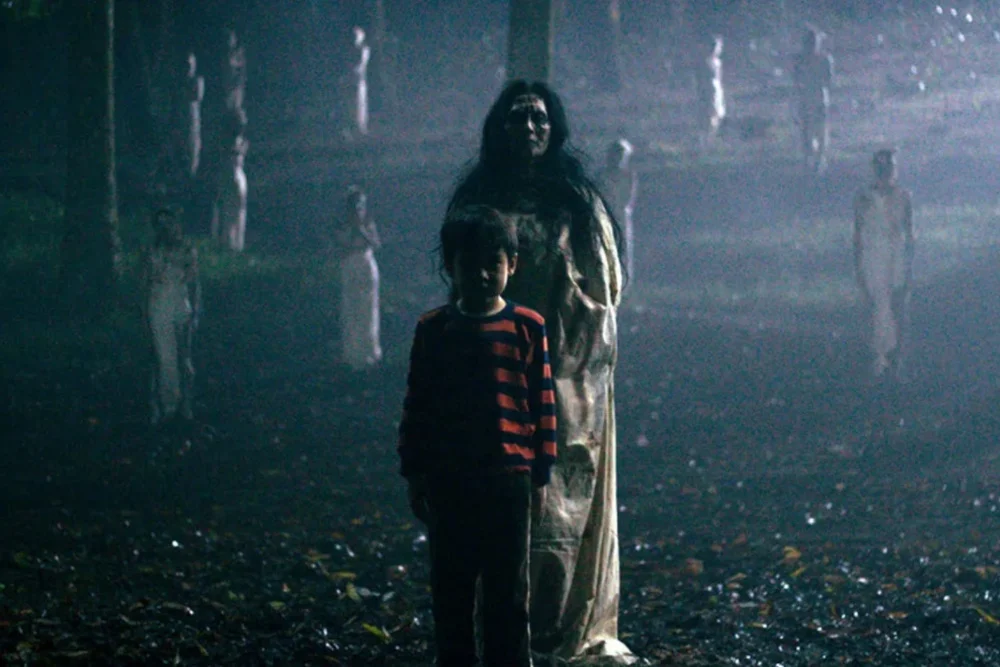
While the film is technically the third installment in the Satan’s Slaves franchise, Origin functions as a standalone prequel. It promises to pull back the curtain on the demonic pact and the dark cult that have haunted audiences across the previous two films.
Anwar’s vision for this project is his most ambitious to date. The narrative scope is truly global, beginning in 16th-century Strasbourg—drawing inspiration from the chilling real-life "dancing plague" or mass hysteria event of 1518—before transitioning to a desolate, haunted lighthouse on the southern coast of Java in the 17th century.
To achieve this level of historical and geographical authenticity, the production has embraced an unprecedented linguistic diversity. The film is being shot in seven distinct languages: Indonesian, Alsatian, Portuguese, Javanese, Dutch, Turkish, and Latin. This multilingual approach underscores the international scale of the evil that Anwar’s characters are set to encounter, moving far beyond the boundaries of local folklore into a broader, more terrifying historical tapestry.
A Legacy of Horror: From 1980 to the Present
To understand the gravity of Satan’s Slaves: Origin, one must look at the history of the franchise. The name holds significant weight in Indonesian cinema. The original 1980 film by Sisworo Gautama Putra is a cornerstone of the Indonesian genre landscape, revered as a local cult classic.
In 2017, Joko Anwar breathed new life into the property, with his reimagining becoming the highest-grossing Indonesian film of that year. His work is widely credited with catalyzing the current "horror boom" in Indonesia, where genre films have become the primary driver of theatrical attendance.
The momentum continued with the 2022 sequel, Satan’s Slaves: Communion. It achieved a historic milestone as the first Indonesian film to receive an IMAX release, and it currently ranks among the six highest-grossing local films in the country’s history. With Origin, the production team—led by Rapi Films and co-produced by Come and See Pictures, Sky Media, and Legacy Pictures—is aiming to scale new heights, with a theatrical release in Indonesia currently slated for 2027.
Strengthening the Korea-Indonesia Axis
The acquisition deal is an extension of a two-year exclusive strategic partnership between Joko Anwar and Barunson E&A. Their previous collaboration, the horror-comedy Ghost in the Cell, has been a massive success, currently holding the number two spot on Indonesia’s 2024 local box office charts.
Ghost in the Cell serves as a proof of concept for the partnership’s efficacy. After its debut at the Berlin Film Festival, the film garnered over 3.3 million local admissions and was sold to 150 territories, with high-profile distribution deals secured with Plaion for the German market and Well Go USA for North America.
Choi Yoonhee, CEO of Barunson E&A, highlighted the growth of this creative relationship: "Every time we work with Joko Anwar, the scale gets bigger and the ambition gets sharper. Satan’s Slaves: Origin is unlike anything he’s made—a story that moves across centuries and continents. It’s proof of what we’ve believed for years: Indonesian filmmakers are telling some of the boldest genre stories in the world right now, and we’re proud to help this one reach it."
Implications for the Global Genre Market
The involvement of a studio like Barunson E&A in the Indonesian market is not an isolated event but part of a broader trend of "genre globalization." Barunson has aggressively expanded its portfolio of Asian genre titles, including Banjong Pisanthanakun’s Inherit, the Indonesian zombie thriller Zona Merah: Dead City, and the Korean occult title Stoneborn, which comes from the creative team behind the international hit Exhuma.
This shift suggests that global distributors are moving away from treating international genre films as "niche" products. Instead, they are positioning them as tentpole content. By leveraging the prestige of the Satan’s Slaves brand, Barunson is effectively betting that the demand for high-concept, culturally specific horror is universal.
For Indonesian cinema, the implications are profound. The ability to export stories that are deeply rooted in local history—such as the 16th-century Strasbourg hysteria or Javanese maritime legends—without compromising their "localness" is a testament to the maturation of the domestic industry. The 2027 release window provides the production with a generous lead time to focus on the technical craftsmanship required for such a massive, multi-continental production.
The Director’s Vision: Answers at Last
For Joko Anwar, Origin is the culmination of years of world-building. In a statement regarding the project, he expressed the emotional and creative weight of the film:
"This film is everything I didn’t know I was building toward—the one that finally answers where the curse came from, why it never stopped, and what it’s really after. Longtime fans are going to get the answers they’ve waited years for. Newcomers are going to get the ride of their lives."
This narrative closure is essential for the longevity of the franchise. By pivoting from a standard sequel to a high-stakes historical prequel, Anwar is inviting a broader audience to experience the Satan’s Slaves mythology without the prerequisite of having seen the previous two films. It is a calculated move to maximize market penetration while satisfying the existing, ravenous fanbase.
Looking Toward 2027
As the industry prepares for the TIFF market, the buzz surrounding Satan’s Slaves: Origin is expected to be substantial. The project stands at the intersection of several favorable trends: the ongoing popularity of the "prestige horror" subgenre, the rising international profile of Southeast Asian cinema, and the established success of the Barunson E&A-Joko Anwar partnership.
The production is currently in the pre-production phase. With the script finalized and the international sales strategy in place, the team faces the daunting task of recreating 16th-century Europe and 17th-century Indonesia with the same visceral intensity that defined the earlier Satan’s Slaves films.
If the track record of those involved is any indication, Satan’s Slaves: Origin will not just be a blockbuster; it will be a case study in how to export regional horror to the global stage. As the world watches the Toronto film market this September, the message is clear: the next great horror franchise doesn’t need to be born in Hollywood—it only needs to be told with enough ambition to transcend borders.
For now, audiences in Indonesia and beyond must wait for 2027. But in the world of Joko Anwar, the shadows are already growing, and the origin of the curse is finally ready to be told.