
In the meticulously crafted worlds of modern gaming, developers often pour immense resources into visual fidelity. From the glistening dew on a virtual apple in an open-world RPG to the steam rising from a bowl of ramen in a hyper-realistic city sim, game designers understand that appetizing food design enhances immersion. However, there exists a curious, darker side to this design philosophy. Whether through intentional dark comedy, grim survival mechanics, or bizarre legacy tropes, some of gaming’s most iconic titles have forced players to stomach some truly questionable "cuisine."
While these items are technically edible within the confines of their respective game engines, they remain absolutely inadvisable in any reality governed by human standards of health and safety. From the post-apocalyptic delicacies of the wasteland to the deeply unsettling snacks found in survival horror, let us explore the most revolting items on the menu in gaming history.

The Chronology of Consumption: A History of Bad Taste
The history of "gross" food in gaming can be traced back to the industry’s infancy, where limitations in hardware necessitated simple, symbolic health pickups. In the 8-bit and 16-bit eras, food items were rarely categorized by flavor; they were simply health bars in consumable form.
As technology evolved, however, developers began using these items to convey environmental storytelling. By the time the 1990s were in full swing, games like Wolfenstein 3D were already subverting expectations by offering players bowls of dog food to restore health. This set a precedent: if a pixelated hero needed to survive, they would eat whatever was at hand, regardless of how off-putting the source might be. Over the decades, this evolved from a simple trope into a complex narrative tool used to signal the desperation of a character’s circumstances, the alien nature of a world, or the sheer, comedic incompetence of an NPC chef.

Cataloging the Culinary Catastrophes: Ten Dishes to Avoid
10. Fallout: Giant Radroach Meat
In the radioactive wasteland of the Fallout series, survival is an exercise in compromise. Radroach meat is the quintessential example of "needs must." While it provides a caloric boost, the fact that it is harvested from giant, irradiated insects—creatures that thrive on decay—makes the consumption process deeply unsettling. Players are essentially trading a quick health boost for a permanent increase in their radiation levels, serving as a visceral reminder of the game’s core theme: everything comes at a cost.
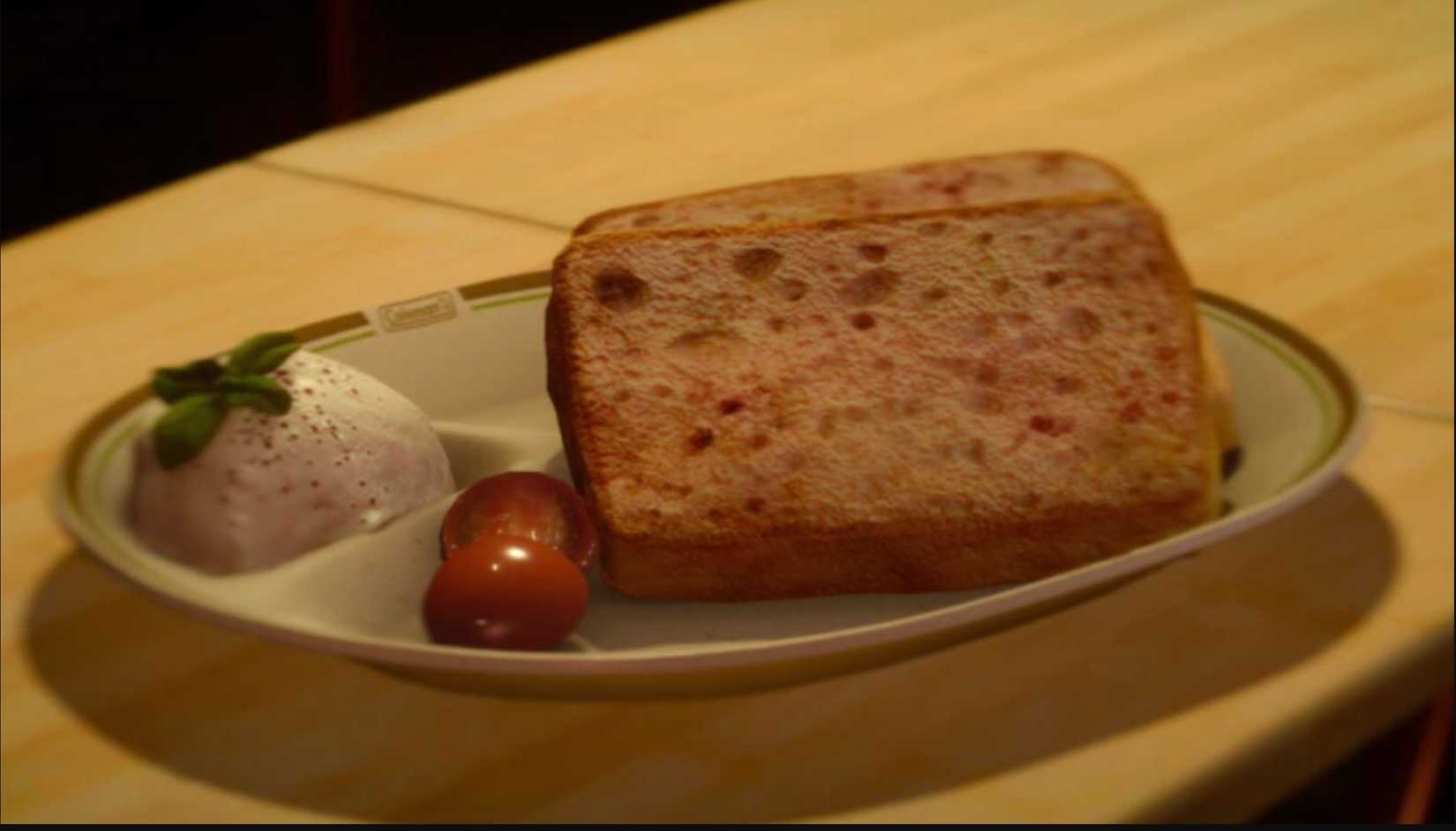
9. Final Fantasy 15: The Moist Tomato Cake
Ignis Scientia, the party’s dedicated chef in Final Fantasy 15, is capable of crafting gourmet meals that look like they belong in a Michelin-starred restaurant. Yet, tucked away in the recipe book is a baffling creation: a "Moist Tomato Cake." This dish consists of a single, aggressive "Killer Tomato" enemy baked into a cake, garnished with even more raw tomato. The result is a damp, visually unappealing mess that defies the logic of both baking and savory cooking. It is a testament to the game’s commitment to oddities that such a dish exists alongside beautiful, realistic culinary recreations.
8. Death Stranding: Cryptobiotes
Hideo Kojima’s Death Stranding is a game defined by its alien, lonely atmosphere. Sam Porter Bridges, our protagonist, survives his treacherous treks across a ruined America by snacking on cryptobiotes—small, glowing, squirming creatures found in the soil. There is no cooking, no seasoning, and no plating. Sam simply digs them up and pops them into his mouth while they are still moving. It is a moment of pure utilitarianism that emphasizes the extreme, otherworldly nature of the game’s setting.
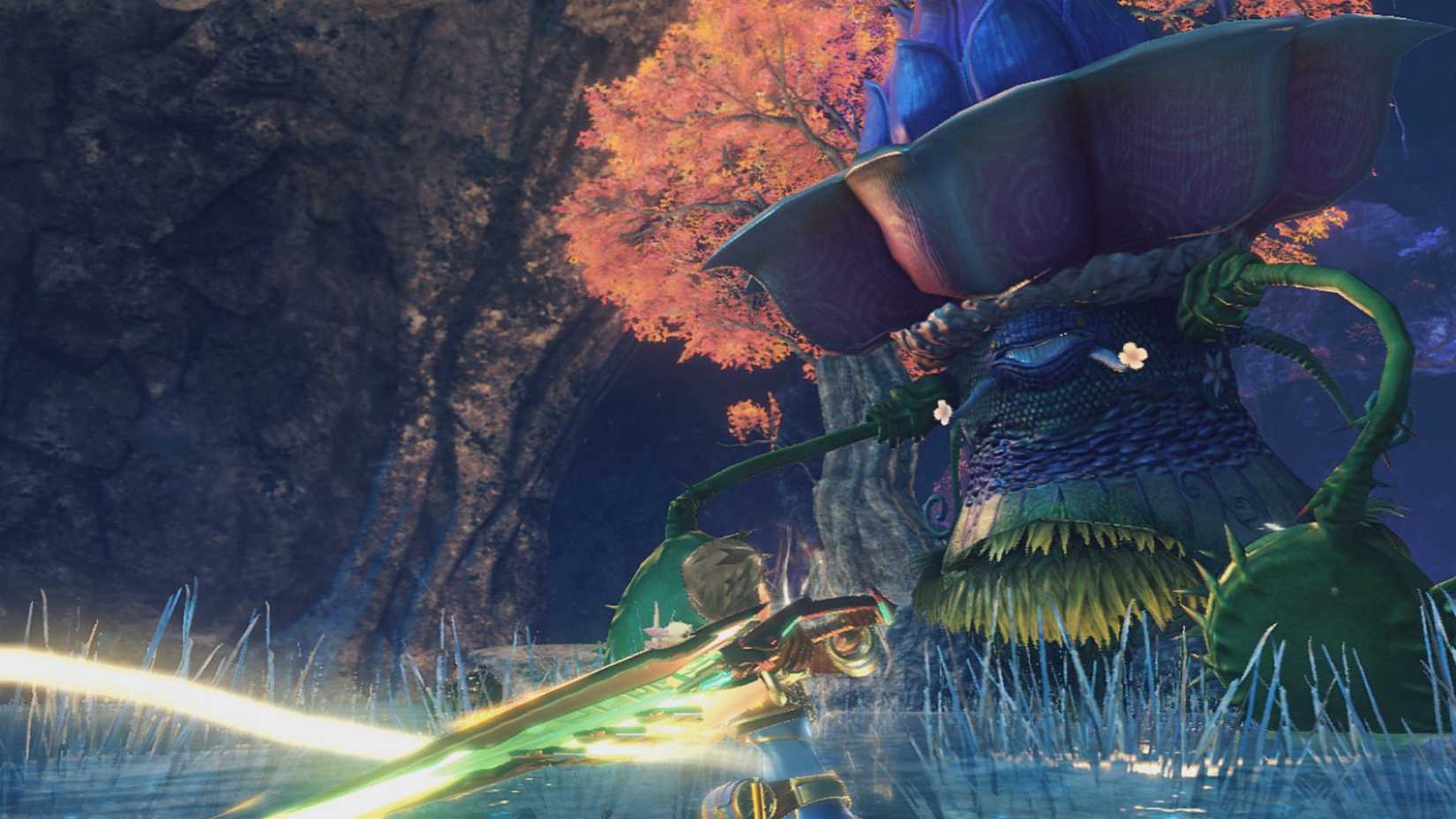
7. Xenoblade Chronicles 2: The Literally Killer Tart
Mythra’s reputation as a disastrous cook in Xenoblade Chronicles 2 is well-earned, and the "Literally Killer Tart" is the crowning achievement of her culinary failures. Comprised of insects and reptiles—including Everyman Cicadas, Gregarious Scorpions, and Munchygrubs—this "pastry" is essentially a bowl of wriggling wildlife. That it actually provides gameplay buffs, including an increase in trust, suggests a level of gastronomic masochism among the party members that is, frankly, alarming.

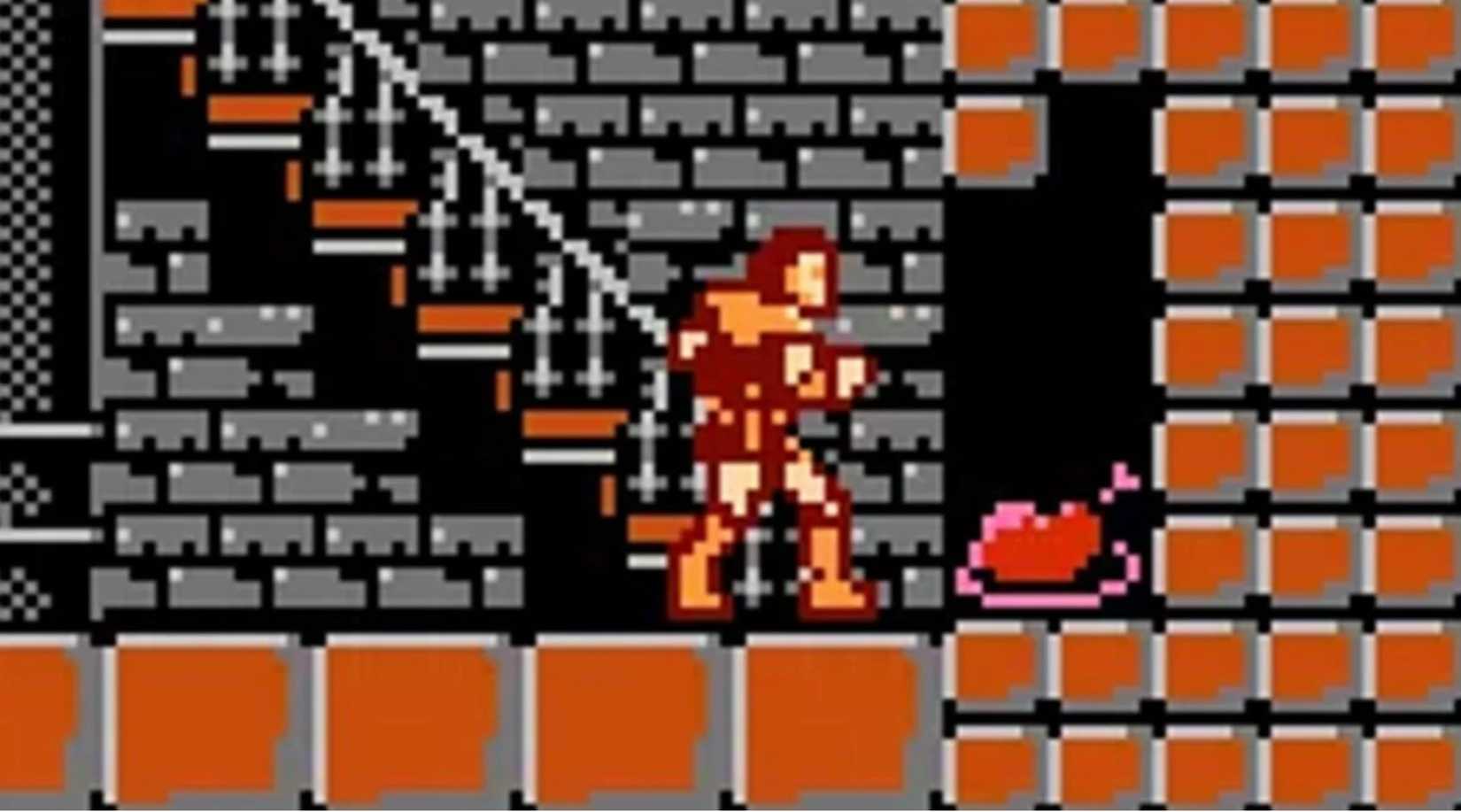
6. Castlevania: The Mystery Wall Meat
The "Wall Meat" trope is one of the most enduring, and confusing, traditions in gaming history. For decades, Castlevania players have smashed through stone walls to reveal a perfectly cooked cut of meat hidden behind the masonry. The lack of explanation for its presence—or how it remains edible after potentially centuries of being embedded in a dungeon—has turned it into a beloved, albeit logically bankrupt, staple of the series.
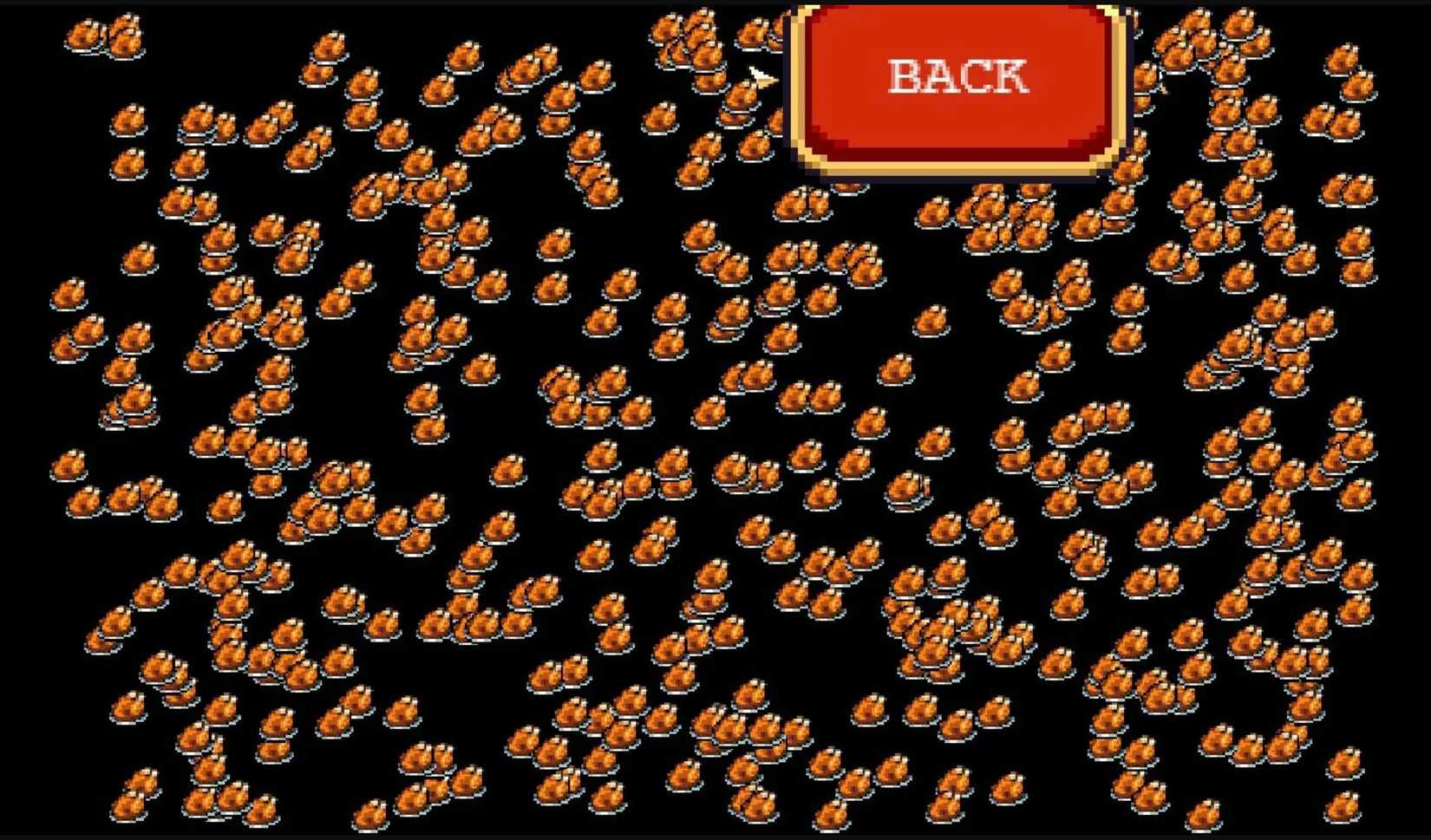
5. Vampire Survivors: Floor Chicken
Directly nodding to the Castlevania tradition, Vampire Survivors features "Floor Chicken." When players destroy light sources, a full rotisserie chicken frequently appears on the ground. The game makes no attempt to justify why a perfectly roasted bird would be sitting on the floor of a monster-infested arena. It is a direct, comedic acknowledgment of the absurd gaming trope that health must always be found in the most unsanitary places possible.
4. Heavy Rain: Scott Shelby’s Scrambled Eggs
In a moment of mundane horror, the interactive thriller Heavy Rain forces the player to cook breakfast for a character named Lauren. The player is given direct control over the cooking process, with the ability to serve the eggs burnt to a crisp or completely raw. The fact that the character eats the result without a change in dialogue highlights the game’s occasionally detached narrative, turning a simple breakfast into a surreal, stomach-churning experience.
3. Persona 4: Mystery Food X
The "Mystery Food X" in Persona 4 is a legendary concoction prepared by Chie and Yukiko. By combining ingredients that have no business being in the same pot—such as sea cucumber and foie gras—they create a substance so foul that other characters react with physical distress upon tasting it. The game treats the dish as a recurring joke, emphasizing the chaotic and often disastrous nature of the characters’ attempts at domesticity.
2. Cult of the Lamb: Minced Follower Meat
Perhaps the darkest entry on this list, Cult of the Lamb allows players to recycle their deceased followers into "Minced Follower Meat." Used as a disciplinary tool, this dish is a psychological weapon. Forcing a dissenter to consume the remains of their peers is a grim reminder of the game’s satirical take on power, control, and the lengths one will go to maintain a "happy" congregation.
1. Wolfenstein: Dog Food
The champion of gaming’s most questionable snacks remains the dog food found in the Wolfenstein series. Whether it’s 1992’s Wolfenstein 3D or the modern entries, B.J. Blazkowicz consistently restores his health by consuming bowls of canine kibble. The internal code for the item—"bo_alpo"—reveals that the developers were winking at a real-world dog food brand, cementing this as a legacy joke that has persisted for over thirty years.
Implications for Game Design: Why We Eat the Gross
Why do developers continue to include these items? The answer lies in the intersection of function and narrative. In survival games like Fallout or Cult of the Lamb, these items reinforce the harshness of the world. In arcade-style games like Vampire Survivors or Castlevania, they serve as shorthand for health, a legacy system that players immediately understand without needing a tutorial.
Furthermore, there is an inherent human curiosity in the "gross." By forcing players to engage with these items, designers can create memorable, unsettling, or comedic moments that stick with the player far longer than a standard "Health Potion" ever could.

Conclusion: A Culinary Warning
As we look back at these ten examples, it becomes clear that video games do not need to mirror reality to be effective. In fact, by presenting us with the impossible and the repulsive, they challenge our expectations of what a "reward" looks like. Whether you are eating a squirming cryptobiote to survive or a bowl of dog food to win a war, the lesson remains the same: in the digital world, the health bar is king, and the ingredients simply do not matter. But if you find yourself in a dungeon, perhaps think twice before eating the meat you find in the wall. Some mysteries are better left unconsumed.