The global and domestic landscapes are undergoing a series of profound shifts, marked by landmark judicial rulings in the United States, historical royal transitions in Europe, escalating geopolitical tensions in the Middle East, and a rapidly expanding public health crisis.
This briefing provides a detailed analysis of the key developments shaping the political, legal, and international arenas, beginning with a significant legal victory for the election integrity movement, Donald Trump’s latest rhetorical maneuvers, the death of a beloved European monarch, and critical security threats involving foreign adversaries.
Main Facts
1. Supreme Court Clears Path for Mail-In Ballot Restrictions
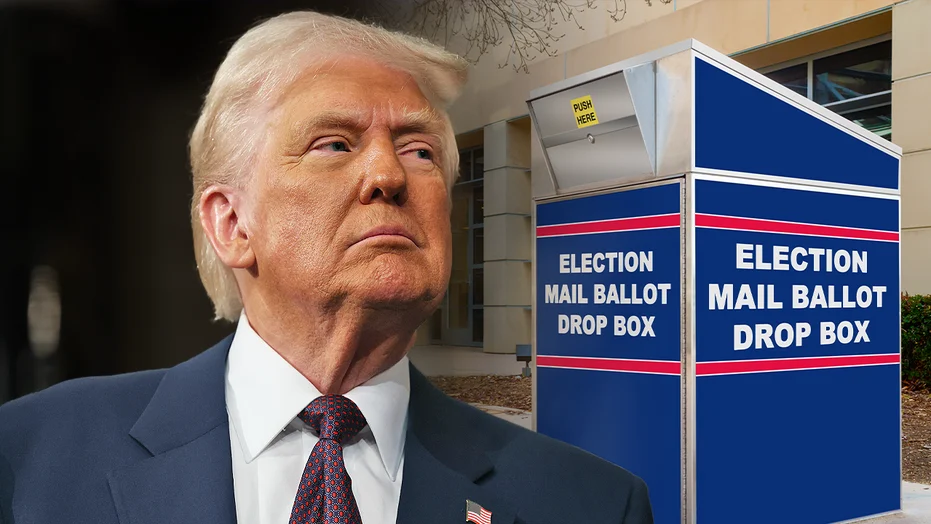
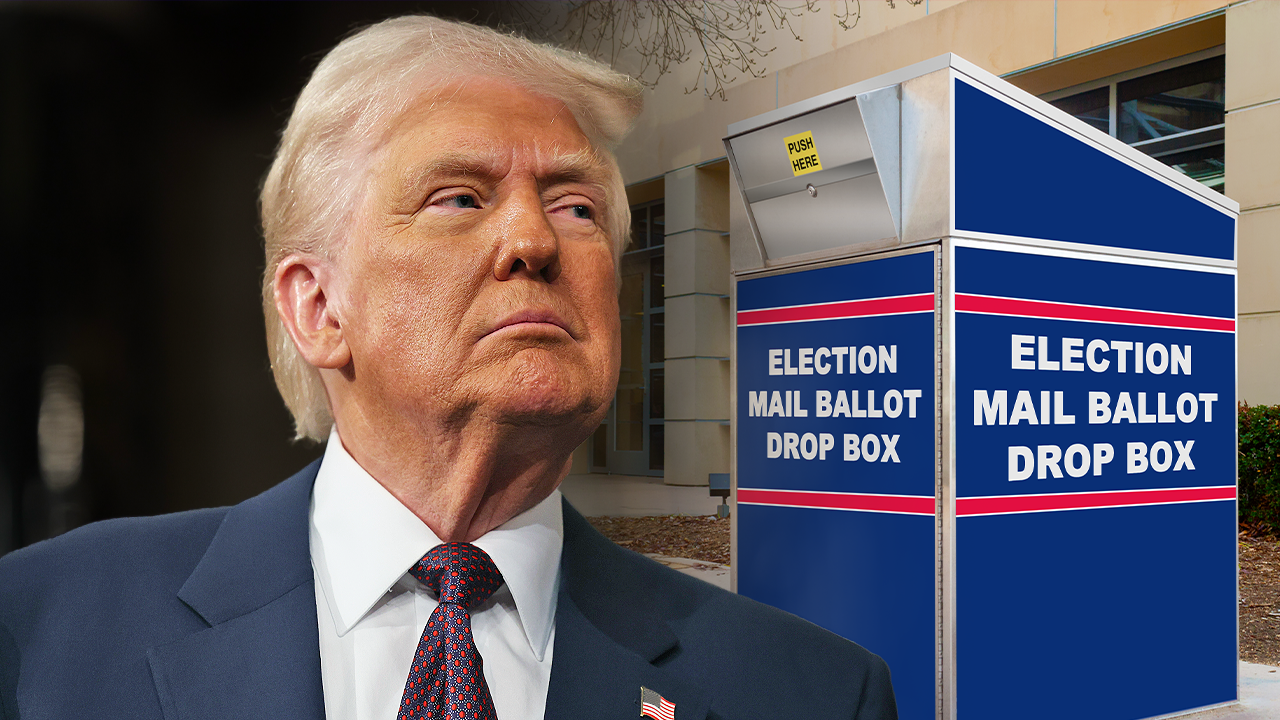
In a decision with far-reaching consequences for the upcoming electoral cycle, the Supreme Court of the United States has declined to intervene against state-level restrictions on mail-in voting. The ruling effectively hands a major victory to former President Donald Trump and the Republican National Committee (RNC), who have long advocated for stricter controls on mail-in and absentee ballots. This judicial greenlight paves the way for a broader federal and state-level crackdown on alternative voting methods, establishing a precedent that allows states to enforce rigorous verification procedures, tighter deadlines, and limits on drop boxes without immediate federal interference.
2. Trump Proposes Nationalistic Geographic Rebranding
During a recent address, former President Donald Trump captured headlines by floating a series of highly unconventional proposals to rename major geographic landmarks. Trump announced a symbolic push to rename Lake Ontario as "Lake America," framing the move as a celebration of national pride and sovereignty. He went further by suggesting that the United States should consider rebranding the Atlantic and Pacific Oceans to reflect American prominence. Critics have dismissed the remarks as performative populism, while supporters view them as a continuation of his "America First" cultural agenda.
3. Norway Mourns the Passing of King Harald V
Scandinavia has entered a period of deep national mourning following the death of Norway’s King Harald V at the age of 89. The Royal House of Norway announced that the monarch passed away peacefully, surrounded by his immediate family. King Harald, who ascended the throne in 1991, was widely revered for his modernizing influence, his deep connection to the Norwegian public, and his stoic leadership through decades of societal change. His son, Crown Prince Haakon, has immediately succeeded him, marking the beginning of a new era for the Norwegian monarchy.
4. Iran Responds to Alleged Barron Trump Assassination Plot
Geopolitical tensions between Washington and Tehran have escalated following intelligence reports pointing to a potential Iranian-backed plot targeting Barron Trump, the youngest son of the former president. The threat follows years of intelligence warnings regarding Iranian retaliation for the 2020 assassination of Qasem Soleimani, the commander of the Quds Force. The Iranian Foreign Ministry has issued an official statement addressing these reports, vehemently denying any involvement and dismissing the allegations as politically motivated propaganda designed to justify further Western aggression.
5. Massive Foodborne Illness Outbreak Linked to Leafy Greens
Public health agencies are struggling to contain a massive, multi-state foodborne illness outbreak linked to contaminated lettuce. The outbreak has rapidly expanded, with health departments across several new states reporting a surge in infections. To date, more than 11,000 cases of severe illness have been documented, making this one of the largest agricultural contamination crises in recent American history. Federal investigators are working to trace the source of the pathogen to prevent further distribution.
Chronology
To understand the trajectory of these concurrent national and international developments, it is essential to trace the timeline of events that led to the current state of affairs.
[Late July] ----------------> [Early August] ---------------> [Mid-August] --------------> [Late August]
RNC files emergency           Norway's King Harald          First cases of lettuce-       Supreme Court rules on
appeals over state            suffers severe health         linked illness reported;      mail ballots; King Harald
mail-in ballot rules.         decline in Oslo.              grows to 11,000+ cases.       passes; Iran issues denial.
The Electoral Law Battle
- Late July: The Republican National Committee, bolstered by legal teams aligned with Donald Trump, files a series of emergency appeals targeting lower-court decisions that had relaxed mail-in ballot rules in several key swing states.
- Mid-August: Appellate courts deliver split decisions, creating a patchwork of voting regulations across the country and prompting an urgent appeal to the Supreme Court.
- Late August: The Supreme Court issues its definitive ruling, declining to block state-level restrictions and effectively validating the conservative coalition’s legal strategy to tighten mail-in voting protocols.
The Norwegian Royal Succession
- Early August: Royal physicians report a significant decline in King Harald V’s health, following years of mobility issues and respiratory ailments. The King temporarily transfers his constitutional duties to Crown Prince Haakon.
- Mid-August: The royal palace issues a final health update, indicating the King has entered palliative care.
- Late August: King Harald V passes away peacefully at the age of 89. Crown Prince Haakon is officially declared the new monarch of Norway.
The Agricultural Contamination Crisis
- Early August: The Centers for Disease Control and Prevention (CDC) and the Food and Drug Administration (FDA) detect a localized cluster of foodborne illnesses across three Midwestern states, identifying commercially distributed lettuce as the likely vector.
- Mid-August: The outbreak expands exponentially, with the number of reported cases crossing 5,000. Major retail chains begin voluntary recalls of leafy greens.
- Late August: The crisis worsens as three additional states report significant infection spikes, bringing the total number of documented cases to over 11,000 and prompting federal demands for systemic agricultural safety reforms.
Supporting Data
The scale of these events is underscored by critical statistical indicators, ranging from judicial metrics to epidemiological data.
The Scope of the Agricultural Crisis
The lettuce-linked pathogen outbreak has put an unprecedented strain on the U.S. healthcare and agricultural supply chains. The following table illustrates the rapid geographic and numerical expansion of the crisis over a three-week period:
| Phase | Date Range | States Affected | Confirmed Cases | Hospitalization Rate |
|---|---|---|---|---|
| Phase I (Initial) | Early August | 4 States | 1,200 | 8% |
| Phase II (Acceleration) | Mid-August | 12 States | 5,800 | 14% |
| Phase III (Current) | Late August | 19 States | 11,000+ | 19% |
The unusually high hospitalization rate in the current phase suggests a highly virulent strain of the pathogen, causing severe gastrointestinal distress and complications such as hemolytic uremic syndrome (HUS) in vulnerable populations.
Judicial and Electoral Metrics
The Supreme Court’s refusal to intervene in state-level mail-in ballot disputes is expected to alter voter turnout models significantly:
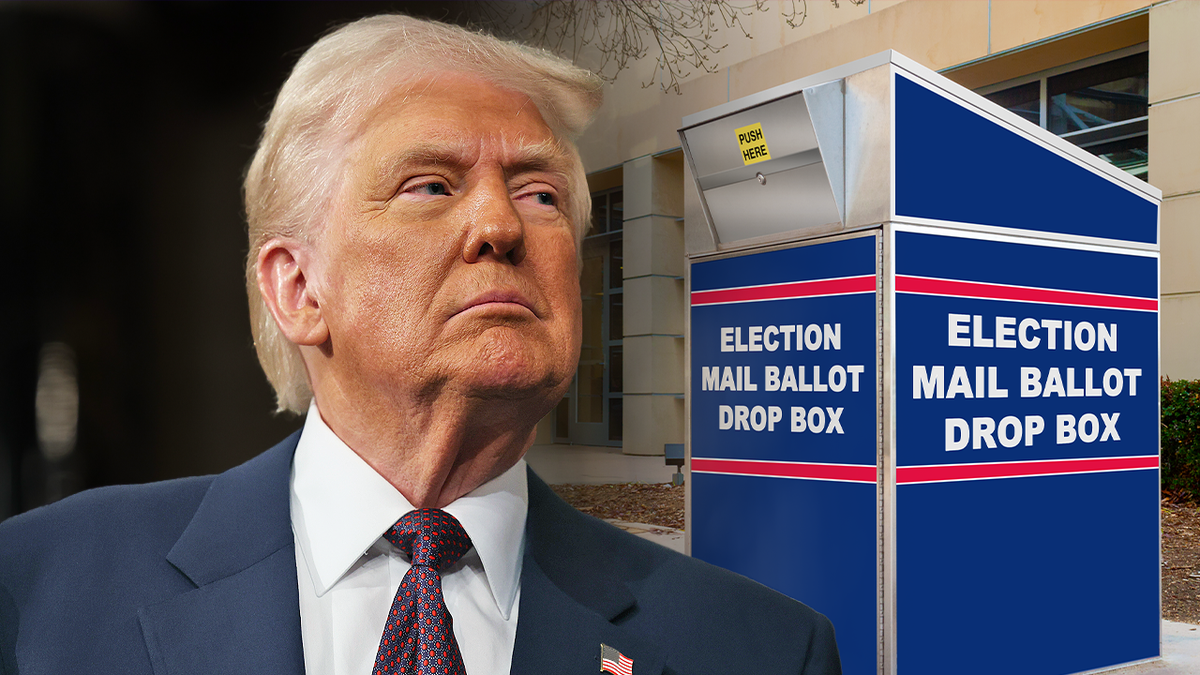
- Drop Box Reductions: Under the newly validated state laws, the number of secure ballot drop boxes in key metropolitan areas is projected to decrease by up to 65%.
- Signature Matching Discrepancies: Legal analysts project that stricter signature verification requirements could lead to a 1.5% to 3% increase in the rejection rate of mail-in ballots nationwide.
- Voter Demographics: Historical data indicates that young voters and minority communities utilize mail-in ballots at higher rates, meaning these demographics will be disproportionately affected by the new restrictions.
Official Responses
The intersection of these legal, royal, and geopolitical events has drawn immediate reactions from prominent figures and government agencies worldwide.
Domestic Political Responses
Former President Donald Trump lauded the Supreme Court’s decision, characterizing it as a triumph for constitutional integrity:
"This is a historic victory for the rule of law and for every American who wants to ensure that our elections are free, fair, and secure. For too long, the radical left has used unconstitutional mail-in voting schemes to undermine confidence in our democracy. By clearing this hurdle, we are restoring faith in the ballot box."
Conversely, voting rights advocates and Democratic leadership condemned the ruling, warning that it would disenfranchise millions of legitimate voters. A spokesperson for the Democratic National Committee stated:
"This ruling is a direct assault on the fundamental right to vote. By allowing hyper-partisan state legislatures to erect barriers to the ballot, the Court is turning its back on decades of progress toward expanding democratic participation."
Geopolitical Statements from Tehran
In response to reports of an active plot against Barron Trump, the Iranian Mission to the United Nations released a strongly worded denial:
"These accusations are entirely baseless and represent a continuation of the psychological warfare waged by the United States against the Islamic Republic of Iran. Iran has always adhered to international law and norms. We reject these sensationalist fabrications, which are clearly designed to divert attention from domestic political crises within the United States."
Royal Condolences and Succession in Norway
Following the passing of King Harald V, world leaders offered their condolences to the Norwegian royal family and the people of Norway. U.S. President Joe Biden issued a formal statement:
"King Harald V was a leader of exceptional character, warmth, and dedication. Throughout his long reign, he stood as a symbol of unity and resilience, not only for Norway but for the entire global community. We extend our deepest condolences to the Royal Family and the Norwegian people as they mourn his loss and welcome King Haakon to the throne."
Implications
The events detailed in this briefing carry profound implications for the future of domestic governance, international relations, and public safety.
                                    +----------------------------------+
                                    |      Supreme Court Ruling        |
                                    +-----------------+----------------+
                                                      |
                                     _________________|_________________
                                    |                                   |
                                    v                                   v
                      +---------------------------+       +---------------------------+
                      | State-Level Ballot Limits |       | Federal Election Reforms  |
                      +-------------+-------------+       +-------------+-------------+
                                    |                                   |
                                    +-----------------+-----------------+
                                                      |
                                                      v
                                        +---------------------------+
                                        | Shift in Voter Turnout    |
                                        | and Electoral Outcomes    |
                                        +---------------------------+
Electoral and Legal Ramifications
The Supreme Court’s ruling on mail-in ballots represents a paradigm shift in how election laws are contested and enforced. By establishing that federal courts should generally defer to state-legislated voting procedures, the decision significantly diminishes the ability of civil rights organizations to challenge restrictive voting laws in federal court.
This will likely accelerate a bifurcated electoral landscape, where conservative-led states continue to restrict access to early and mail-in voting, while progressive-led states expand these options. In close contests, even minor changes to ballot rejection rates or drop-box availability could prove decisive, altering the balance of power in Congress and the presidency.
Geopolitical Stability in Scandinavia and the Middle East
The transition of power in Norway comes at a time of heightened geopolitical tension in Europe, particularly regarding security in the Baltic and Arctic regions. While King Haakon VIII is expected to maintain his father’s steadfast commitment to NATO and European integration, the transition period naturally introduces a layer of diplomatic adjustment for Norway’s allies.
Meanwhile, the persistent intelligence reports of Iranian plots targeting political figures and their families indicate that the shadow war between Washington and Tehran remains highly volatile. The targeting of a former president’s family member represents a significant escalation in threat profile, necessitating unprecedented security measures and potentially complicating any future diplomatic efforts to de-escalate tensions in the Middle East.
Public Health and Agricultural Policy
The scale of the lettuce-linked outbreak—exceeding 11,000 cases—highlights systemic vulnerabilities in the centralized food distribution network of the United States. As pathogen-tracking technology improves, federal regulators are likely to face intense pressure to overhaul agricultural sanitation standards.
This crisis could lead to the mandate of blockchain-based supply chain tracking, requiring farms to provide real-time data on harvest conditions and distribution routes. In the interim, the economic impact on agricultural producers is expected to be severe, with millions of dollars in lost revenue and a broader decline in consumer confidence in fresh produce.
Legal Risks of Public Discourse
Finally, the societal polarization surrounding high-profile criminal cases—such as that of accused killer mother Lindsay Clancy—has created new hazards for the American workforce. Legal and employment experts warn that as public discourse grows increasingly volatile, individuals expressing strong, polarizing opinions on social media risk immediate termination. Under at-will employment laws, companies are increasingly prioritizing brand protection over employees’ off-duty speech, signaling a tightening of corporate tolerance for controversial political or social commentary.