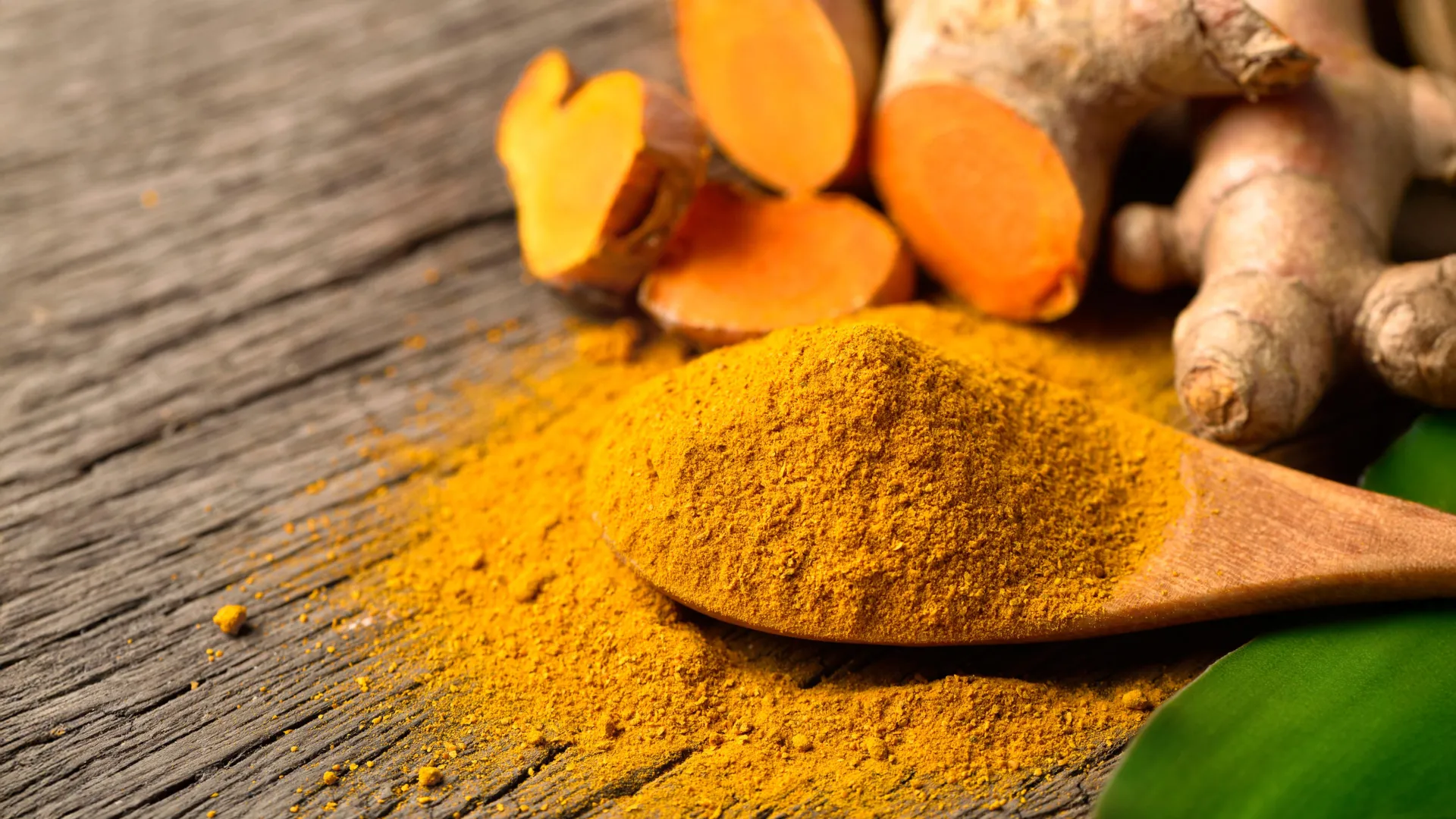
Curcumin, the vibrant, golden-hued bioactive compound found in the rhizome of the Curcuma longa plant—better known as turmeric—has long been a cornerstone of traditional medicine. For centuries, it has been lauded for its purported anti-inflammatory and antioxidant capabilities. However, recent scientific inquiry is moving beyond historical anecdotes, placing this ancient spice under the rigorous microscope of modern molecular biology.
Groundbreaking research unveiled at the 2026 American Physiology Summit in Minneapolis, the flagship annual meeting of the American Physiological Society (APS), suggests that curcumin may offer a potent, novel therapeutic avenue for mitigating one of the most debilitating side effects of Type 1 diabetes: vascular degradation. By demonstrating its ability to preserve the structural and functional integrity of the aorta in diabetic subjects, the study positions curcumin not merely as a culinary staple, but as a potential clinical intervention for cardiovascular health.
The Vascular Crisis in Type 1 Diabetes: An Overview
Type 1 diabetes remains a complex, lifelong autoimmune challenge affecting approximately 2 million individuals in the United States alone. While the medical community has made monumental strides in insulin therapy and glucose monitoring, these tools are often insufficient to prevent the systemic long-term damage caused by chronic hyperglycemia.
Even with diligent management, individuals with Type 1 diabetes face a significantly elevated risk of developing cardiovascular disease—often at a much younger age than the general population. The primary culprit is the persistent presence of high blood sugar, which acts as a caustic agent on the delicate endothelial linings of the body’s vasculature. Over time, this sugar-induced stress leads to inflammation, stiffening of the arteries, and a profound loss of vascular elasticity, culminating in high blood pressure and an increased risk of stroke or heart failure.
Chronology of the Investigation: From Molecular Hypothesis to Animal Model
The investigation, led by Swasti Rastogi, a PhD candidate at the Florida Institute of Technology, was born from a desire to understand if natural compounds could intervene in the destructive signaling pathways triggered by chronic diabetes.
The Methodology
The research team utilized a rat model of Type 1 diabetes to isolate the effects of curcumin on the cardiovascular system. The study design was straightforward yet rigorous:
- Control Groups: Diabetic rats were divided into two distinct cohorts.
- Intervention: The first cohort received consistent, controlled doses of curcumin, while the second cohort (the control group) remained untreated.
- Observation: The physiological parameters of the rats were monitored closely over a one-month duration.
The Results
The findings, which were presented to an audience of leading physiologists in Minneapolis, were striking. Within four weeks, the rats treated with curcumin exhibited markers of vascular health that mirrored those of non-diabetic rats. This suggests that the compound was not merely slowing the progression of damage, but was actively facilitating a restorative process that maintained the health of the aorta—the body’s largest artery—despite the presence of the diabetic state.
Supporting Data: Mechanisms of Protection
The study delved deep into the cellular mechanisms that allow curcumin to perform this "vascular rescue." The data points to a multi-faceted approach to biological repair.
1. Reducing Systemic Inflammation
Chronic inflammation is a hallmark of diabetes, acting as a "silent killer" that degrades blood vessel walls. The research indicated that curcumin effectively modulated the inflammatory response, preventing the recruitment of immune cells that typically exacerbate vessel damage in diabetic patients.
2. Restoring Calcium Signaling
Calcium plays a critical role in the contraction and relaxation of vascular smooth muscle. Diabetes often disrupts this delicate signaling, leading to vessels that are either too constricted or unable to respond to changes in blood pressure. The study found that curcumin helped restore normal calcium activity, allowing blood vessels to regain their natural rhythm and responsiveness.
3. Rebalancing Heat Shock Protein 70 (HSP70)
Perhaps the most significant finding was the effect on Heat Shock Protein 70. HSP70 is a "chaperone" protein essential for protecting cells from stress; in diabetic conditions, its regulation is often severely disrupted, leaving cells vulnerable. Curcumin was shown to rebalance the expression of HSP70, providing a protective buffer that preserved the structural elasticity of the aortic tissue.
Official Perspectives: The Scientist’s View
In her presentation at the American Physiology Summit, Swasti Rastogi emphasized the need to re-evaluate how we categorize curcumin.
"Curcumin acts as more than a simple compound found in a spice or an antioxidant," Rastogi stated during her address. "It not only helps to improve blood sugar levels but also reduces inflammation, restores cellular responses, and preserves both structure and function of the aorta in Type 1 diabetes."
Rastogi’s comments highlight a shift in nutritional science: moving away from the view of supplements as "passive" additions to the diet and toward seeing them as "active" pharmacological agents capable of altering disease pathways. By stabilizing the aorta—a critical organ in the circulatory loop—curcumin could theoretically act as a prophylactic measure against the most severe cardiovascular complications of Type 1 diabetes.
Implications for Future Cardiovascular Care
The implications of this research are profound, yet they must be viewed through the lens of cautious optimism. If these findings translate to human subjects, the clinical application would be transformative.
Beyond Insulin
Current treatments for Type 1 diabetes are almost exclusively focused on the regulation of blood glucose. While essential, this is a reactive approach. The addition of a secondary, adjuvant therapy that directly protects blood vessel integrity could represent a major paradigm shift. If patients could take a compound that mitigates the "side effects" of high blood sugar on the heart and arteries, the long-term prognosis for millions of individuals could improve dramatically.
The Challenge of Bioavailability
While the results in the rat model were highly successful, the researchers were quick to address the "bioavailability" problem. Curcumin is notoriously difficult for the human body to absorb in its raw form. Future iterations of this research will likely focus on delivery systems—such as nanotechnology or liposomal formulations—designed to ensure the compound reaches the bloodstream in concentrations high enough to provide therapeutic benefit.
Cautionary Notes: The Road to Human Clinical Trials
Despite the enthusiasm surrounding the presentation at the 2026 American Physiology Summit, both the researchers and the broader scientific community are sounding a note of extreme caution. The gap between a rat model and a human patient is substantial.
The "Supplement Trap"
A primary concern for the research team is the potential for public misunderstanding. There is a common misconception that because a substance is "natural," it is inherently safe to consume in high doses or to use as a replacement for conventional medication.
The researchers emphasize the following:
- Dosage Uncertainty: The dose used in the rat study may not be directly equivalent to a safe or effective dose for humans.
- Drug Interactions: Curcumin is known to interact with various medications, including blood thinners and other diabetes drugs. Self-medicating without medical supervision could lead to dangerous complications.
- Quality Control: Not all turmeric or curcumin supplements are created equal. The potency and purity of over-the-counter products are often unregulated, meaning a patient could be ingesting additives or inconsistent dosages.
The Path Forward
The scientific community’s next step is clear: rigorous human clinical trials. These trials will need to establish:
- Safety Profiles: Determining the maximum tolerated dose in humans.
- Efficacy: Whether the vascular protection seen in rats is replicated in human arteries.
- Standardization: Developing a pharmaceutical-grade version of curcumin that can be reliably administered.
Conclusion: A Golden Horizon
The research presented by Swasti Rastogi and her team at the 2026 American Physiology Summit offers a compelling glimpse into the future of diabetes management. While the journey from a laboratory in Florida to a pharmacy shelf is long and fraught with regulatory and scientific hurdles, the potential for curcumin to serve as a vascular shield is undeniably promising.
For now, the message to the public remains one of patience. The science is evolving, and the mechanisms of protection are becoming clearer, but the standard of care for Type 1 diabetes remains firmly rooted in insulin therapy and physician-led management. Patients are strongly advised to consult their endocrinologists before making any changes to their health regimens.
As we continue to decode the molecular secrets of nature’s pantry, the story of curcumin serves as a powerful reminder of how modern science can illuminate the ancient wisdom of the past, potentially turning a humble spice into a sophisticated tool for human longevity.