By [Your Name/Journalistic Desk]
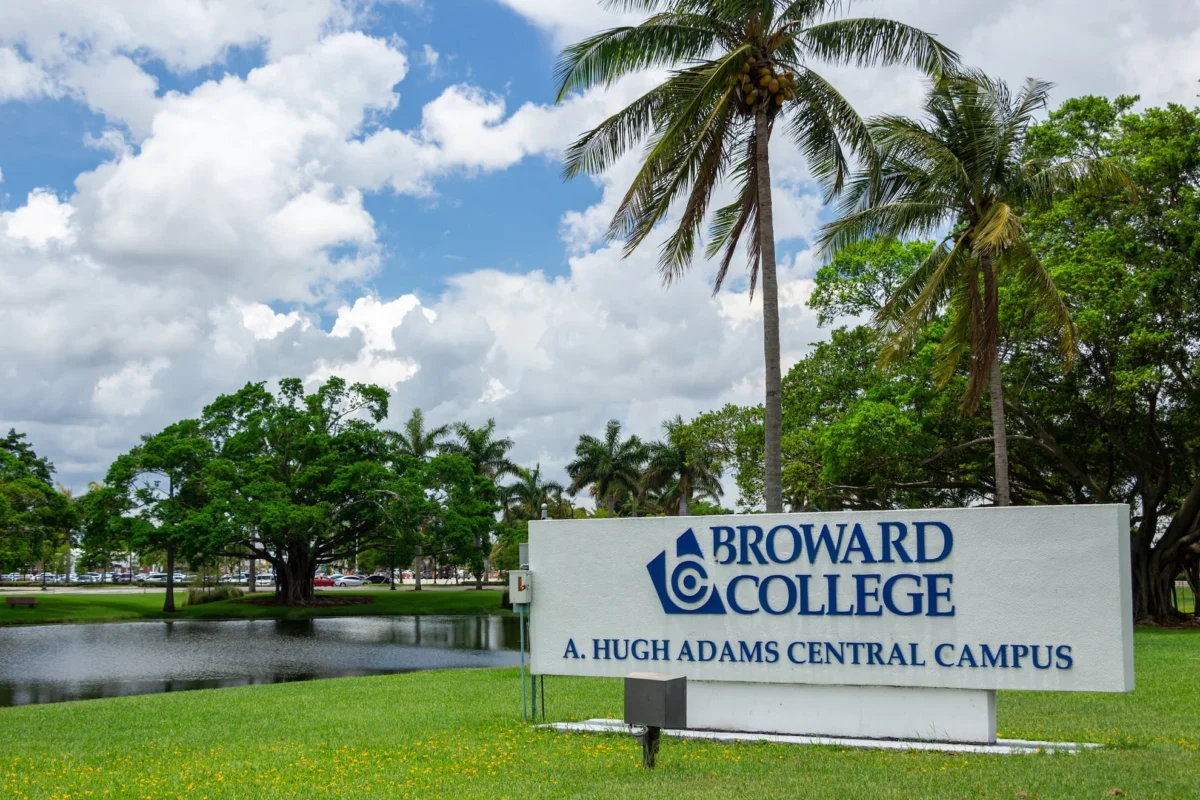
Broward College, one of Florida’s most prominent public institutions, finds itself once again at a critical leadership crossroads. After only 18 months at the helm, President Torey Alston has officially vacated his position. His departure, finalized during a high-stakes special meeting of the Board of Trustees this past Tuesday, marks the end of a tumultuous tenure characterized by deepening ideological rifts, legal skirmishes, and a breakdown in the working relationship between the college’s executive leadership and its governing body.
The separation agreement, signed by both parties, serves as the final chapter in what has been a protracted struggle for the future of the college. By opting for a mutual departure, Alston successfully sidestepped a formal termination—an outcome that had seemed inevitable following the Board’s initial public push to remove him from office earlier this month.
The Anatomy of a Departure: Main Facts and Settlement Details
The resolution of the dispute between Alston and the Board of Trustees centers on a financial settlement that has already sparked debate regarding the use of public funds. Under the terms of the mutual separation agreement, Alston is set to receive a payout of $430,000.
While significant, this figure represents a compromise that falls substantially short of the $1.5 million that Alston reportedly sought during the height of the negotiations. The breakdown of the $430,000 package is multifaceted, comprising:
- Standard Severance: Compensation tied to the early termination of his contractual obligations.
- Accrued Benefits: Payouts for unused sick and vacation leave accumulated during his 18-month tenure.
- Legal Resolution: A specific payment of $268,768, earmarked as consideration for Alston’s agreement to withdraw a threatened lawsuit against the institution.
This settlement underscores the legal jeopardy the college faced had the conflict proceeded to litigation. By securing a release of claims, the Board of Trustees has effectively insulated the institution from further direct legal action from Alston, though the optics of paying a significant sum to a departing executive who served less than two years have raised questions among faculty, students, and local taxpayers.
Chronology of a Crisis: From Appointment to Exit
To understand the suddenness of Alston’s departure, one must look at the timeline of his brief but volatile administration.
The Honeymoon Phase (Early 2025)
Alston arrived at Broward College with a mandate to navigate a changing higher education landscape in Florida. His appointment was initially met with optimism, as the Board sought a leader capable of aligning the college’s institutional goals with the evolving legislative priorities of the state.
The Escalation of Tensions (Mid-2026)
By the summer of 2026, the relationship between Alston and the Board had soured. Internal disagreements regarding institutional governance, administrative autonomy, and the implementation of specific board directives became public. The friction reached a boiling point in August 2026, when the Board of Trustees placed the termination of Alston’s contract as the sole agenda item for a scheduled special meeting.
The Judicial Intervention
The August meeting, which was expected to result in a swift firing, was abruptly derailed by a judicial order. Following a request from Alston, a judge mandated that both parties enter into formal mediation. This judicial "cooling-off period" was intended to determine if a path forward existed that would allow the college to function without a leadership vacuum.
The Final Settlement
Despite the mediation efforts, it became clear by mid-August that the professional relationship was irreparable. The two sides returned to the negotiating table to draft a separation agreement, leading to Tuesday’s final vote to ratify the exit.
Supporting Data: A Pattern of Instability
The departure of Torey Alston is not an isolated event but rather the latest symptom of a deeper malaise at Broward College. The institution has now cycled through two presidents in the last three years, a rate of turnover that is highly unusual for a public college of its stature.
Prior to Alston, the college was led by Gregory Haile, who had been at the helm since 2018. Haile’s departure in 2023 was, like Alston’s, abrupt and characterized by a lack of transparent explanation. At the time, Haile’s exit was attributed to mounting tensions with the Board of Trustees—a narrative that echoes eerily in the current circumstances.
Industry analysts note that such instability can have profound consequences for a college. Frequent leadership changes often lead to:
- Administrative Drift: When the executive office is in flux, long-term strategic planning often stalls.
- Donor Hesitancy: Alumni and corporate partners are less likely to commit to long-term endowments when the leadership of an institution is uncertain.
- Faculty Morale: Constant changes in the president’s office create a "top-down" sense of anxiety, affecting the retention of high-quality academic staff.
Official Responses and Public Statements
The Board of Trustees has maintained a relatively tight-lipped approach regarding the specifics of the conflict, citing legal confidentiality. In official statements following the Tuesday meeting, board members emphasized the need for "a fresh start" and "alignment on the college’s mission."
"The Board of Trustees is committed to the long-term success of Broward College," a spokesperson stated. "While we thank Mr. Alston for his service, we believe this mutual agreement is in the best interest of the students, faculty, and the institution as a whole."
Alston, for his part, has provided limited commentary. His legal team has characterized the settlement as a "fair resolution" that allows him to move on from a difficult environment. The withdrawal of the threatened lawsuit is framed by his representatives as a gesture of goodwill, though the inclusion of a $268,768 payout for that withdrawal suggests that the legal threat was a primary leverage point in the negotiations.
Implications for the Future of Broward College
The departure of the president leaves Broward College at a critical juncture. The immediate challenge for the Board of Trustees is the selection of an interim leader who can restore calm to the campus.
Governance Challenges
The recurring theme of friction between the Board and the President suggests that there may be fundamental disagreements regarding the governance structure of the college. Does the Board wish to take a more hands-on approach to daily operations, or is there a need to re-examine the autonomy afforded to the President’s office? This question will be central to the recruitment of the next permanent leader.
Legislative and Community Scrutiny
Broward College is a vital economic engine for the region, providing vocational training, associate degrees, and workforce development to thousands of students. The public and local legislators are increasingly scrutinizing the board’s decision-making process. The expenditure of hundreds of thousands of dollars in severance—compounded by the previous costs associated with presidential transitions—will likely lead to calls for greater transparency and fiscal accountability in the coming months.
Rebuilding Trust
Perhaps the most difficult task facing the next administration will be the rebuilding of institutional trust. Faculty senates and student government associations have expressed frustration over the perceived lack of transparency surrounding these executive exits. A new president will need to be a consensus-builder who can bridge the divide between the board’s strategic vision and the day-to-day realities of academic and administrative staff.
Conclusion
The exit of Torey Alston is a cautionary tale of how quickly professional relationships can disintegrate within the high-pressure environment of modern higher education. As Broward College moves forward, the lessons learned from the last three years of instability will be vital. Whether the institution can find a leader who can navigate the complex political landscape of Florida while maintaining the academic integrity and administrative stability that students deserve remains to be seen.
For now, the campus waits—not just for a new name on the office door, but for a period of stability that has proven elusive for too long.