Executive Summary & Main Facts
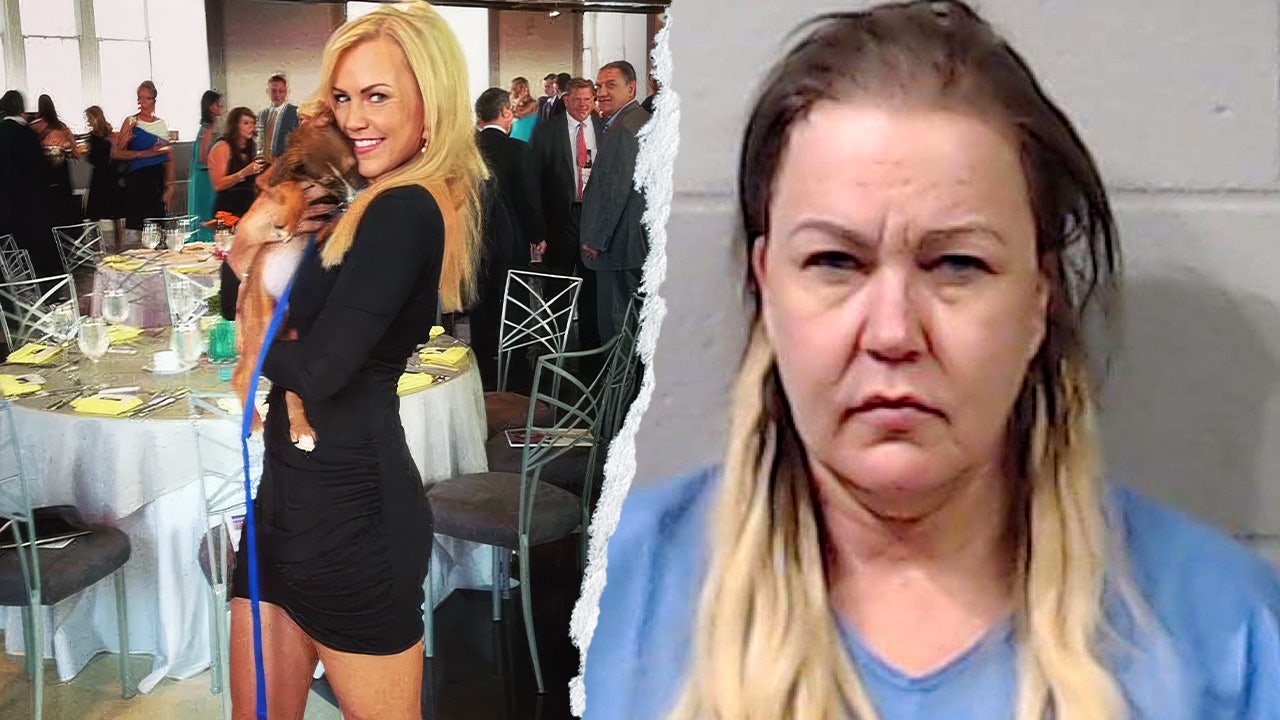
In a tragic development that has shocked both the journalism community and the public, Angelynn "Angie" Mock, a 48-year-old former television news anchor, has pleaded guilty to the first-degree murder of her 80-year-old mother, Anita Avers. The plea brings a somber resolution to a case that has highlighted the devastating impact of severe mental illness and the complexities of the criminal justice system when dealing with defendants suffering from profound delusions.
The Sedgwick County District Attorney’s Office in Kansas announced that Mock entered her plea in connection with the fatal stabbing, which occurred on Halloween morning. Under the terms of the negotiated plea agreement, Mock faces a sentence of life in prison. Under Kansas state law, she will be eligible to apply for parole only after serving a minimum of 25 years of her sentence—a term often referred to legally as a "Hard 25."
The victim, Anita Avers, was a beloved octogenarian who shared a residence in Wichita, Kansas, with Mock and Mock’s stepfather. According to court documents and police reports, the fatal encounter was driven by a severe psychiatric episode during which Mock believed her mother was the devil.
The case has drawn national attention not only because of the horrific nature of the crime but also due to Mock’s high-profile past as a successful on-air television journalist who worked in multiple major media markets across the Midwest. Her sentencing has been officially scheduled for October 5.
Detailed Chronology of the Tragedy
+-----------------------------------------------------------------------------+
|                                  TIMELINE                                   |
+-----------------------------------------------------------------------------+
|  2007–2011: Morning Anchor at KOKH-TV (Oklahoma City, OK)                   |
|  2011–2015: Reporter & News Anchor at FOX 2 (St. Louis, MO)                 |
|  Oct 31, 7:50 AM: Police dispatch to Wichita home; Anita Avers stabbed      |
|  Post-Arrest: Delusional statements to police; Mock ruled incompetent       |
|  Pre-Trial: Competency restored; Mock enters guilty plea                    |
|  Oct 5: Scheduled sentencing hearing in Sedgwick County                     |
+-----------------------------------------------------------------------------+
From the Anchor Desk to the Courtroom: Mock’s Professional Background
To understand the shockwaves this case has sent through the Midwest, one must examine Mock’s professional trajectory. For nearly a decade, Angelynn Mock was a familiar and trusted face in households across Oklahoma and Missouri.
According to her professional profiles, Mock’s career in broadcast journalism spanned multiple states:
- Early Career: Mock held various reporting and anchoring positions in local television markets across Minnesota, Montana, and Nebraska, building a reputation as a dedicated and capable journalist.
- Oklahoma City (2007–2011): She served as a prominent morning anchor for KOKH-TV, where she covered local politics, community events, and breaking news.
- St. Louis (2011–2015): Mock relocated to Missouri, joining KTVI (Fox 2) as an anchor and reporter. During her four years in St. Louis, she was a regular fixture on daily broadcasts, delivering high-profile news stories to hundreds of thousands of viewers.
Colleagues from her time in broadcasting remembered her as professional, articulate, and driven. However, after leaving her position in St. Louis in 2015, Mock largely stepped away from the public eye. Family members later revealed that behind the scenes, Mock was battling increasingly severe mental health issues that eventually culminated in the tragedy in Wichita.
The Morning of October 31: The Fatal Incident
The quiet of a Wichita residential neighborhood was shattered at approximately 7:50 a.m. on October 31, when emergency dispatchers received a frantic call requesting assistance at the home shared by Mock, her mother, and her stepfather.
Upon arriving at the scene, officers with the Wichita Police Department encountered a highly disturbing situation:
- The Scene Outside: Officers discovered Mock standing outside the residence. She was visibly distressed and exhibited lacerations and cuts on her hands, which investigators later determined were sustained during the physical struggle of the attack.
- The Discovery Inside: Inside the home, emergency responders found 80-year-old Anita Avers suffering from multiple, severe stab wounds.
- Medical Intervention: Paramedics immediately administered life-saving measures and rushed Avers to a local hospital. Despite the best efforts of medical personnel, the elderly woman succumbed to her injuries shortly after arrival.
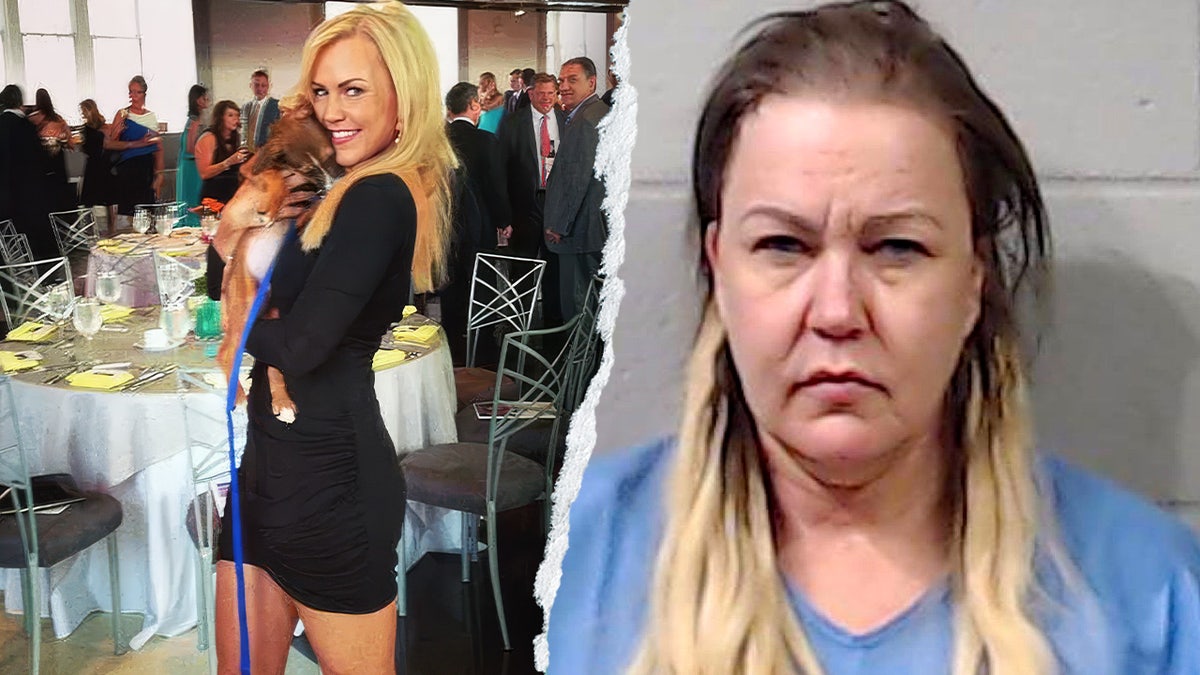
- The Arrest: Mock was taken into custody at the scene without further incident and booked into the Sedgwick County Jail.
The Legal Battle and Competency-Stalled Proceedings
Following her arrest, Mock’s progression through the judicial system was far from straightforward. The court was forced to address the obvious and severe psychiatric issues present at the time of the offense.
Shortly after she was charged with first-degree murder, defense attorneys raised concerns regarding Mock’s mental capacity to understand the charges against her and assist in her own defense. A district judge subsequently ordered a forensic psychiatric evaluation.
Based on the findings of mental health professionals, the judge ruled that Mock was incompetent to stand trial, effectively putting the criminal proceedings on hold. Mock was remanded to a state psychiatric facility for treatment aimed at restoring her competency.
Under Kansas law, a defendant’s competency can be restored through psychiatric medication, therapy, and education regarding court procedures. Months later, clinical staff determined that Mock had achieved a sufficient understanding of the legal system and her charges, allowing the prosecution to proceed and ultimately leading to her guilty plea.
Supporting Data and Investigative Evidence
The Probable Cause Affidavit and Delusional Motives
The evidentiary foundation of the prosecution’s case was detailed in a probable cause affidavit released by the court. The document paints a chilling picture of a mind entirely detached from reality at the time of the slaying.

According to the affidavit, Mock made several highly disturbing statements to arresting officers and investigators during her initial interrogation:
- Demonic Delusions: Mock repeatedly stated that she believed her 80-year-old mother was "the devil."
- Self-Defense Justification: She insisted to authorities that her violent actions were necessary, claiming she had to kill her mother to "save herself" from spiritual or physical destruction.
- Lack of Premeditated Malice Toward the Victim’s True Self: The statements suggested that Mock did not perceive herself as killing her beloved mother, but rather an existential, demonic threat.
These statements immediately pointed to a severe, acute psychotic break rather than a premeditated crime motivated by financial gain, anger, or personal animosity.
+--------------------------------------------------------------------------+
|                  SUMMARY OF PROBABLE CAUSE AFFIDAVIT                     |
+--------------------------------------------------------------------------+
| • Defendant's physical state: Found with self-inflicted hand lacerations |
| • Victim's injuries: Multiple deep-tissue stab wounds                    |
| • Statements to police: "I had to save myself"; "She was the devil"      |
| • History: Documented psychiatric interventions and diagnosis            |
+--------------------------------------------------------------------------+
Family History and Mental Health Struggles
Further supporting data regarding Mock’s psychiatric history was provided by her stepfather. Speaking to local station KAKE-TV, he offered crucial context regarding the family’s quiet struggle with Mock’s deteriorating mental state.
According to her stepfather, Mock had been diagnosed with severe mental illness years prior to the attack. Her condition was characterized by:
- Severe Clinical Depression: A debilitating mood disorder that affected her ability to maintain her career and social connections.
- Paranoid Delusions: Ongoing false beliefs that were resistant to reason, which grew increasingly severe over time.
- Treatment Challenges: The family struggled to manage her condition, which fluctuated in severity and ultimately culminated in the catastrophic psychotic episode on Halloween.
Official Responses and Legal Context
Statements from the Sedgwick County District Attorney
Following the entry of the guilty plea, the Sedgwick County District Attorney’s Office issued an official statement confirming the resolution of the guilt phase of the trial.
"Angelynn Mock has pleaded guilty to first-degree murder in the tragic death of her mother, Anita Avers. This plea ensures that Ms. Mock will face significant consequences for her actions while avoiding a lengthy and painful trial for the surviving family members."
The District Attorney’s office emphasized that the plea agreement, which mandates life in prison with no parole eligibility for 25 years, balances the need for public safety and accountability with the documented psychiatric factors present in the case.
Law Enforcement and Emergency Services Reports
The Wichita Police Department, which led the initial homicide investigation, released reports detailing the rapid response of their patrol officers and detectives. Chief of Police representatives praised the responding officers for their professionalism in handling a highly volatile and emotionally charged scene.
"Our officers responded to a domestic disturbance that rapidly escalated into a worst-case scenario," a department spokesperson stated. "The responding personnel secured the scene, ensured medical attention was provided to the victim, and took the suspect into custody without further loss of life."
Broader Implications: Mental Illness and the Justice System
The tragic case of Angie Mock highlights several systemic issues at the intersection of mental health, public safety, and the American legal system.
The Challenge of Forensic Competency
Mock’s case is a textbook example of the legal distinction between competency to stand trial and the insanity defense:
- Competency: Focuses entirely on the defendant’s mental state during the legal proceedings. Because Mock was initially ruled incompetent, the state could not legally prosecute her until she was restored to a state where she could comprehend court processes.
- The Decision to Plead: By pleading guilty, Mock and her defense counsel acknowledged that she was currently competent to make legal decisions and chose to accept a life sentence rather than pursue an insanity defense at a full trial, which carries high unpredictable risks and the potential for indefinite commitment to a state psychiatric hospital.
Domestic Tragedies and the Mental Health Safety Net
This case also underscores the immense burden placed on families caring for adult relatives with severe, delusional psychiatric disorders. Despite the family’s awareness of Mock’s diagnoses, the system’s limitations in providing continuous, secure care for individuals suffering from severe delusions remain a critical point of discussion.
As Mock awaits her formal sentencing on October 5, her journey from a respected, high-profile television journalist to a convicted felon serving a life sentence stands as a stark, devastating reminder of the destructive power of untreated mental illness.