For decades, the field of cancer immunotherapy has been defined by a fundamental struggle: while treatments that harness the immune system have revolutionized the management of blood-based cancers like leukemia and lymphoma, solid tumors have remained stubbornly resistant. These tumors operate like fortresses, building physical and chemical barriers that exclude or neutralize immune cells. Now, a team of researchers at Stanford Medicine has unveiled a novel strategy that could tip the balance, turning the tide against some of the most challenging forms of cancer.
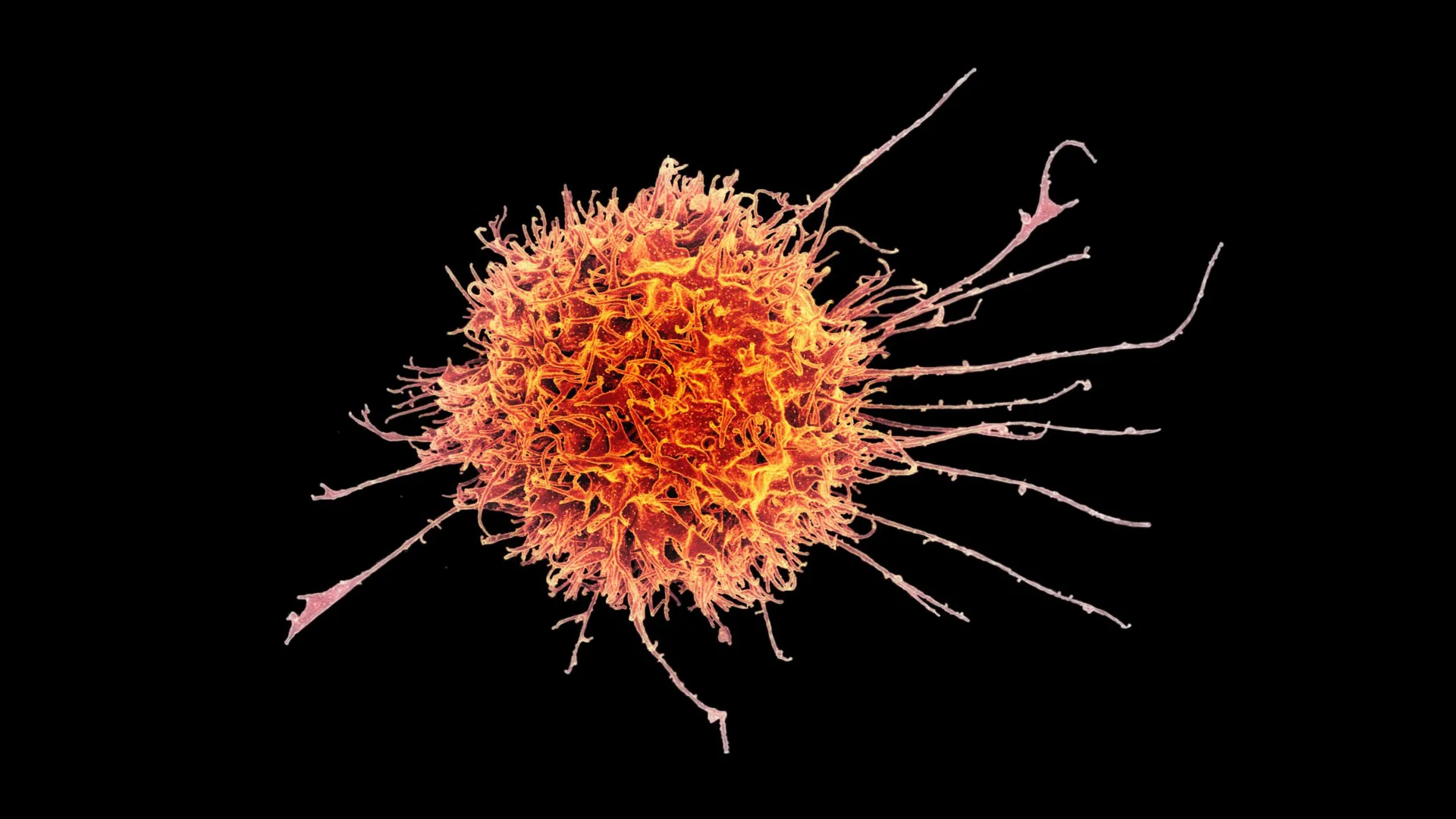
By re-engineering natural killer (NK) cells—the body’s rapid-response immune warriors—into "tissue-resident" assassins, scientists have developed a method to help these cells infiltrate, survive, and destroy solid tumors. This development, detailed in a study published last month in Science Translational Medicine, offers a glimpse into a future where cancer immunotherapy is no longer a bespoke, weeks-long manufacturing process, but an "off-the-shelf" reality.
The Challenge of the Solid Tumor Fortress
The immune system is remarkably adept at patrolling the bloodstream, but solid tumors present a distinct tactical challenge. Unlike the free-floating cells found in blood cancers, solid tumors form dense, structured environments. They can physically prevent immune cells from entering and actively release immunosuppressive signals that essentially "switch off" any immune cells that do manage to breach their walls.
"For a long time, the study of immunology in humans was concentrated on blood-borne immune cells," says Dr. John Sunwoo, the Edward C. and Amy H. Sewall Professor at the Stanford School of Medicine and senior author of the study. "However, with the advancement of bioinformatics and cellular imaging, we are realizing that the tissue environment is where the real action happens. To beat solid tumors, we have to stop thinking about circulating cells and start thinking about tissue-resident cells."
Chronology of Discovery: From Blood to Tissue
The development of this therapy was not an overnight success; it was the result of a deliberate, multi-year investigation into the duality of natural killer cells.
The 1970s–2000s: Identifying the Natural Killer
Since their discovery in the 1970s, NK cells have been recognized for their unique ability to identify and destroy abnormal cells—including cancer cells and virus-infected cells—without requiring a prior "education" or encounter with a specific antigen. Unlike T cells, which require precise matching to target markers, NK cells provide an immediate, innate response.
The 2010s: The Tissue-Resident Paradox
As immunology progressed, scientists identified a specialized subset of NK cells that reside within tissues like the skin, liver, and lungs. However, the literature was contradictory. Some studies suggested these cells were potent anti-cancer agents, while others argued they were passive or even suppressive, helping tumors hide from the immune system.
2020–2024: Cracking the "Goldilocks" Code
Dr. Sunwoo’s team, including lead authors Nina Horowitz, Imran Mohammad, and June Ho Shin, set out to solve this discrepancy. They isolated circulating NK cells from human donors and experimented with various chemical cues. They focused on TGF-beta (transforming growth factor-beta), a protein often hijacked by tumors to create an immunosuppressive environment.
The researchers discovered that the transition to a "tissue-resident" state is a delicate balancing act. They found that if exposed to too much TGF-beta for too long, NK cells become dysfunctional and dormant. However, when exposed to brief, controlled bursts of TGF-beta through physical contact with epithelial tumor cells, the NK cells transformed into an aggressive, tumor-infiltrating phenotype. This "Goldilocks" effect—getting the signal timing and intensity exactly right—was the key to creating a potent, weaponized immune cell.
Supporting Data: Molecular Architecture and Efficacy
The transformation of these cells is not merely functional; it is structural. When the researchers compared the "aggressive" tissue-resident NK cells to their "suppressive" counterparts, they found distinct differences in their molecular toolkits.
The Signature of a Killer
Both types of tissue-resident cells expressed the surface proteins CD49a and CD103, which act as "anchors" to keep the cells within the tissue. However, only the highly effective, aggressive cells expressed CD39. Furthermore, these superior killers were packed with a higher density of cytotoxic machinery, specifically:
- Perforin: Proteins that punch lethal holes in the membranes of target cancer cells.
- Granzyme A: Toxic molecules delivered through those holes to trigger programmed cell death within the tumor.
Laboratory and Preclinical Results
In laboratory organoid models, the modified NK cells demonstrated a remarkable ability to infiltrate dense tumor structures. When tested in mice, the therapy significantly slowed the growth of melanoma and head and neck squamous cell carcinoma.
The most compelling data emerged when the modified NK cells were paired with cetuximab, a monoclonal antibody that labels cancer cells for destruction. While cetuximab often has limited efficacy as a monotherapy, its combination with these modified NK cells resulted in significantly suppressed tumor growth. In the study, mice treated with the combination remained healthy and active, while untreated mice or those receiving single-agent therapy showed significant decline.
Official Perspectives and Clinical Implications
The implications of this research extend far beyond the laboratory bench. The current standard for CAR-T cell therapy—the most famous form of immune cell therapy—requires harvesting a patient’s own cells, sending them to a specialized facility for genetic modification, and shipping them back for infusion. This process is expensive, time-consuming, and inaccessible to many patients who may not have the luxury of time.
The "Off-the-Shelf" Advantage
Because natural killer cells do not typically trigger a graft-versus-host immune reaction, they offer a massive logistical advantage.
"It would be almost an off-the-shelf drug," says Dr. Sunwoo. "We could potentially collect cells from a single donor, process them into these modified tissue-resident killers, and cryopreserve them. This would allow us to have ready-to-use doses available, eliminating the manufacturing delays that currently hinder patient access."
According to the team, a single donor’s blood could produce approximately 20 treatment doses in just two weeks. This scalability is a potential game-changer for hospitals and oncology centers.
Clinical Trials on the Horizon
The research team is currently preparing for a Phase I clinical trial to test this combination therapy in humans with advanced squamous cell carcinoma. Pending approval from the U.S. Food and Drug Administration (FDA), the trial is slated to begin by the end of the year.
Dr. Sunwoo cautions that while the results in mice are highly encouraging, clinical trials are necessary to determine safety and efficacy in humans. "This was just a proof of concept," he notes. "We are now moving into the phase where we find out if this biological strategy holds up in the complex, real-world environment of the human body."
Conclusion: A New Frontier in Oncology
The Stanford Medicine study represents a shift in how we approach the "solid tumor problem." By moving away from the paradigm of circulating immune cells and toward the cultivation of site-specific, tissue-resident defenders, researchers are effectively changing the rules of the engagement.
If successful, this approach will provide more than just a new treatment; it will provide a new model for cell therapy—one that is scalable, efficient, and capable of penetrating the most protected niches of the human body. As the medical community looks toward the upcoming clinical trials, there is a renewed sense of optimism that the fortress of solid tumors may finally be breached.
This study was supported by the National Institutes of Health (grants R35DE030054, K22CA282364, and R25DC020174), the Tai Tsun Wu Research Fund for Natural Killer Cell Immunotherapy, and the Stanford Bio-X Fellowship. Contributions were also made by researchers from Ohio State University and Washington University School of Medicine.