Main Facts: A Convergence of Political, Legal, and Cultural Battles
A series of escalating political, cultural, and economic disputes across the United States has highlighted deep ideological divides on both domestic and international fronts. From high-stakes media confrontations to local municipal resistance against federal agencies, these developments are reshaping the political landscape ahead of crucial electoral cycles.
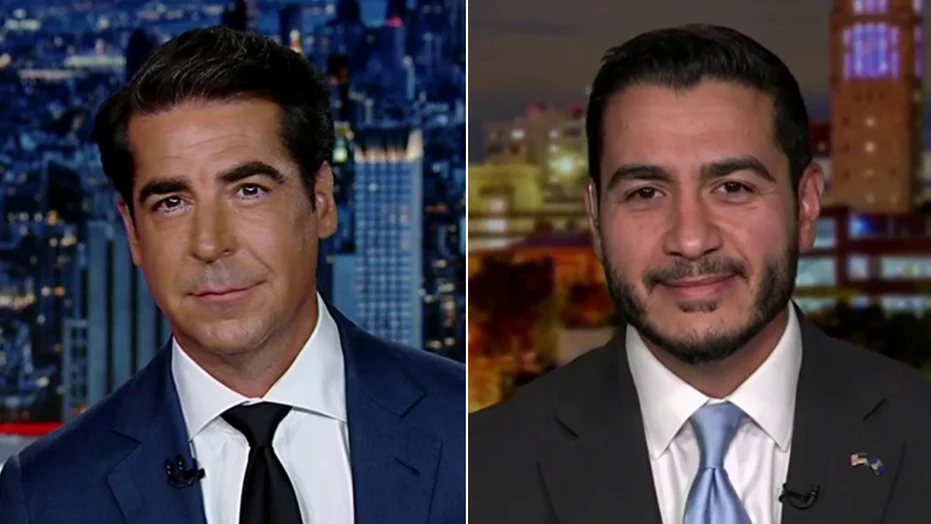
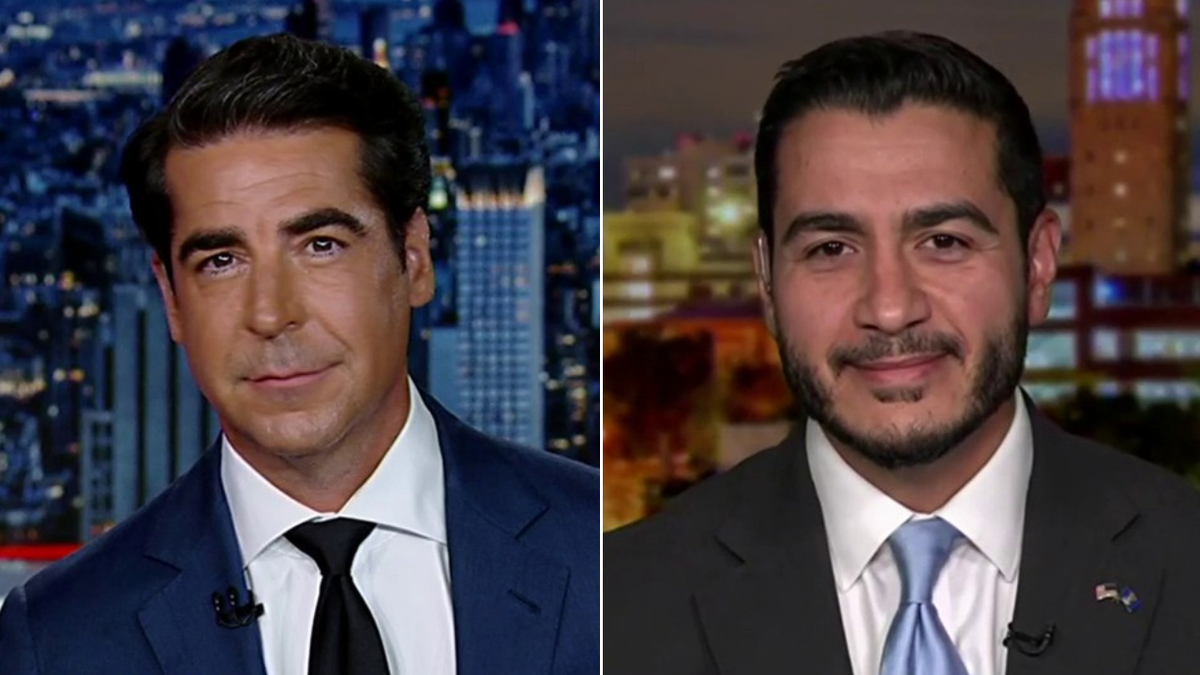
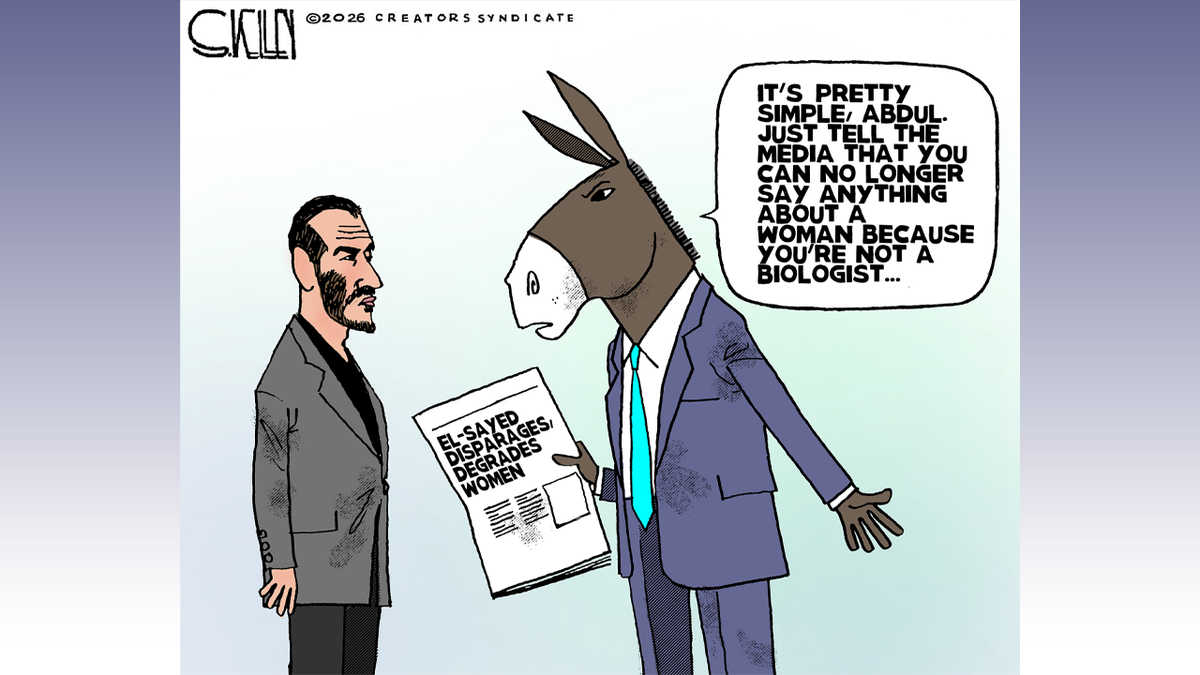
In Michigan, the Democratic nominee for the U.S. Senate, Abdul El-Sayed, engaged in a highly contentious interview on Fox News’ Jesse Watters Primetime. The discussion highlighted sharp disagreements over progressive economic policies, taxation of billionaires, and cultural integration, bringing the state’s complex political demographics into the national spotlight. This debate coincides with growing scrutiny surrounding a Smithsonian-affiliated museum in Dearborn, Michigan, which has drawn criticism for an exhibition examining America’s post-9/11 security and foreign policy decisions.
Simultaneously, local governance has become a battleground for federal immigration enforcement. A Democratic mayor is facing intense backlash from political opponents and property owners after launching an aggressive initiative to identify and penalize local landlords who lease properties to Immigration and Customs Enforcement (ICE). Critics have characterized the municipal directive as an abuse of power that undermines federal law enforcement operations.
On the international stage, trade tensions between the United States and Canada are rising. Following warnings from former President Donald Trump regarding the imposition of 50% tariffs on Canadian goods, Ottawa has begun drafting comprehensive retaliatory measures, threatening to disrupt one of the world’s largest bilateral trading relationships. Meanwhile, in Eastern Europe, military analysts report heightened strategic pressure on Moscow as Ukrainian forces utilize deep-strike capabilities to target logistics hubs inside Russian territory, shifting the dynamics of the ongoing conflict.
Chronology of Key National and International Escalations
The current political and economic friction points are the result of several weeks of compounding events:
Mid-August: The campaign for Michigan’s open U.S. Senate seat intensifies. Progressive candidate Abdul El-Sayed secures key endorsements, drawing national attention to his platform of aggressive wealth taxation and expanded social programs.
Late August: A Smithsonian-linked cultural institution in Dearborn, Michigan, opens a controversial retrospective exhibition analyzing the domestic civil liberties impact of the post-9/11 War on Terror. The exhibit immediately sparks debate over patriotic representation and historical revisionism.
August 20: In a major metropolitan area, municipal officials issue a directive instructing city inspectors and legal teams to review commercial property registries. The objective is to identify landlords cooperating with federal immigration authorities, leading to public outcry and legal threats from property rights advocates.
August 24: Former President Donald Trump reiterates his intent to impose sweeping 50% tariffs on Canadian imports unless strict border security and trade concessions are met. In response, Canadian trade ministers convene emergency sessions to finalize a list of reciprocal U.S. targets.
August 25 (Monday Evening): Abdul El-Sayed appears on Jesse Watters Primetime. The live broadcast features sharp exchanges over wealth distribution, Sharia law, and the candidate’s past public statements, reflecting the broader national debate over progressive political ideology.
August 26: International defense monitors confirm that Ukrainian long-range drone and missile strikes have successfully disrupted Russian supply lines, forcing a recalibration of Russian defensive postures along the border regions.
Supporting Data and Deep Dive into Major Developments
The El-Sayed vs. Watters Debate and the Michigan Political Landscape
The primetime debate between Abdul El-Sayed and host Jesse Watters highlighted the deep policy divisions within the modern electorate. El-Sayed, a progressive physician and public health advocate, defended his platform of higher taxes on corporations and high-net-worth individuals, arguing that such measures are necessary to fund public infrastructure and healthcare systems.
Proposed Progressive Tax Model vs. Current Statutory Rates
┌───────────────────────────┬─────────────────────┬─────────────────────┐
│ Tax Category              │ Current Rate (Est.) │ Proposed Reform     │
├───────────────────────────┼─────────────────────┼─────────────────────┤
│ Top Marginal Income Tax   │ 37%                 │ 45% - 50%           │
│ Corporate Tax Rate        │ 21%                 │ 28%                 │
│ Billionaire Wealth Tax    │ 0%                  │ 2% - 3% annually    │
└───────────────────────────┴─────────────────────┴─────────────────────┘
Watters challenged El-Sayed on the economic feasibility of these proposals, suggesting that aggressive wealth taxation could lead to capital flight and weaken Michigan’s manufacturing sector. The interview also addressed cultural and legal integration, focusing on past statements regarding the relationship between religious values, Sharia law, and secular governance in municipal systems.
Michigan remains a critical swing state, and the internal friction within the Democratic coalition—between moderate establishment figures and progressive candidates with ties to organizations like the Democratic Socialists of America (DSA)—could significantly impact voter turnout and overall electoral outcomes.
The Post-9/11 Museum Exhibition Controversy
The exhibition at the Smithsonian-affiliated Arab American National Museum in Dearborn has become a focal point for cultural debate. The installation critiques the expansion of federal surveillance programs, the implementation of the Patriot Act, and the broader social consequences of the War on Terror on Middle Eastern and Muslim communities in the United States.
Supporters argue the exhibit provides a necessary perspective on civil liberties violations and systemic bias during the post-9/11 era. Conversely, critics contend that the display minimizes the national security challenges faced by federal law enforcement and presents an unbalanced view of American counterterrorism efforts. The debate underscores the ongoing challenge of addressing sensitive national security decisions within public educational and cultural spaces.
Municipal Resistance to ICE and Property Rights
The controversy surrounding a Democratic mayor’s efforts to target landlords leasing space to ICE highlights the growing tension between local municipal authority and federal law enforcement mandates.
Legal and Jurisdictional Conflict: Local vs. Federal Authority
┌──────────────────────────────────────────┬──────────────────────────────────────────┐
│ Municipal Arguments                      │ Federal & Opposition Arguments            │
├──────────────────────────────────────────┼──────────────────────────────────────────┤
│ • Protection of immigrant communities    │ • Supremacy Clause of the Constitution   │
│ • Use of zoning laws to restrict leases  │ • Interference with federal law enforcement│
│ • Local autonomy over municipal codes    │ • Property owner rights and commerce     │
└──────────────────────────────────────────┴──────────────────────────────────────────┘
The mayor’s initiative utilizes zoning ordinances, building inspections, and business licensing reviews to pressure commercial real estate owners into terminating their agreements with federal immigration authorities. Opponents argue this strategy violates the Supremacy Clause of the U.S. Constitution, which prevents local governments from interfering with federal operations, and warns that it sets a dangerous precedent for property rights.
Transnational Trade and Geopolitical Security
The threat of a 50% tariff on Canadian goods has introduced significant uncertainty into the North American economy. Canada is the primary export market for 36 U.S. states, and integrated supply chains—particularly in the automotive and energy sectors—mean that high tariffs could increase costs for consumers in both nations. Canadian officials are preparing targeted tariffs on key American exports, focusing on industries in politically sensitive congressional districts to maximize leverage.
In Eastern Europe, the conflict has entered a new phase as Ukraine uses advanced weapon systems to strike targets deeper within Russian territory. These operations aim to disrupt the logistics, fuel supplies, and ammunition depots necessary to sustain Russian frontline offensives. Military analysts suggest these actions have forced Russian commanders to redirect air defense systems away from the front lines to protect domestic infrastructure.
Official Responses and Public Statements
Abdul El-Sayed on Progressive Policy and Representation
During his media appearance, El-Sayed defended his policy positions and his vision for Michigan:
"Our campaign is focused on ensuring that working-class families have access to quality healthcare, strong public schools, and fair wages. Asking the wealthiest corporations and individuals to pay their fair share is not radical; it is a common-sense approach to building a stable and resilient economy that works for everyone."
Republican Leadership on Municipal Interference with Federal Law
A prominent GOP representative criticized the municipal campaign against landlords leasing to ICE:
"The actions of local officials targeting property owners who support federal law enforcement are unacceptable. Attempting to obstruct ICE operations through zoning laws and municipal harassment undermines national security and violates established legal principles regarding federal authority."
Canadian Government on Trade Threats
Following discussions regarding potential tariff escalations, a senior Canadian trade official released a statement emphasizing bilateral cooperation:
"Canada and the United States share one of the most successful and mutually beneficial economic partnerships in the world. While we are prepared to defend our domestic industries and workers with retaliatory measures if necessary, our primary goal remains working constructively with our American partners to ensure secure, efficient, and open trade across our shared border."
Long-Term Implications for American Governance and Policy
The Evolving 2028 Democratic Primary Dynamics
The ongoing debates over progressive taxation and cultural representation are also shaping the early stages of the 2028 Democratic presidential primary. Strategic maneuvering is already visible, as demonstrated by public exchanges between supporters of California Governor Gavin Newsom and Transportation Secretary Pete Buttigieg.
This internal debate highlights a broader strategic challenge for the Democratic Party: balancing the policy goals of its progressive base with the pragmatic concerns of moderate voters in critical swing states.
The Institutional Polarization of American Life
These developments reflect a broader trend of polarization across local, national, and international institutions. Cultural exhibits, municipal zoning codes, and international trade agreements are increasingly viewed through a highly partisan lens.
As municipal governments test the limits of their authority against federal mandates and national political figures utilize populist economic policies, traditional governance structures face growing pressure. The resolution of these jurisdictional, economic, and cultural disputes will likely shape legislative agendas, judicial rulings, and electoral strategies for years to come.