Across the United States, the asphalt arteries of the nation are witnessing a quiet, consistent evolution. As vehicle safety technology advances and engineering standards for modern highways improve, state legislatures are increasingly opting to nudge the needle on speed limits. The latest state to embrace this trend is Missouri, which has officially cleared the path to increase its maximum speed limit to 75 mph on select stretches of rural roadway. While the change reflects a broader national shift toward higher-velocity travel, it also highlights the delicate balance between public demand for efficiency and the fundamental mandate of state transportation departments: safety.
The Legislative Shift: Senate Bill 1408
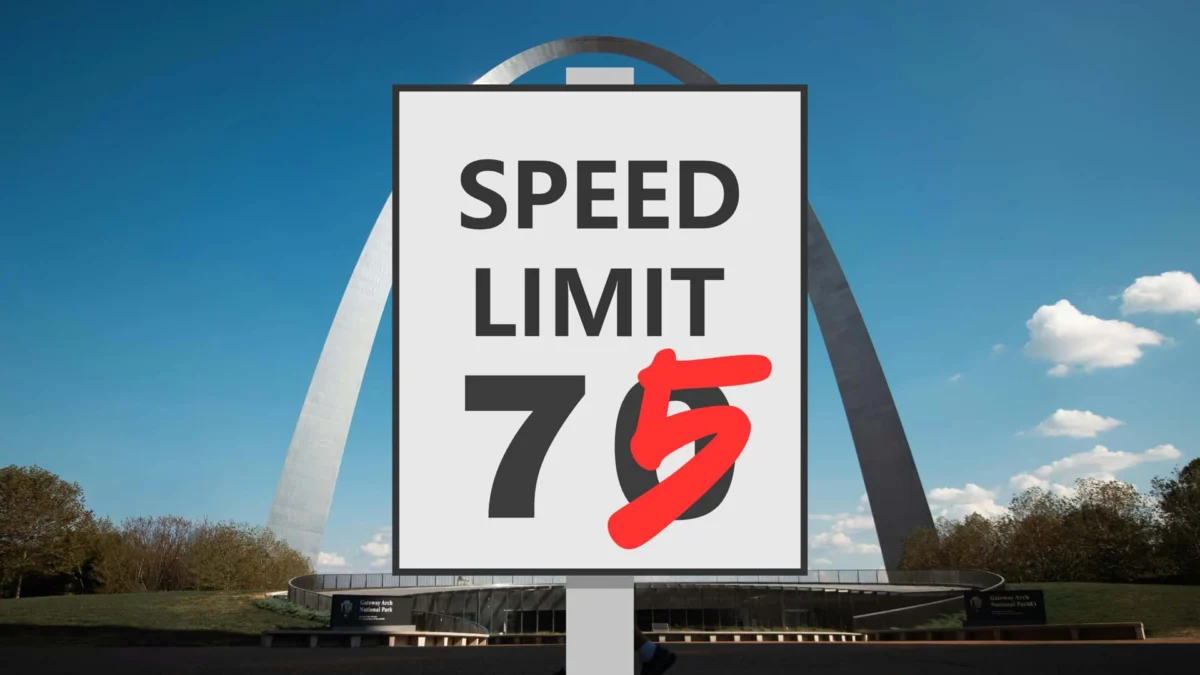
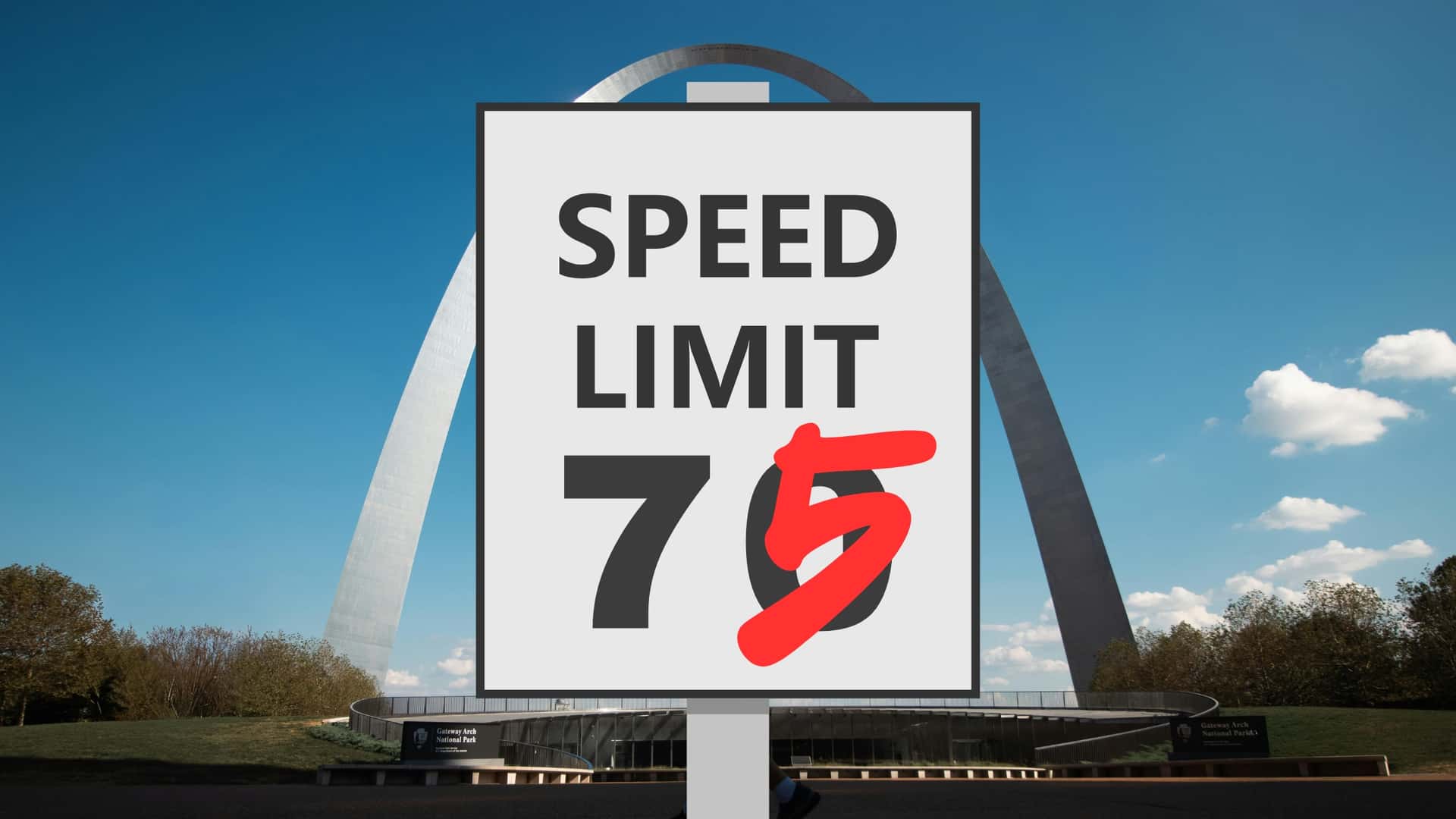
The legal framework for this change was solidified through the passage of Senate Bill 1408, a piece of legislation championed by Republican State Senator Jamie Burger. The bill, which received the signature of Governor Mike Kehoe, represents a significant policy shift for the state of Missouri. By authorizing the Missouri Department of Transportation (MoDOT) to increase speed limits from the current 70-mph cap to 75 mph on designated rural interstates and freeways, the state is aligning itself with a growing cohort of jurisdictions that have already embraced higher speeds.
While the bill was officially signed into law with an effective date of August 28, 2026, the administrative reality is far more nuanced. The legislation does not act as a statewide mandate that instantly replaces every sign on the map. Instead, it serves as an enabling mechanism, granting the state’s transportation engineers the legal authority to re-evaluate and raise limits where they deem it appropriate.
A Measured Approach: The MoDOT Review Process
Despite the legislative "green light," motorists expecting an immediate increase in their daily commute speeds will likely be disappointed. The Missouri Department of Transportation has made it clear that the transition will be neither rapid nor universal.
MoDOT is currently engaged in a rigorous, data-driven evaluation process to determine which segments of the state’s massive highway network can safely accommodate the higher velocity. This involves assessing factors such as roadway geometry, curve radius, sightlines, and historical crash data. Officials have noted that the review process is extensive, with some projections suggesting that the final determinations may not be fully implemented until the end of next year.
This cautious approach is intentional. As MoDOT Director Ed Hassinger succinctly explained in an interview with KOMU 8 News, the department’s primary objective remains the mitigation of risk. "While people want convenience," Hassinger noted, "we have to bring the element of safety into that discussion." By opting for a phased, site-specific implementation rather than a blanket increase, the state aims to avoid the pitfalls of raising speeds on segments that may feature tighter curves or higher volumes of heavy commercial traffic.
Identifying the Candidates for 75 MPH
The primary candidates for the new 75-mph limit are rural interstates and freeways. These roads, which were largely designed for higher-speed travel and feature limited access, are the most natural fit for the policy change. Specific corridors, such as rural stretches of I-70 and I-49—particularly those segments situated outside of the Kansas City and St. Louis metropolitan areas—are currently at the top of the list for evaluation.
It is critical to distinguish between these categories. Urban highways, which are characterized by high traffic density, frequent interchanges, and complex merging patterns, are excluded from the scope of the new law. Similarly, rural expressways, which may lack the full-grade separation of a true interstate, will continue to be governed by their existing, lower speed regulations. This segmentation ensures that the increase is limited to environments where the risk-to-reward ratio is considered favorable.
The National Landscape: A Trend Toward Velocity
Missouri’s move is part of a much larger trend that has been unfolding across the United States for over a decade. Since the federal repeal of the national maximum speed limit in 1995, states have gradually reclaimed control over their own speed regulations. Today, nine states allow for maximum speeds of 80 mph or higher on certain roads, with Texas famously permitting speeds as high as 85 mph on a stretch of State Highway 130.
The rationale behind these increases is usually threefold:
- Traffic Flow Harmonization: Traffic engineers often argue that when the speed limit is set significantly lower than the actual speed at which the majority of drivers feel comfortable traveling, it creates "speed variance." This variance, where some drivers follow the law and others drive at the "natural" flow of traffic, can lead to more frequent lane changes and aggressive passing maneuvers. By raising the limit, states hope to harmonize the speed of the traffic stream.
- Modern Vehicle Safety: The automotive industry has made leaps and bounds in safety technology. Features such as electronic stability control, automatic emergency braking, advanced tire compounds, and improved crumple zones mean that today’s vehicles are arguably more stable at 75 mph than vehicles from the 1980s were at 60 mph.
- Economic Efficiency: For a state like Missouri, which serves as a central hub for logistics and cross-country transit, reducing travel time for freight and long-distance commuters can provide marginal but cumulative economic benefits.
The Debate: Safety vs. Convenience
Despite the arguments in favor of higher limits, the debate remains contentious. Critics often point to the laws of physics: as speed increases, the kinetic energy involved in a collision rises exponentially. At 75 mph, a vehicle covers 110 feet every single second, significantly reducing the reaction time available for a driver to respond to an obstacle, a deer, or an unexpected traffic stoppage.
Insurance industry groups and highway safety advocates have frequently pushed back against these increases, citing studies that show a correlation between higher speed limits and an increase in the severity of traffic accidents. However, the data is rarely black and white. Proponents of higher limits often highlight studies showing that "speed limit compliance" improves when limits are set at the 85th percentile of traffic flow. If the majority of drivers are already traveling at 75 mph, raising the sign to match that reality can, in some cases, result in more predictable and uniform driving behavior.
Implications for Missouri Drivers
For the average Missouri motorist, the coming months will be a period of observation. As MoDOT concludes its engineering studies, the focus will shift to the installation of new signage. Until these signs are physically updated, the existing speed limits remain the law of the land. Motorists who choose to "jump the gun" and increase their speed before the official change is implemented in specific zones run the risk of significant fines and points on their driving record.
The implementation of the 75-mph limit is expected to provide a psychological and practical boost to long-distance travelers. However, it also places a higher premium on driver attention. At higher speeds, the margin for error narrows. The importance of maintaining proper following distances, ensuring tires are properly inflated, and eliminating in-car distractions becomes paramount.
Future Outlook
Looking ahead, the Missouri model of "targeted implementation" may become the gold standard for other states considering similar legislative changes. By blending the legislative desire for modern infrastructure policies with a rigorous, professional, and engineering-heavy review process, the state is attempting to modernize its roadways without sacrificing its commitment to public safety.
As the program rolls out, it will likely be monitored by traffic researchers to determine its impact on local crash statistics. If the data shows that the increase in speed limits correlates with a safe, consistent flow of traffic, it may pave the way for additional segments of Missouri’s highway network to see similar updates in the years to come. Conversely, if the safety data suggests an uptick in incidents, it may force a reassessment of the current policy.
In the final analysis, Missouri’s decision to move toward 75 mph is a reflection of a nation in motion. As vehicles become smarter and roads become better engineered, the definitions of "safe speed" are constantly shifting. For the residents and travelers of the Show-Me State, the future of the highway is moving a little faster—provided the road ahead is deemed ready for the ride.
Chronology of the 75-MPH Initiative
- Early 2024: Discussion regarding the necessity of updating rural speed limits gains momentum in the Missouri Legislature.
- Spring 2024: Senate Bill 1408 is drafted and moves through the legislative process, garnering support from lawmakers focused on transit efficiency.
- Mid-2024: The bill reaches Governor Mike Kehoe’s desk, where it is signed into law.
- Late 2024/Early 2025: MoDOT initiates comprehensive engineering reviews of state highways to determine compliance with safety standards for the proposed 75-mph limit.
- August 28, 2026: The legislative date on which the law technically goes into effect, though actual speed limit changes remain subject to the completion of engineering reviews.
- Late 2026 and Beyond: Projected timeline for the systematic installation of updated signage across identified rural interstate corridors.
Key Factors in the MoDOT Review
To ensure that the transition to 75 mph does not compromise safety, the Missouri Department of Transportation is evaluating candidate roadways based on the following metrics:
- Roadway Geometry: Horizontal and vertical curves must meet safety standards for higher-speed navigation.
- Traffic Volume: Roads with high percentages of heavy truck traffic or significant daily congestion are being reviewed for their ability to safely integrate higher speeds.
- Access Management: Only freeways and interstates with fully controlled access—where there are no intersections or traffic lights—are being considered.
- Historical Data: Past accident reports and traffic incident logs are being reviewed to identify "hot spots" that may disqualify certain segments from the increase.