The automotive landscape is shifting at a breakneck pace, and for enthusiasts of the traditional, internal-combustion grand tourer, the news from Munich is bittersweet. Following the official cessation of production for the second-generation BMW 8 Series in April 2026, the brand has left a vacuum at the top of its lineup. While fans have long speculated about a successor—perhaps an electrified, high-tech variant built on the upcoming Neue Klasse architecture—BMW executives have finally weighed in, effectively closing the door on the 8 Series as we knew it.
The State of the Flagship: A Discontinued Legacy
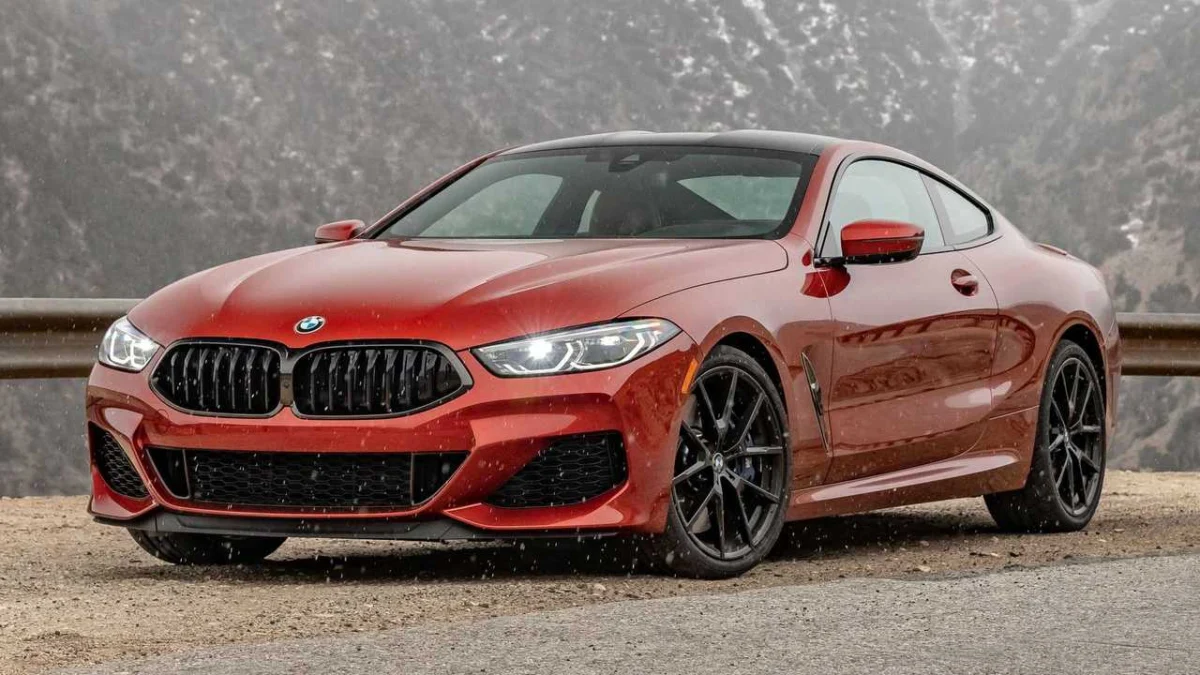
The G15 8 Series, which debuted to much fanfare in 2018, was intended to be the spiritual successor to the legendary E31 8 Series of the 1990s. Spanning the coupe (G15), convertible (G14), and the popular Gran Coupe (G16), the range was designed to challenge the dominance of high-end GT cars from Mercedes-Benz and Aston Martin.
However, as of April 2026, the assembly lines have fallen silent. With the automotive industry’s aggressive pivot toward software-defined vehicles and battery-electric platforms, the 8 Series found itself in an awkward position. It was built on the aging CLAR (Cluster Architecture) platform—a versatile, rear-wheel-drive-focused architecture that served BMW well for a decade but lacks the inherent integration for the "Neue Klasse" electrical and digital ecosystem.
The Neue Klasse Dilemma: Why a Direct Successor Is Unlikely
The term "Neue Klasse" (New Class) represents more than just a new chassis; it is a fundamental shift in how BMW designs, manufactures, and powers its vehicles. This architecture is built from the ground up for high-voltage systems, advanced autonomous driving sensors, and a radical new user interface.
In a recent candid discussion with Automotive News, a senior BMW executive confirmed that transitioning the 8 Series into the Neue Klasse family is, quite simply, "not feasible." The engineering hurdle is insurmountable: adapting the heavy, legacy-based CLAR platform to house the next-generation digital architecture would essentially require a total redesign.
For a low-volume, high-price-point niche vehicle like the 8 Series, the business case for such an investment is non-existent. BMW is prioritizing its resources toward high-volume EVs and SUVs that will define the brand’s profitability for the next decade. Consequently, the 8 Series has been relegated to the history books, at least for the immediate future.
Chronology: From the Peak of the 8 Series to the Present
- 2018: The G15 8 Series Coupe is launched, signaling a renewed focus on luxury performance.
- 2019-2020: The family expands to include the Convertible and the Gran Coupe, the latter becoming a global bestseller in the luxury segment.
- 2022: Mid-cycle refresh (LCI) introduces subtle aesthetic tweaks and enhanced interior technology.
- January 2026: Alpina officially begins its life as a standalone, ultra-luxury sub-brand within the BMW Group.
- April 2026: Official production of the 8 Series ends, leaving the flagship segment vacant.
- May 2026: The Vision BMW Alpina concept makes its public debut at the Concorso d’Eleganza Villa d’Este, teasing a potential future for the GT segment.
- Late 2026: Continued speculation mounts as BMW remains silent on a direct 8 Series replacement, while focusing on Alpina’s integration.
The Vision BMW Alpina: A Glimmer of Hope
Just as the doors seemed to be closing on the grand tourer, the Vision BMW Alpina emerged. First unveiled at the prestigious Concorso d’Eleganza Villa d’Este in May 2026 and later showcased during Monterey Car Week, the design study is a masterclass in modern, elegant grand touring.

The concept features a classic "shark-nose" front end—a design language that harkens back to BMW’s golden era of the 70s and 80s—mated to a long, muscular silhouette. Unlike the sterile, screen-heavy interiors of many modern EVs, the Vision Alpina concept is a tactile experience, dripping in rich leathers, brushed metals, and intricate crystal details. Crucially, it retains a V8 engine, signaling that while the main BMW brand pivots to electrification, there is still a market for the visceral soul of the internal combustion engine.
Alpina’s New Role in the BMW Hierarchy
The rise of the Vision Alpina is no coincidence. As of January 1, 2026, the relationship between BMW and Alpina has fundamentally changed. Once an independent tuner, Alpina is now a protected, standalone ultra-luxury brand under the BMW Group umbrella.
This shift allows Alpina to play a role that the main BMW brand can no longer afford to: the creator of specialized, low-volume, high-performance luxury vehicles. While BMW is occupied with the Neue Klasse revolution, Alpina is free to refine the traditional luxury formula. Reports indicate that the first production model of this new era will be a high-performance variant based on the 7 Series, likely arriving in 2027. If this vehicle succeeds, the path for a production version of the Vision Alpina GT becomes not just a possibility, but a logical business strategy.
The Economic and Strategic Implications
The decision to abandon the 8 Series in favor of a potential Alpina-branded GT is a strategic masterstroke in resource allocation. By offloading the "flagship grand tourer" responsibility to Alpina, BMW achieves several goals:
- Brand Differentiation: It keeps the BMW brand focused on its core "Neue Klasse" identity, ensuring that the main lineup remains clean and tech-forward.
- Market Segmentation: Alpina can command higher price points and lower production volumes without diluting the BMW brand’s mass-market image.
- Cost Mitigation: It avoids the need to build a bespoke, low-volume platform for an 8 Series successor, saving hundreds of millions in R&D costs.
Conclusion: The End of a Chapter, Not the Book
While the departure of the 8 Series leaves a void for those who loved its specific blend of German precision and grand touring comfort, the future is not as bleak as it might first appear. The industry is currently in a state of violent transition, and companies that try to do everything for everyone often end up doing nothing well.
BMW has chosen to focus its primary efforts on the software and hardware that will define the next 20 years of mobility. Meanwhile, by elevating Alpina to an official ultra-luxury powerhouse, they have created a specialized vessel to carry the torch of the traditional V8 GT. For the collector and the connoisseur, the Vision BMW Alpina serves as a promise: the grand tourer isn’t dead—it’s just moving to a more exclusive neighborhood.
Whether that concept will reach production remains to be seen, but one thing is certain: the era of the mass-produced, high-performance BMW coupe is shifting into a new, more refined, and perhaps more rare, iteration. As we look toward 2027 and beyond, the eyes of the automotive world will be fixed firmly on Buchloe, waiting to see if the vision of a new Alpina GT becomes the reality that keeps the spirit of the 8 Series alive.