In the ongoing global battle against cardiovascular disease, medical researchers are increasingly turning their gaze toward nature’s pharmacy to find accessible, cost-effective interventions. A groundbreaking study conducted by researchers at the University of Lancashire has unveiled a potentially transformative discovery: the daily administration of peppermint oil may offer a simple, low-cost method for reducing mildly elevated blood pressure.
As hypertension remains one of the most significant contributors to global mortality, the implications of these findings—published in the peer-reviewed journal PLOS One—could be far-reaching, offering a glimmer of hope for the millions of individuals currently managing prehypertension or stage 1 hypertension.
Main Facts: A Simple Solution to a Complex Problem
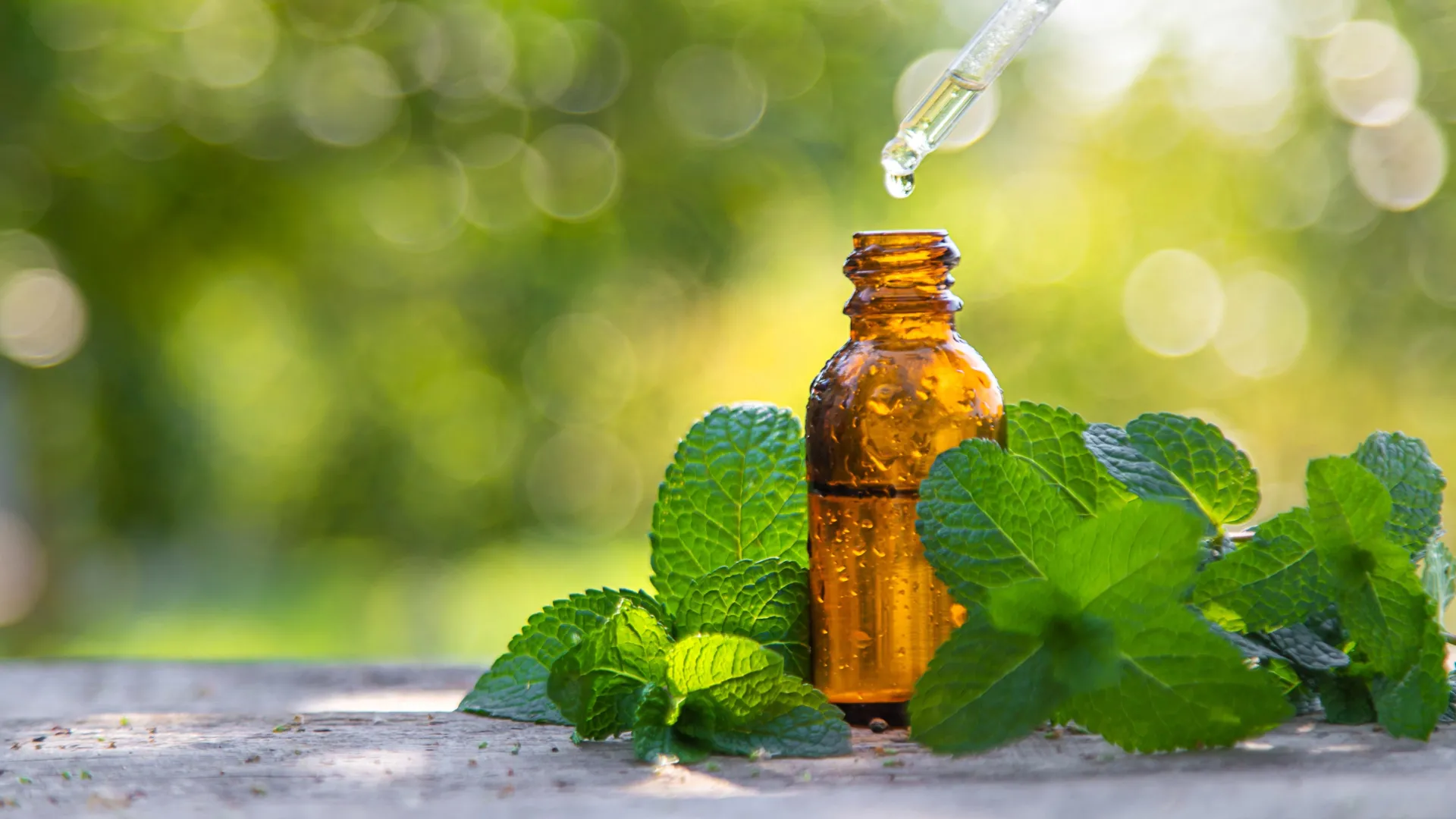
The core of the study centers on the efficacy of 100 microliters of peppermint oil, administered twice daily over a 20-day period. The results, according to the research team, were statistically significant. Participants who followed the peppermint regimen saw an average reduction of 8.5mmHg in their systolic blood pressure—the pressure exerted against artery walls when the heart beats.
For context, a reduction of this magnitude in systolic blood pressure is clinically relevant. Even modest decreases in blood pressure are associated with substantial reductions in the risk of stroke, myocardial infarction (heart attack), and heart failure. Unlike many conventional pharmaceuticals, which can be expensive and often carry a laundry list of side effects, the study suggests that peppermint oil is well-tolerated, inexpensive, and easily accessible, positioning it as a potentially disruptive tool in preventive cardiology.
The Chronology: How the Study Unfolded
The journey toward these findings began with a rigorous scientific design aimed at isolating the impact of peppermint oil from other lifestyle factors.
Phase I: Recruitment and Baseline Assessment
The research team enrolled 40 healthy adults, aged between 18 and 65, who presented with either prehypertension or stage 1 hypertension. Before the intervention began, each participant underwent a comprehensive battery of tests to establish a baseline. This included not only blood pressure readings but also body composition analysis, blood chemistry panels, heart rate monitoring, and subjective evaluations of sleep quality and psychological well-being.
Phase II: The Randomized Trial
To ensure the integrity of the data, the 40 participants were randomly assigned into two distinct groups.
- The Treatment Group: Participants received the active peppermint oil supplementation, dosed at 100 microliters twice per day.
- The Placebo Group: Participants were given a peppermint-flavored placebo that mimicked the taste and scent of the active oil but lacked the therapeutic concentration of menthol and flavonoids.
Phase III: The 20-Day Intervention
For 20 consecutive days, participants adhered to their respective regimens. During this period, researchers maintained consistent monitoring protocols to ensure compliance and track any immediate physiological responses.
Phase IV: Analysis and Discovery
Following the 20-day window, the data was compiled and analyzed. The results revealed a stark contrast: while the placebo group showed no meaningful change in their cardiovascular markers, the treatment group exhibited a consistent, downward trend in systolic blood pressure, validating the hypothesis that peppermint oil possesses active properties capable of modulating vascular tension.
Supporting Data: Understanding the Mechanism
Peppermint (Mentha piperita) has been utilized for centuries in traditional medicine for its digestive and anti-inflammatory properties. However, its role in cardiovascular health is rooted in its complex chemical profile.
The Role of Menthol and Flavonoids
Peppermint is rich in menthol—a compound known for its cooling sensation—and various flavonoids, which are potent antioxidants. Research suggests that these compounds may influence the autonomic nervous system and endothelial function. By potentially promoting vasodilation—the widening of blood vessels—the components of peppermint oil may reduce the resistance blood encounters as it flows through the arteries, thereby lowering systolic pressure.
Beyond Blood Pressure
While systolic pressure was the primary endpoint, the University of Lancashire team took a holistic approach to the data. By monitoring heart rate, sleep quality, and mental well-being, the researchers sought to understand if the benefits of peppermint oil were systemic rather than localized. The study indicated that the improvement in blood pressure was not accompanied by adverse changes in heart rate or body mass, suggesting that the intervention is safe and does not trigger compensatory physiological stress.
Official Responses and Expert Perspectives
Dr. Jonnie Sinclair, the lead author of the study and Reader in Sport and Health Sciences at the University of Lancashire, has been vocal about the importance of these findings. In his assessment of the current landscape of hypertension treatment, he highlights a persistent gap in the medical system.
"High blood pressure is one of the biggest causes of heart disease and death worldwide, and it costs a huge amount of money to treat," Dr. Sinclair noted. "Although medicines are commonly used to treat it, it’s not always clear how well they work in the long-term, and they can cause unwanted side effects."
Dr. Sinclair emphasized that the medical community must remain open to non-pharmacological interventions that are backed by rigorous data. "Our findings were very positive, and they have significant clinical implications," he stated. "Especially given that arterial hypertension is the most common preventable risk factor for cardiometabolic disease and the greatest single risk factor for global mortality."
Other experts in the field have reacted with cautious optimism. While they acknowledge that a sample size of 40 is relatively small and requires larger, multi-center trials to confirm the findings, they agree that the low-risk profile of peppermint oil makes it an attractive candidate for further study. The medical community is particularly interested in whether these results can be replicated in populations with secondary health complications, such as type 2 diabetes or chronic kidney disease.
Implications: A New Era for Preventative Medicine?
The implications of the University of Lancashire study are broad, touching on public health policy, personal wellness, and the economics of healthcare.
Economic Accessibility
One of the most compelling arguments for peppermint oil is its price point. As healthcare costs continue to skyrocket globally, the burden of treating chronic conditions like hypertension is straining both national health systems and individual patients. If a simple, low-cost oil can mitigate the need for more expensive, long-term pharmaceutical interventions in the early stages of the disease, the potential savings—both in terms of drug costs and the prevention of catastrophic health events—are astronomical.
Empowering the Patient
The study shifts the narrative from "disease management" to "proactive health." For individuals who are not yet at the stage of needing heavy-duty blood pressure medication, the prospect of using a natural, pleasant-smelling, and inexpensive supplement can be highly motivating. It provides patients with a sense of agency over their health, encouraging them to take daily steps that are easy to maintain and free of the stigma or side effects often associated with traditional blood pressure medication.
The Future of Research
While this study serves as a successful proof-of-concept, it also acts as a blueprint for future investigation. The research team has noted several areas for expansion:
- Long-term Efficacy: Does the blood pressure reduction persist beyond 20 days? Is there a risk of the body developing a tolerance to the oil?
- Optimal Dosing: Could higher or lower concentrations yield better results?
- Mechanism of Action: Identifying the exact metabolic pathways through which peppermint oil affects vascular tension will be crucial for developing standardized clinical guidelines.
A Holistic Integration
It is important to note that researchers are not suggesting that peppermint oil should replace essential medical care. Rather, it is viewed as a potential complementary tool. The integration of such natural interventions into the standard of care could allow for a more nuanced approach to hypertension, where lifestyle modifications, dietary changes, and natural supplements are prioritized before moving to heavy pharmaceutical regimens.
Conclusion: A Breath of Fresh Air
The University of Lancashire’s findings offer a refreshing perspective on cardiovascular health. In a field dominated by synthetic compounds and complex therapeutic regimens, the humble peppermint plant offers a simple, elegant solution. While further research is required to fully understand the long-term impact and universal applicability of this treatment, the initial data provides a strong foundation for optimism.
As society grapples with the rising prevalence of lifestyle-related diseases, the discovery that such a common, accessible substance may help keep our hearts healthier is a testament to the power of scientific inquiry. By bridging the gap between ancient herbal knowledge and modern clinical methodology, Dr. Sinclair and his team have opened a new, promising door in the pursuit of a healthier global population.
For the millions struggling with the "silent killer" that is hypertension, this research represents more than just a data point—it represents a tangible, manageable step toward a longer, more vibrant life. The next few years of research in this area will undoubtedly be watched closely by clinicians and patients alike, as we determine if this aromatic herb truly has the power to change the face of cardiovascular medicine.