The conflict in Ukraine has entered a grim and intensifying phase as Russia unleashed a fresh wave of aerial bombardments on Saturday morning, claiming at least two lives and leaving dozens injured. These strikes, which hit targets ranging from the capital of Kyiv to the southern industrial hub of Zaporizhzhia, follow a particularly devastating day of violence that saw a shopping center in Kryvyi Rih reduced to rubble.
As the death toll climbs and civilian infrastructure faces systematic degradation, the international community is once again confronted with the brutal reality of a war that shows no sign of abating. The escalation comes at a precarious moment for the Ukrainian military, which remains critically short of the air defense capabilities required to neutralize increasingly sophisticated ballistic and drone-based threats.
Chronology of Terror: A 48-Hour Spiral
The recent escalation began in earnest on Friday, marking one of the bloodiest 24-hour periods in recent months.
Friday: The Kryvyi Rih Massacre
The catalyst for the current surge was a coordinated drone attack on a bustling shopping center in Kryvyi Rih, the hometown of President Volodymyr Zelensky. The assault, characterized by the chilling "double-tap" tactic—where a second strike follows shortly after the first to target emergency responders and civilians fleeing the initial blast—resulted in the deaths of at least 16 people.
Regional military governor Oleksandr Ganzha confirmed that rescue operations extended through the night, with emergency crews sifting through the debris in a desperate search for the missing. As of Saturday morning, nine individuals remained unaccounted for, including two children. The scale of the casualty count was staggering: local health authorities reported 130 injuries, a harrowing figure that includes 23 children caught in the crossfire of a typical workday.
Saturday: Morning Strikes in Kyiv and Zaporizhzhia
The nightmare continued into the early hours of Saturday. In the capital, Kyiv, the City Military Administration issued an urgent ballistic missile alert shortly before an industrial warehouse in the Darnytskyi district was engulfed in flames. Preliminary reports indicate that one individual was killed and several others sustained injuries, forcing the city into a state of high alert.
Simultaneously, in the southern city of Zaporizhzhia, Russian forces utilized a tactical drone strike to target civilian infrastructure. The head of the regional military administration, Ivan Fedorov, confirmed that a man was killed and four others were wounded in the attack. These strikes represent a deliberate shift toward targeting urban logistics and commercial hubs, further straining the country’s already beleaguered emergency services.
Supporting Data: A Surge in Civilian Suffering
The current wave of violence is not an isolated phenomenon but part of a calculated intensification of the conflict. According to the United Nations, the civilian death toll in Ukraine for this year has hit its highest level since the opening months of the full-scale invasion in 2022.
The data underscores a disturbing trend:
- Targeting of Civilians: The shift toward shopping centers and residential warehouses indicates a strategy designed to degrade the morale of the Ukrainian populace and force a total collapse of domestic normalcy.
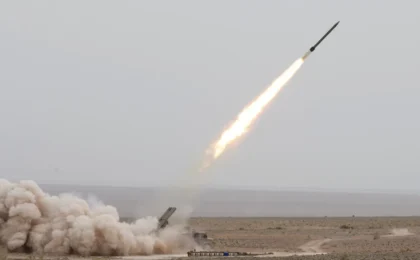
- Infrastructure Stress: The destruction of energy and logistics infrastructure has been exacerbated by the inability of Ukrainian air defenses to intercept high-speed ballistic missiles, which are significantly harder to track and destroy than the Iranian-designed Shahed drones used earlier in the war.
- The Humanitarian Cost: With over 130 casualties in a single incident in Kryvyi Rih, local hospitals are being pushed to the brink, with medical supplies and blood banks facing critical shortages.
Official Responses and Diplomatic Impasse
The response from the Ukrainian leadership has been one of defiance coupled with an urgent plea for international intervention.

Kyiv’s Stance
President Volodymyr Zelensky has remained resolute, rejecting any notion of negotiating under the current conditions of relentless bombardment. He has consistently argued that Russia’s demands—which include massive territorial concessions and the effective demilitarization of Ukraine—would serve as a "capitulation" rather than a peace treaty.
"We cannot trade our sovereignty for a fragile silence," a spokesperson for the administration remarked, reiterating that any deal which leaves Ukraine vulnerable to a future, better-prepared Russian offensive is not a deal worth signing.
Moscow’s Position
Conversely, the Kremlin continues to frame the strikes as "special military operations" targeting legitimate military and logistical nodes. Despite evidence of widespread civilian casualties, Moscow maintains that its objectives remain fixed on the "denazification" and "demilitarization" of the country, dismissing international outrage as Western interference.
International Efforts
Diplomatic avenues have largely stalled. While the United Nations and various international mediators have attempted to broker localized ceasefires or humanitarian corridors, both sides remain entrenched in their respective positions. The failure of diplomatic channels is increasingly linked to the lack of a neutral ground; Russia continues to demand the recognition of annexed territories, while Ukraine insists on the restoration of its 1991 borders.
Implications for the Future of the Conflict
The current trajectory of the war holds severe implications for both the regional security architecture and the global political landscape.
1. The Air Defense Gap
The most pressing military concern is the "air defense gap." Kyiv has repeatedly warned its Western allies that without the provision of additional Patriot systems and long-range interceptors, the country’s industrial heartland will continue to be systematically dismantled. The failure to intercept the recent ballistic strikes in Kyiv serves as a sobering reminder of the technological disparity that Russia is currently exploiting.
2. The Fatigue Factor
As the war stretches into its third year, there is a mounting concern regarding "donor fatigue." While Ukraine’s allies remain committed to providing financial and military aid, the political appetite in some Western capitals is beginning to shift. If the current intensity of Russian strikes continues to produce high civilian casualties, the international pressure for a negotiated settlement—regardless of the terms—may increase, placing President Zelensky in a nearly impossible political position.
3. A Precedent for Total War
The use of "double-tap" drone strikes and the targeting of shopping centers mark a return to the most brutal forms of total war. This strategy serves a dual purpose: it forces the Ukrainian military to divert resources away from the frontlines to protect urban centers, and it creates a permanent state of fear among the civilian population. By making life in Ukraine untenable, Russia hopes to break the country’s will to continue the resistance.
4. The Path Forward
The conflict is reaching a point of inflection. With neither side willing to compromise on their core demands, the war is likely to intensify before it sees any form of resolution. The international community is now tasked with a difficult balancing act: continuing to provide the means for Ukraine to defend its sovereignty while simultaneously searching for a diplomatic opening that does not sacrifice the fundamental principles of international law and territorial integrity.
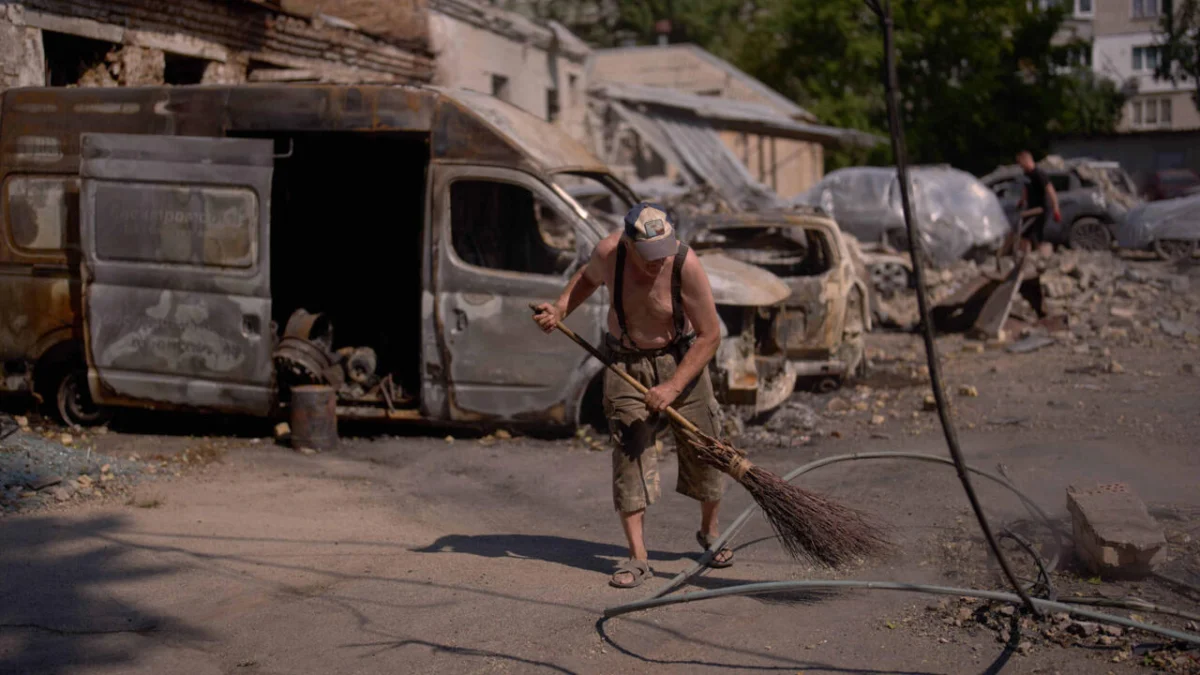
As the smoke clears over the ruins in Kryvyi Rih and the warehouse in Kyiv, the global community is left to contemplate the cost of a war that refuses to fade. The loss of life—16 in a single afternoon, and two more the next morning—is not merely a statistic; it is a measure of the escalating human catastrophe that defines the current era. Until the international diplomatic machinery can move past the current impasse, the people of Ukraine remain in the crosshairs of a conflict that shows no mercy and, for now, no end in sight.