By Editorial Staff
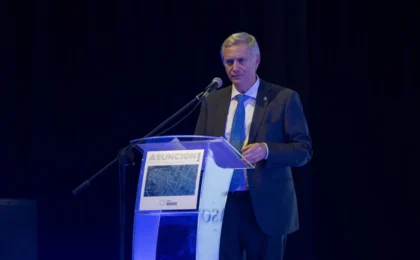
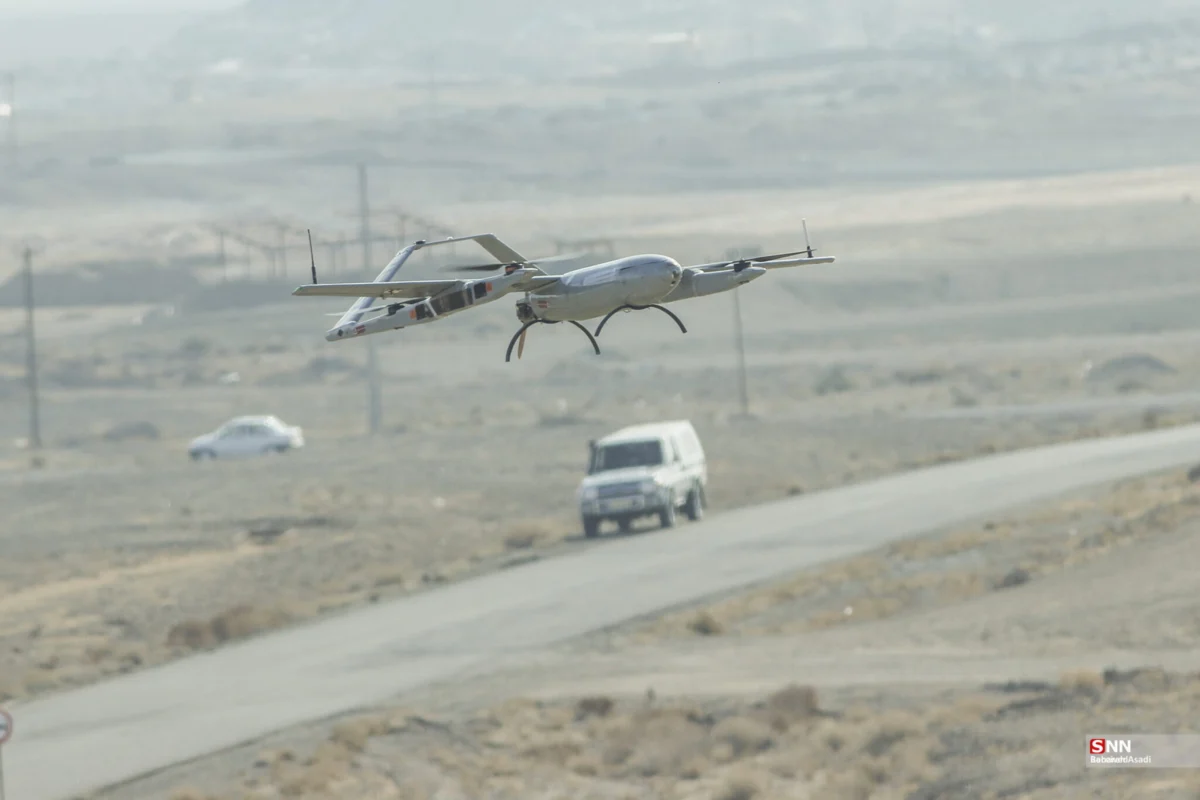
The character of modern warfare is undergoing a radical, lethal transformation. As unmanned aerial vehicles (UAVs)—commonly known as drones—become increasingly affordable, accessible, and sophisticated, the barrier to conducting precision strikes has effectively collapsed. For Tom Fletcher, the United Nations Under-Secretary-General for Humanitarian Affairs and Emergency Relief Coordinator, this technological shift is not merely a tactical evolution; it is a burgeoning crisis that threatens to undermine the foundations of international humanitarian law (IHL).
Speaking during a high-stakes visit to Ukraine in commemoration of World Humanitarian Day, Fletcher issued a sobering warning: the rapid proliferation of drone warfare is outstripping the international community’s ability to ensure accountability, leaving civilians and aid workers in an increasingly precarious position.
Main Facts: The "Road of Death" and the Drone Reality
Following a two-day inspection of Kherson, a city Fletcher described as being “saturated” by drone activity, the UN official highlighted the visceral reality of 21st-century conflict. The psychological and physical toll on the population is profound. During his visit, Fletcher observed the grim aftermath of a strike on a local hospital—an institution that should be a sanctuary under the Geneva Conventions, yet has become a prime target in the calculus of remote warfare.
The statistics are harrowing. In a video message recorded while traversing the Mykolaiv-to-Kherson route—a stretch of asphalt colloquially dubbed the “Road of Death” due to the constant threat of overhead surveillance and kamikaze strikes—Fletcher lamented that “easily available means to kill are outstripping accountability.”
The core of the issue lies in the distance between the pilot and the target. As operators move further from the front lines, the psychological barrier to pulling the trigger diminishes, while the mechanisms for legal recourse and battlefield accountability grow increasingly opaque.
Chronology: A Surge in Civilian Harm
The data provided by the UN Human Rights Monitoring Mission in Ukraine paints a bleak picture of the conflict’s trajectory as of mid-2026.
- May 2022: The conflict saw significant civilian casualties, a baseline that held for several years before recent escalations.
- Early 2026: Russia intensified its campaign against Ukrainian energy infrastructure, utilizing swarms of drones to degrade the nation’s ability to heat homes and power hospitals.
- July 2026: A grim milestone was reached. UN reports estimate 437 civilian deaths and 2,610 injuries during the month—the highest toll recorded since the early months of the full-scale invasion in 2022.
- August 2026: UN humanitarian leadership formally elevated the drone threat as a primary concern for the safety of aid convoys and humanitarian workers on the ground.
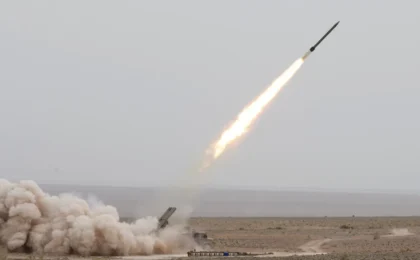
This trajectory reflects a shift from traditional artillery and missile warfare to a reliance on "loitering munitions," which offer low-cost, high-precision capabilities that can be deployed with minimal infrastructure.
Supporting Data: The Disproportionate Toll
The reliance on drones is not merely a tactical preference; it is a strategic shift. According to the UN’s monitoring data, missiles and drones combined were responsible for 38 percent of all civilian casualties in July 2026 alone. More alarmingly, drones acting in isolation were responsible for more than one-fourth of all recorded deaths and injuries during that period.
While drones may not possess the sheer explosive yield of heavy long-range missiles, their versatility and low cost allow them to be deployed in a "persistent presence" role. They are no longer just reconnaissance tools; they are the primary architects of a constant, low-level atmospheric dread.
The medical impact is visible in the wards of regional hospitals. Fletcher reported that at one facility he visited, approximately 70 percent of all wounded patients were survivors of drone strikes. This data point alone indicates that the "precision" often touted by drone manufacturers frequently comes at the cost of civilian life, whether through collateral damage or the deliberate targeting of non-combatants.
Official Responses and the Legal Vacuum
The UN’s stance is firm: technological advancement does not confer a waiver on the rules of war. Under Article 36 of Additional Protocol I to the 1949 Geneva Conventions, states are legally obligated to evaluate new weapons to ensure they comply with international law.
“What doesn’t change or must not change each week is international humanitarian law,” Fletcher stated during his press briefing. Despite the technological flux—where hardware and software iterations occur on a weekly basis—the legal prohibition against attacking civilians or aid workers remains absolute.
However, enforcement is lagging. The anonymity provided by remote operation allows combatants to claim "technical error" or "intelligence failure" with increasing ease. When the pilot is hundreds of miles away, the link between the action and the culpability is severed, creating a "grey zone" where justice is difficult to serve.
Both sides of the Ukraine conflict have significantly expanded their drone programs. While Russia has utilized long-range drones to dismantle civilian energy grids, Ukraine has countered with large-scale strikes on military and infrastructure sites deep within Russian territory. This mutual reliance on drone technology has turned the skies over the region into a contested, dangerous space where the distinction between a combatant and a civilian is frequently ignored.
Implications: A Global Crisis of Governance
The crisis in Ukraine is not an isolated phenomenon; it is a harbinger of a global trend. Fletcher pointed to conflicts in Sudan, Somalia, Colombia, Gaza, and Lebanon, where armed drones are rapidly becoming the leading cause of civilian deaths.
1. The Erosion of Humanitarian Space
Aid organizations rely on the assumption of neutrality. When drones are used to target infrastructure—or when they make the simple act of driving a supply truck a life-or-death gamble—the "humanitarian corridor" ceases to exist in any meaningful capacity. If aid workers cannot reach the vulnerable, the cost in human life extends far beyond the blast radius of the weapons themselves, resulting in secondary deaths from hunger, lack of medicine, and exposure.
2. The Normalization of Remote Warfare
There is a growing fear that as drones become the "weapon of choice" for state and non-state actors, the threshold for conflict will lower. If a country can strike an enemy with no risk to its own personnel, the political cost of engaging in war diminishes. This “bloodless” warfare for the aggressor creates a “lethal” reality for the target, fostering a climate of permanent, low-intensity conflict that is notoriously difficult to resolve through diplomatic channels.
3. The Need for New Regulatory Frameworks
The current international legal framework, designed in an era of tanks and infantry, is struggling to adapt to autonomous and semi-autonomous systems. Experts argue that there is an urgent need for:
- Mandatory Human-in-the-Loop Protocols: Ensuring that no lethal decision is made by an algorithm without verified human intervention.
- Transparency Requirements: Requiring parties to disclose the technological capabilities and targeting doctrines of their drone fleets.
- Accountability Mechanisms: Establishing international standards for the forensic investigation of drone strikes, ensuring that "remote" does not mean "immune."
Conclusion: A Turning Point
The warnings from the UN humanitarian chief serve as a clarion call. We are at a technological crossroads where the speed of innovation has far outpaced the speed of conscience.
As drones continue to populate the skies—from the battlefields of Eastern Europe to the humanitarian flashpoints of Africa and the Middle East—the international community must decide whether to allow the battlefield to become a lawless, automated zone or to reassert the fundamental principle that even in the most sophisticated wars, human life remains the most important variable.
For the people of Kherson, and for millions of others living in the shadow of the drone, the time for regulatory debate is rapidly closing. As Fletcher noted, the "easily available means to kill" are multiplying; without a commensurate increase in the means to hold the powerful accountable, the world risks entering an era where the sky itself is a permanent threat to the vulnerable.